

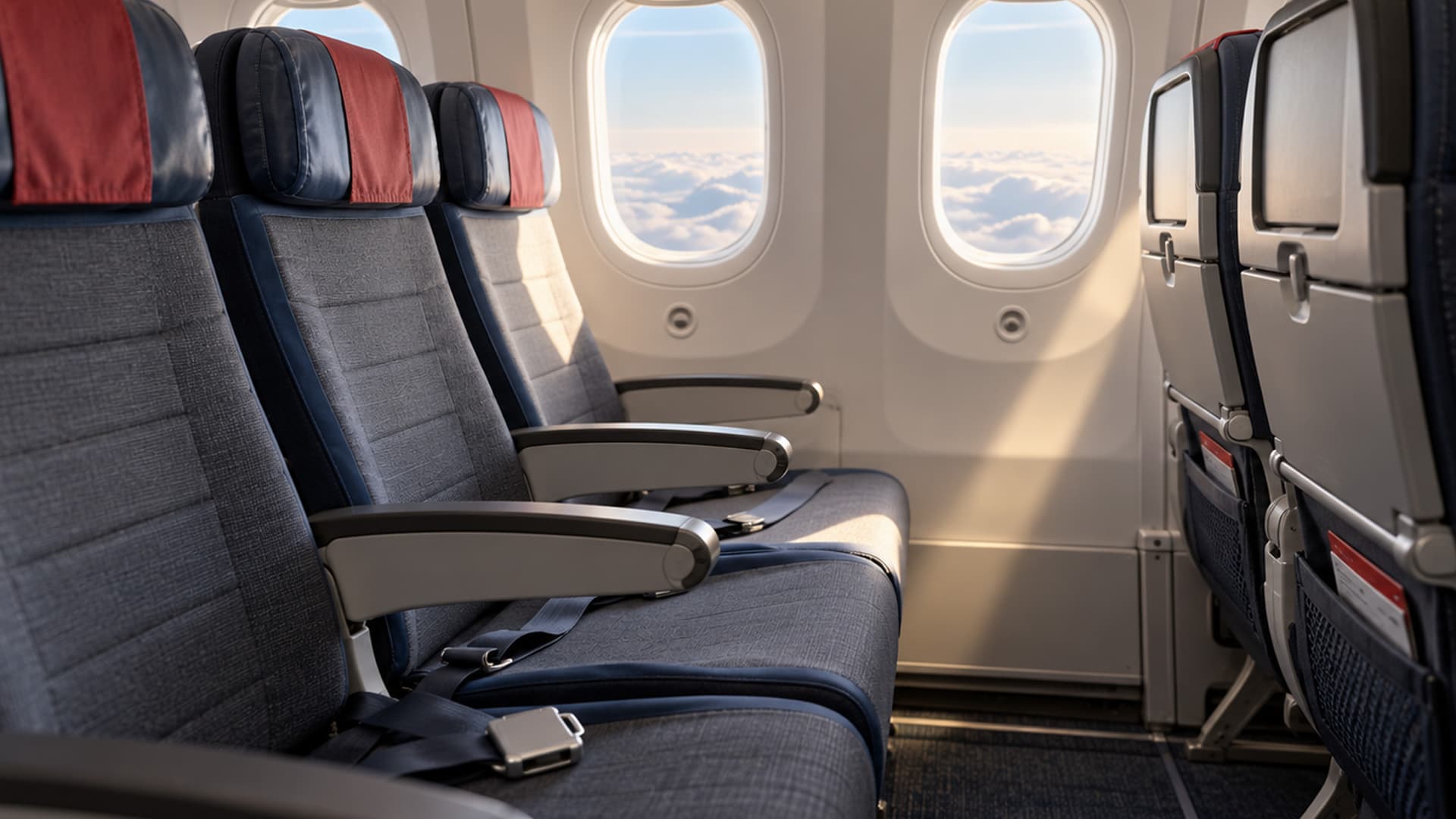
A seat-selection charge usually relates to choosing a particular seat or seat category under the airline's conditions. It should not be treated as a cabin upgrade unless the product explicitly says that is what you are buying.
Before paying, identify the feature you actually want: a window, aisle access, a location nearer the front or another clearly described benefit. Then check the operating airline's seat map, the fare inclusions and the conditions attached to that selection.
Separate your flight from the seating option
The flight reservation and the optional seat-selection process are related, but they answer different questions. One concerns the booked journey; the other concerns where you expect to sit and when you can make that choice.
Do not interpret an invitation to pay for a seat as a complete explanation of what happens if you decline. Read the carrier's seat-allocation policy for your fare and ask if the available information is unclear.
British Airways, for example, explains that the ability to choose a seat without an additional charge depends on factors including the fare and cabin. Its seat-selection guidance illustrates why you should check the specific product rather than assume one rule applies to every ticket.
Decide which preference matters most
Start with the reason you are considering payment. You may prefer the view from a window, easier access from an aisle or sitting beside a companion.
Rank these preferences rather than describing every attractive feature as essential. A traveller who mainly wants an aisle seat is making a different decision from someone prioritising a location near the front.
If the requirement relates to a disability or another assistance need, use the airline's assistance process instead of assuming a standard paid seat is the solution. Explain the actual need and ask what arrangements and confirmation are required.
Read the seat map as a layout, not a photograph
A seat map helps show the arrangement of rows and seats. It may also identify features such as exits, toilets or galleys. Read its legend and the accompanying descriptions.
Do not infer exact comfort from the size of a rectangle on the screen. If a feature matters, look for the airline's stated information about that seat category and aircraft.
Also verify that you are reviewing the operating flight, especially where more than one airline appears in the itinerary. A map for another carrier or aircraft configuration may not describe the cabin you are booking.
Distinguish a location benefit from a space benefit
A seat described as preferred may be attractive because of its position, not because it offers more space. Conversely, an extra-legroom category may have conditions or features that differ from an ordinary row.
Read the exact description rather than relying on colour coding or a higher price to explain the product. Ask what is included and what is not.
This is a practical purchasing question, not a reason to assume every paid seat offers poor value. A location that matters to you can be worth paying for, provided you know that location is the benefit being offered.
Check restrictions before selecting an exit row
An exit-row seat is not simply a larger version of any other seat. Airlines apply eligibility conditions because passengers in those positions may have duties in an emergency.
Read the carrier's requirements and do not select the row if you cannot meet them. If anything is unclear, ask the airline before purchase rather than assuming the check-in process will resolve it in your favour.
Follow cabin-crew instructions on board, including storage instructions for the seat you occupy. The price paid for a seat does not override operational or safety requirements.
Calculate the choice across the whole journey
Look at the number of flights and travellers involved. A modest charge for one seat on one sector can become a different decision when applied to an entire family itinerary.
Check whether the displayed price relates to one flight, one person or a larger selection. Do not assume choosing seats on the outbound journey also completes the return.
You can prioritise where the benefit matters most. For example, a preference might be more important on one part of the journey than another. This is a personal planning choice, not a claim that one flight duration creates a universal need to pay.
Coordinate companion seating carefully
If sitting together matters, review the airline's policy and available options for the actual party. Do not rely on a general assumption that everyone in one reservation will always receive adjacent seats.
For families, check the carrier's published family-seating arrangements before buying extras or deciding to skip selection. Those arrangements can depend on the airline and circumstances.
Ask companions before assigning seats on their behalf. A window preference for one person may conflict with another person's needs. Agree the priority while you can compare options calmly rather than negotiating it after boarding.
Understand what can change later
Aircraft and operational changes can affect seating. British Airways states that it cannot guarantee a specific seat in every circumstance and explains its process for seating changes and refunds. Read its seating-change conditions for a BA booking, or the equivalent rules for your carrier.
Do not generalise one airline's refund process to another. Keep the purchase confirmation and check what procedure applies if the selected service is not provided.
If your flight changes, review the seats again. A selection attached to an earlier itinerary should not be assumed to have transferred exactly as you expected without checking the new confirmation.
Keep the description with the receipt
Save the confirmation for any paid seat and the description of what you selected. This helps distinguish the seat category purchased from a general preference you expressed.
You do not need to store dozens of screenshots, but a clear record can support an accurate enquiry. Include the relevant flight, traveller and reference when contacting the provider.
Use the official support process if there is a discrepancy. Avoid accepting an unfamiliar payment request merely because someone claims it is needed to preserve your selection.
Reassess at check-in and boarding
Review the current seat information when you complete check-in and follow any subsequent airline instructions. If the assignment differs and the difference matters, ask the airline about it through the appropriate channel.
On board, discuss concerns with the crew rather than moving into another seat without permission. A seat that appears empty may not be available for an informal swap.
Keep expectations realistic: a seat preference is one part of the journey. Knowing the conditions and communicating clearly is more useful than assuming that a screenshot alone settles every later situation.
Pay for a benefit you can explain
Before adding the charge, finish this sentence: I am paying for this option because this feature matters to me on this flight. If the feature remains vague, investigate the description before proceeding.
When using the Airline Tickets booking page, include chosen extras in the total you compare. For help with an existing reservation, use the verified booking contact details.
Seat selection can be a useful purchase or an unnecessary extra, depending on your priorities and the actual offer. The decision becomes simpler when you separate location, space, eligibility and conditions instead of treating every coloured square on the map as the same product.