


Soaring to New Heights of Wildlife Discovery
Imagine this: you’re gliding through the air, gazing down upon the vast African savannah from the basket of a hot air balloon. The sun is just beginning to peek over the horizon, casting a golden glow on the landscape below. Herds of wildebeest move like fluid across the plains, and far in the distance, a pride of lions lazes in the shade of an acacia tree. Welcome to the world of aerial safaris – the high-flying, game-changing, eagle-eye way to experience the wild.
Gone are the days when wildlife tourism meant hours of dusty, bumpy roads in search of a fleeting glimpse of an elephant’s ear. Today, aerial safaris are taking adventurers to new heights (literally), offering bird's-eye views of some of the most breathtaking animals and landscapes on Earth. In addition to their undeniable wow factor, aerial safaris are shaking up the traditional safari experience, making remote and untouched corners of the world accessible, and offering a unique, exhilarating perspective on wildlife.
But what exactly is an aerial safari, and how is it revolutionizing the way we explore nature’s finest creatures? Buckle up (or strap in your harness), because we’re about to take flight and delve into how these sky-high expeditions are forever changing wildlife tourism.
Up, Up, and Away – What Exactly Are Aerial Safaris?
Before you start thinking you need to be a pilot to go on an aerial safari, rest assured that these adventures are designed for every kind of traveler – from the intrepid thrill-seeker to the leisurely wanderer. So, what exactly are we talking about when we say “aerial safari”?
Simply put, an aerial safari involves viewing wildlife from an elevated vantage point, typically aboard some kind of airborne vehicle. This could be as serene as drifting in a hot air balloon, as thrilling as skimming the treetops in a helicopter, or as luxurious as flying in a small plane. Each mode of transport offers its own unique flavor of adventure, but all share the same goal: giving travelers an unparalleled perspective on the natural world.
Hot Air Balloons
The epitome of slow travel, hot air balloon safaris are the perfect way to experience wildlife in a tranquil, almost magical setting. The silence, broken only by the occasional whoosh of the burner, allows you to hover over animals without startling them. Plus, there's something undeniably poetic about floating with the wind.
Helicopters
For those who prefer a bit more adrenaline, helicopters are the jet-setters of aerial safaris. With the ability to cover vast distances quickly, helicopters can take you to areas that are otherwise inaccessible, offering unparalleled views and the chance to spot wildlife in remote regions.
Small Planes
A little more comfortable but no less adventurous, small planes offer a sweeping panorama of landscapes and wildlife below. Some aerial safaris even operate as "fly-in" trips, where you land in remote destinations for a combination of airborne and ground-based wildlife experiences.
Regardless of how you choose to take to the skies, aerial safaris offer an entirely new perspective on the world below – where the patchwork of savannahs, forests, and rivers comes alive, and spotting an elephant from above suddenly feels like nature’s ultimate game of hide-and-seek.

When Elephants Look Like Ants – The Thrill of Unique Wildlife Encounters
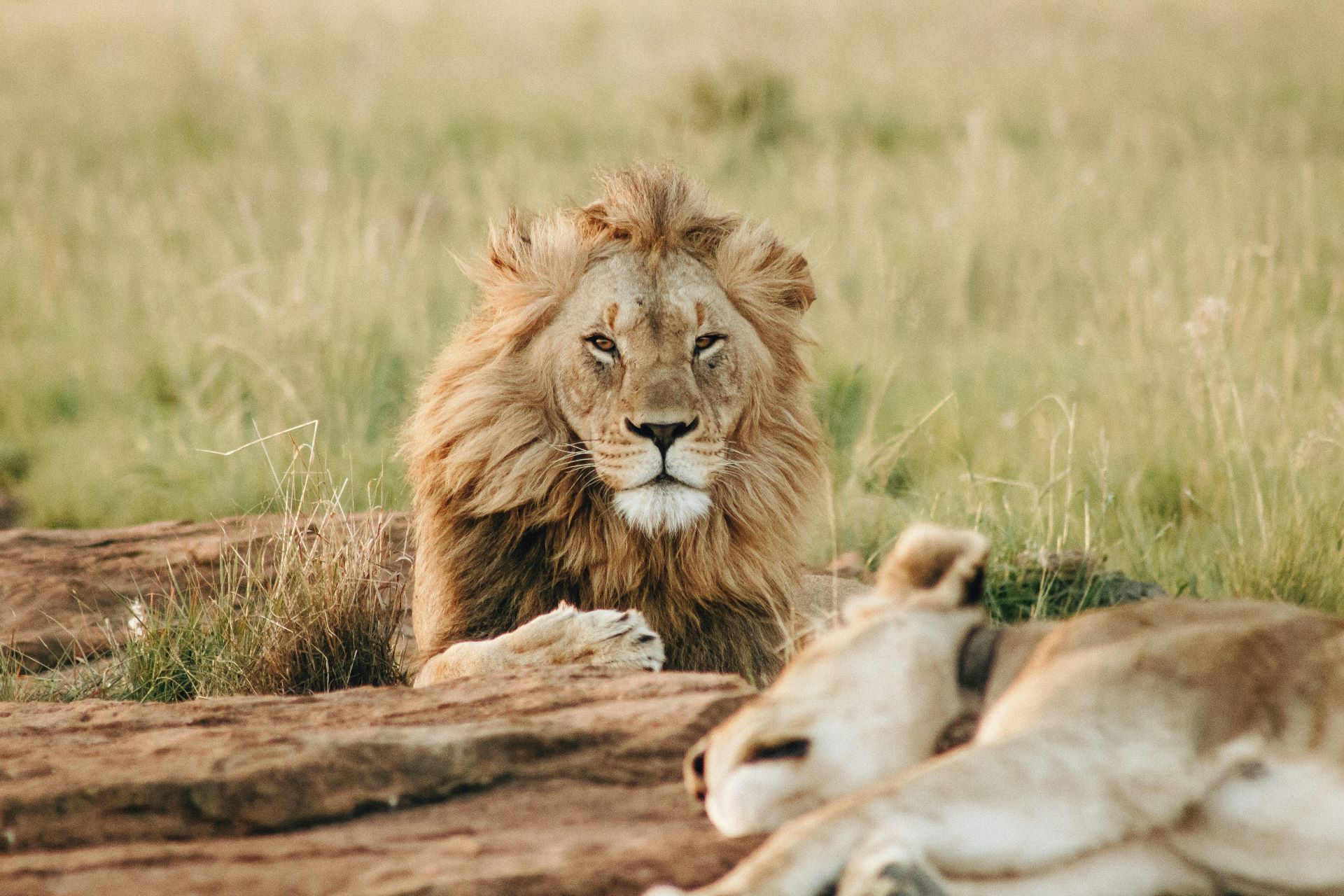
Spotting a lion while on a traditional safari? That's cool. Seeing that same lion from the sky, while its massive mane gleams in the sunlight as it stalks a herd of wildebeest? Now that’s next-level.
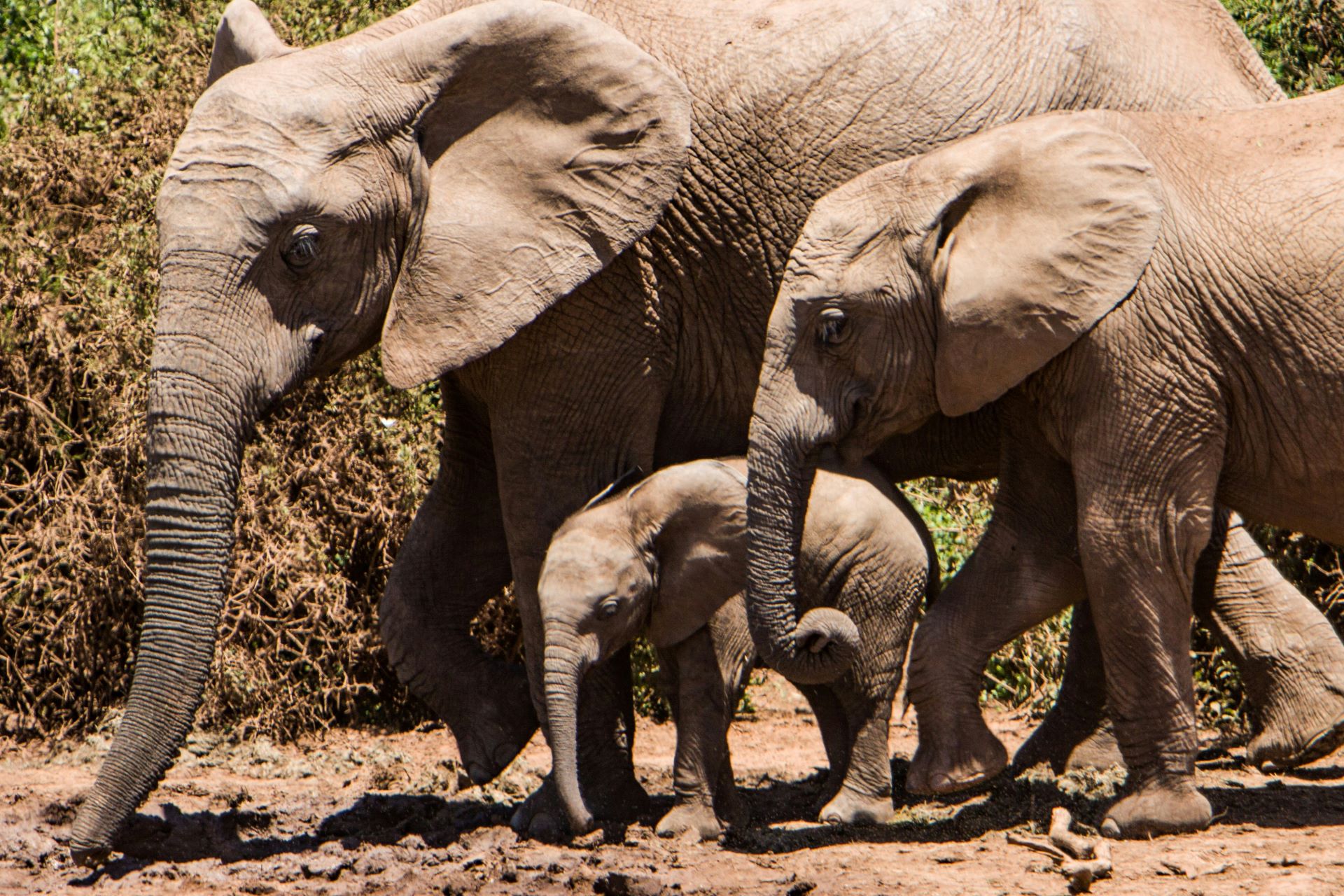
One of the biggest draws of aerial safaris is the opportunity to witness wildlife in an entirely different way. From the sky, the patterns of nature emerge, showing not just individual animals but how they interact with their surroundings – and each other. Herds of elephants, for example, look like moving shadows from above, their paths zigzagging across the plains. Flamingos take on an almost dream-like quality when viewed from above, forming abstract pink patterns on the water’s surface.
Anecdotes from travelers often speak to the sheer unpredictability of these encounters. One guest on a helicopter safari in Botswana described how they unexpectedly witnessed a rare black-maned lion basking in the sun atop a rocky outcrop – a sight so elusive that even ground-based safari guides were envious! Another traveler, floating in a hot air balloon over Tanzania’s Serengeti, watched in awe as hundreds of migrating wildebeest crossed the Mara River, with crocodiles lurking just below the surface.
The element of surprise is one of the biggest thrills of an aerial safari. Unlike ground safaris, where the wildlife is typically found in specific, often predictable locations, the air opens up a whole new world of chance encounters. It’s not uncommon to spot entire ecosystems from above – a family of giraffes nibbling on treetops, a leopard lounging on a high branch, or even a pod of hippos wallowing in the river below.
And let’s not forget the landscapes themselves, which from the air, take on an almost otherworldly quality. Seeing the great Victoria Falls, for instance, from the window of a small plane, or flying over the endless red dunes of Namibia’s Sossusvlei, is enough to make you question whether you’ve landed on Earth or another planet altogether.
Taking Wildlife Tourism to New Heights – Aerial vs. Ground Safaris
Now, you might be wondering: why go airborne when the classic ground safari is such an iconic experience? Don’t get us wrong – there’s something undeniably thrilling about bouncing along in an open jeep, camera at the ready. But let’s be real: aerial safaris bring something entirely fresh to the table.
For starters, aerial safaris cover way more ground in way less time. Whether you’re in a helicopter or a small plane, you can traverse miles of wilderness in mere minutes, granting you access to remote, unspoiled areas that would take hours (or even days) to reach on foot or by car. This is particularly beneficial for regions where wildlife roams vast distances – instead of waiting around for animals to come to you, you go to them.
And then there’s the fact that aerial safaris allow you to witness animals in their natural habitats without disturbing them. Ground safaris, though thrilling, often involve close-up encounters that can inadvertently stress animals or alter their behavior. From the air, you remain a distant observer, reducing the impact of human presence while still getting an incredible view.
But perhaps one of the greatest benefits of aerial safaris is their contribution to wildlife conservation. Many aerial safari operators work in partnership with conservation organizations, using a portion of their profits to fund anti-poaching efforts and wildlife monitoring programs. In some cases, aerial safaris themselves serve as a tool for conservation – aerial surveys, for example, are an invaluable method of tracking endangered species, mapping migration patterns, and monitoring the health of ecosystems.
In short, aerial safaris offer all the excitement of traditional safaris, plus the added bonus of a sky-high perspective that’s not only thrilling but also helps protect the very animals you’ve come to see.
The Sky is Calling – What to Expect from Your Aerial Safari Experience
So, you’ve decided to take the plunge and book an aerial safari. What’s next? Well, prepare to be wowed – from start to finish, these trips are designed to leave you breathless (and not just from the altitude!).
A typical aerial safari begins early in the morning, when the air is cool and the wildlife is most active. Depending on your choice of transport, you’ll either meet your pilot at a small airstrip, hop into a hot air balloon basket, or strap into a helicopter seat. After a quick safety briefing (don’t worry, they keep it light), you’ll ascend into the skies, where the real adventure begins.
As you soar over the landscape, keep your eyes peeled – wildlife can appear at any moment, and the thrill of spotting a herd of elephants or a lone cheetah in the distance never gets old. If you’re in a hot air balloon, the experience is almost meditative, with the silence of the skies amplifying the sounds of the wild below. Helicopters and small planes, meanwhile, offer more opportunities to cover ground quickly, darting from one area to the next as your guide points out wildlife and explains the intricacies of the ecosystems you’re flying over.
Pro tip: bring binoculars, a camera with a zoom lens, and don’t forget your hat and sunglasses – the sun at altitude can be surprisingly intense! Dress in layers, as it’s often cool in the morning but heats up quickly. And while you might think you’ll be glued to your camera the entire time, don’t forget to take a few moments to simply enjoy the view – after all, the memories you make on an aerial safari will last far longer than the photos.

Where the Wild Things Are – Top Aerial Safari Destinations
Ready to book your flight? Here are a few of the world’s top destinations for aerial safaris, each offering its own unique blend of wildlife, landscapes, and adventure.
Serengeti National Park, Tanzania
Known for its annual wildebeest migration, the Serengeti is a hotspot for aerial safaris. Whether you’re floating over the savannah in a hot air balloon or zipping across the plains in a helicopter, the sheer volume of wildlife is breathtaking.
Okavango Delta, Botswana
The Okavango Delta is a waterlogged wonderland, where aerial safaris reveal the intricate maze of channels, lagoons, and islands that make up this unique ecosystem. From the air, you’ll see elephants, hippos, and maybe even the elusive sitatunga antelope.
Victoria Falls, Zambia/Zimbabwe
One of the world’s most famous waterfalls, Victoria Falls is best appreciated from the air. Small plane flights offer stunning views of the falls themselves, as well as the surrounding wildlife-rich areas.
Namibia’s Skeleton Coast
For something a little different, head to Namibia’s Skeleton Coast, where aerial safaris offer views of dramatic, windswept dunes, shipwrecks, and desert-adapted wildlife like elephants and lions.
Masai Mara, Kenya
A classic safari destination, the Masai Mara is another excellent choice for hot air balloon safaris, especially during the Great Migration when the savannah teems with life.
Ready for Takeoff?
In the ever-evolving world of wildlife tourism, aerial safaris are taking travelers to new heights – quite literally. From the thrill of spotting animals from above to the sense of wonder that comes from seeing vast, untouched landscapes in all their glory, there’s something undeniably magical about these high-flying adventures.
So, if you’re looking to add a little altitude to your next safari, why not take to the skies and see the world from a whole new perspective? Who knows – the next great wildlife encounter could be just a few thousand feet away.
And remember: when it comes to aerial safaris, the sky’s truly the limit.