

Why air travel is difficult to keep affordable and reliable
A flight is the visible result of a complicated operation. An airline needs an aircraft, trained crew, fuel, maintenance, airport services, air traffic control, booking systems and the necessary permissions to operate. Passengers see the timetable and ticket price, but many of the pressures behind them are less visible.
For South African travellers, the industry's central challenge is not simply whether flights exist. It is whether suitable flights are available at times, prices and conditions that make a trip workable. For airlines and their partners, the challenge is to provide those services while managing costs, disruptions and changing demand.
Understanding those pressures does not make a delayed flight less frustrating or an expensive ticket more affordable. It does help explain why a simple answer, such as adding aircraft or cutting prices, may not solve the whole problem. It also shows why the quality of communication and the options available to passengers matter when plans go wrong.
Fuel prices can change the economics quickly
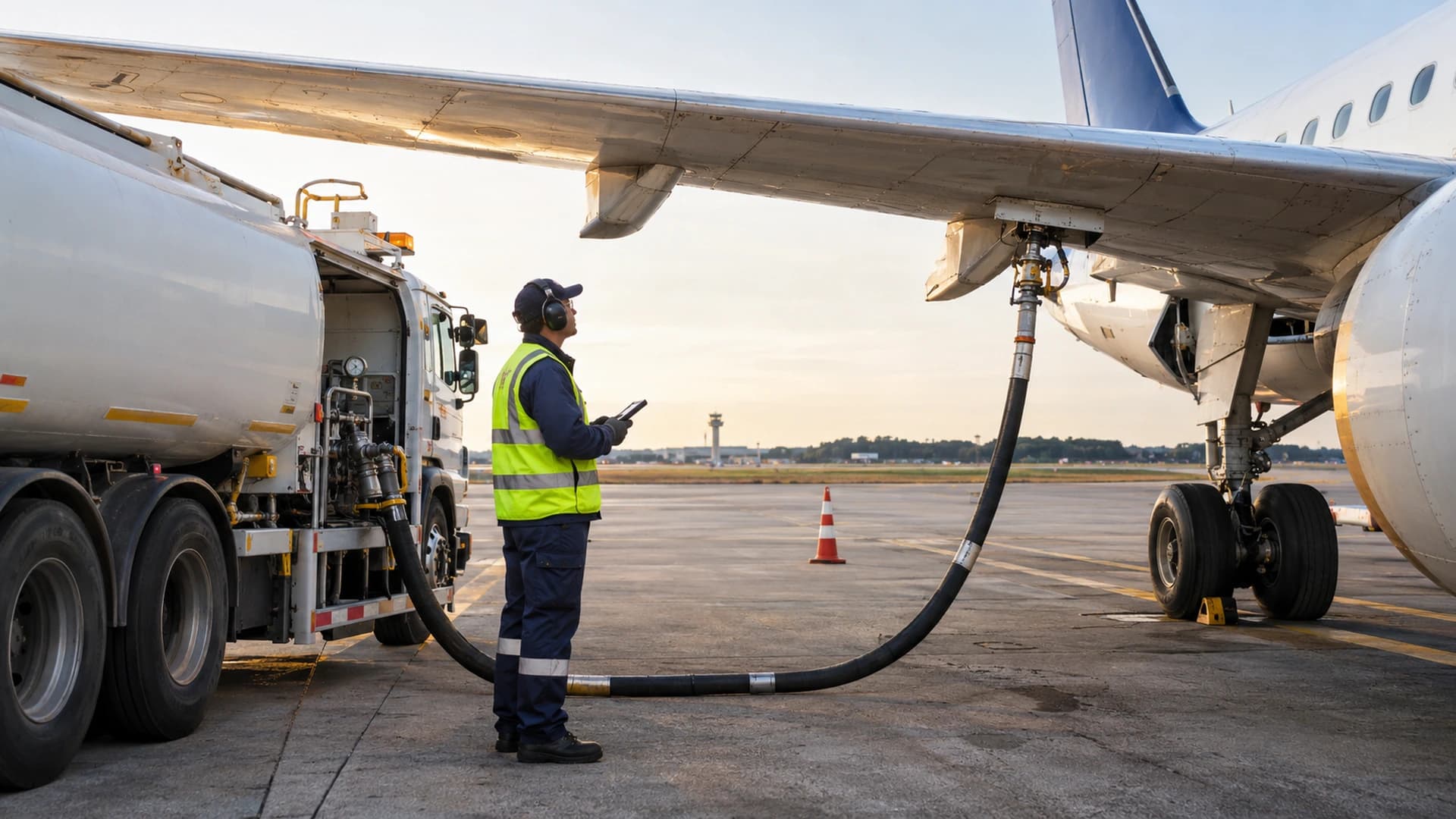
Jet fuel is a major airline expense, and its price can move in response to events well beyond an individual airline's control. A rise in fuel costs affects operators differently depending on their routes, purchasing arrangements and other circumstances. Some airlines use hedging to reduce exposure to short-term movements, but hedging is not a permanent shield against sustained price increases.
IATA's June 2026 industry outlook described a major fuel shock and its consequences for airline costs. IATA also reported that airlines had hedged roughly one third of their expected 2026 fuel consumption globally. That is an industry estimate, not the position of every carrier or a measure of how a South African airline manages its fuel purchasing.
A rise in an airline's costs does not translate automatically into an identical percentage increase in every fare. Airlines make decisions across routes and products, and travellers may respond to higher prices by changing dates or postponing trips. Other operating costs and competitive conditions also matter. The relationship between fuel and an individual ticket price is real but not simple enough to predict a fare from the oil price alone.
For travellers, the practical implication is that a quoted fare is a point-in-time offer. Compare the total cost, not only the headline price, and consider whether the available terms suit your plans. A global fuel statistic cannot tell you whether a particular ticket will be cheaper next week.
Aircraft and spare parts are not instantly available
An airline cannot always respond to strong demand by adding another aircraft immediately. It needs the aircraft itself, the right crew, maintenance capacity and an operational schedule that fits the airports and routes involved. If deliveries or components are delayed, an operator may need to retain older aircraft longer, rearrange maintenance or adjust its network.
IATA's aviation supply-chain overview describes pressure associated with spare parts, maintenance and delayed aircraft, and estimates that such challenges cost the airline industry more than US$11 billion in 2025. That is IATA's global estimate and should not be read as the cost to any specific airline or country.
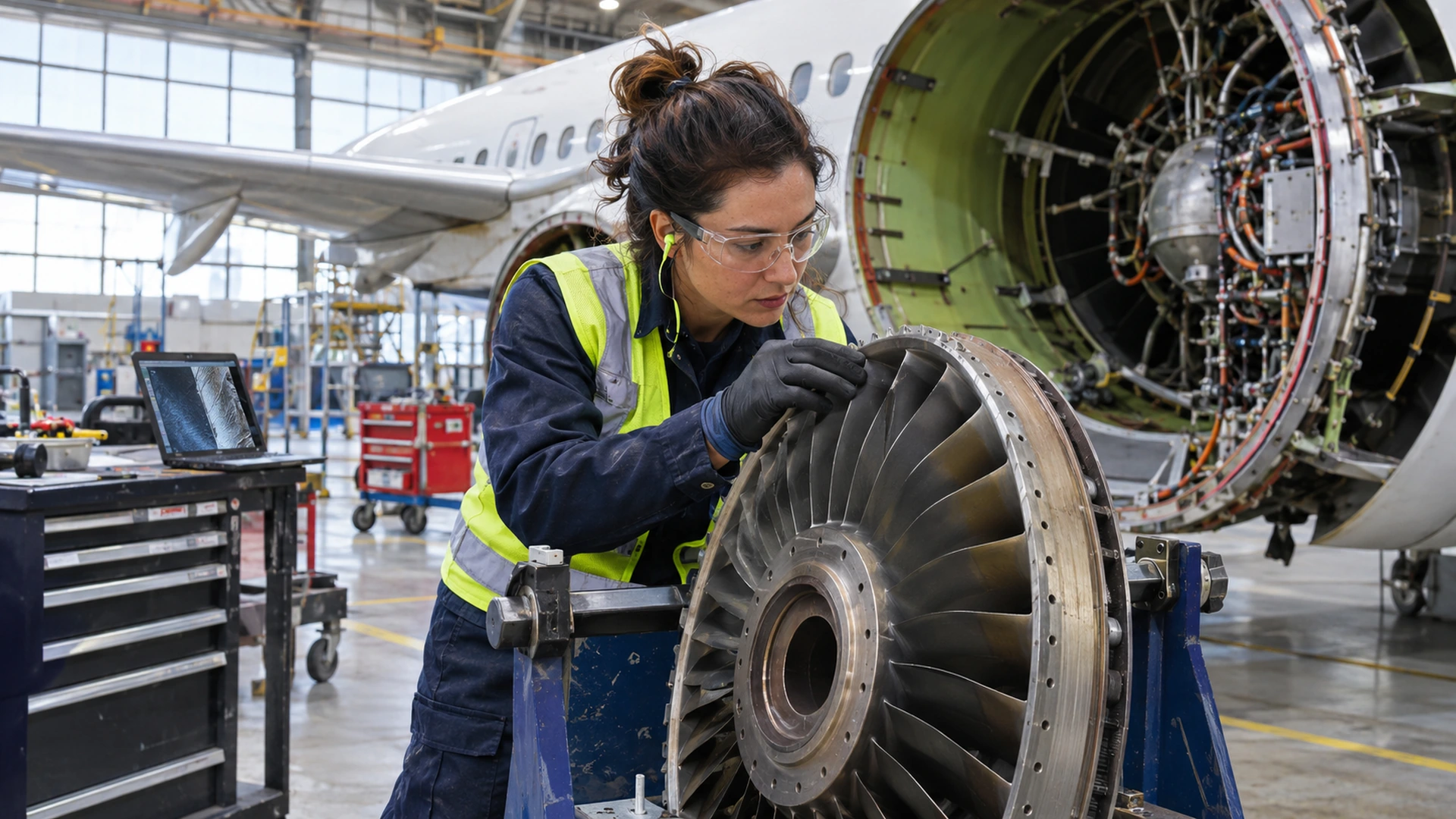
Maintenance is a necessary part of operating safely. A delay in obtaining a part does not mean an aircraft should be flown without the required work. It can mean that the aircraft stays out of service longer and the airline must find another way to cover planned flying. Substitution may be possible, but it depends on the fleet, available capacity and regulatory requirements.
The passenger may see only a schedule change or a flight that is no longer available at a preferred time. The underlying cause cannot be identified from that outcome alone. Travellers should rely on the airline's specific updates rather than assuming that every cancellation has the same explanation.
Airports and airspace have limits too
A flight needs more than an aircraft and a runway. Airport stands, terminal space, security screening, baggage systems and air traffic services all contribute to the journey. At busy times, capacity constraints in one part of the system can affect the rest. Weather or operational disruption can make coordination harder still.
A connection through a large airport illustrates the challenge. Passengers and bags need enough time to move between flights, and airlines must schedule aircraft and crews through a network. A late inbound flight can affect later services if there is insufficient spare capacity. The reason and impact vary by event, and an individual delay should not be attributed to a particular organisation without evidence.
Airports also need to maintain and improve infrastructure while continuing to serve travellers. Investment decisions can affect charges and long-term capacity, while construction or system changes may introduce temporary operational constraints. Different parties fund and manage different parts of the system, so there is rarely one switch that can make a busy airport work better overnight.
For passengers, the useful response is to check current flight and airport information, allow appropriate time for the journey and follow airline instructions. If assistance is needed, use the official airline or airport contact channels. An airport's advice does not replace the specific check-in or boarding deadlines set for the flight.
Demand changes by route, season and time
Airlines must decide how many seats to offer before knowing exactly how many people will book each flight. Demand varies by route, day and season. A service that fills at one time may have many empty seats at another. School holidays, events and business schedules can concentrate demand, while quieter periods may make a flight harder to sustain.
A larger aircraft can offer more seats but may cost more to operate. More frequent flights can give passengers a better choice of times, but require aircraft, crews and airport capacity. Serving a smaller market can provide important connectivity while making it harder to spread fixed costs across a large number of passengers. Each route has its own economics.
This helps explain why the number of seats available and the amount charged can vary even between flights serving the same cities. It does not justify every price, and it does not allow an outsider to infer the precise costs of a particular service. For a customer, it reinforces the value of comparing actual dates and times rather than assuming that a fare found by someone else will be available.
Travellers with flexibility may be able to compare a wider range of departures. Those attending a fixed event have fewer choices and may value the certainty of an itinerary that meets their needs. Neither approach guarantees a particular saving.
Keeping fares clear when products differ
Airline tickets are not all the same product. One fare may include a checked bag, another may charge separately, and change or refund conditions may differ. Separating optional services can give customers a choice to pay for only what they need. It can also make comparisons difficult if the relevant costs or restrictions are hard to see before purchase.
The industry challenge is to present meaningful information early enough for an informed decision. A traveller comparing two prices needs to know whether the difference reflects a bag, a seat, a change condition or a different route. A low headline fare may be suitable for someone travelling light but less useful for a family carrying several bags.
Transparent comparison does not mean every airline must sell an identical bundle. It means that the features and total price should be understandable before payment, and that the traveller can see the conditions that matter. Clear terms also matter after purchase, when a customer needs to add baggage or change a flight.
Passengers can help themselves by building a like-for-like comparison and keeping the confirmation. Ask the provider if an important term is unclear. Do not assume that a feature included on an earlier trip applies to the fare currently being considered.
Disruption tests the whole journey
A flight can be disrupted by weather, technical requirements, airspace restrictions, airport issues or other events. These causes differ, and so do the remedies available under the applicable contract and laws. The immediate passenger experience, however, often involves the same questions: Is the flight operating? What should I do now? Who can change the booking? What happens to my onward journey and baggage?
A clear update needs more than a message that a flight is delayed. Travellers need the latest confirmed information, the appropriate contact channel and a realistic indication of when another update will be provided. When an airline and intermediary are both involved, responsibilities must be understandable. A customer should not have to guess which organisation can act on the booking.
For a separately purchased connection, the consequences may be different from those under a connected itinerary. The ticket structure and relevant conditions matter, and no general article can promise a particular outcome. If a disruption occurs, retain booking records and receipts, ask the responsible provider about available options and check the terms that apply to your circumstances.
Passengers who need assistance, are travelling with children or have medication and other essential needs may face additional difficulty during a long wait. Planning for essentials and giving the airline relevant assistance information in advance can help, although it cannot remove the possibility of disruption.
Technology must work across the journey
Digital booking, online check-in and mobile updates can make travel more convenient, but only when the systems and the information they use work together. An error in a passenger name, an out-of-date contact number or an unclear transfer of a booking between systems can make an otherwise simple task difficult to resolve.
The industry is working on newer approaches to retailing and passenger identity. In October 2026, IATA described progress on Offers and Orders, a move toward modernising how airlines present and manage travel products. IATA said seven airlines were live or implementing Orders at that point, with more expected to follow from 2027. That is an industry association's progress report, not evidence that every booking system has changed.
Digital systems also raise questions about privacy, access and resilience. A traveller may not have a compatible device or a reliable connection, and a system can experience an outage. A good process needs accurate information, support when something goes wrong and appropriate alternatives where available. A digital feature should be assessed by whether it actually helps the passenger complete the task.
Balancing improvement with affordability
Air travel connects families, tourism markets and businesses, but investments in infrastructure, training, fleet renewal and lower-emission technologies all compete for funding. Decisions made to improve one part of the system can affect costs elsewhere. Sustainable aviation fuel, for example, is an area of industry interest, but supply and cost are practical constraints. IATA's June 2026 outlook projected a limited share of airline fuel needs would be met by it during 2026; that projection is not a claim that any particular flight uses it.
The challenge is to improve performance without making travel inaccessible to the people and businesses who rely on it. Policymakers, airports, airlines, suppliers and travellers have different roles, and the balance can vary between markets. There is no single remedy for fuel volatility, limited parts, infrastructure needs and complex fares.
For South African travellers, the most useful response is to assess the choices actually available. Compare schedules and total costs, read the terms, keep records and monitor the flight. Industry statistics explain some of the pressures in the background; they cannot tell you which ticket is best for your trip. Airline Tickets provides a place to explore flight options while you make that comparison.