


Where Humanity Meets the Heavens
Somewhere between the clouds and the curve of the Earth, there’s a world few ever see clearly — a world stitched together by the soft hum of jet engines and the heartbeat of those who live their lives above the clouds. These are the flight attendants, pilots, engineers, and ground crews who carry the rhythm of global travel in their veins.
To passengers, they’re fleeting presences — a smile offering tea or coffee, a voice guiding safety procedures, a face glimpsed under the dim cabin light. But behind that polished poise lies a tapestry of stories as vast and unpredictable as the skies themselves.
This is their world. This is life at 30,000 feet.
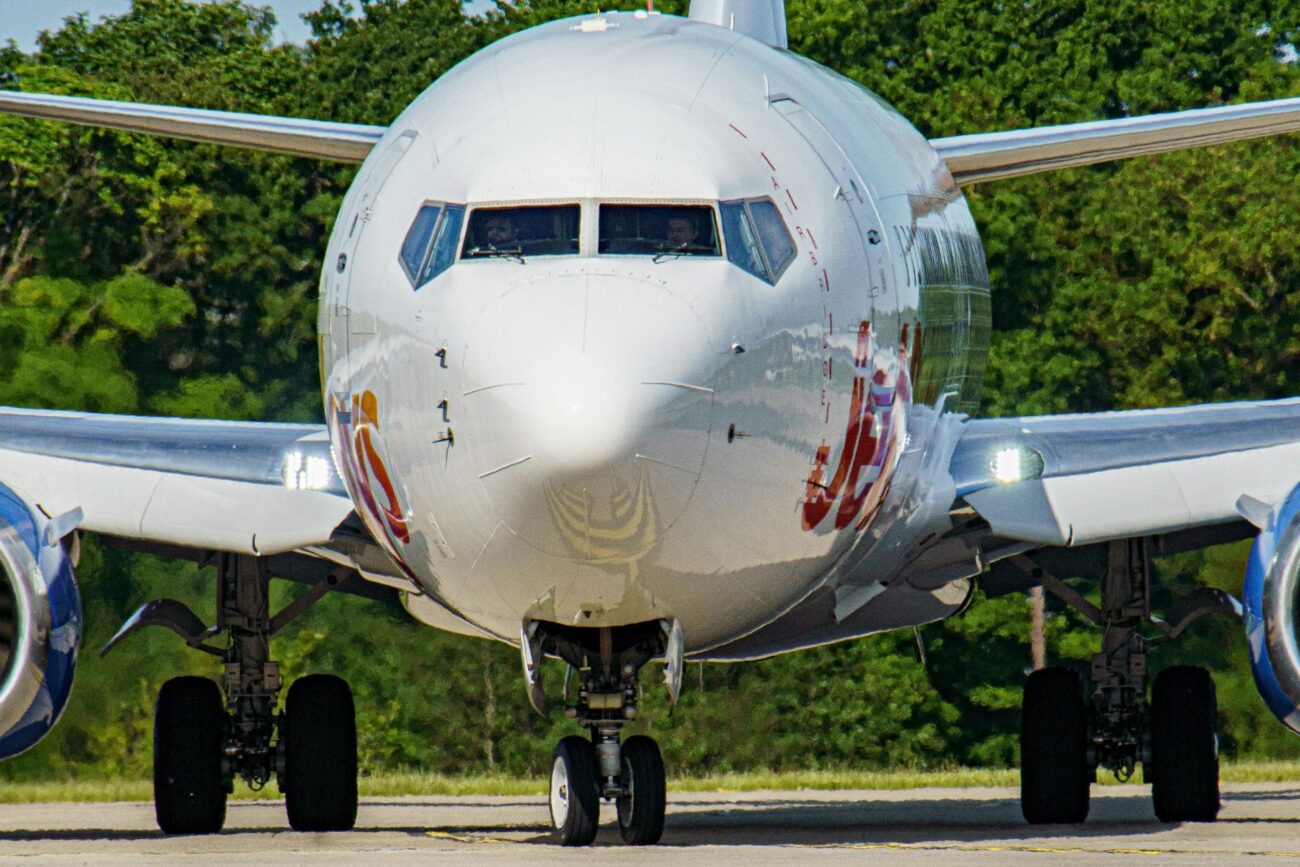
The Sky as a Second Home
For many airline crew members, the airplane isn’t just a workplace — it’s a home that moves. The cabin becomes both an office and a sanctuary, a place where birthdays are missed but lifelong friendships are formed.
“After a while, you stop thinking in hours and start thinking in flights,” says Lucía Fernández, a Spanish flight attendant with Iberia who’s been flying for 17 years. “My life is measured in takeoffs and landings, not days of the week.”
Lucía has flown across every continent, yet she laughs at how little of the Earth she’s actually touched. “I can describe the scent of jet fuel in Madrid at sunrise, or the glow of New York from 10,000 feet — but sometimes I land in a city and never step outside the airport.”
It’s a sentiment shared by many in the industry. Airline crew members live in a curious in-between — citizens of everywhere and nowhere at once. They speak a universal language of time zones, turbulence, and transit lounges, bound by shared experiences that few on the ground could ever truly understand.
The Ritual of Departure
Every flight begins with ritual — one that is invisible to passengers but sacred to those who fly.
At Johannesburg’s OR Tambo International Airport, Captain Sipho Mkhize, a veteran pilot with South African Airways, still feels a pulse of excitement before each departure. “You’d think it would fade after twenty-five years,” he says, his voice rich with calm authority. “But there’s a reverence to it — the moment you walk into the cockpit, the smell of the avionics, the quiet checks before the engines start. It’s the same thrill every time.”
For the cabin crew, those moments before boarding are a choreography of precision. Uniforms are checked. Briefings are held. Safety procedures reviewed. They discuss everything from passenger manifests to meal service quirks — but also the human details that make each journey unique.
“Sometimes we talk about a nervous flyer in seat 23A, or a family traveling for the first time,” explains Emma Boyd, a British Airways purser. “It’s not just logistics — it’s empathy. We’re preparing to take care of hundreds of lives for the next ten hours, and that requires both professionalism and heart.”
That duality — the blending of precision and humanity — defines the best in airline service. Every flight is an act of coordination and compassion.
Between Glamour and Grit
To the public, airline life often glimmers with allure: glamorous uniforms, exotic destinations, the romance of travel. But ask anyone who’s worked a long-haul flight and they’ll tell you — it’s a world of extremes.
Twelve-hour shifts. Jet lag that bends time into something fluid and surreal. Sleepless nights spent in dimly lit crew rest compartments. The human body learns to adapt to oxygen-thin air, erratic meals, and conversations that happen at odd hours across hemispheres.
“People imagine we’re always sipping cocktails on tropical layovers,” says Rina Takahashi, a flight attendant with ANA. “The reality? Sometimes your ‘layover’ is six hours in a hotel room before you fly back again. But we still find magic in small moments — a sunrise over the Pacific, or passengers who say thank you like they mean it.”
In truth, the glamour is there — but it’s quieter, more personal. It’s in the poise of a flight attendant keeping calm during turbulence. In the engineer checking the landing gear at 3 a.m. in freezing rain. In the pilot tracing their route across an ocean lit only by moonlight.
A Symphony of Cultures
Inside the metal tube that crosses time zones, humanity becomes a living mosaic. Crews from multiple countries, languages, and faiths work side by side — their camaraderie transcending borders.
At Emirates’ Dubai hub, the crew roster reads like a mini United Nations: flight attendants from 160 nationalities, each bringing their own flavor to the skies. “On one flight, I had colleagues from Brazil, Japan, Kenya, and Greece,” says Aisha Khan, a senior flight attendant. “We were laughing in five languages and somehow still understood each other perfectly.”
Food becomes an expression of home. On overnight flights, someone might sneak a packet of local snacks or home-made treats into the galley — a quiet act of sharing that bridges continents.
“On long routes, it’s the crew meals that bring us together,” Aisha adds. “You can tell someone’s culture from what they eat when they’re tired.”
That global intimacy — living and working with people from everywhere — gives crew members a view of humanity at its most interconnected. “It teaches you tolerance,” says Lucía. “We fly with people from every background. You stop seeing differences and start seeing stories.”
The Passengers They’ll Never Forget
Ask any crew member about the passengers who’ve stayed with them, and their eyes soften.
There was the elderly man traveling alone to scatter his wife’s ashes over the sea. The mother flying home after her child’s surgery. The nervous flyer who held a flight attendant’s hand during turbulence — and sent flowers to thank her later.
These small human moments linger long after the flight ends.
“One day, I saw a little boy — maybe five years old — staring out the window during takeoff,” recalls Captain Mkhize. “He turned to his mother and whispered, ‘Mom, the Earth is moving away.’ That sentence… it reminded me why I love this job. We see the world as something vast, but for a child, it’s still full of wonder.”
Flight attendants often act as first responders, mediators, and therapists at 35,000 feet. They’ve delivered babies midair, comforted grieving families, and helped calm passengers through medical emergencies. Beneath the calm professionalism is a depth of care that defines true service.
“We carry stories, not just passengers,” says Emma Boyd. “Every flight leaves something with you — a laugh, a conversation, a moment of grace.”
Grounded Lives, Restless Souls
For all the miles logged and countries visited, airline crews live with a paradox — a longing for both the sky and the ground.
Home becomes fluid. Relationships stretch across time zones. Birthdays are missed, and family dinners happen over FaceTime from hotel rooms.
“You learn to live in fragments,” says Rina, quietly. “You land in one city, sleep in another, and dream in another time zone.”
Yet the trade-off comes with beauty. Few careers offer such a kaleidoscopic view of humanity. The same person who feels homesick at midnight over the Atlantic might, by dawn, be watching the northern lights ripple across Greenland.
Some crew members keep journals; others take photos from cockpit windows — glimpses of auroras, desert storms, and volcanic clouds. Over time, these fragments become a mosaic of their airborne life.
“It’s not just a job,” says Aisha. “It’s a collection of skies.”
When the World Stopped Flying
The COVID-19 pandemic grounded not only planes but dreams. Thousands of crew members were furloughed or retrenched, and the world discovered what silence above the skies truly sounded like.
For people whose lives were measured in flight hours, the stillness was unbearable. “I remember standing at the airport, looking at parked aircraft lined up like sleeping giants,” says Lucía. “It felt like the world’s heartbeat had stopped.”
Some crew members volunteered in hospitals or community projects. Others retrained, waiting for the industry’s uncertain rebirth. But even in the quiet, the call of the sky never faded.
“When I finally flew again, even the smell of the cabin air made me emotional,” says Emma. “I realised that flying isn’t something we do — it’s who we are.”
The pandemic revealed something profound: aviation isn’t just about movement. It’s about connection. It’s the invisible network that stitches the world together — and the people who keep it aloft are its soul.
Beyond the Uniform
Behind every crisp uniform lies a complex identity — artists, parents, students, dreamers.
In their downtime, many crew members pursue creative passions inspired by travel. Some run travel blogs or photography pages documenting life behind the cabin door. Others study online degrees between flights or start small businesses during long layovers.
“Flying teaches you resourcefulness,” says Captain Mkhize. “You learn to adapt to everything — weather, people, time. That adaptability follows you on the ground too.”
For some, the uniform becomes a symbol of discipline and pride. For others, it’s a reminder of resilience — of the countless hours spent keeping the skies safe, calm, and connected.
But whether in Johannesburg or Tokyo, Dubai or Madrid, the sentiment remains the same: being crew means carrying a little piece of the world wherever you go.
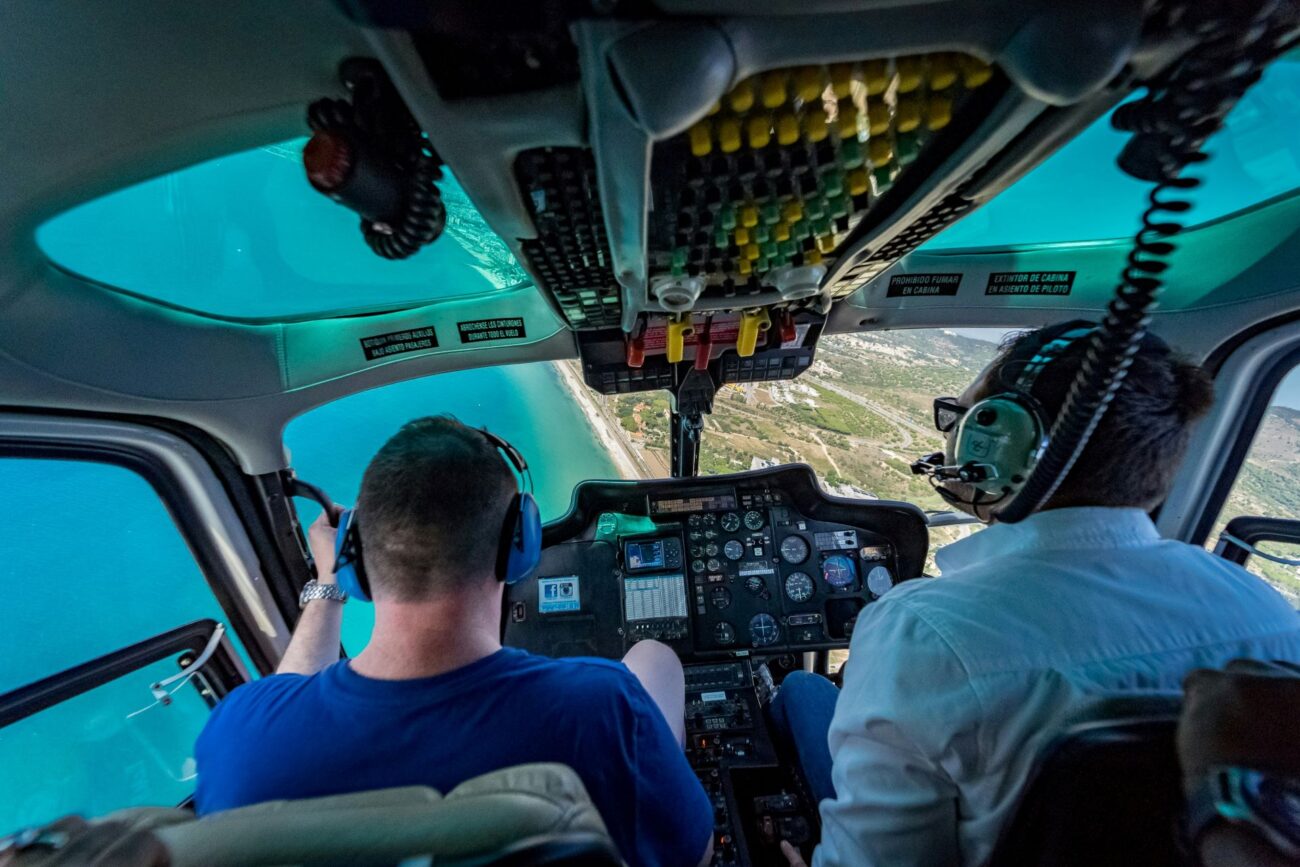
The Romance of the Unknown
Perhaps the truest allure of airline life lies in its unpredictability. Each flight is a blank page, a journey that could bring laughter, crisis, or wonder.
“You never know what kind of day you’ll have,” says Aisha. “You might see the most spectacular sunset of your life… or you might be cleaning up spilled coffee in turbulence. But every flight reminds you that you’re alive.”
Pilots speak of “chasing dawn” — those flights that race the sunrise, turning the cockpit into a canvas of molten gold. Cabin crew speak of quiet moments when passengers sleep and the cabin hums like a lullaby.
In those rare pauses, they look out the window and see the Earth suspended in darkness, clouds glowing in the moonlight, stars scattered like sparks across the sky. It’s a perspective few ever experience — a reminder that humanity, for all its complexity, shares one fragile, floating home.
Stories from the Galley
Every airline crew has its folklore — the unspoken tales that circulate between flights and layovers.
Emma remembers serving the Dalai Lama once, who smiled and told her, “Flying is proof that humans can rise above their fears.” Lucía once had a flight where the entire cabin broke into song after landing in Buenos Aires — passengers and crew united in spontaneous joy.
Captain Mkhize once had to divert a flight to Nairobi because of a medical emergency. “The passenger survived,” he says, “and two years later, they sent me a letter to say thank you. It reminded me that every decision we make up there truly matters.”
These anecdotes rarely make headlines, but they form the living heartbeat of aviation — small acts of humanity that unfold quietly above the clouds.
Layovers: The Art of Being Elsewhere
Layovers, though brief, become windows into other worlds. Some crew members explore cities with the hunger of first-time travellers. Others seek stillness in the anonymity of hotel rooms.
“Sometimes I don’t sightsee at all,” Rina admits. “I just walk through a local market, buy coffee beans, talk to a vendor. That’s enough to feel connected.”
Many crews develop rituals — a favorite café in Paris, a sunrise walk along the Yarra in Melbourne, a secret bookstore in Singapore. These little anchors turn a transient lifestyle into something deeply personal.
For Emma, it’s about perspective. “Flying teaches you gratitude. You see wealth and poverty, kindness and cruelty, beauty and chaos — often in the same day. It changes you.”
The Future of Flight, and Those Who Fly
As the aviation industry evolves toward sustainability and new technology, the heart of flight remains unchanged — its people.
Electric and hybrid aircraft are reshaping short-haul routes. Artificial intelligence is redefining scheduling, maintenance, and even customer service. Yet no algorithm can replicate the intuition of a crew member comforting a frightened passenger, or the calm of a pilot making a life-saving decision in turbulence.
“The machines may fly smarter,” says Captain Mkhize, “but it’s still the humans who make flying human.”
As new generations join the industry, the culture of storytelling endures. Mentorship programs, training academies, and crew lounges become places where wisdom is passed down — tales of old aircraft, legendary routes, and the first time someone saw the curvature of the Earth from 38,000 feet.
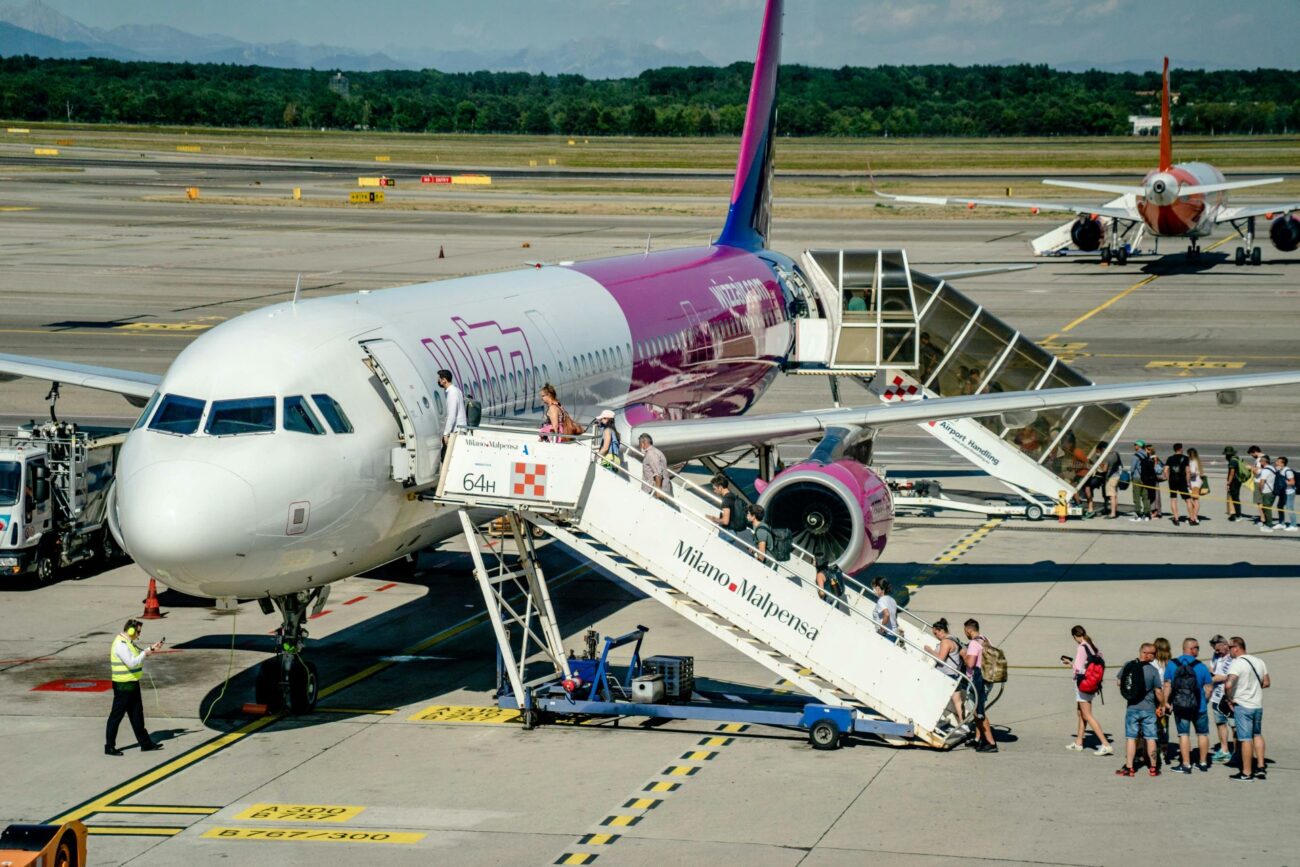
Carrying the World, One Flight at a Time
For those who’ve spent their lives between horizons, the question isn’t why they fly — it’s why they can’t stop.
“Every time I see a plane take off,” Lucía says softly, “I feel something pull at me. It’s the sound of purpose.”
Airline crews are the unseen narrators of our global movement — witnesses to beginnings and endings, reunions and farewells. They carry laughter, anxiety, love letters, and dreams through the air, connecting worlds that might otherwise never touch.
They’ve watched sunrises over the Andes, lightning over the Atlantic, and the shimmer of cities awakening below. And through it all, they’ve remained steady — the quiet custodians of the sky.
Because above the noise, above the altitude, above the endless horizon, they know something the rest of us sometimes forget:That every journey, no matter how routine, is still a miracle.