


Setting the Table at 35,000 Feet – The Rise of Culinary Identity in the Sky
In the early decades of commercial aviation, food on board was a purely functional affair. Meals were built for logistics, not for storytelling. Sandwiches wrapped in wax paper, reheated casseroles, and generic coffee were the norm, their only goal to keep passengers full and quiet during the journey. Yet as airlines grew into national symbols and began competing not only on price and punctuality but also on prestige, in‑flight dining transformed into something far more ambitious: a stage on which cultural identity could be performed. The cabin became a microcosm of a country’s hospitality, and the meal tray became a canvas for national pride.
Today, when a passenger books a flight with Japan Airlines, Turkish Airlines, Emirates, or South African Airways, they aren’t just reserving a seat to get from one point to another. They are entering an airborne embassy where culinary diplomacy unfolds one course at a time. The menus they receive are as much about taste as they are about narrative. Airlines have discovered that the meal can be a sensory extension of the destinations they represent—one that begins the journey long before wheels touch down on a runway. This shift, which began in the 1980s with the rise of long‑haul international travel and intensified in the 2000s with social media, has become central to airline tourism. The food served at 35,000 feet isn’t merely sustenance. It’s marketing. It’s culture. It’s a promise of authenticity.
This change didn’t happen overnight. It evolved alongside the realisation that airlines were uniquely positioned to project national identity beyond borders. Governments had long used flag carriers as flying billboards for their countries. Uniforms echoed traditional dress; safety videos subtly incorporated landscapes and landmarks. But food was the most immediate and intimate expression of identity, and for a long time, it lagged behind. The challenge was technical: limited galley space, high-altitude taste bud dulling, and the need to pre‑prepare dishes hours in advance all seemed to conspire against authenticity. Yet airlines realised that if they could master those obstacles, they could win hearts and minds before passengers even disembarked.
Consider the difference between a generic chicken-and-rice meal served on a transatlantic flight in the 1970s and the curated menus of today. When Singapore Airlines partnered with acclaimed chefs in the early 2000s to design its “Book the Cook” programme, it signalled that the stakes had changed. Passengers could pre‑select dishes inspired by Singapore’s rich culinary heritage—think laksa, satay, or beef rendang—and have them freshly prepared for their flight. This wasn’t just about elevating taste; it was about transporting the diner to the hawker stalls of Maxwell Food Centre before their plane had even begun its descent over Changi. Other carriers soon followed.
For many airlines, curating menus has become a delicate balancing act between authenticity and accessibility. Passengers come from every corner of the globe, with wildly different palates and dietary restrictions. Serving a dish steeped in national tradition may delight one passenger but confuse or overwhelm another. That tension—between preserving cultural integrity and appealing to a cosmopolitan audience—has become one of the defining creative challenges of in‑flight gastronomy. It’s why you’ll often see a national dish offered alongside a Westernised “safe” option, or a signature ingredient incorporated into a globally recognisable format. South African Airways, for instance, has been known to feature bobotie, a Cape Malay curried mince dish, but present it with mashed potatoes and vegetables in a way that feels familiar to international travellers. The trick is to invite, not intimidate.
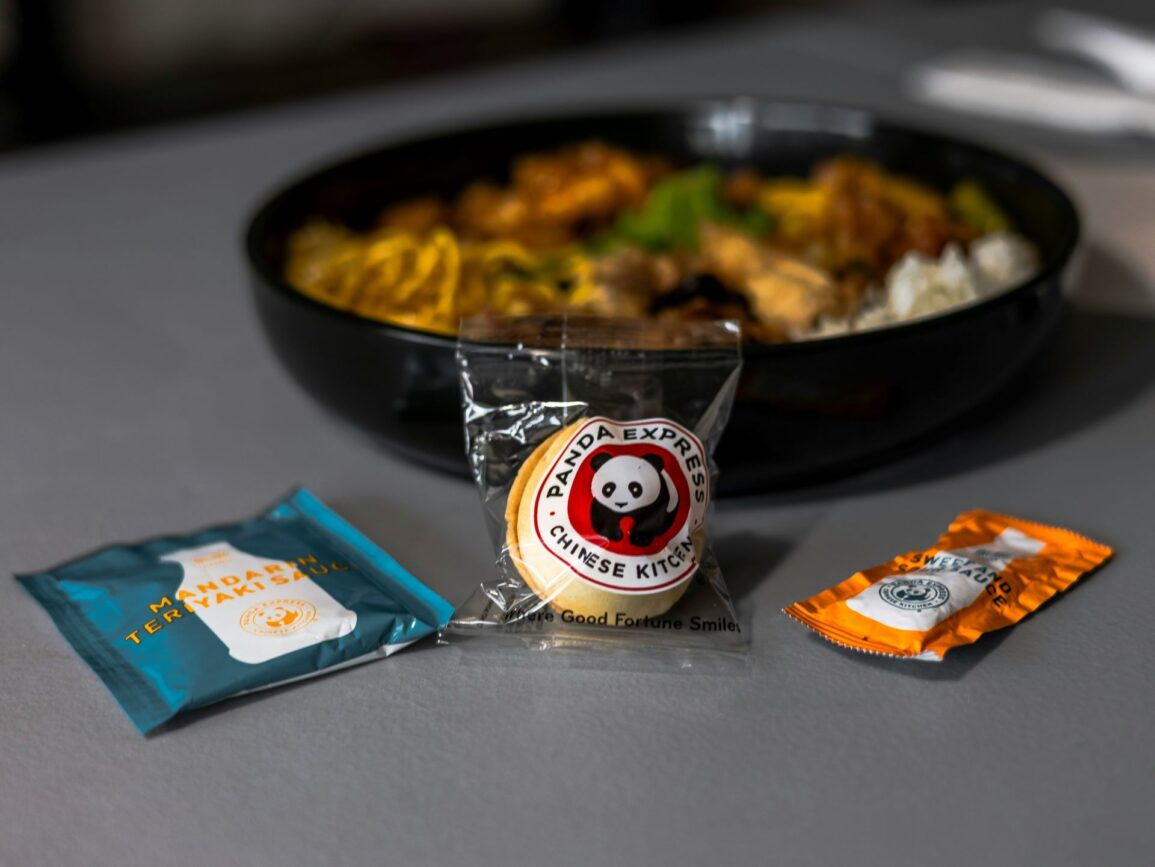
This first section of our journey through in‑flight dining also requires acknowledging the profound sensory differences of eating at altitude. The dry cabin air and pressurised environment reduce our ability to taste sweet and salty notes by as much as 30 percent, while umami tends to remain more stable. Airlines have learned to tweak recipes accordingly—boosting spices, increasing acidity, or highlighting umami-rich ingredients like tomatoes, mushrooms, and soy—to ensure their national dishes still sing above the clouds. Lufthansa’s catering arm famously works with sensory scientists to reengineer recipes specifically for cabin conditions, a practice that has influenced carriers from ANA to Air France. In this way, airlines aren’t merely recreating national dishes—they’re reinventing them for an entirely new environment.
What’s fascinating is how these choices have become part of the tourism experience itself. For many travellers, especially those on long-haul journeys, their first encounter with a destination’s cuisine happens not in a restaurant but in a seat that barely reclines. That moment carries weight. It can set expectations, shape perceptions, and even build anticipation. Emirates understands this well, weaving Middle Eastern staples such as mezze platters and saffron-infused biryanis into its menus while serving Arabic coffee and dates as a welcome gesture. This is more than hospitality; it’s theatre. It says: you are not just flying to Dubai—you are entering the Emirates’ world.
This blending of cultural identity and customer experience also has powerful implications for brand loyalty. In the competitive landscape of international aviation, where seat pitch, IFE screens, and frequent-flyer perks often blur together, food can be a differentiator that sticks in a passenger’s memory. A particularly well-executed meal at altitude can generate the kind of word-of-mouth and Instagram buzz that no ad campaign can buy. Think of ANA’s kaiseki-style business-class meals, Qatar Airways’ Middle Eastern mezze with warm Arabic bread, or Air New Zealand’s partnership with Kiwi celebrity chefs to deliver modern takes on classic New Zealand flavours. These aren’t just meals; they’re strategic brand touchpoints designed to evoke national identity and win loyalty long after the flight.
It’s worth noting, too, that this culinary strategy extends beyond premium cabins. While business- and first-class passengers enjoy the most elaborate expressions of national cuisine, economy-class travellers are increasingly seeing improved offerings that reflect a carrier’s roots. Air India, for example, continues to serve regional Indian vegetarian options in economy, while Ethiopian Airlines showcases injera and wot (a spicy stew) even on its more affordable seats. This democratisation of culture at altitude underscores a larger trend: food as a universal brand language, accessible to all passengers, not just the elite few.
As airlines lean harder into sustainability and local sourcing—topics we’ll explore in later sections—these efforts become even more intertwined with national storytelling. Showcasing locally sourced ingredients not only strengthens a carrier’s sustainability credentials but also deepens its connection to place. When Finnair serves wild-caught perch from Finnish lakes or cloudberries from Lapland, it isn’t just delivering a meal; it’s delivering a sense of origin, a narrative of provenance that resonates with eco-conscious travellers seeking authenticity.
Ultimately, the rise of culinary identity in the sky represents a new chapter in airline tourism itself. The journey no longer starts at the destination airport; it begins with the first tray table lowered, the first foil lid peeled back, the first aroma wafting through the cabin. It’s a sensory handshake between airline and passenger, an unspoken invitation to experience a culture not just visually or verbally but gustatorily. And in an age where travellers are craving experiences over commodities, that handshake can be the difference between a forgettable flight and one that lingers in memory long after the luggage carousel.
This is where our exploration begins: at the intersection of aviation, tourism, and gastronomy. In the next section, we’ll step inside the kitchens on the ground and galleys in the sky to see how airlines actually curate these menus—from collaborations with celebrity chefs to sourcing local ingredients and designing dishes that survive the harsh environment of high-altitude dining. But for now, it’s enough to recognise that the tray in front of you is no longer just a meal. It’s a story—one written in spices, textures, and national pride, served at 35,000 feet.
Behind the Galley Doors – Crafting Menus that Soar
What passengers see on their tray tables is only the tip of the culinary iceberg. For every meticulously plated dish, there exists a vast, intricate network of planning, logistics, and creative ingenuity designed to translate a nation’s cuisine into a format that can survive both altitude and time. Airline menus are the result of months, sometimes years, of collaboration between chefs, caterers, nutritionists, and supply-chain experts. This is where the artistry of cultural storytelling meets the rigor of aviation logistics—a delicate balancing act that determines whether a dish will delight or disappoint.
Airline kitchens on the ground, often sprawling operations the size of mid-sized restaurants, are where national identity first meets practicality. Lufthansa’s LSG Sky Chefs facility in Frankfurt, for example, produces thousands of meals daily for flights spanning six continents. Each menu item is tested extensively to ensure that flavors remain consistent in the pressurized, dry cabin environment. Herbs and spices are calibrated to maintain vibrancy, proteins are cooked to precise temperatures to avoid overcooking during reheating, and sauces are reformulated to survive storage without separating or losing texture. In effect, these kitchens are laboratories of taste, where science and culture converge.
Collaboration with celebrated chefs has become a key tool for airlines seeking to amplify their cultural voice. Japan Airlines frequently partners with renowned Japanese chefs to design meals that echo the culinary traditions of the islands, from intricately arranged bento boxes to delicate seafood preparations. Qatar Airways enlists local culinary experts to ensure that Middle Eastern dishes feel authentic, balancing tradition with the practical realities of high-volume production. These partnerships aren’t merely cosmetic; they inject a sense of pride and provenance into every dish, making passengers feel that they are tasting a genuine slice of the country’s heritage.
But the challenge extends far beyond the kitchen. Ingredient sourcing is a critical component in crafting a truly representative menu. Airlines increasingly prioritize local and seasonal produce, both to reinforce authenticity and to support sustainability initiatives. Air New Zealand, for instance, features lamb, seafood, and produce sourced from local farms, integrating flavors that define the nation’s culinary identity. Finnair’s menus highlight Lapland’s wild berries and fish, while Ethiopian Airlines incorporates locally grown teff for traditional injera. Each ingredient is a small ambassador of its homeland, carrying the story of geography, climate, and culture into the sky.
Logistics, however, remain a formidable hurdle. Meals must be prepared well before takeoff, stored in chilled conditions, transported to airports, loaded onto aircraft, and reheated at precise intervals—all without compromising flavor, texture, or presentation. For long-haul flights, coordination is even more complex, as catering teams must account for multi-leg journeys, diverse passenger demands, and last-minute changes. The concept of “just-in-time” production has become essential: chefs must anticipate passenger numbers, special requests, and menu rotations with remarkable accuracy to minimize waste while maintaining quality.
Once meals reach the aircraft, the galley becomes the final arena for transformation. Here, cabin crew execute a choreography that balances efficiency with elegance. Tray assembly, reheating, portioning, and plating must be completed under strict timing constraints, often while simultaneously preparing hundreds of other meals for passengers with varying dietary needs. It is in this cramped, high-pressure environment that the vision of the ground-based chef finally materializes into an experience for the traveler. The precision required is akin to a live performance: every garnish, every folded napkin, every drizzle of sauce contributes to a narrative of taste and cultural identity.
The design of the menu itself also reflects careful storytelling. Airlines frequently craft meal sequences to mirror traditional dining experiences, even at altitude. Appetizers, mains, and desserts are chosen not just for flavor compatibility, but to evoke national dining rhythms. French carriers often highlight regional cheeses, breads, and desserts that mirror a country dinner, while Singapore Airlines may feature multiple small plates in a style reminiscent of a hawker’s spread. By structuring meals in this way, airlines subtly educate passengers on cultural norms and culinary hierarchies, turning an ordinary flight into a miniature cultural immersion.
Innovation has become a hallmark of modern in-flight gastronomy. Emirates has experimented with molecular gastronomy elements to reinterpret traditional Emirati flavors, while Delta Airlines in collaboration with US celebrity chefs offers regionally inspired menus that rotate seasonally. Even in economy class, innovation is visible in how airlines creatively present culturally specific meals within the constraints of pre-packaged trays. Packaging itself has become a storytelling tool, with patterns, colors, and materials reflecting national art, landscapes, or folklore, subtly reinforcing the sense of place even before the first bite.
Dietary inclusivity also plays a pivotal role in menu design. Airlines increasingly recognize that celebrating culture doesn’t mean imposing dietary norms. Vegetarian, vegan, gluten-free, and religiously compliant options are not mere afterthoughts but thoughtfully designed dishes that maintain cultural authenticity. For instance, Air India ensures that its vegetarian offerings reflect the country’s rich regional diversity, with dishes like paneer tikka, chana masala, and dal makhani thoughtfully adapted for mass catering. Similarly, Middle Eastern carriers provide halal-certified meals that remain true to traditional flavors while accommodating dietary needs. The goal is clear: to extend the cultural narrative to all passengers, ensuring no one is excluded from the sensory journey.
The digital era has further amplified the culinary narrative. Online menu previews, mobile pre-order systems, and interactive platforms allow passengers to engage with a flight’s gastronomic story before boarding. Singapore Airlines’ “Book the Cook” service and Emirates’ pre-selection menus enable travelers to learn about ingredients, origins, and preparation methods, turning anticipation into an informed, participatory experience. In essence, passengers begin the cultural journey even before setting foot on the aircraft. This strategy also allows airlines to gather data on preferences, which in turn informs menu innovation and personalization—a trend that increasingly aligns with broader movements in customer-centric airline tourism.
Sustainability is now intertwined with culinary identity, shaping not just what is served but how it is sourced and delivered. Carriers are exploring locally sourced, ethically produced ingredients, as well as packaging solutions that reduce environmental impact without diminishing the passenger experience. Korean Air, for example, has made strides in sourcing seasonal produce from domestic farms and implementing compostable packaging, ensuring that the in-flight meal experience reflects both cultural and ecological responsibility. In doing so, airlines reinforce the narrative that national pride can coexist with global conscientiousness, merging taste, identity, and ethics at 35,000 feet.
Ultimately, crafting airline menus is a feat of orchestration. It demands culinary artistry, scientific understanding of taste at altitude, logistical mastery, and an acute sense of national storytelling. Each meal is the culmination of countless decisions: which ingredient to highlight, how to balance authenticity with accessibility, how to re-engineer textures and flavors, how to respect dietary diversity, and how to weave sustainability into the narrative. The result is an experience that is as much about culture as it is about nourishment—a reminder that the plane, far from being a sterile transport vessel, is a stage on which national identity and tourism marketing meet the palate.
In the next section, we will explore the passengers themselves: the role of perception, expectation, and memory in in-flight dining. We’ll examine how meals influence tourism experiences, shape cultural understanding, and even affect loyalty to airlines and destinations. After all, a perfectly executed dish is only meaningful if it reaches the traveler in a way that resonates with both taste and imagination.
Palates in the Clouds – How Passengers Experience Culture Through Taste
Airline cuisine, no matter how meticulously crafted, only completes its journey when it reaches the passenger’s tray. The interplay between expectation, perception, and memory shapes not only the immediate gustatory experience but also the broader understanding of a nation’s culture. In this sense, in-flight dining becomes an act of storytelling, a bridge between place and palate, where the passenger is both audience and participant in a narrative of taste.
Expectations begin long before the first bite. Passengers anticipate the culinary identity of an airline based on brand, route, and reputation. Emirates, with its emphasis on Middle Eastern opulence, signals that saffron, mezze, and dates await. Air France evokes visions of buttery pastries and delicate sauces, while ANA promises precise, understated elegance in the form of kaiseki-inspired meals. These preconceptions create a psychological stage upon which the in-flight meal will perform. If the flavors, presentation, or aromas align with—or exceed—expectations, passengers experience delight; if they fall short, the story falters.
The uniqueness of dining at altitude adds another layer of complexity. High-altitude conditions reduce sensitivity to sweet and salty flavors while emphasizing umami and acidic notes. Airlines have adapted by adjusting seasoning, using stronger spices, or incorporating fermented ingredients to preserve the depth of taste. The goal is not simply to feed but to replicate, as closely as possible, the sensory experience one might encounter on the ground. A satay served on a Singapore Airlines flight is not merely peanut sauce over chicken; it is a carefully calibrated composition designed to evoke hawker stalls in Singapore, even in the cabin’s artificially pressurized atmosphere.
Presentation, too, plays a pivotal role in passenger perception. In a cramped economy seat or an expansive first-class cabin, the arrangement of food communicates value, care, and authenticity. Artful plating, thoughtfully designed packaging, and subtle garnishes transform a simple meal into a multi-sensory experience. Japan Airlines, for instance, arranges bento boxes with seasonal vegetables in precise geometries, not simply to look attractive, but to reflect the cultural principle of balance and harmony. The passenger is subtly educated in Japanese aesthetics even before the first bite. In this way, the meal serves as an introduction to national philosophies, visual storytelling, and cultural nuance.
Memory and nostalgia are also intertwined with culinary experiences. Meals can evoke childhood memories, regional pride, or even anticipation of a destination. Passengers traveling to Italy on Alitalia may taste freshly baked focaccia or creamy risotto, triggering associations with Italian markets or family kitchens. Those returning home may find comfort in familiar flavors, reinforcing emotional ties to place. Airlines harness this psychological dimension, designing menus that resonate with both international travelers and domestic passengers seeking a connection to home. The emotional resonance of taste has, in many ways, become as important as nutritional value or portion size.
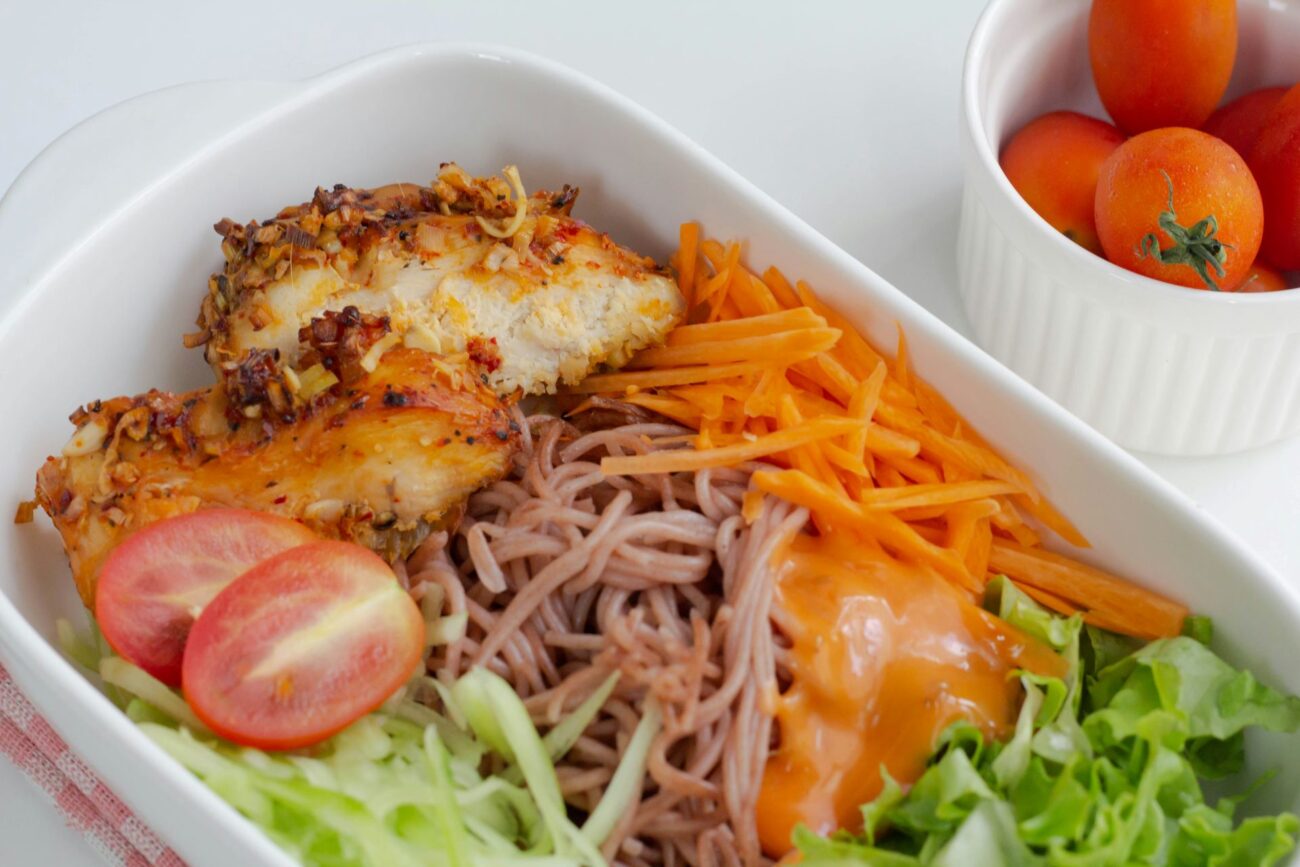
Social media has amplified the experiential dimension of in-flight dining. Instagram, TikTok, and YouTube transform the tray table into a stage. Passengers are no longer silent participants; they are content creators, documenting, reviewing, and sharing the culinary journey with global audiences. Airlines have adapted to this phenomenon, designing meals that photograph well, presenting colors, textures, and arrangements in ways that translate visually as effectively as they taste. Singapore Airlines’ vibrant satay platters or Emirates’ glimmering mezze spreads are as much about visual storytelling as gustatory appeal, turning every passenger into a potential ambassador for the airline and its cultural narrative.
Beyond the visual and sensory, there is the communal aspect of dining. Even in economy, passengers experience a subtle form of shared culture. Observing a fellow traveler enjoying a regional dish, exchanging comments about flavor, or marveling at a unique presentation contributes to the social dimension of taste. In business and first-class cabins, this effect is heightened by curated wine pairings, attentive service, and opportunities for conversation with crew trained in culinary storytelling. The flight transforms into a microcosm of cultural tourism, where food becomes the conduit for interaction and shared discovery.
The influence of dietary trends and health consciousness has further shaped passenger experience. Airlines recognize that flavor alone is insufficient; meals must cater to wellness concerns, ethical considerations, and personal preferences. Vegan, gluten-free, low-sodium, and religiously compliant options are now integral to the menu, rather than exceptions. Turkish Airlines, for instance, balances traditional dishes like kebabs with plant-based alternatives designed to highlight the same regional spices and textures. The modern passenger expects both authenticity and accommodation, creating a complex puzzle for culinary designers seeking to deliver an inclusive yet culturally resonant experience.
The narrative of taste extends to the pacing and sequencing of the meal. Airlines often structure in-flight service to mirror traditional dining rituals, providing an appetizer, main course, and dessert that echo the dining culture of the destination country. French carriers, for example, emphasize the interplay of cheeses, breads, and desserts, reflecting the sequence of a classic French meal. Japanese carriers incorporate seasonal ingredients across multiple small dishes, educating passengers on the subtleties of umami, texture, and balance. This structured approach transforms the act of eating into an immersive cultural lesson, a deliberate choreography that reinforces national identity.
Passenger engagement has also inspired airlines to innovate in unexpected ways. Some carriers now offer tasting menus, themed regional flights, and collaboration with celebrity chefs to create limited-edition culinary experiences. ANA has developed seasonal menus highlighting the flavors of Hokkaido, while Emirates has offered curated menus celebrating Gulf culinary traditions during festive periods. These initiatives not only delight passengers but also position the airline as a custodian of national culture, capable of delivering authentic experiences even at altitude. The flight thus becomes an extension of tourism itself—a prelude, an introduction, and an invitation to explore further upon arrival.
Importantly, the passenger experience is inseparable from perception of the airline brand and, by extension, the destination itself. A well-executed meal can enhance a traveler’s impression of a country’s hospitality, cuisine, and cultural sophistication. Conversely, a poorly received dish can leave lingering disappointment. This link between gastronomy and perception underscores why airlines invest heavily in menu design, training, and sensory research. Meals are more than fuel; they are marketing tools, cultural ambassadors, and memory makers all at once.
Feedback loops from passengers also influence menu evolution. Airlines monitor reviews, social media posts, and in-flight surveys to refine recipes, experiment with regional variations, and introduce new offerings. This iterative process ensures that menus remain dynamic, responsive to changing tastes, and aligned with both cultural authenticity and global culinary trends. Passengers, consciously or unconsciously, shape the story, becoming co-authors of the gastronomic narrative.
Finally, the emotional dimension of tasting culture at altitude cannot be overstated. The sensory pleasures of aroma, texture, and flavor evoke feelings of comfort, curiosity, and anticipation. Passengers often describe meals not only in terms of taste but in terms of their experience—“This reminded me of home,” or “I’ve never tasted anything like this before.” These emotional connections deepen the impact of in-flight dining, ensuring that the cultural narrative persists long after the flight lands. Airlines recognize this power, leveraging it to create loyalty, promote destinations, and position themselves as not just carriers but curators of cultural experience.
In essence, passenger experience transforms airline meals from functional necessity into narrative art. Every bite is a portal into culture, every tray an exhibit of national identity, and every flight a curated journey in taste. The combination of expectation, sensory adaptation, storytelling, and emotional resonance ensures that in-flight dining has become a central pillar of airline tourism. Passengers do not merely consume—they explore, remember, and share.
In the next section, we will delve into the future of in-flight culinary experiences: emerging trends, the role of technology, virtual and augmented reality integrations, and the ways airlines are preparing to continue telling their cultural stories as tastes evolve, preferences diversify, and global travel becomes ever more immersive.
The Next Course – Innovations Shaping the Future of In-Flight Dining
The world of in-flight dining is at a pivotal juncture. Airlines have long leveraged cuisine as a tool of cultural storytelling, brand differentiation, and passenger satisfaction, but the future promises to elevate the experience in ways previously unimaginable. Technological innovation, sustainability imperatives, and evolving passenger expectations are converging to transform the humble airline meal into a multidimensional journey—one where taste, narrative, and sensory immersion coexist in the skies.
Foremost among these innovations is the integration of advanced technology in both the creation and presentation of meals. On the production side, smart kitchens are increasingly employing precision cooking tools such as sous-vide systems and high-tech blast chillers to ensure consistency, freshness, and flavor integrity. Lufthansa and Singapore Airlines have adopted predictive kitchen software that monitors supply chain variables, flight schedules, and passenger meal selections in real-time, enabling chefs to calibrate dishes with remarkable precision. This technological orchestration ensures that even the most complex cultural dishes arrive at 35,000 feet tasting as if they had just been prepared on the ground.
Virtual reality and augmented reality are also beginning to redefine passenger engagement with in-flight cuisine. Imagine donning a lightweight AR headset and being visually transported to the spice markets of Istanbul while sampling Turkish delight on a Turkish Airlines flight, or experiencing the serenity of a Japanese tea garden as you enjoy a meticulously plated kaiseki appetizer aboard ANA. Airlines are experimenting with immersive storytelling to complement gustatory experiences, merging the visual, auditory, and olfactory senses to create a holistic narrative of place. These innovations don’t just entertain—they educate, heightening passenger appreciation of cultural context and culinary nuance.
Data analytics is another powerful driver of culinary innovation. Airlines now collect detailed feedback from passengers on everything from preferred spice levels to dietary restrictions to presentation aesthetics. This information informs menu cycles, enabling carriers to craft dishes that appeal to both traditional tastes and global palates. Emirates, for instance, leverages big data to rotate seasonal Middle Eastern offerings, ensuring that authenticity aligns with contemporary taste expectations. Personalization is poised to become the next frontier, with AI-driven algorithms potentially recommending meals based on individual flavor profiles or previous flight selections. Passengers may soon enjoy menus tailored to their unique culinary preferences, each meal a bespoke representation of a nation’s culture.
Sustainability is no longer a peripheral concern—it is central to the future of airline gastronomy. Passengers increasingly value transparency and ecological responsibility, expecting carriers to source responsibly and minimize environmental impact. Airlines are responding with initiatives such as locally sourced ingredients, plant-based protein options, and compostable or reusable packaging. KLM, for instance, has been experimenting with plant-based innovations, serving sustainable dishes that retain Dutch culinary identity while appealing to eco-conscious travelers. Beyond ingredients, airlines are also examining waste reduction, optimizing meal portions, and employing predictive algorithms to reduce surplus production. In this way, sustainability and cultural storytelling are intertwined, reinforcing the narrative that national pride and environmental responsibility can coexist in the skies.
Innovation is also manifest in culinary collaborations that blur the line between airline gastronomy and haute cuisine. Celebrity chefs and Michelin-starred experts increasingly design exclusive in-flight menus that reinterpret traditional dishes through modern techniques. Singapore Airlines’ collaborations with local chefs elevate laksa, black pepper crab, and other national dishes into meticulously plated, flavor-intense experiences. Delta Airlines partners with American regional chefs to showcase the nation’s culinary diversity, from New Orleans gumbo to Pacific Northwest salmon. These collaborations transform in-flight dining into a form of tourism itself: passengers gain exposure to cultural narratives that extend beyond their destination, effectively “sampling” a nation before even leaving the plane.
The evolution of class-specific dining is another area of innovation. While premium cabins have long been the domain of elaborate meals and curated wine pairings, airlines are now investing in economy-class offerings that reflect cultural authenticity without sacrificing convenience. Regional flavors, visually appealing packaging, and thoughtful menu sequencing are increasingly common across all classes. Turkish Airlines, for instance, ensures that even economy passengers receive dishes reflecting Turkish culinary traditions, while Air India provides regionally inspired vegetarian options that highlight the diversity of Indian cuisine. This democratization of culture ensures that in-flight dining enhances tourism experiences for all travelers, not just the elite.
Passenger interaction with cuisine is also becoming more immersive and participatory. Some airlines are experimenting with gamification and educational components, allowing travelers to engage with meals beyond mere consumption. QR codes on meal trays can link to videos explaining dish origins, ingredient sourcing, and preparation techniques. Virtual chef demonstrations, paired with tasting experiences, transform a flight into an interactive culinary lesson. Such innovations elevate the role of the passenger from diner to participant, deepening engagement with cultural narratives and fostering a sense of connection to place.
Global mobility trends are also reshaping airline culinary strategy. Short-haul flights, often limited to economy service, are increasingly incorporating regional specialties to provide a taste of local culture even on brief journeys. Conversely, long-haul flights are embracing multi-course tasting menus, thematic culinary journeys, and pairings that reflect the entire spectrum of national gastronomy. Airlines are strategically curating menus to offer passengers both familiar comfort foods and adventurous, lesser-known dishes, encouraging culinary exploration while building loyalty to the airline brand.
Technology extends to the supply chain itself, where blockchain and advanced tracking systems ensure provenance, safety, and quality. Passengers increasingly care about where their food comes from, particularly when it represents a nation’s heritage. Airlines can now provide detailed information on ingredient origin, sustainability certifications, and production methods, creating transparency that enhances trust and reinforces the narrative of cultural authenticity. In doing so, airlines position themselves not only as carriers but as ambassadors of culinary integrity.
Finally, future in-flight dining experiences will likely emphasize multi-sensory immersion. Innovations in aroma delivery, tactile packaging, and even sound design—such as the ambient noises of a bustling market or a serene countryside paired with the meal—promise to elevate the experience beyond taste alone. Airlines recognize that cultural storytelling is not limited to flavor; it encompasses atmosphere, emotion, and memory. The meal becomes a holistic encounter, a form of experiential tourism that begins the moment passengers sit in their seats.
The implications for tourism are profound. Airlines are no longer just conduits to destinations—they are platforms for cultural discovery. By integrating technology, sustainability, personalization, and narrative storytelling, in-flight dining transforms from a mere service into a curated cultural experience. Passengers are educated, delighted, and emotionally engaged, creating memories that enhance both the perception of the airline and anticipation of the destination. The sky becomes a theater, with cuisine as the principal performer, elevating air travel from utility to artistry.
As we look toward the horizon, it is clear that the journey of in-flight dining is far from complete. Airlines are exploring ways to further blur the boundaries between travel, tourism, and gastronomy, leveraging every tool—from AI and VR to local sourcing and immersive storytelling—to deepen cultural connection and passenger engagement. The airline meal has evolved from a simple tray of food into a multi-layered experience, one that embodies national pride, culinary heritage, and forward-thinking innovation.
In the final section, we will examine the broader impact of this transformation on global tourism, the ways airlines influence culinary perception abroad, and how passengers themselves become agents of cultural storytelling through their shared experiences. The sky is not the limit—it is the gateway to a world of taste, identity, and discovery.
Culinary Ambassadors – Airlines, Tourism, and the Global Taste Map
Airlines have evolved far beyond their traditional role as mere transporters of passengers. They are now active participants in the global tourism ecosystem, wielding cuisine as a vehicle for cultural diplomacy, destination promotion, and experiential storytelling. Every meal served at 35,000 feet carries implications for how travelers perceive a nation, influencing both their immediate enjoyment and their future travel choices. In this sense, the airline cabin is a microcosm of international gastronomy, a stage upon which culture, branding, and tourism intersect.
Passengers often form their first impression of a country through in-flight cuisine. A traveler flying to Thailand on Thai Airways, for instance, may savor a perfectly balanced green curry or tom yum soup before ever setting foot in Bangkok. The combination of aroma, texture, and flavor primes the senses, creating an anticipatory connection with the destination. Similarly, Air France’s carefully curated menu—complete with artisan cheeses, seasonal vegetables, and classic pastries—introduces travelers to French culinary philosophy long before they see the Eiffel Tower. These early interactions matter: they shape expectations, guide dining choices at the destination, and, crucially, influence perceptions of national hospitality.
In-flight meals also function as subtle educational tools. Airlines employ food to teach passengers about regional specialties, traditional ingredients, and local preparation techniques. Emirates’ mezze platters illustrate the rich tapestry of Middle Eastern flavors, while Singapore Airlines’ laksa and satay educate travelers on the island nation’s multicultural culinary heritage. Even in economy class, dishes are often carefully selected to provide a meaningful cultural snapshot, demonstrating that gastronomy is not the exclusive domain of premium travelers. By transforming meals into cultural primers, airlines extend the influence of tourism beyond the airport, cultivating appreciation and curiosity before passengers even arrive.
The ripple effects extend to destination marketing and loyalty. A traveler enchanted by Japanese-inspired dishes on ANA may be more inclined to explore local sushi bars, street-food stalls, or traditional ryokans upon arrival in Tokyo. Similarly, Air New Zealand’s emphasis on locally sourced lamb, seafood, and produce can inspire travelers to seek authentic farm-to-table experiences in Wellington or Queenstown. In this way, airlines serve as culinary ambassadors, bridging the gap between taste at altitude and immersive tourism on the ground. Meals are no longer isolated experiences—they are part of a continuum of cultural engagement.
Social media amplifies this influence exponentially. Passengers routinely share in-flight culinary experiences, photographing colorful dishes, commenting on flavors, and tagging airlines and destinations. Viral posts can introduce potential travelers to foods and cultures they might otherwise never encounter. A well-executed meal photographed at 35,000 feet can spark interest in a destination, inspire travel itineraries, and even elevate the airline’s brand in the global marketplace. This digital word-of-mouth extends the cultural reach of in-flight cuisine far beyond the cabin, making each passenger a micro-influencer, a storyteller sharing a nation’s culinary identity with the world.
Airlines also shape culinary perception through innovation and modernization of traditional dishes. By reimagining classic recipes for the sky, carriers provide passengers with an experience that is at once authentic and contemporary. For instance, Japan Airlines might serve tempura vegetables with modern plating and flavor twists, while Turkish Airlines may reinterpret baklava or kebabs using contemporary culinary techniques. These adaptations ensure that traditional flavors remain relevant, accessible, and memorable for international travelers, allowing the cuisine to evolve without losing its roots.
Beyond individual dishes, airlines influence broader trends in global gastronomy. As passengers travel, they carry tastes, preferences, and newfound culinary knowledge across borders. A traveler introduced to Ethiopian injera and wot on Ethiopian Airlines may seek out authentic Ethiopian restaurants in New York, London, or Johannesburg. Similarly, exposure to Scandinavian fish dishes or Peruvian ceviche during flights can inspire home cooking or dining excursions abroad. Airlines thus function as conduits for culinary diffusion, disseminating national flavors and practices to a global audience, subtly shaping the international taste map.
The passenger’s role in this ecosystem cannot be overstated. Each bite, review, or social media post contributes to the narrative of a nation’s cuisine and culture. Travelers become co-creators, curators, and promoters of culinary heritage, extending the influence of the airline’s efforts far beyond the flight itself. In this sense, passengers are not passive consumers but active participants in cultural storytelling, sharing their experiences, shaping perceptions, and reinforcing the connection between airline, cuisine, and destination.
Culinary tourism at altitude also dovetails with broader trends in global travel. As travelers increasingly seek experiential and immersive journeys, airlines are uniquely positioned to offer the first chapter of that experience. A meal on board can inspire curiosity, spark culinary exploration at the destination, and create anticipation for the broader travel itinerary. Airlines effectively become both the gateway and the guide, introducing passengers to flavors, ingredients, and dining customs that will define their on-ground adventures. This integration of travel and gastronomy strengthens the role of airlines as strategic partners in tourism, enhancing both the destination’s and the carrier’s cultural footprint.
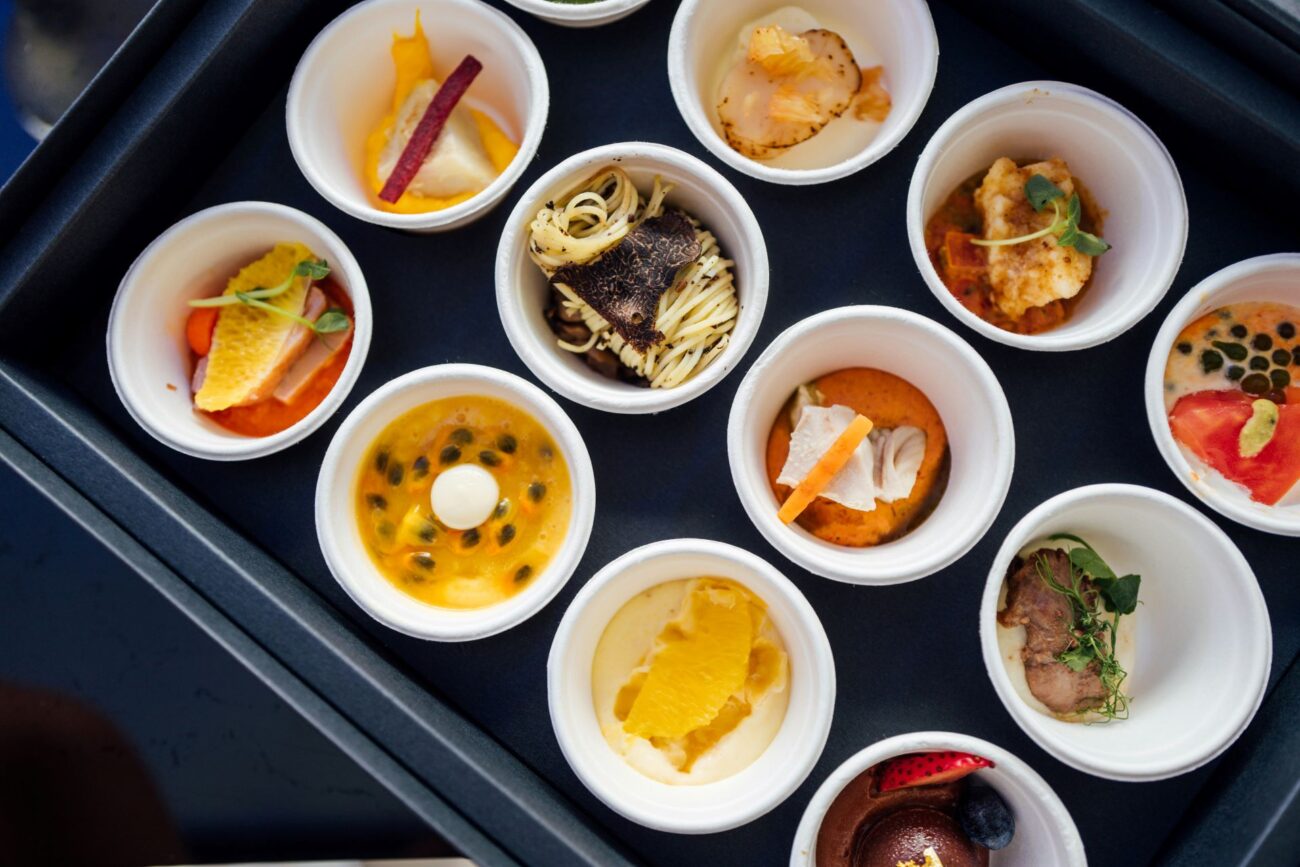
Sustainability remains a critical thread in this narrative. Airlines that prioritize local sourcing, eco-conscious production, and responsible packaging send a message about national values and cultural stewardship. Passengers perceive these efforts not just as operational decisions but as reflections of a nation’s commitment to environmental and social responsibility. Finnair’s use of locally foraged ingredients, for example, communicates both Finnish culinary identity and a broader ethic of sustainability. This dual message resonates with conscious travelers, aligning taste with principle and reinforcing cultural credibility in the global tourism marketplace.
The interplay between tradition and innovation will continue to define the future of airline culinary influence. As global tastes evolve, airlines must balance authentic expression with creativity, ensuring that passengers experience both the familiar and the novel. Seasonal menus, regional specialties, and collaborations with contemporary chefs allow airlines to keep offerings fresh while maintaining cultural integrity. This dynamic approach not only satisfies the evolving palate but also positions the airline as a forward-thinking ambassador of national identity.
Ultimately, the impact of airline cuisine on global tourism is profound. It shapes initial impressions, informs cultural understanding, and inspires exploration. The passenger experience, from the first sip of coffee to the last bite of dessert, becomes a multisensory introduction to a nation’s culinary heritage. Through careful curation, technological innovation, and strategic storytelling, airlines transform meals into instruments of tourism, culture, and brand identity. The skies are not just pathways between cities—they are conduits of taste, tradition, and discovery.
In conclusion, tasting the world aboard an aircraft is more than a meal; it is an immersive cultural encounter. Airlines have harnessed cuisine as a means of storytelling, education, and tourism promotion, turning the tray table into a platform for national pride and global engagement. Passengers participate as co-creators, social amplifiers, and memory-makers, ensuring that the narrative of taste extends far beyond the flight. In-flight dining has evolved from functional sustenance to an art form, bridging nations, connecting cultures, and shaping the global perception of food, travel, and identity.
The journey that begins at 35,000 feet continues long after landing, with flavors remembered, experiences shared, and cultural curiosity sparked. Airlines are no longer just carriers of passengers—they are purveyors of stories, ambassadors of taste, and architects of the global culinary map. Through careful curation, innovation, and engagement, the skies have become a stage upon which the world’s cuisines perform, inviting every traveler to taste, explore, and celebrate the rich tapestry of human culture from the comfort of their seat. The airplane meal is now, and will continue to be, a cornerstone of cultural tourism, an edible passport, and a lasting symbol of the infinite possibilities that arise when flavor meets flight.