


Have you ever boarded a plane and felt the excitement bubbling up before you even reached your destination? Aviation tourism has transformed how we experience travel, shifting the narrative from "getting there" to truly enjoying the journey. Gone are the days when flights were merely a means of transportation. Today, with the rise of luxurious in-flight services, enhanced entertainment options, and unforgettable experiences at 35,000 feet, flying has become a central part of the adventure.
Imagine sipping a cocktail at a lavish onboard bar, enjoying a gourmet meal while gazing at the clouds, or reclining in your private suite with every whim catered to. What was once just a transition has now evolved into a destination of its own, where travelers eagerly anticipate their time in the air. In this article, we'll explore how aviation tourism has become an integral part of modern travel and why more travelers are seeing the flight as an experience worth cherishing.
History and Evolution of Aviation Tourism
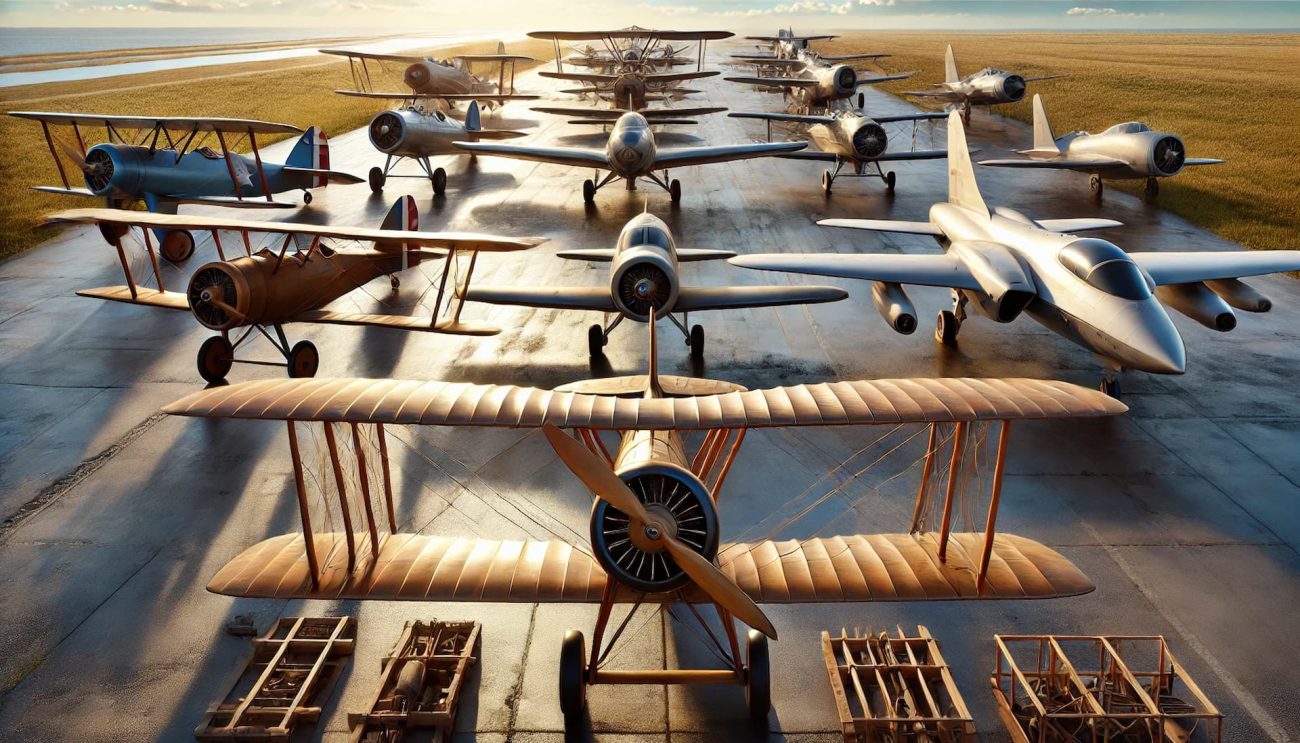
Aviation tourism may seem like a recent phenomenon, but its roots go back to the early days of commercial aviation. The 1950s saw the golden age of air travel, where flying was an exclusive experience for the elite. Airplanes were designed with opulence in mind, and the journey itself was an event. Passengers dressed to impress, flight attendants served exquisite meals, and the entire experience was meant to symbolize status.
As aviation evolved, so did the way people perceived flying. The introduction of jet engines in the 1960s allowed for faster and longer flights, making international travel more accessible. The 1970s ushered in the era of the Boeing 747, the iconic "Jumbo Jet," which revolutionized mass air travel. While flights became more efficient, airlines continued to enhance in-flight offerings to attract passengers. In-flight entertainment (IFE) systems started appearing, offering movies and music to pass the time, while aircraft interiors were designed to be more comfortable and aesthetically pleasing.
The introduction of low-cost carriers in the late 20th century opened air travel to the masses, making flying more affordable and democratizing aviation tourism. Budget airlines like Southwest and Ryanair offered no-frills services but provided a new way for people to travel frequently and cost-effectively. On the other hand, luxury airlines such as Emirates, Singapore Airlines, and Qatar Airways pushed the envelope, creating a dichotomy in aviation tourism: while some travelers embraced affordability and efficiency, others sought indulgence and extravagance.
Today, the aviation industry offers a wide spectrum of experiences, catering to every type of traveler. Whether you're flying on a budget or indulging in the finest luxuries, the flight itself is now a key component of the overall journey.
Features Transforming Flights into Destinations
In recent years, airlines have redefined what it means to fly by offering features that make the time spent in the air an essential part of the experience. In-flight entertainment systems have evolved from overhead screens showing a single movie to personal touchscreens offering a vast library of movies, TV shows, music, and games. Wi-Fi connectivity now allows passengers to stay connected with the world below, whether for work or entertainment, making flights feel less like a suspension of time and more like an extension of everyday life.
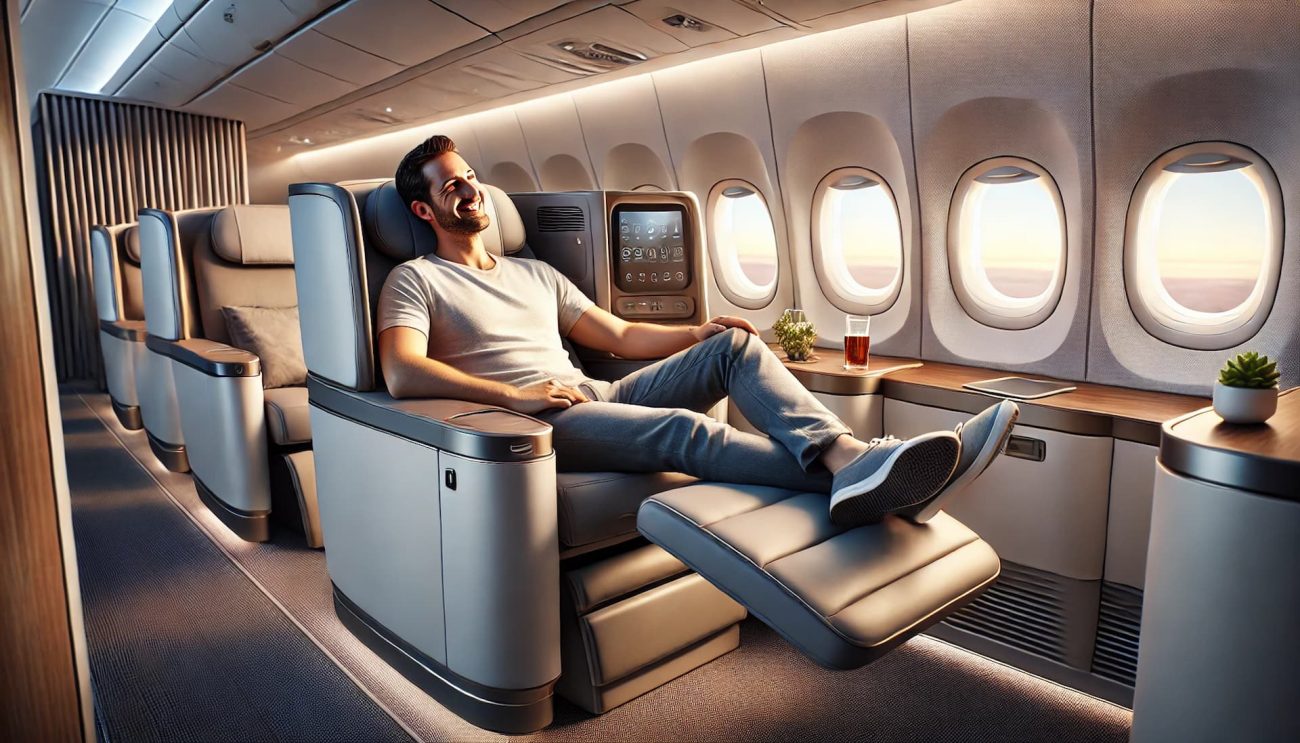
For those flying in premium cabins, the experience becomes even more indulgent. Lie-flat seats, which transform into beds, provide unparalleled comfort for long-haul flights. First and business class travelers can now enjoy personalized service from cabin crew who attend to their every need, offering gourmet meals crafted by renowned chefs, paired with fine wines. Some airlines have even taken the dining experience to the next level by partnering with luxury brands to offer exclusive onboard culinary delights, such as caviar and champagne tastings.
Airlines have also introduced unique onboard features to enhance the flight experience. Take Emirates' A380 aircraft, which boasts an onboard bar where passengers can socialize, sip cocktails, and unwind. Similarly, Etihad Airways' The Residence offers a private three-room suite with a personal butler, allowing passengers to experience the epitome of luxury travel. These offerings have transformed flights into exclusive, immersive experiences that rival five-star hotels on the ground.
In-flight wellness programs are also gaining popularity, with airlines like Singapore Airlines offering relaxation techniques, yoga stretches, and guided meditations to help passengers stay refreshed. Whether it's entertainment, fine dining, or well-being, airlines are continually pushing the boundaries to make flights not just a means of transport, but an unforgettable part of the journey.
Unique Airline Offerings and Programs
Airlines are constantly innovating to elevate aviation tourism. Many carriers now offer programs and services that make the flight a centerpiece of the travel experience. Frequent flyer programs, such as those by Delta, United, and British Airways, reward loyal customers with exclusive perks like upgrades, access to premium airport lounges, and priority boarding. These programs encourage repeat travel by making the entire journey, from check-in to landing, seamless and enjoyable.
For the adventure-seeking traveler, round-the-world tickets offered by airlines like OneWorld and Star Alliance allow passengers to explore multiple destinations with just one ticket, offering flexibility and cost savings. These tickets cater to those who view flying as an integral part of their global adventures, enabling them to craft unique itineraries that span continents.
Themed flights are another exciting trend in aviation tourism. From Halloween-themed flights to Disney-themed journeys for families, airlines like All Nippon Airways (ANA) and Qantas have embraced the idea of turning flights into immersive experiences. Travelers can enjoy in-flight activities, themed decorations, and even special meals tied to the theme of the flight, making every moment of the journey memorable.
Exclusive airport lounges, such as the opulent ones offered by Qatar Airways and Virgin Atlantic, have also become a cornerstone of aviation tourism. These lounges provide a sanctuary for passengers before their flights, offering gourmet dining, spa services, and private suites. For those who enjoy a bit of retail therapy, airlines like Korean Air and Lufthansa offer onboard shopping experiences with luxury brands, allowing passengers to indulge in sky-high shopping sprees.
The Future of Aviation Tourism
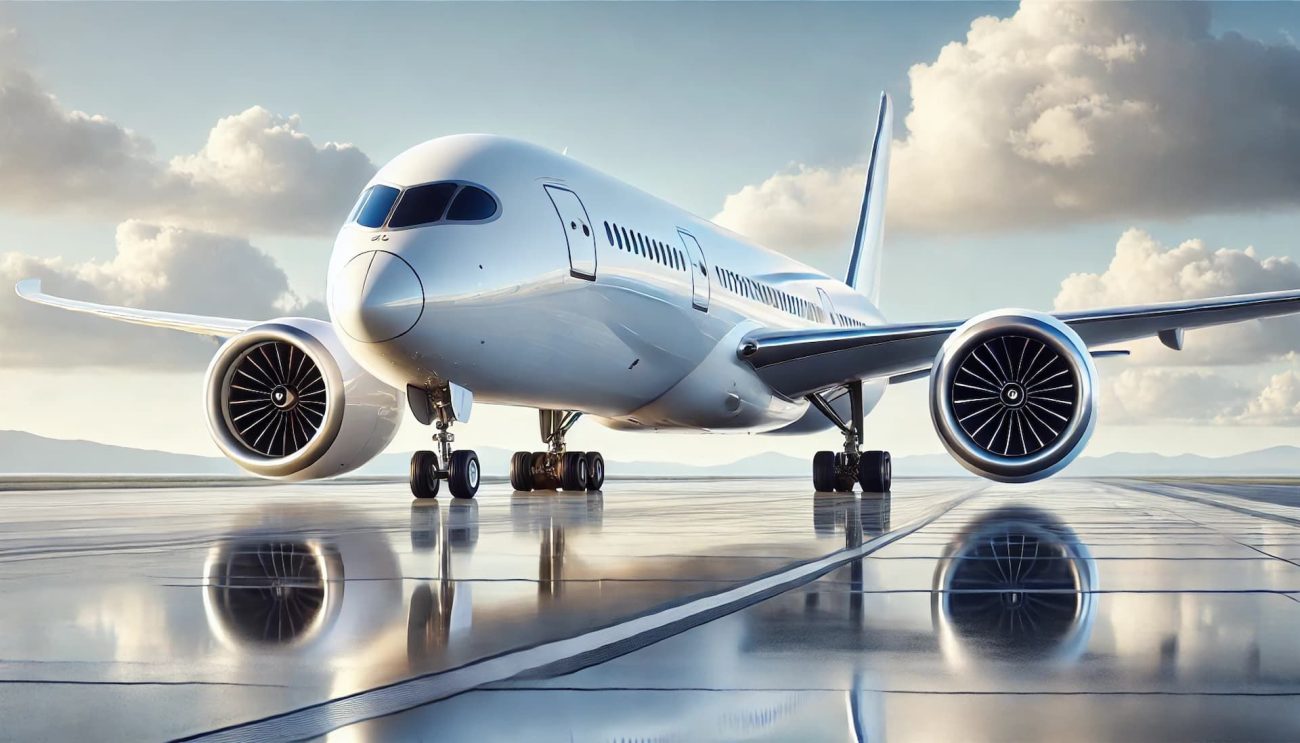
As technology continues to advance, the future of aviation tourism looks promising, with a focus on innovation, sustainability, and personalization. Electric planes, once a distant dream, are now on the horizon. Companies like Airbus and Boeing are investing in electric aircraft technology that promises to reduce carbon emissions and revolutionize air travel. Meanwhile, the resurgence of supersonic travel, with projects like Boom Supersonic’s Overture, promises to cut flight times dramatically, making long-haul travel faster and more efficient than ever.
Sustainability is another key focus for the future of aviation tourism. Airlines are increasingly adopting eco-friendly practices, from using biofuels to reducing single-use plastics onboard. In the years to come, travelers can expect to see more airlines investing in greener technology, such as hydrogen-powered planes and carbon offset programs, as they cater to environmentally conscious consumers.
The future will also see a rise in personalized travel experiences. Artificial intelligence and big data are enabling airlines to tailor in-flight services to individual preferences. Imagine boarding a flight where the cabin crew already knows your favorite drink, preferred entertainment choices, and even your dietary requirements. This level of personalization will make aviation tourism even more enticing, as flights become customized to each traveler’s unique desires.
Travelers' Testimonials and Experiences
The rise of aviation tourism has created a treasure trove of memorable experiences for travelers worldwide. For some, flying is no longer a chore but a cherished part of the journey. Take Sarah, an avid traveler who flies business class regularly. “I used to dread long flights, but now I look forward to them. The lie-flat seats, gourmet meals, and attentive service make me feel like I’m on vacation the moment I board the plane.”
Luxury travelers aren’t the only ones embracing aviation tourism. Budget traveler Mark, who frequently flies with low-cost carriers, shares, “Even though I fly economy, I’ve learned to make the most of the experience. With in-flight Wi-Fi, streaming services, and comfy neck pillows, it’s become part of the adventure.”
For many, it’s the unexpected moments that make aviation tourism unforgettable. “I’ll never forget the time I flew on a Star Wars-themed flight,” says Emma, a film enthusiast. “The entire cabin was decorated like a spaceship, and even the flight attendants were dressed as characters. It felt like I was part of a movie!”
Tips for Maximizing the In-Flight Experience
To make the most of your in-flight experience, there are several strategies travelers can employ. First, when booking your flight, consider timing and seat selection. Opt for red-eye flights if you’re looking for quieter cabins, and always choose a window seat for the best views. Using apps like SeatGuru can help you find the best seats based on legroom, proximity to restrooms, and access to entertainment.
Packing the right items can also enhance your flight. Noise-canceling headphones, a good book, and a travel pillow are essential for staying comfortable. Don’t forget to stay hydrated and bring snacks, as onboard meals can sometimes be limited.
If you have a layover, maximize your time by exploring premium airport lounges or taking a short tour of the city if time allows. Many airlines offer stopover programs that let you explore a destination for a day or two without additional costs. It’s a great way to turn your layover into a mini vacation.
Lastly, make use of loyalty programs. Frequent flyer miles can offer more than just free flights—they can provide upgrades, access to exclusive services, and even discounts on hotels and car rentals. By being strategic with your travel, you can elevate your aviation tourism experience to new heights.
Aviation tourism has transformed the way we travel, making the journey as significant as the destination. Whether you’re flying economy or indulging in first-class luxury, there’s an experience in the air that caters to your needs and desires. With advancements in technology, sustainability efforts, and an emphasis on personalization, the future of aviation tourism promises to be even more exciting.
So next time you book a flight, don’t just think about where you’re headed—relish the experience of getting there. Because in today’s world of aviation tourism, the skies have truly become part of the adventure.