


There’s a moment, just after takeoff, when the engines thunder beneath your feet and gravity momentarily lets go—when the world begins to fold in on itself. Skyscrapers shrink. Rivers flash like fish in sunlight. And if you’re lucky enough to have a window seat, you get the first glimpse of the day’s great performance: the planet, unveiled.
This is a guide for the travellers who still press their noses to the glass, who chase that fleeting sense of wonder somewhere between cloudbanks and coastlines. It’s not about the fastest route or the finest cabin service. It’s about spectacle. The kinds of views that make you fall back in love with flying.
This is for the ones who still choose their seat not for legroom—but for light.

Chapter One: The Romance of Altitude
At 35,000 feet, geography becomes poetry. Coastlines curl like ink-strokes on a scroll. Desert ridges run like old scars across the Earth’s skin. Mountains puncture the clouds like punctuation.
A window seat is a privilege. It’s theatre, it’s gallery, it’s observatory. Unlike aisle-dwellers who trade views for easy access to the lavatory, window seat loyalists opt for stillness and sight. We wait for the curtain to lift. We watch.
Some of us learned to fly in the back of hand-me-down Cessnas, others on transatlantic jets. But regardless of aircraft, the view is a universal language—a silent, staggering narrative only visible to those willing to look.
The world is not flat. From up here, it's wild and rising.
The Golden Rules of Skywatching
Before diving into the world’s most mesmerising aerial scenes, one must learn the essentials:
Pick Your Seat Wisely
Know Your Flight Path
Some routes hug coastlines or traverse mountain ranges. Others arc over endless ocean. When possible, pick flights with scenic trajectories: think Lima to Cusco or Queenstown to Auckland.
Mind the Weather
Avoid cloudy seasons where possible. Equatorial and tropical regions often offer clearer views early in the day, before storms roll in.
Clean That Window
A travel hack as simple as a lens wipe can turn a blurred smear of a sunset into a masterpiece. Be that traveller. Respect the view.
Chapter Three: The Great Views of the World
Here’s a curated collection of flights where the Earth reveals its greatest performances. These aren't just travel routes; they’re aerial pilgrimages.
New York to London (Nighttime Northern Lights)
Fly late and north in the winter months and you may be treated to the green whisper of the aurora borealis curling above the Atlantic. The lights appear suddenly—faint at first, then alive with motion. A ballet above the clouds.
Seat Pick: Left side (A), ideally near the wing for stability but not directly over it.
Cape Town to Johannesburg (Table Mountain to the Highveld)
Departing Cape Town, you ascend above the bowl of the city and the flat-topped wonder that is Table Mountain. As the aircraft banks inland, vineyards stretch like veins across the valleys. The arid highveld soon gives way to the gold-tinged ridges that cradle Johannesburg.
Seat Pick: Right side (F), for a last look at the sea.
Kathmandu to Paro (The Himalayan Hall of Fame)
A short but legendary flight. On a clear day, Mount Everest and several other 8,000m peaks stand sentinel in the distance. The descent into Paro—one of the world’s most difficult landings—takes you through deep river valleys so close you can count the prayer flags.
Seat Pick: Left side (A), camera ready.
Santiago to Buenos Aires (Andean Majesty)
Climbing out of Santiago, the Andes shoot up almost immediately. Snow-capped peaks glitter in silence. Volcanic cones stand proud. Lakes like spilled sapphire pools dot the view. It is a flight that reminds you how new the world still is.
Seat Pick: Left side (A), morning flight preferred.
Sydney to Queenstown (Drama at Every Altitude)
As you leave behind Sydney’s coastline, the Tasman Sea yawns beneath. But it’s the approach into Queenstown that stuns: steep valleys, sharp alpine ridges, and the sinuous Lake Wakatipu. It’s Middle Earth, viewed from heaven.
Seat Pick: Left side (A) into Queenstown.
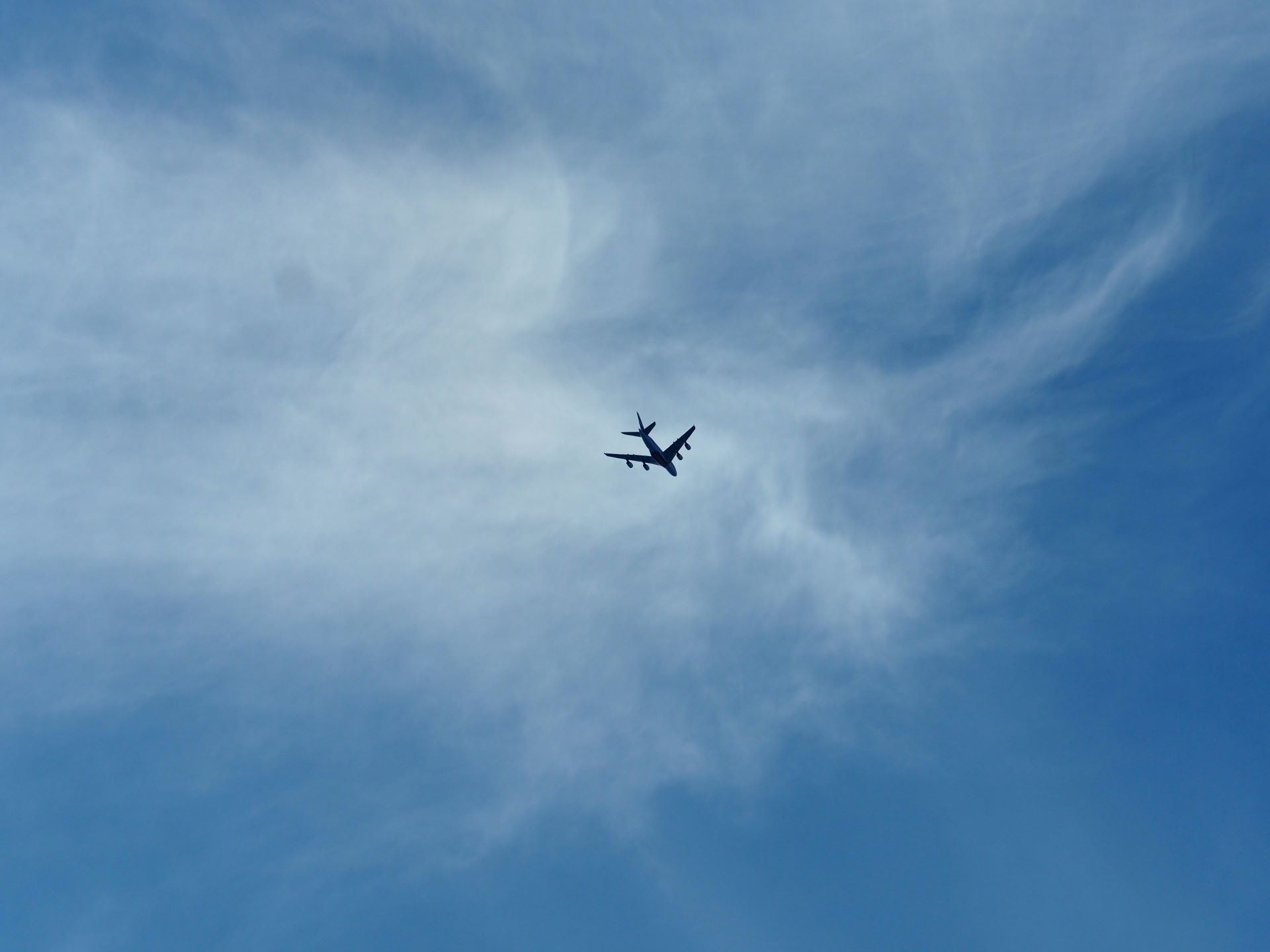
Journeys Less Known, Views More Sacred
Beyond the iconic lie lesser-known flights where the views surprise even seasoned travellers.
Kigali to Entebbe
East Africa’s verdant tapestry unfolds. Hills roll like waves. Lake Victoria glimmers like a dream. You feel you’re flying over Eden itself.
Ushuaia to El Calafate
At the world’s edge in southern Argentina, icy peaks and teal lakes merge with glaciers you can almost touch. Patagonia from the air is a lesson in awe.
Doha to Muscat
Sand turns to stone as you trace the Persian Gulf. Then the Hajar Mountains emerge—impossibly rugged and utterly unexpected. A desert's sculpted soul.
The Science of Sky Colour
Have you noticed how blue is never just blue at altitude?
The sky deepens as you climb. That’s Rayleigh scattering—shorter blue wavelengths dispersing while reds and oranges curve along the horizon. At sunset, this phenomenon performs its finest act: blood-orange on one side, indigo on the other. All in the same sky.
Pilots call this the “Belt of Venus”—a thin pink band just before nightfall, visible only to the high flyers.
And beneath it, Earth folds itself into shadows and sighs.
Cityscapes from the Sky
Urban topographies tell their own stories from above.
Tokyo at Night
A circuit board of neon. The organised chaos of the world's largest city sparkles like code.
Dubai in Daylight
Artificial islands draw cursive into the sea. Skyscrapers spear through haze. Geometry meets ambition.
Rio de Janeiro at Sunset
As the plane banks over Guanabara Bay, Christ the Redeemer stretches skyward. Sugarloaf stands watch. A city designed for wonder.
Flight as Meditation
Some find God in cathedrals. Others in forests. But for a certain breed of traveller, divinity exists somewhere over Greenland, where the glaciers shimmer like bone under skin.
To fly—really fly—is to submit to scale. To be humbled by size. To be grateful.
On long flights, I don’t sleep much. I read. I write. I watch. And somewhere over the Yukon or the Urals or the Sudanese desert, I feel closer to the pulse of things.
Not the digital beat of news and notifications. But the real rhythm—the turning of the planet, the tides of light and land.
A Window into Memory
The window seat has witnessed more than geography. It’s seen:
In that small square of plexiglass, we see not only the world—but ourselves reflected.
The Final Descent
As the plane begins its slow spiral toward land, the spell breaks. The seatbelt sign chimes. The tray table gets stowed. But if you’re at the window, you know the show’s not over.
The final descent is theatre in reverse—cities grow limbs, roads snake outward, and runways stretch like ribbons on the horizon. You land a different person from when you took off. Even if just slightly.
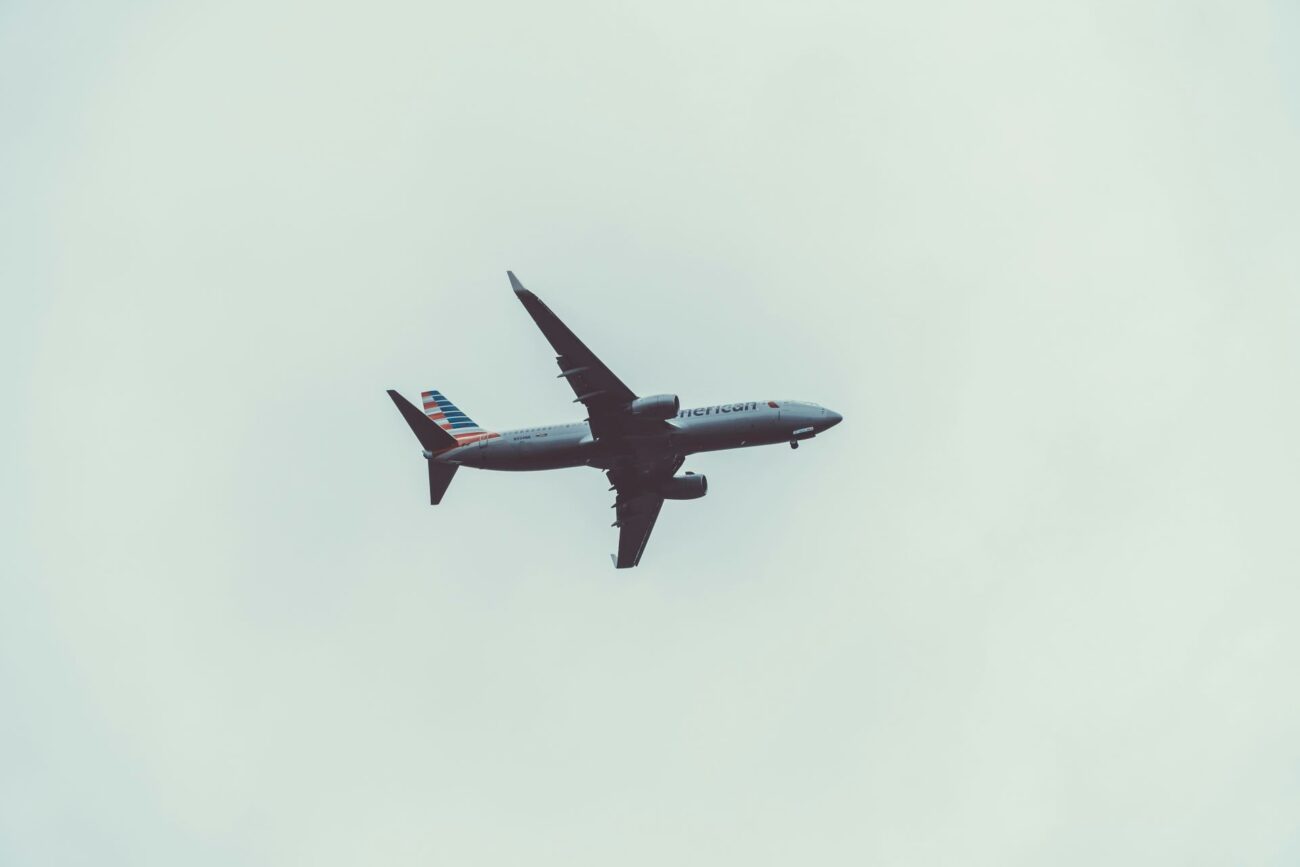
Always Choose the Window
To those who fly often, it's just a seat. To those who see, it’s a portal. We live in a world that spins too fast. But up here, above it all, time slows. The view expands. Wonder returns.
So when booking that next trip, remember this: there are marvels in this world too grand to miss. They unfold not in tour guides or timetables—but in fleeting moments through tempered glass.
Always choose the window.