


Unlocking Africa’s Hidden Gems: Flights to Remote Adventures
Air travel has long been the gateway to discovery, yet today it is not merely about reaching a destination—it is about experiencing the extraordinary with ease and comfort. For travelers seeking the thrill of a remote safari, the serenity of a secluded mountain lodge, or the vibrant underwater world of a diving hotspot, flights are no longer just a necessity; they are the first step into adventure. Modern airlines are redefining accessibility, shrinking vast landscapes, and connecting urban hubs to Africa’s most secluded escapes.
The Rise of Remote Adventure Travel
Over the past decade, there has been a marked shift in traveler preferences. While city breaks and coastal holidays remain popular, a growing number of tourists are prioritizing experiences that immerse them in nature, wildlife, and adventure. Remote lodges—whether nestled in game reserves, perched atop mountains, or bordering pristine reefs—offer not only exclusivity but an intimate connection to the environment. Airlines have responded to this demand by introducing direct flights, smaller aircraft, and curated travel itineraries that remove the logistical friction of reaching off-the-beaten-path destinations.
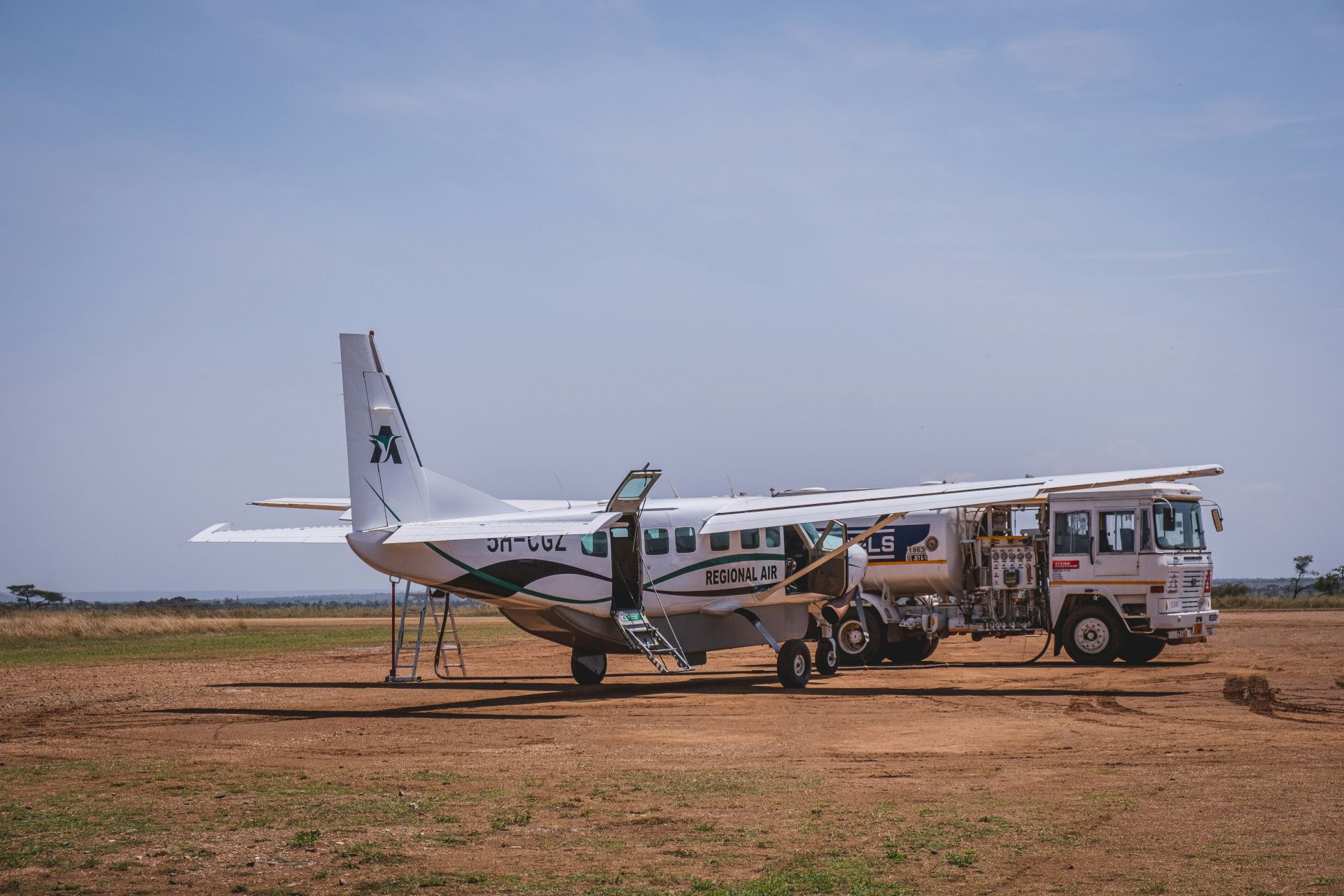
For instance, flying to a lodge deep in the Okavango Delta in Botswana used to be a multi-leg journey involving long drives over unpaved roads. Today, air charter services and regional airlines allow travelers to land on private airstrips mere minutes from the lodges, maximizing time spent exploring rather than traveling. Similarly, South Africa’s mountain retreats in the Drakensberg are now reachable through boutique flights connecting Johannesburg and Durban to remote airfields, transforming what once felt like an arduous expedition into a seamless, scenic journey.
Safari Flights: From Skies to Savanna
Safari tourism epitomizes the allure of flying to remote destinations. Traditional safaris involved long drives, often over rugged terrain, which could limit the scope of a traveler’s experience. Modern air travel solutions now make it possible to cover vast game reserves efficiently, linking major hubs to smaller airstrips located near iconic wildlife corridors.
Flying over the African savanna is not only practical; it offers an entirely new perspective on wildlife and landscapes. From the air, travelers can spot elephants, lions, and hippos moving through the bush, while their pilots navigate towards lodges strategically placed in proximity to waterholes or migration paths. This seamless transition from aircraft to lodge ensures that guests can spend more time observing wildlife and less time commuting, enhancing the overall safari experience.
Airlines catering to safari travelers have also introduced bespoke services, from guided transfers to curated itineraries that match flight schedules. Luxury carriers now provide in-flight experiences that extend the safari narrative, offering insights into local ecosystems, conservation efforts, and cultural heritage before passengers even set foot on the ground.
Mountain Retreats: Escaping to the Highs
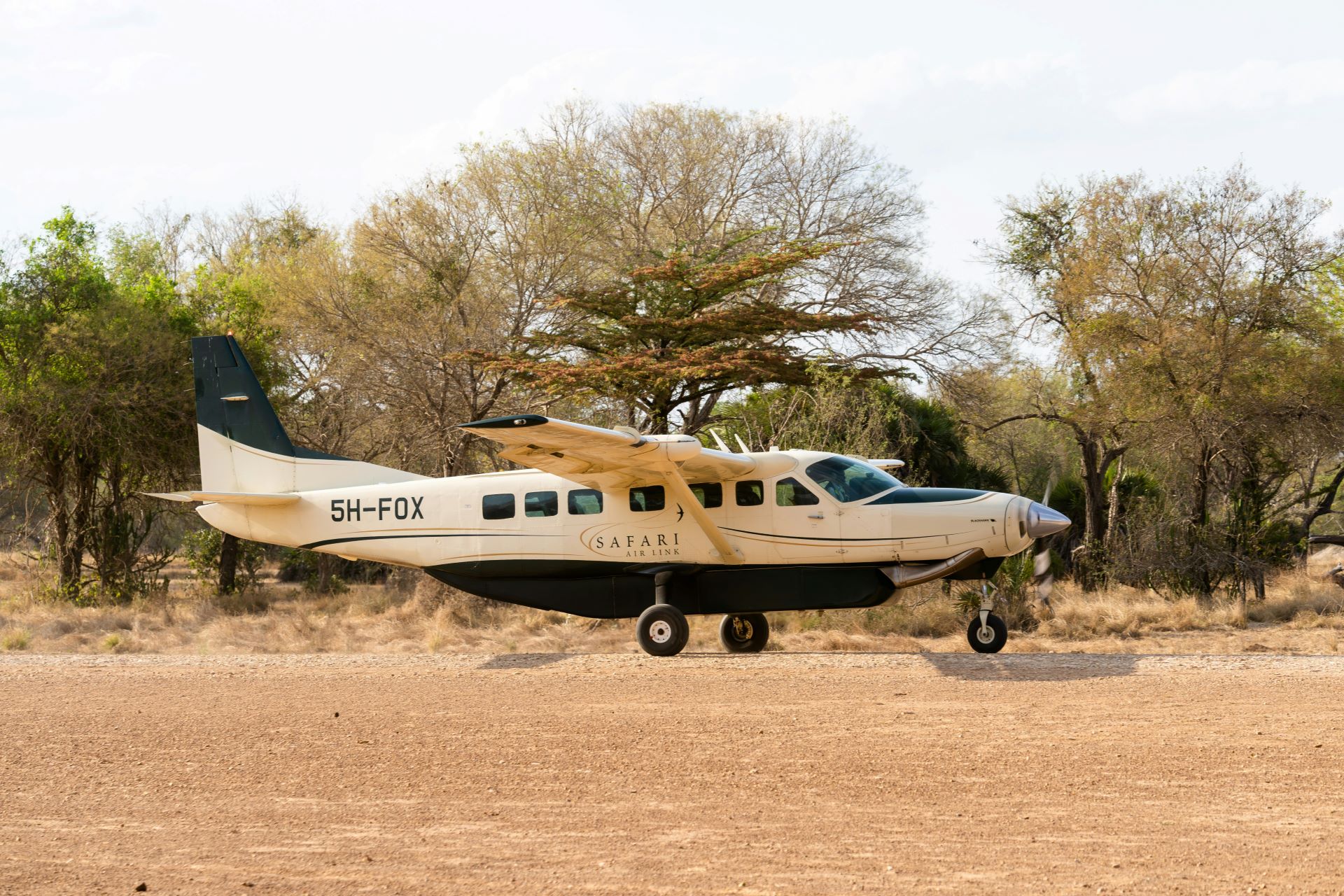
While savanna safaris attract wildlife enthusiasts, mountain lodges offer an entirely different escape—one of tranquility, adventure, and panoramic vistas. Flight accessibility has revolutionized these destinations. Where travelers once endured lengthy drives along winding mountain roads, regional air services now connect major cities to airstrips nestled in valleys and plateaus.
The Drakensberg, the Maloti Mountains, and the Eastern Highlands of Zimbabwe have become increasingly accessible to international and local tourists alike. Airlines often offer small aircraft flights that navigate the rugged terrain safely, landing at lodges equipped to receive guests with minimal fuss. The combination of scenic aerial views, reduced travel times, and immediate access to hiking trails, cultural sites, and wellness facilities creates a compelling draw for modern travelers seeking solace in nature.
Mountain lodge air travel also fosters sustainable tourism. By reducing the need for long vehicular journeys, airlines help mitigate environmental impact, preserving delicate ecosystems and limiting the carbon footprint of tourism. Some carriers even partner with lodges to implement carbon offset programs, reinforcing the narrative of responsible and conscientious travel.
Diving Hotspots: Plunging Into Remote Waters
For the adventurous traveler, nothing compares to diving in untouched marine environments. Remote diving hotspots—from Mozambique’s Bazaruto Archipelago to South Africa’s Sodwana Bay—have historically been difficult to reach, limiting their accessibility to dedicated enthusiasts. Today, airlines and charter services are bridging this gap, offering direct flights to small coastal airstrips near the most coveted dive sites.
These flights transform multi-day overland journeys into effortless excursions, allowing divers to spend more time underwater exploring coral reefs, shipwrecks, and endemic marine life. Airlines often coordinate with dive operators to ensure synchronized itineraries, from aircraft arrival to dive excursions, minimizing waiting times and logistical hurdles.
Additionally, the growth of eco-conscious travel has encouraged airlines and lodges to collaborate on sustainable initiatives, ensuring that even remote diving destinations maintain ecological integrity. Travelers can now experience underwater wonders while supporting conservation efforts, combining thrill with responsibility.
The Role of Airline Partnerships and Charter Services
Airlines are increasingly recognizing that access to remote destinations requires more than just scheduled flights. Partnerships with luxury lodges, safari operators, and dive centers are becoming crucial to offering seamless travel experiences. Some carriers now operate their own charter services, while others collaborate with specialized operators to provide door-to-door travel packages.
These collaborations enable travelers to bypass traditional bottlenecks, such as transfers from regional airports to lodges, and reduce waiting times significantly. In some cases, charter flights also include personalized services like private guides, bespoke catering, and wildlife briefings, turning the journey itself into a prelude to the adventure awaiting on the ground.
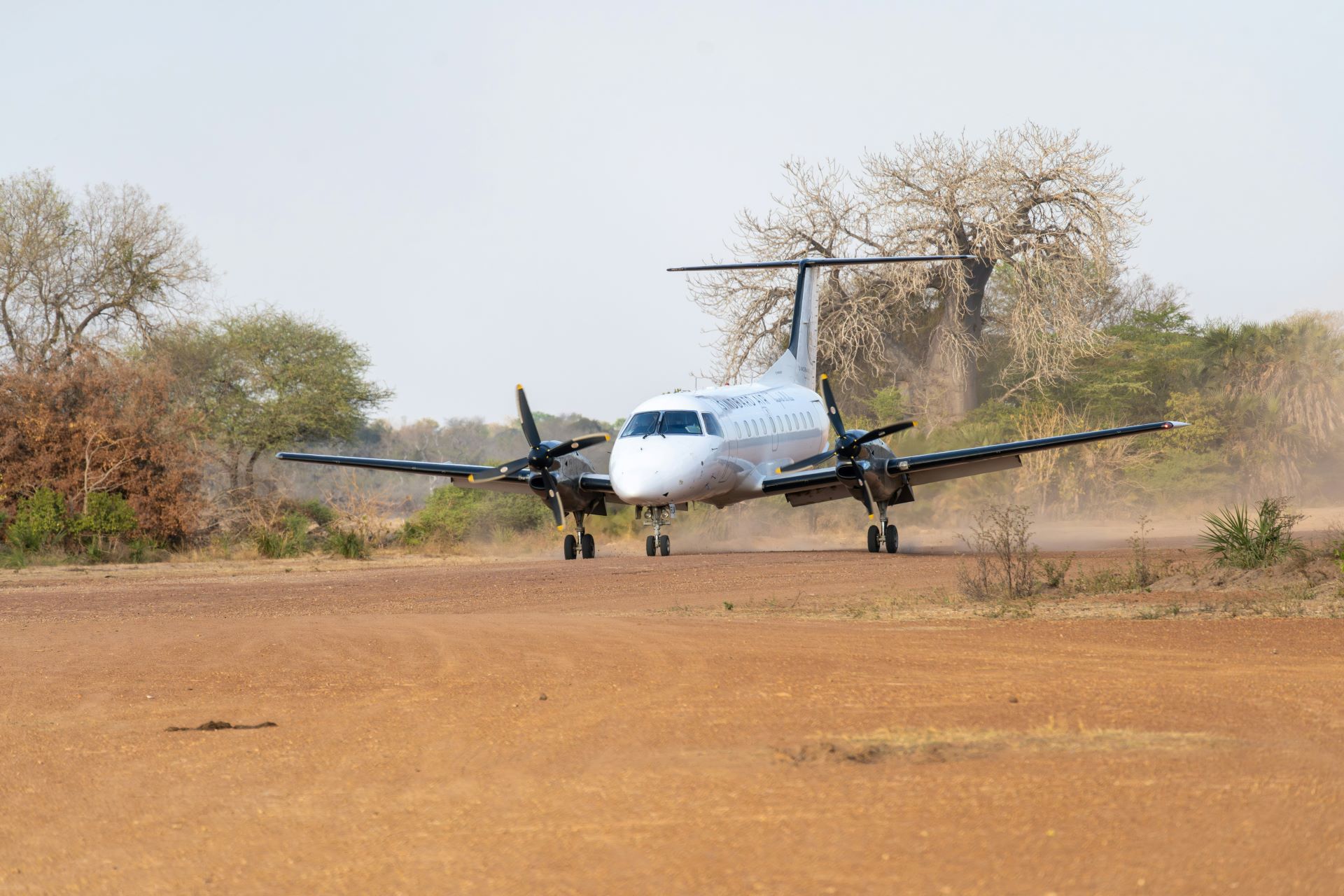
Moreover, regional airlines are innovating with smaller aircraft designed for short, remote routes, allowing access to airstrips that were previously unusable for commercial planes. This opens up a new category of travel that blends luxury, convenience, and adventure—an experience increasingly in demand among discerning tourists.
Embracing the Future of Remote Adventure Travel
The evolution of air travel to remote destinations underscores a broader shift in tourism: convenience and experience are now inseparable. Travelers expect not only to reach far-flung locations but to do so efficiently, comfortably, and responsibly. Airlines are responding with flexible schedules, modern fleets, and curated travel experiences that extend the narrative of adventure from departure to arrival.
As Africa’s remote lodges, mountain retreats, and diving hotspots continue to captivate the imagination of travelers, air travel will remain the critical enabler of discovery. It is no longer simply about getting from point A to point B; it is about transforming the journey itself into a meaningful, memorable, and immersive part of the adventure.
For travelers seeking to escape the ordinary, the skies offer the fastest, most exhilarating gateway to Africa’s hidden gems. By connecting urban centers to remote corners of the continent, airlines are opening up a world where safari plains, mountain peaks, and coral reefs are no longer out of reach—they are just a flight away.