


Air travel has transformed the way people explore the world, connecting distant cities, cultures, and experiences with astonishing speed. Amidst this global network, the cabin crew play a pivotal role that extends far beyond serving drinks and meals. These professionals are the backbone of passenger safety and comfort, shaping the overall experience of travelers and leaving lasting impressions that can define an airline’s reputation.
Guardians of Safety: Training Beyond Expectations
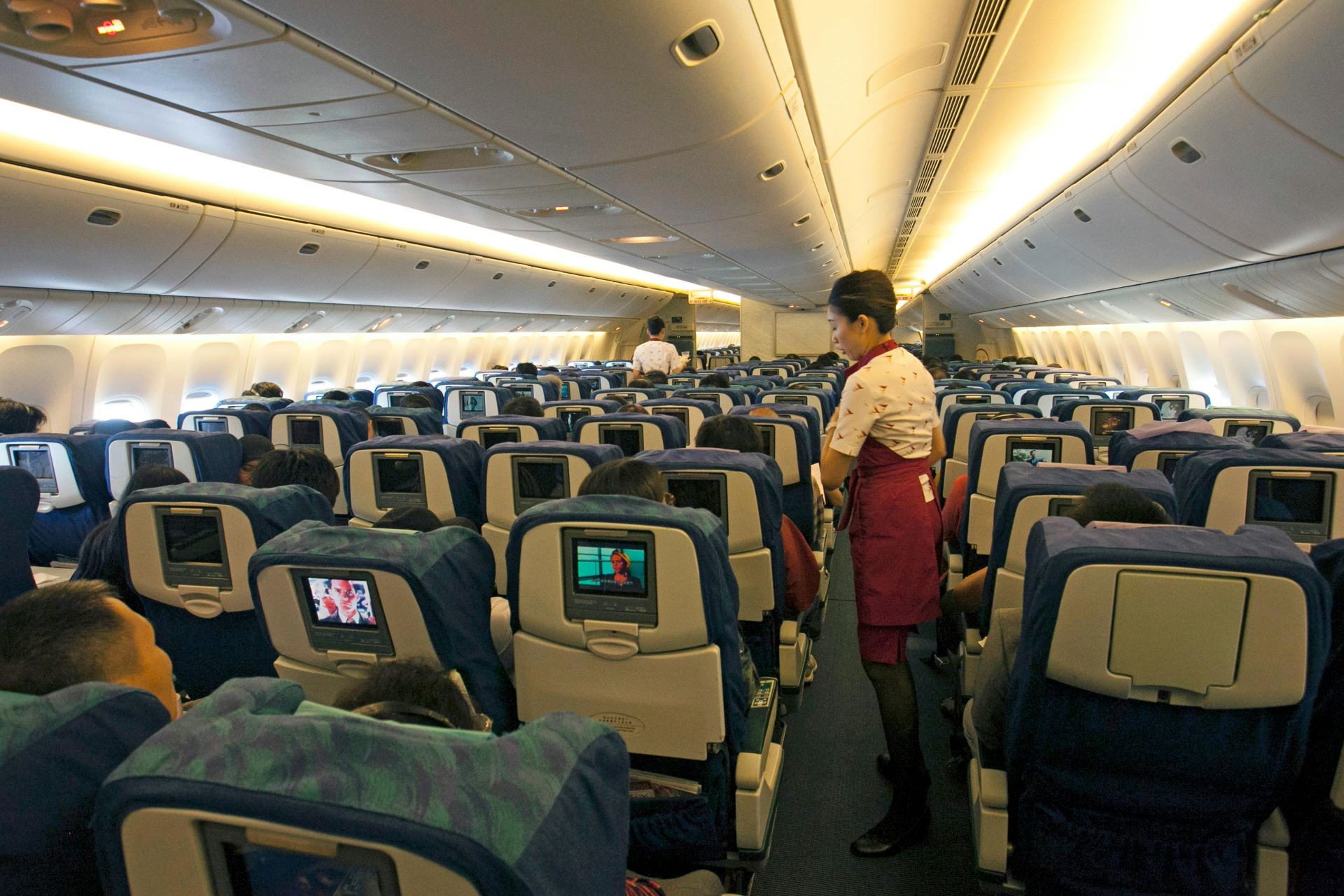
The first and foremost responsibility of any cabin crew member is ensuring the safety of everyone onboard. This requires rigorous training that goes far beyond standard customer service courses. Cabin crew undergo extensive preparation in emergency procedures, including evacuation protocols, first aid, firefighting, and handling hazardous situations.
Every scenario is simulated in painstaking detail, from turbulence emergencies to medical incidents. Crew members practice calmly guiding passengers through potentially stressful or life-threatening situations, making safety measures feel seamless rather than intimidating. Their ability to respond decisively and efficiently not only protects passengers but also instills confidence in travelers, a critical component in tourism where trust and peace of mind are paramount.
Ambassadors of Comfort and Service
While safety forms the core of their responsibilities, cabin crew are equally instrumental in delivering comfort and service. They bridge the gap between the airline and its passengers, setting the tone for the journey from boarding to landing. This includes attentive in-flight service, from offering meals and beverages to assisting with seating arrangements and addressing special needs.
Beyond the mechanical service tasks, cabin crew act as human touchpoints for travelers. A warm smile, a quick solution to an inconvenience, or a friendly interaction can transform a routine flight into a memorable experience. For tourists, these interactions often shape perceptions of not just the airline, but the destination itself. Crew members effectively serve as unofficial ambassadors, offering guidance, reassurance, and cultural etiquette cues that enhance the travel experience.
Navigating Cultural Diversity
Commercial airline tourism connects people from all corners of the globe, meaning cabin crew must adeptly navigate cultural nuances and language barriers. Understanding the subtleties of passenger behavior, dietary restrictions, and communication styles is crucial in creating a comfortable environment for every traveler.
This cultural competency goes hand in hand with empathy and emotional intelligence. For instance, assisting nervous flyers, families traveling with young children, or elderly passengers requires patience and adaptability. Crew members are trained to anticipate needs and respond proactively, ensuring a smooth and enjoyable journey for all passengers.
The Impact on Tourism Experiences
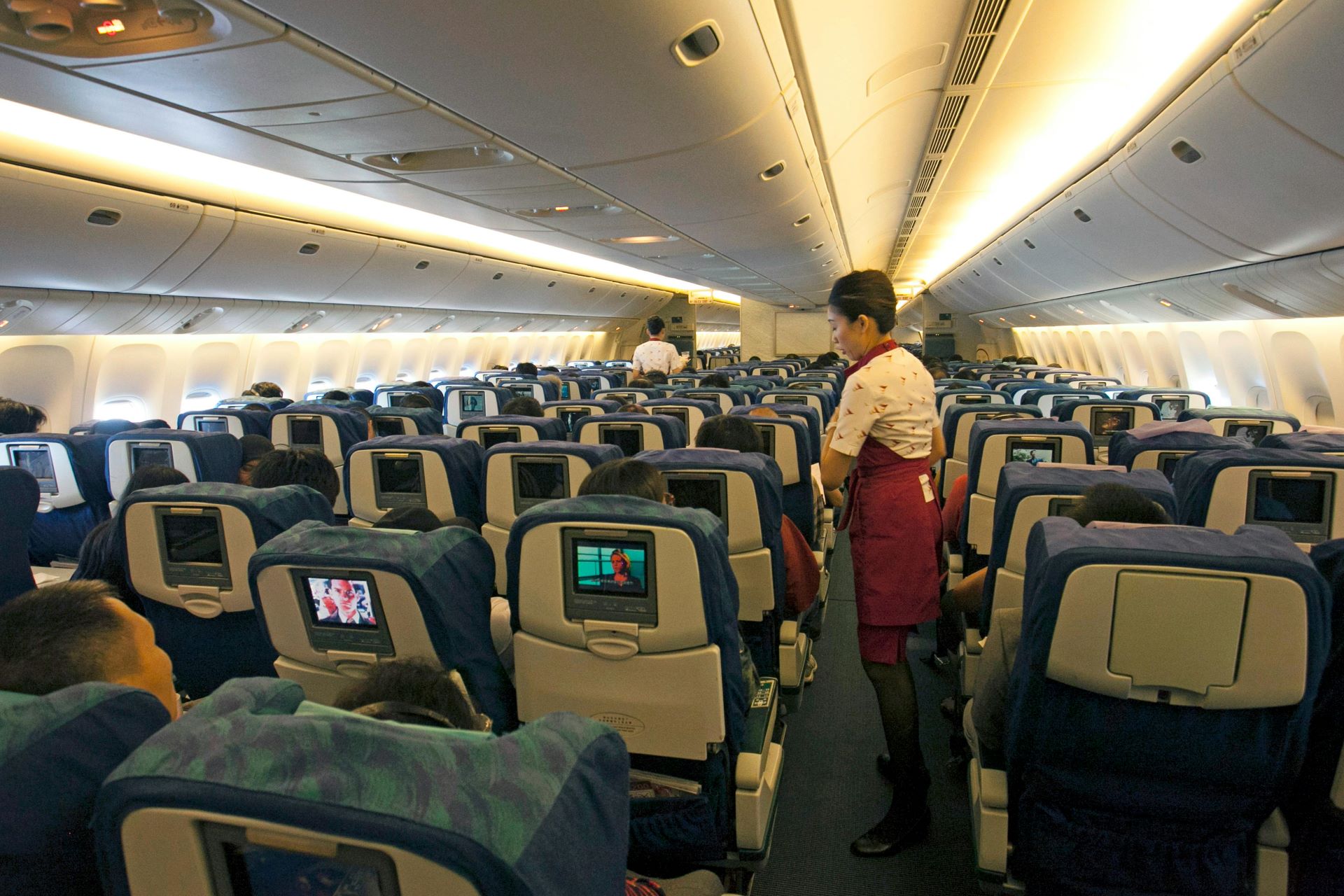
Cabin crew influence the tourism experience in ways that often go unnoticed but are profoundly significant. Passengers remember flights where staff were attentive, responsive, and reassuring. Conversely, lapses in service or safety awareness can taint perceptions of an airline and even affect travelers’ impressions of a destination.
For tourism-focused airlines, investing in exceptional cabin crew training is not merely a compliance measure; it is a strategic effort to enhance the traveler’s journey from departure to arrival. A skilled and personable crew can encourage repeat travel, positive reviews, and word-of-mouth recommendations—all vital for sustaining growth in the competitive tourism sector.
Balancing Professionalism with Approachability
The best cabin crew combine technical expertise with warmth and approachability. They must maintain professionalism during every interaction while fostering a welcoming and reassuring atmosphere. This balance is particularly critical in commercial airline tourism, where first impressions often dictate the overall perception of a trip.
From the moment passengers step onboard, cabin crew set the tone for the flight. Clear communication, timely assistance, and consistent attention to detail create a sense of trust and comfort. These elements are as crucial as the airline’s physical amenities, influencing whether travelers feel relaxed, cared for, and ready to explore their destination with enthusiasm.
Future Trends in Cabin Crew Responsibilities
As the aviation industry evolves, so too does the role of cabin crew. Technological advancements such as real-time passenger feedback systems, biometric boarding, and digital in-flight services are reshaping the way crew interact with travelers. However, the human element—empathy, problem-solving, and cultural sensitivity—remains irreplaceable.
Airlines are increasingly emphasizing soft skills alongside technical training, recognizing that cabin crew are central to both safety and passenger satisfaction. This dual focus ensures that travelers receive seamless, secure, and personalized service, reinforcing the broader tourism experience.
Unsung Heroes of Air Travel
Cabin crew are far more than flight attendants; they are the stewards of passenger safety, comfort, and service excellence. Their comprehensive training, cultural competence, and empathetic approach make them indispensable to the tourism industry. By ensuring that travelers feel safe, attended to, and valued, cabin crew elevate the journey from a simple flight to a meaningful experience, ultimately enriching the landscape of global travel.
Investing in skilled cabin crew is an investment in the traveler’s journey, the airline’s reputation, and the broader tourism sector. Their contributions may often go unnoticed, but their impact resonates long after the plane has landed.