


Above the Noise
In an age of perpetual motion and overstimulation, where the world rushes by in a blur of notifications, timetables, and deadlines, there exists an elusive kind of stillness—one you’ll find not by slowing down on the ground, but by lifting off from it. At 10,000 feet, the world rearranges itself into something quieter, simpler, more profound. The frantic rhythms of daily life give way to silence broken only by the hum of a propeller or the sigh of wind over wings.
This is the world of scenic flight—a blend of aerial artistry, human curiosity, and the quiet confidence of those who guide others through the skies. It’s a story not just of landscapes and landmarks, but of the people who make these journeys possible: the pilots who read the skies like seasoned mariners, and the guides who stitch stories into the clouds.
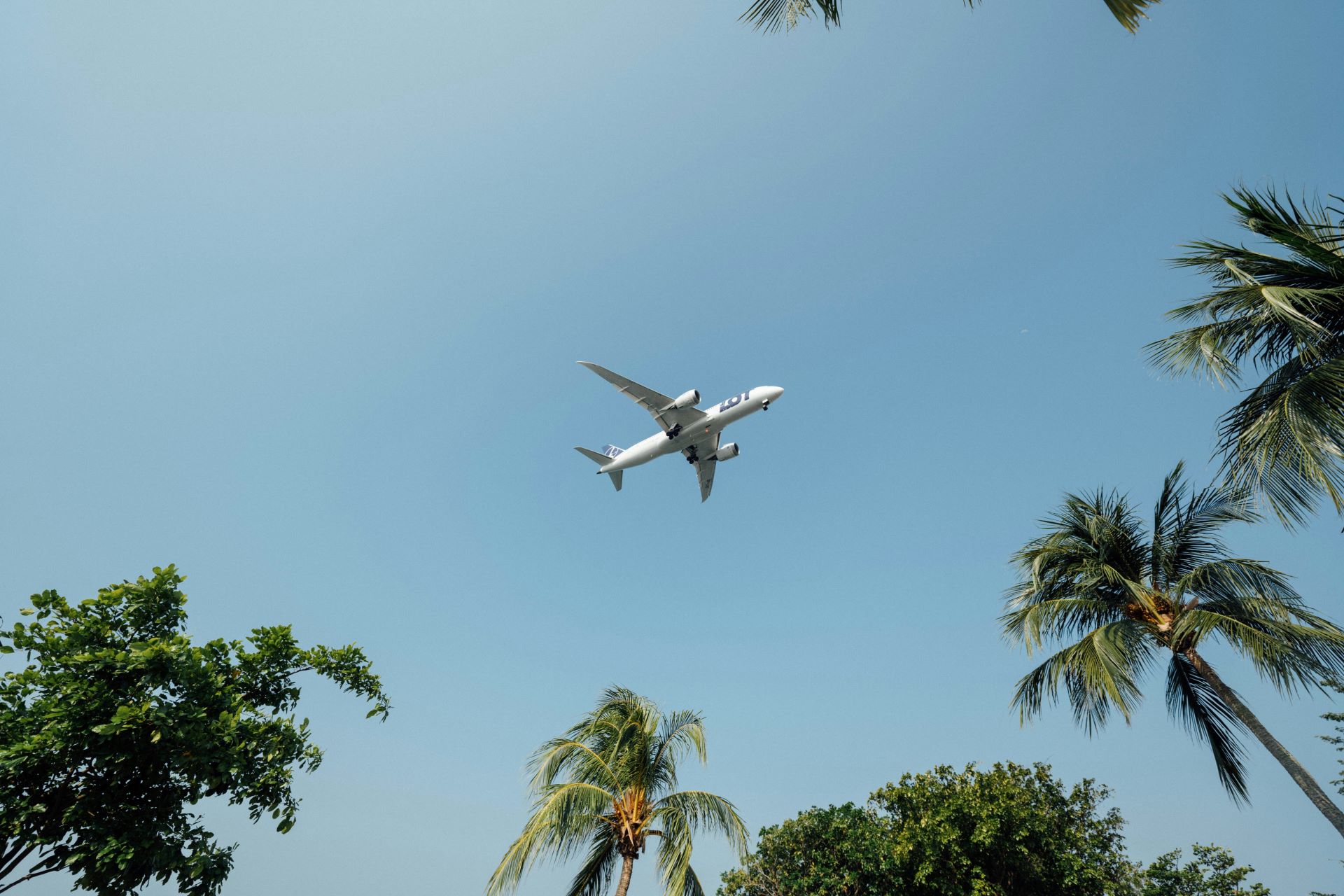
The Skyward Gaze: Why We Look Up
From the moment humanity took to the skies, we’ve been captivated by the view from above. There’s something ancient in our fascination with flight—a primal echo of freedom, escape, and wonder. But scenic flying, unlike the commercial air travel most of us endure, isn't about destination or logistics. It’s about perspective.
"Flying low and slow over a place gives you a kind of emotional cartography," says Sarah Cloete, a seasoned flight guide based in the Western Cape of South Africa. "You see how rivers braid themselves into land, how forests breathe and contract, how mountains cast shadows like time passing. It’s meditative."
Indeed, for many passengers, the experience of a scenic flight is deeply emotional. It shifts how they think about land, space, and even time. But this quiet magic doesn’t occur in a vacuum. It’s carefully orchestrated—both technically and narratively—by the people in the cockpit.
Pilots: The Art of the Aerial Ballet
Scenic flight pilots are a rare breed. Unlike airline pilots focused on efficiency and strict routing, these aviators must navigate terrain, microclimates, and aesthetic intuition. They know when to tilt a wing for a better view, when to rise above a weather pocket, and when to circle back for one more glimpse.
"We’re not just flying a plane—we’re curating an experience," says Mike Hanson, a pilot with over 5,000 hours logged across Namibia’s Skeleton Coast. "You have to understand the land, the light, and the story. Every flight is different."
The technical demands are immense. Many scenic flights operate out of small, rugged airstrips with minimal infrastructure. Pilots must be as comfortable landing on sand or grass as they are on tarmac. They're meteorologists, cartographers, and sometimes, de facto first responders.
But above all, they are stewards of safety and awe. For many passengers, it's their first time in a small aircraft. "There's always that nervous energy at the start," says Hanson. "But once we're airborne and they see the sun glint off a dune or glacier—they go silent. That’s when you know it’s working."
Guides in the Sky: Telling the Landscape’s Story
Scenic flight guides are the voice that gives the landscape its language. Often sitting co-pilot or narrating through intercoms, they offer more than facts—they offer context, texture, and meaning. From geological history to indigenous lore, a good guide helps passengers see beyond what they’re seeing.
"Flying over the Okavango Delta isn’t just about spotting elephants," says Amara Lebogo, a Botswana-based aerial guide. "It’s about understanding how the flood moves through the landscape, how it changes the patterns of life below. We tell stories of time and tide."
These guides often have backgrounds in conservation, anthropology, or geography. They help bridge the gap between aerial spectacle and terrestrial understanding. And in doing so, they ensure that the flight is not just beautiful, but enlightening.
The Planes: Machines Made for Majesty
Scenic flight operators use a diverse range of aircraft, each suited to specific terrains and tour types. From the stalwart Cessna 206 to the nimble Robinson R44 helicopter, the choice of machine shapes the experience.
Fixed-wing aircraft offer smoother, longer flights and are ideal for panoramic routes over plains or coastlines. Helicopters, with their ability to hover and maneuver with precision, are perfect for getting up close to waterfalls, cliffs, and volcanic craters.
But it’s not just about the view. Modifications often include bubble windows, wide-angle cockpits, and noise-cancelling headsets. Some luxury operators offer bespoke interiors, champagne service, and glass-bottom floors—though purists argue that the true magic lies in the minimalism.
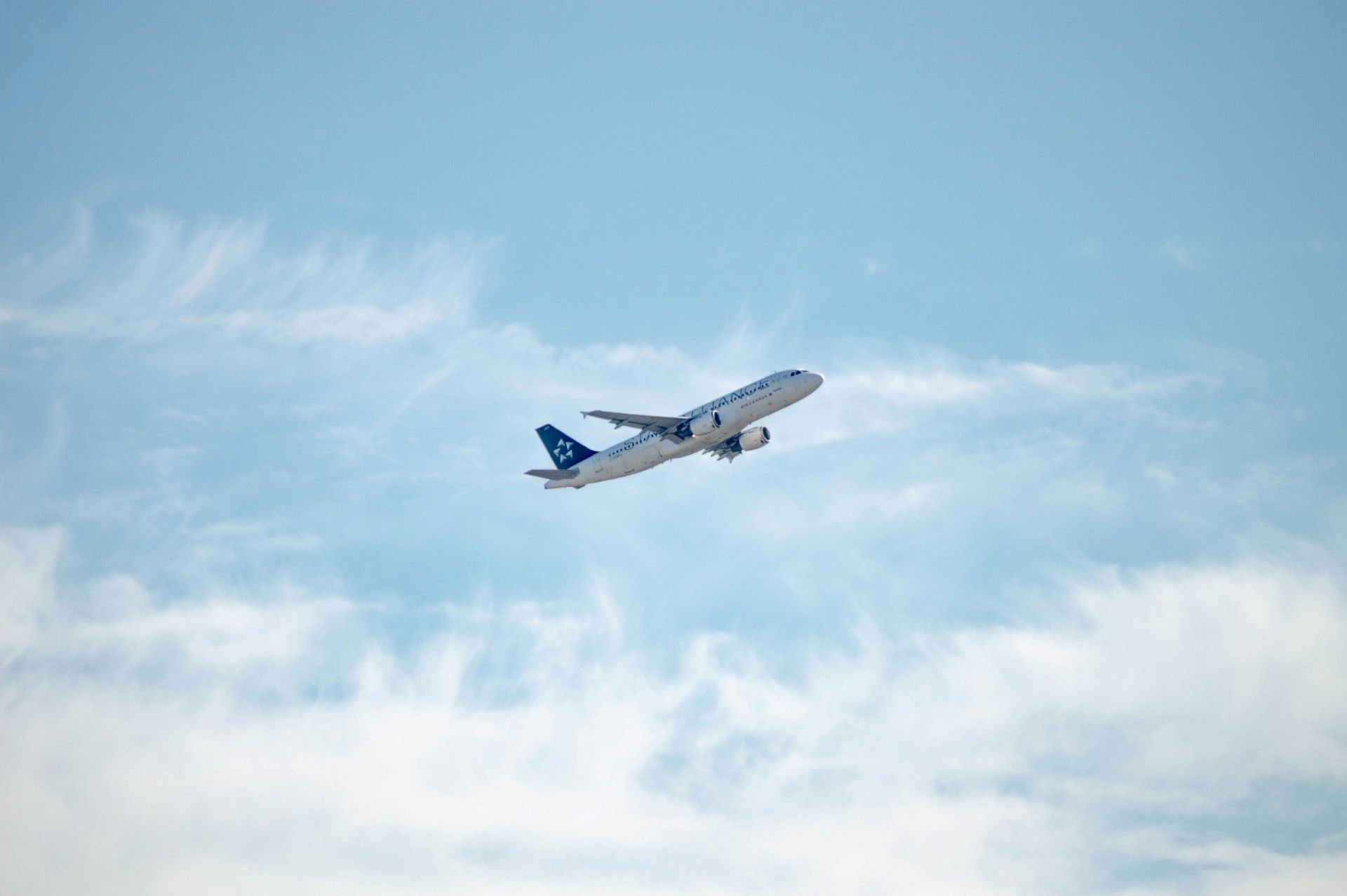
From Fjords to Dunes: A Global Experience
Scenic flights are as diverse as the landscapes they soar above. In Norway, passengers glide through icy fjords where waterfalls seem to pour from clouds. In Australia, they watch the ochre heartbeat of Uluru pulse in the evening sun. In Hawaii, volcanic vents breathe steam into the sky, casting light like stained glass over the Pacific.
Southern Africa is a standout region. From Namibia’s haunting coastlines to the mosaic wetlands of the Delta, the continent offers some of the most spectacular flying on Earth. "There’s nowhere else you can watch zebra migration from the air while flocks of flamingos spiral beneath you," says Lebogo.
And yet, the intimacy of the experience keeps it humble. "You can fly for hours and not see another soul," she adds. "It reminds you how vast and wild the world still is."
Environmental Awareness: A Higher Responsibility
The irony is not lost on anyone—fuel-burning aircraft exploring pristine ecosystems. But the industry is adapting. Many operators offset emissions, support conservation efforts, and limit flight paths to reduce noise and wildlife disruption.
"In the Delta, we work closely with conservationists to track herds and avoid breeding zones," says Lebogo. "It’s about access without interference."
Electric flight, though still in its infancy, holds promise. Several companies are experimenting with short-range electric aircraft for scenic tours, particularly in sensitive areas like national parks and marine reserves. The quiet hum of an electric engine may soon replace the growl of combustion—and that will change the sensory nature of flight even further.
The Human Element: Memory and Meaning
At its core, scenic flight is about memory. Not just for the tourists who snap photos of glaciers or herds or islands, but for the pilots and guides who experience them daily.
"I’ve flown the same route hundreds of times," says Hanson. "But every single time, something changes—the light, the clouds, a rainbow over a canyon. That never gets old."
Passengers often descend changed. Some cry. Others remain quiet for hours. Scenic flight, especially when paired with storytelling and insight, becomes more than a luxury—it becomes a rite of passage.
"People come up to me after and say things like, ‘I feel like I saw the world for the first time,’" says Cloete. "That’s what keeps us doing this. Not just the view—but the impact."
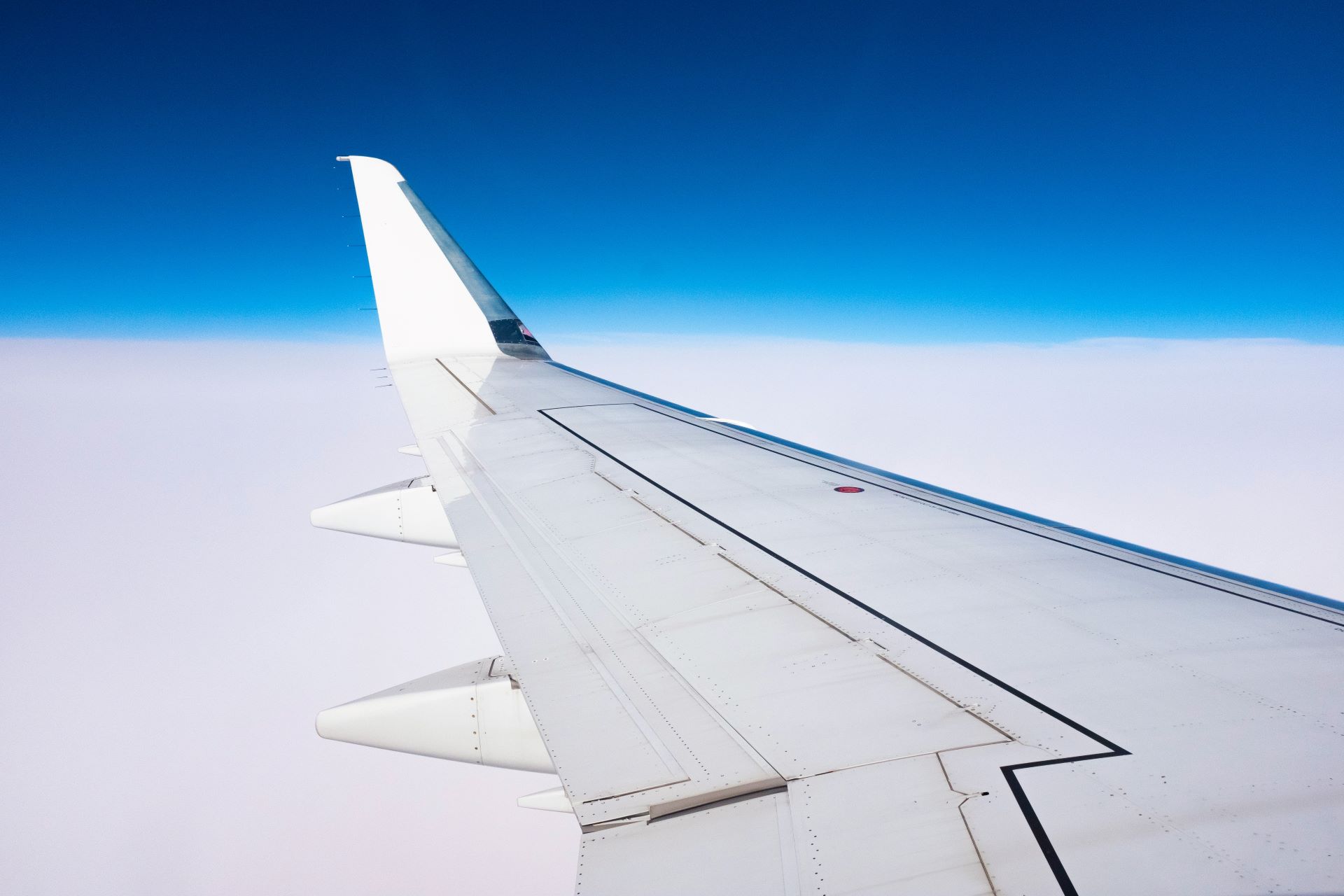
A Quieter Kind of Wonder
In the world below, wonder often shouts—through fireworks, fanfare, and photogenic packaging. But above 10,000 feet, it whispers. It glides across horizons, echoes through canyons, and pools in the quiet moments between narration and silence.
The magic of scenic flight is not just in what you see—it’s in how it makes you feel: small but connected, insignificant yet infinite. And that magic is made possible by the quiet professionals who navigate not just the skies, but the stories we carry home.
Whether skimming cloud tops in Patagonia or tracing coastlines in the Cape, scenic flight is less about the aircraft and more about the alchemy between people, place, and perspective. And sometimes, all it takes to remember the world’s quiet beauty is a seat by the window and a little altitude.