


Luxury air travel has long been the preserve of the elite, but it is undergoing a remarkable transformation that is reshaping the way we think about flying. For the modern jetsetter, air travel is no longer just about getting from point A to point B. It’s a part of the entire journey, an extension of the opulence that accompanies a high-end lifestyle. The allure of private jets, lavish first-class cabins, and personalized in-flight services is no longer confined to the world of celebrities and billionaires. It has evolved into an experience that promises comfort, privacy, and exclusivity at every altitude.
In this article, we’ll explore the evolution of luxury air travel, dive into the cutting-edge innovations that define it, and examine how personalization and sustainability are playing a key role in its ongoing transformation. Whether you’re a seasoned traveler or someone dreaming of an elevated travel experience, the world of luxury aviation offers much more than just a seat in the sky—it’s an immersive, curated journey that sets a new standard for the jetsetting elite.
The Evolution of Luxury Air Travel
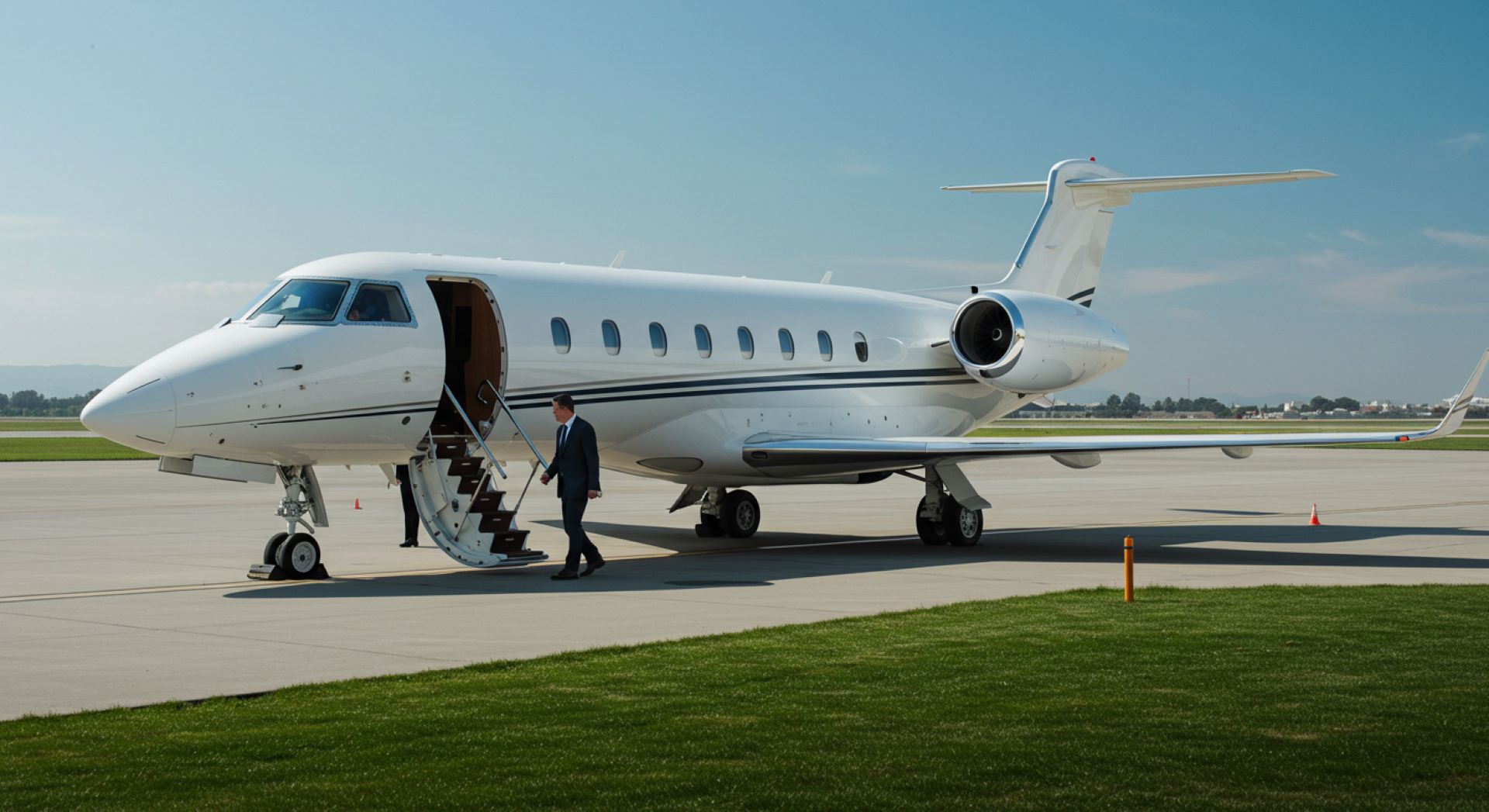
The history of luxury air travel dates back to the early 20th century, when the first transatlantic passenger flights were introduced. In the 1930s, airlines began offering premium services to cater to wealthier clientele, with luxurious amenities like fine dining, private cabins, and extra-wide seating. However, it wasn’t until the post-war boom that the concept of luxury air travel truly began to take shape, with airlines like Pan American World Airways introducing glamorous services that catered to an elite clientele.
In the 1960s and 1970s, the aviation industry saw a golden age of luxury, with commercial airlines like Concorde revolutionizing the way people traveled. The supersonic jet offered unmatched speed and exclusivity, providing passengers with the opportunity to cross the Atlantic in under three hours. At the same time, airlines such as Singapore Airlines and Emirates began developing premium services with plush first-class cabins and attention to detail that set them apart from their competitors.
As technology advanced, luxury air travel continued to evolve. The rise of private jet companies in the 1990s provided the ultimate in flexibility and privacy, with bespoke services catering to a discerning clientele. In recent years, airlines and private jet operators have integrated cutting-edge technologies, making the flying experience more immersive, comfortable, and customized than ever before.
Industry experts agree that the future of luxury air travel will focus on even greater levels of exclusivity and convenience. "The modern traveler wants more than just comfort; they want an experience that reflects their lifestyle," says aviation consultant David Hamilton. "The days of simply offering a comfortable seat are over. Now, it’s about crafting a journey that is truly personal and unforgettable."
Comfort and Exclusivity Redefined
In the world of luxury air travel, comfort is no longer just about offering a wider seat or better food. It’s about crafting an environment that feels like a second home—one where passengers can relax, work, and unwind in complete comfort. Private jets and luxury airlines are pushing the boundaries of design, offering spacious cabins that feature reclining beds, private suites, and state-of-the-art entertainment systems.
Take, for example, Emirates’ First Class Suite, which offers an enclosed space complete with a fully flat bed, personal mini-bar, and access to an onboard shower spa. Similarly, Etihad Airways’ The Residence, available on its Airbus A380, features a three-room suite with a private living room, bedroom, and ensuite bathroom—offering unrivaled privacy and luxury at 40,000 feet.
Airlines and private jet companies are also paying close attention to the finer details. From customized lighting and ambient noise control to personalized amenity kits and gourmet dining options, the experience is designed to ensure passengers feel pampered from the moment they step onto the aircraft.
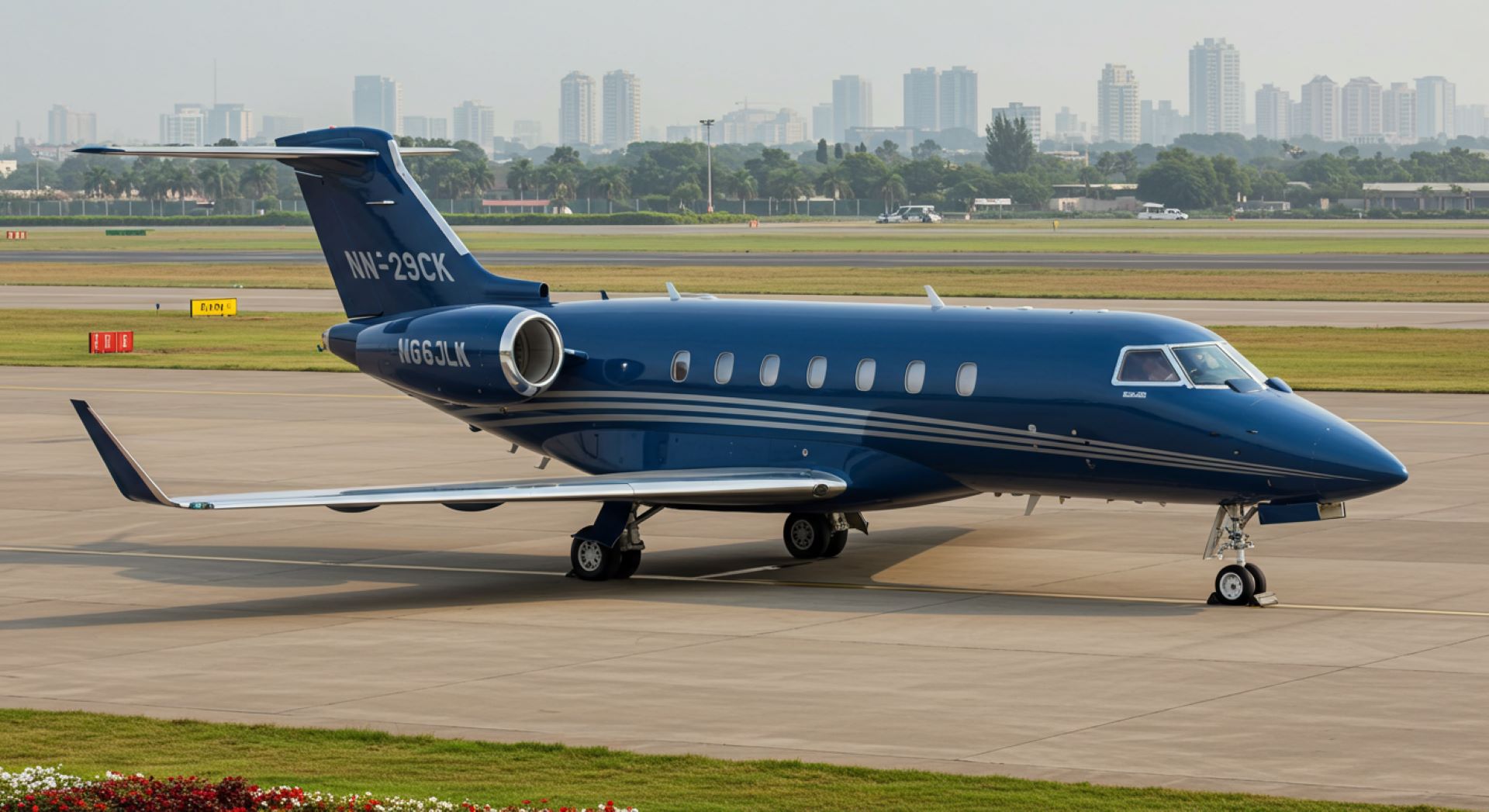
Beyond the interior design, exclusivity is key to the luxury air travel experience. Private terminals, fast-track security, and priority boarding allow affluent passengers to bypass the stress of commercial travel. Companies like NetJets and VistaJet offer membership programs that grant access to private jet fleets, making luxury air travel more convenient and accessible, albeit at a premium. These operators also ensure their clients have access to personalized concierge services, whether arranging for ground transportation, luxury hotel accommodations, or bespoke dining experiences.
Innovative In-Flight Experiences
The luxury aviation market is constantly evolving, with new technologies and amenities enhancing the in-flight experience. One of the most notable innovations is in-flight entertainment. High-speed internet connectivity has become a staple on many luxury flights, allowing passengers to stream movies, hold video calls, or work seamlessly during their journey. Companies like Gogo and Satcom Direct are leading the way in providing internet solutions that ensure passengers remain connected at all times.
Virtual reality (VR) entertainment is also making its mark, with airlines like Lufthansa and Qatar Airways offering VR headsets to passengers as part of their in-flight experience. These immersive experiences transport travelers to virtual worlds, whether they’re enjoying a movie in 360 degrees or exploring exotic locations.
Dining in the sky has also seen a revolution, with airlines offering exclusive, Michelin-starred dining experiences. For instance, Singapore Airlines offers passengers the opportunity to indulge in meals curated by renowned chefs, including dishes from the famous restaurant, Wolfgang Puck. For those flying on private jets, bespoke dining options are tailored to individual preferences, with everything from gourmet meals prepared by private chefs to personalized wine pairings.
Looking to the future, innovations such as artificial intelligence (AI)-powered flight assistants and biometric boarding are set to further elevate the luxury travel experience. AI assistants could provide personalized recommendations on everything from in-flight entertainment to tailored meal options, while biometric identification technology promises to streamline the travel process, allowing passengers to board seamlessly without the need for traditional check-in procedures.
Personalization and Customization
Today’s affluent travelers demand more than just a standard luxury service; they expect experiences that are fully personalized to their preferences. Luxury air travel companies are tapping into technology and big data to create highly customized offerings that cater to the individual.
Private jet operators like XOJET and Flexjet use detailed passenger profiles to personalize every aspect of the flight experience. From the type of music played to the temperature of the cabin, everything is tailored to the passenger’s preferences. Some companies even allow passengers to choose the design of their cabin, including the upholstery, colors, and layout, ensuring that the aircraft reflects their style.
Airlines are also getting in on the act with their own personalization initiatives. Emirates, for example, offers a special "Bespoke" service that allows passengers to request a range of personalized experiences, from customized pillowcases and blankets to bespoke meal requests. The airline uses advanced data analytics to anticipate passenger needs, ensuring that every flight feels truly unique.
Sustainability in Luxury Aviation
While luxury air travel is synonymous with opulence and extravagance, the industry is increasingly being called upon to address its environmental impact. As sustainability becomes a key priority for many travelers, luxury aviation companies are taking steps to reduce their carbon footprints and adopt greener practices.
One of the key developments in this area is the rise of sustainable aviation fuel (SAF), a biofuel made from renewable resources that can reduce carbon emissions by up to 80%. Companies like NetJets and VistaJet are already incorporating SAF into their operations, and other private jet operators are following suit. Furthermore, some companies are investing in carbon offset programs, allowing passengers to neutralize the environmental impact of their flights.
Electric aircraft are also on the horizon. Companies like Alice, a startup backed by aviation giant Embraer, are developing electric planes designed to reduce both noise and emissions. While electric aircraft are still in the early stages of development, they represent a promising future for sustainable luxury air travel.
In addition to fuel and emissions reduction, luxury air travel companies are focusing on other eco-friendly initiatives, such as reducing waste on flights and implementing more sustainable cabin materials. For example, some airlines are using biodegradable packaging and offering organic, locally sourced meals to passengers.
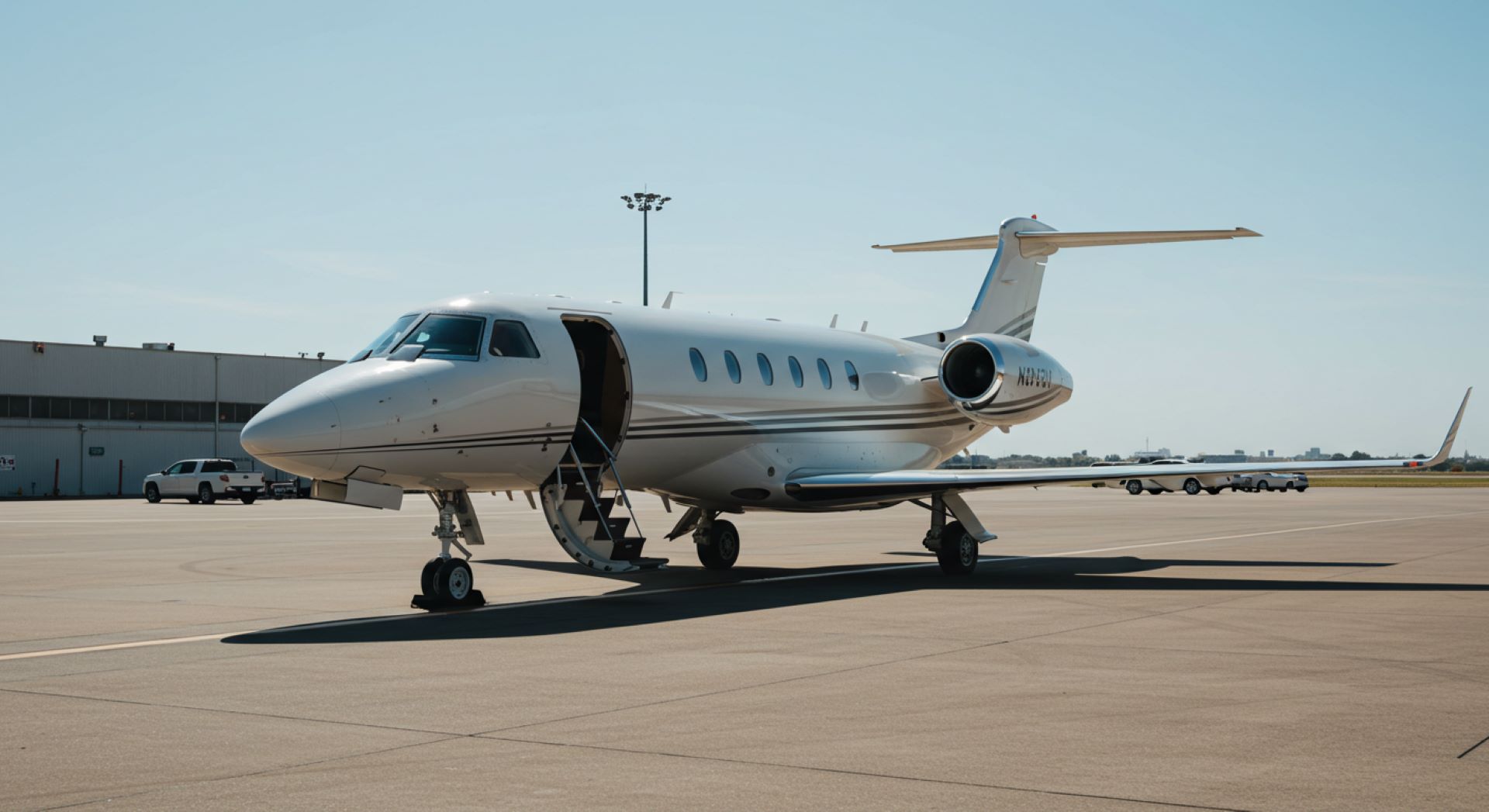
Luxury air travel has evolved into something far beyond the traditional means of getting from one destination to another. Today’s jetsetters expect an immersive, bespoke experience that caters to their every need, from private terminals and personalized services to innovative in-flight entertainment and sustainability initiatives. Whether traveling aboard a private jet or enjoying the lavish amenities of a first-class cabin, the modern luxury air traveler can expect a level of comfort, privacy, and exclusivity that redefines what it means to fly in style. As technology, personalization, and sustainability continue to shape the future of luxury aviation, the sky truly is the limit for the discerning traveler.
So, the next time you find yourself gazing at the sky, imagine what your journey might be like. How will luxury air travel continue to evolve to meet your needs—and how will it elevate your travel experience to new heights?