


A Shift in Passenger Priorities
Over the last decade, the aviation industry has witnessed a subtle yet significant evolution in passenger behavior. The allure of first-class luxury is no longer the only marker of aspirational travel. Instead, discerning travelers increasingly seek a middle ground—enhanced comfort without the financial commitment of business or first-class fares. Premium economy, once a niche segment on select carriers, has emerged as a crucial player in long-haul travel, redefining the way passengers approach comfort, value, and the overall flying experience.
The changing consumer mindset is influenced by multiple factors. Rising disposable incomes in emerging markets, coupled with greater awareness of travel ergonomics and in-flight wellness, have prompted travelers to reconsider what truly matters during extended flights. The extended legroom, wider seats, improved meal options, and dedicated service found in premium economy cabins offer a tangible upgrade over standard economy, while remaining financially accessible. For many, it represents the optimal balance of cost and comfort—a compromise that feels neither extravagant nor overly frugal.
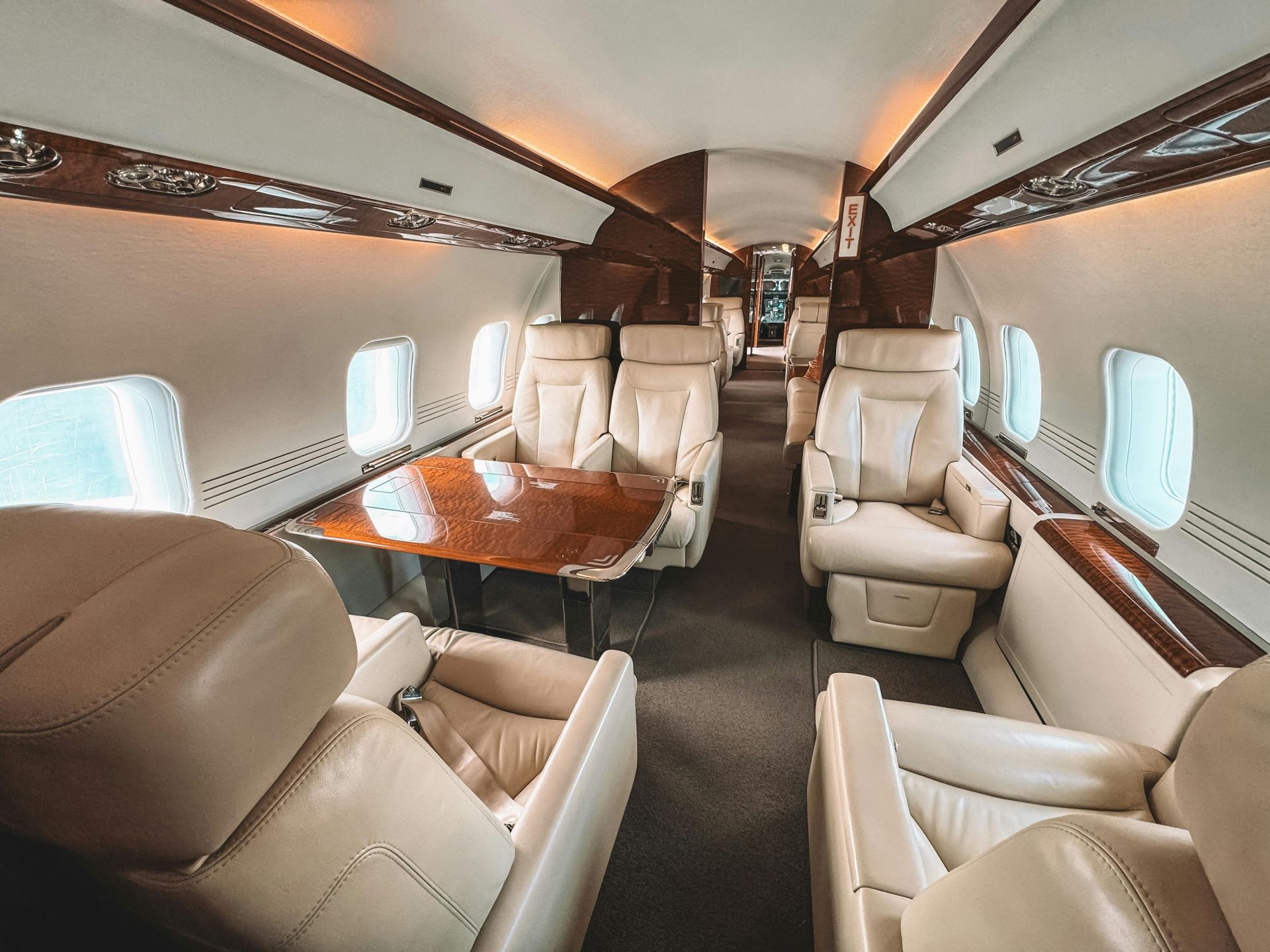
The Premium Economy Experience: Comfort Redefined
At its core, premium economy addresses a universal pain point in long-haul travel: space. On flights that span eight, twelve, or even fifteen hours, seat design and personal space significantly impact passenger wellbeing. Airlines have responded with thoughtfully engineered cabins that combine ergonomic seating, generous recline, enhanced pitch, and optimized cushioning to mitigate fatigue. Unlike business class, which often prioritizes individual privacy and features such as lie-flat beds, premium economy emphasizes collective comfort within a shared space.
Meal service in premium economy has similarly evolved. Airlines are increasingly curating menus that reflect regional flavors, healthier options, and premium presentation. Complimentary beverages, including select wines and spirits, signal a commitment to elevating the dining experience. Small touches—priority boarding, amenity kits, and larger entertainment screens—further differentiate premium economy from traditional economy seating, creating a sense of occasion without the financial burden of full business-class travel.
Airline Strategies and Market Differentiation
The proliferation of premium economy offerings is a strategic response to both consumer demand and competitive pressures. Leading carriers have invested heavily in creating distinctive cabin environments, often introducing branded experiences that highlight comfort, exclusivity, and convenience. Airlines such as Singapore Airlines, Lufthansa, and Qantas have positioned premium economy as an aspirational yet attainable alternative, with dedicated check-in counters, enhanced baggage allowances, and onboard service that rivals business class in quality, if not in scale.
Pricing models reflect this positioning. Premium economy fares are typically set at 30–60% above economy, striking a delicate balance between value and luxury. This tiered pricing encourages upgrades from economy while protecting the exclusivity of business and first-class cabins. For airlines, the segment also provides a revenue-optimizing opportunity. Seats in premium economy cabins generate higher yields without the operational costs associated with fully lie-flat business-class configurations, making the segment financially compelling during periods of fluctuating demand.
Responding to Changing Travel Behaviors
The rise of premium economy is closely tied to broader shifts in travel behavior. Post-pandemic travelers exhibit heightened awareness of comfort and personal wellbeing, particularly on flights spanning multiple time zones. Extended seat pitch, increased legroom, and reduced cabin density appeal to passengers prioritizing sleep quality, posture, and reduced fatigue. Moreover, leisure travelers seeking long-haul vacations no longer consider premium economy a mere upgrade—they view it as an essential component of the journey experience.
Corporate travel policies are evolving in tandem. Companies are increasingly recognizing the value of investing in employee wellbeing during flights, leading to more widespread adoption of premium economy for international business travel. The cost differential, while notable, is justified by the tangible benefits of reduced jet lag, improved productivity upon arrival, and employee satisfaction—a factor that directly contributes to retention and corporate morale.
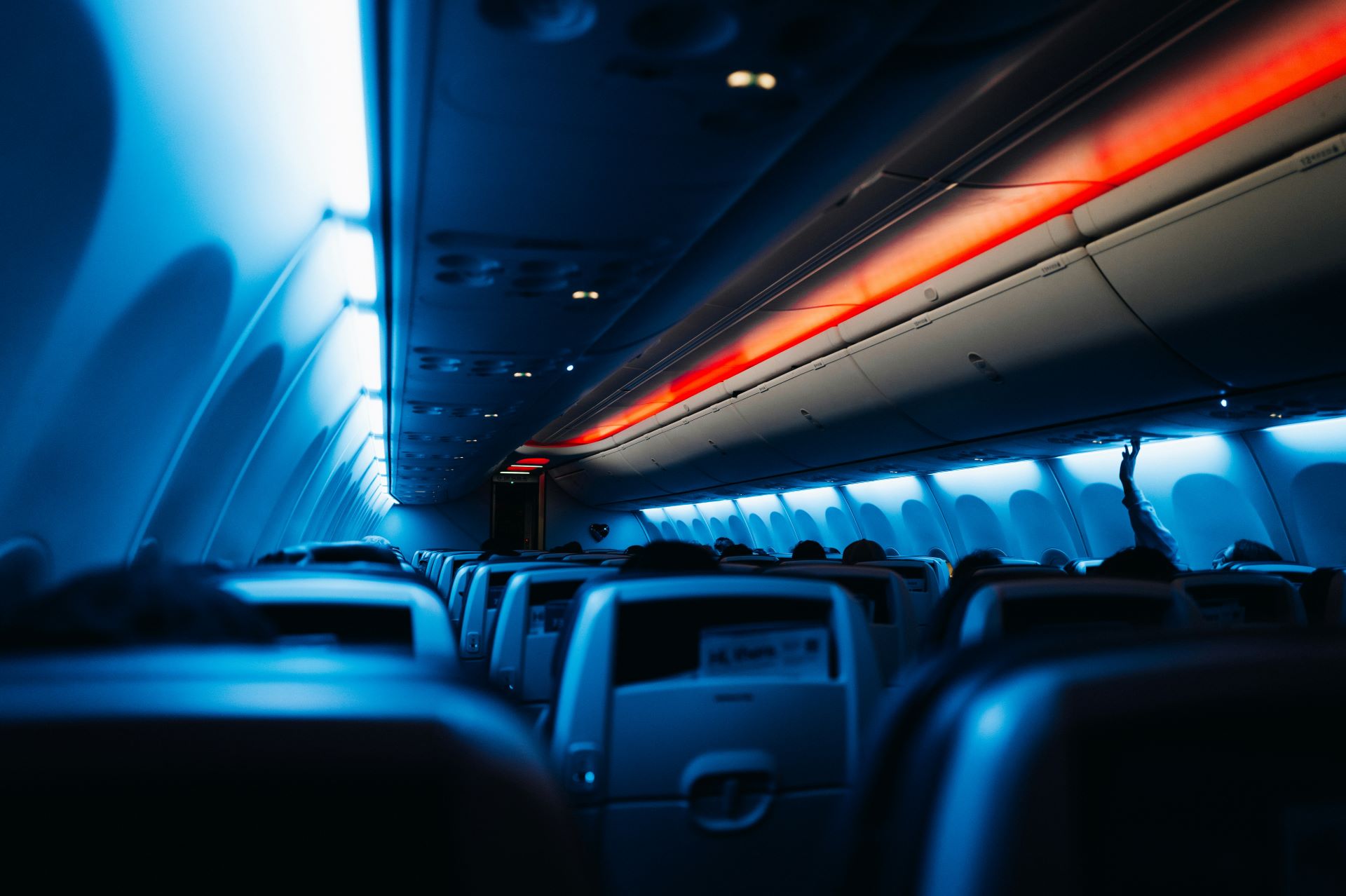
Technology and the Premium Economy Advantage
Technological integration has further enhanced the appeal of premium economy. Airlines are deploying advanced seat designs featuring USB-C charging ports, wireless streaming capabilities, and personal device mounts, catering to both leisure and business travelers who wish to remain connected throughout the journey. Entertainment systems in premium economy are often upgraded relative to standard economy, offering larger screens, a wider selection of movies, TV shows, and audio content, as well as noise-canceling headphone options that improve the overall travel experience.
Beyond physical amenities, digital innovation has streamlined passenger journeys. Dedicated check-in kiosks, priority boarding notifications, and mobile app integration ensure premium economy passengers experience fewer delays and greater convenience. These incremental improvements contribute to a sense of exclusivity and service differentiation, enhancing the overall perception of value and justifying the incremental fare.
Case Studies: Airlines Leading the Way
Singapore Airlines has long been a standard-bearer for premium economy innovation. Its cabins feature ergonomically designed seats with adjustable headrests, a generous 38-inch seat pitch, and culinary options that rival those of business class. Lufthansa’s long-haul premium economy, with its spacious seats and dedicated crew, provides a similarly elevated experience, appealing to both business travelers and premium leisure passengers. On the other side of the globe, Qantas emphasizes comfort and relaxation, with amenity kits, upgraded dining, and access to a premium check-in experience that underscores the brand’s commitment to value-driven luxury.
Emerging airlines are also entering the space with competitive offerings. Middle Eastern carriers, leveraging state-of-the-art fleet capabilities, provide premium economy options that blend traditional service excellence with modern amenities. The result is a global trend where travelers now expect more from their long-haul flights, regardless of cabin class, and airlines are responding in kind.
Economic and Environmental Considerations
While premium economy represents a middle ground between economy and business class, it also introduces operational considerations. Aircraft cabin reconfigurations, additional space per passenger, and higher service standards increase airline costs. However, these costs are often offset by the higher revenue yield per seat. Furthermore, in a climate-conscious travel landscape, premium economy offers a nuanced advantage. By delivering enhanced comfort without the expansive space and weight of a business-class seat, airlines can optimize passenger density while minimizing additional fuel consumption and emissions—a factor that increasingly resonates with environmentally conscious travelers.
The Future of Premium Economy
Looking ahead, premium economy is poised for continued growth, driven by evolving passenger expectations, technological innovation, and economic factors. Airlines are likely to further differentiate this cabin segment, with modular seating, wellness-focused features, and personalized service enhancements that blur the lines between economy and business class. Innovations such as adjustable lumbar support, climate-controlled seating, and AI-driven in-flight service recommendations could redefine the segment in the next decade.
The segment’s expansion is also likely to influence corporate travel policies and loyalty programs. As more travelers experience the tangible benefits of premium economy, the perceived value of upgrades will rise, driving higher demand and greater market penetration. Airlines that successfully balance comfort, service, and cost will continue to capture the loyalty of a growing cohort of long-haul passengers.

Redefining the Long-Haul Experience
Premium economy has evolved from a marginal offering into a cornerstone of modern long-haul travel. It addresses the dual imperatives of comfort and cost, providing passengers with an elevated experience that is both attainable and meaningful. The segment reflects a broader shift in consumer priorities: travelers now demand well-being, convenience, and quality, without necessarily paying the premium associated with traditional business or first-class travel.
For airlines, premium economy is more than a cabin class—it is a strategic differentiator, a revenue engine, and a statement of understanding consumer needs in an increasingly competitive marketplace. As the aviation industry continues to adapt to the changing dynamics of travel behavior, premium economy will remain a critical conduit through which passengers, airlines, and the broader tourism ecosystem find balance—a space where comfort meets cost, and expectations meet reality.
Breyten Odendaal
Specializing in the intersection of high-fidelity capture and spatial computing, providing expert analysis on the hardware and software ecosystems defining the metaverse.