


Freedom, escape, and discovery in South African skies
Few experiences stir the imagination quite like flight. From the moment an aircraft taxis toward the runway to that exhilarating surge as it lifts from the tarmac, human beings are reminded of what it means to transcend boundaries—both physical and psychological. The act of flying, even in its most routine form, is deeply symbolic. It speaks to our innate yearning for freedom, escape, and discovery. For South Africans, whose country stretches from windswept coastlines to vast savannahs, flight is not only a mode of transport—it’s an emotional experience that connects people to possibility.
In recent years, as travel has rebounded and regional tourism has surged, airlines have become remarkably adept at translating these emotions into marketing narratives. Campaigns by local carriers have shifted from simply selling seats to selling sensations: the rush of departure, the comfort of belonging, and the promise of something new awaiting at journey’s end. Beneath it all lies a simple truth—the psychology of flight is as powerful as the technology that makes it possible.
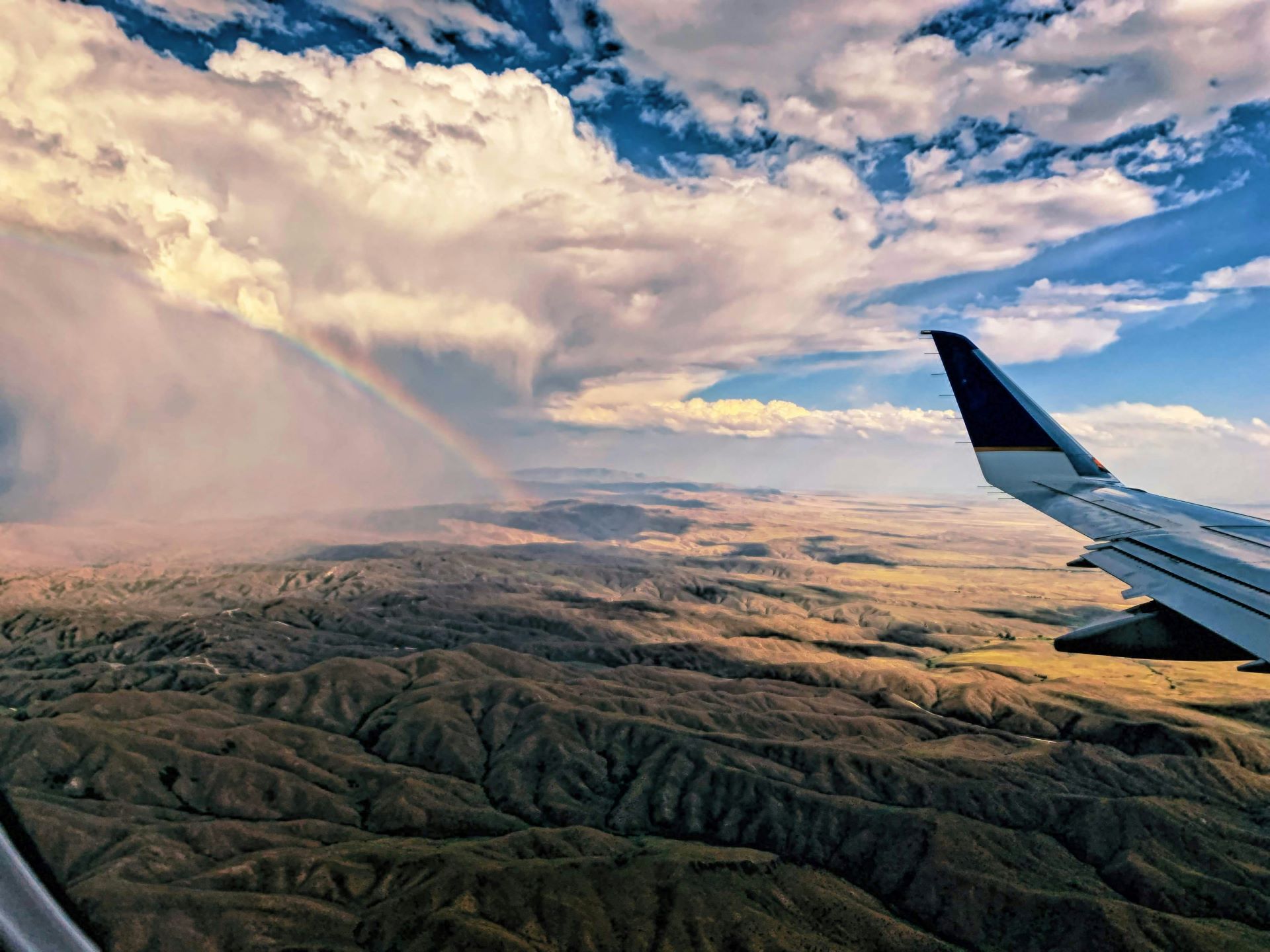
The Dream of Departure
The human desire to rise above the ground is ancient. For centuries, myths and folklore imagined what it might be like to soar—the wings of Icarus, the chariots of the gods, or the dreams of explorers staring skyward. When the Wright brothers finally achieved sustained flight, they unlocked something deeply primal. Today, that yearning persists, even if it takes the shape of a boarding pass rather than a myth.
In South Africa, where distances between major cities and remote tourism destinations can span hundreds or even thousands of kilometres, flight represents liberation. It turns days of driving into an hour of ascent. It bridges Cape Town’s cool Atlantic breezes with the heat of Kruger’s bushveld. It connects Johannesburg’s highveld energy with the coastal calm of Durban or Port Elizabeth. For many, it is the gateway to rediscovering their own country—an experience that still holds wonder, even for frequent flyers.
Airlines understand this. FlySafair’s cheerful brand personality, with its bright pink aircraft and upbeat messaging, plays directly to the joy and spontaneity of taking off. It sells not just affordability, but the idea that flying should be accessible, uplifting, and playful. Meanwhile, Lift Airlines cultivates a sense of urban chic and individuality—its flexible bookings and customer-focused design appealing to travellers who associate flight with personal freedom. Both tap into the same psychological current: that stepping onto a plane is an act of optimism.
The Science of Freedom
Psychologically, flying satisfies one of our most profound needs: autonomy. The ability to move beyond immediate surroundings has always been equated with power and freedom. Whether it’s a business traveller boarding an early morning flight from Lanseria or a family en route to Mauritius, flight offers a rare moment of total detachment from the everyday. Once the cabin doors close and the engines hum, the world below fades. The inbox quiets. The mind resets.
This emotional release is something airlines subtly amplify. The sensory design of a modern aircraft cabin—the soft lighting, the sound insulation, the rhythmic cadence of the safety briefing—creates a liminal space between departure and arrival. It’s neither here nor there, and that’s precisely why it feels freeing. It is time suspended. South African Airways, even in its new chapter of renewal, continues to frame its onboard experience around dignity and calm, a reminder that national identity can still find expression at 35,000 feet.
There’s a deep psychology in that. When we fly, we are momentarily untethered from the structures that define us on the ground—our jobs, our routines, even our self-perception. Airlines, particularly in their advertising, often promise this release: not escape in the reckless sense, but escape in the restorative one. The ability to rise, to gain perspective, to see the world anew.
Escape and Renewal
In the post-pandemic era, this idea of escape has taken on renewed importance. For South Africans who spent months grounded, flight became not just a convenience but a form of emotional recovery. The first trip to visit family in another province, the first holiday flight to Zanzibar or Victoria Falls—all were charged with the kind of emotional energy usually reserved for milestones. Airlines were quick to recognise this. Their marketing shifted tone: less transactional, more personal.
Airlink, for instance, built its reputation on connecting smaller cities and regional destinations—places that evoke authenticity rather than anonymity. Its campaigns emphasise not the glamour of travel, but the intimacy of connection: friends reunited, families gathered, experiences rediscovered. It’s travel as restoration.
Psychologists describe this phenomenon as the transformative potential of movement. In essence, travel allows individuals to rewrite personal narratives. The act of leaving home, even briefly, enables emotional recalibration. That’s why airline marketing so often focuses on departure imagery—the moment of take-off symbolises renewal. For South African tourists, that might mean trading the urban intensity of Johannesburg for the serenity of the Garden Route, or escaping winter for the Indian Ocean’s tropical warmth. Either way, the psychology is the same: flight reawakens curiosity and balance.
Discovery and Perspective
Beyond freedom and escape lies discovery—the third emotional pillar of flight’s allure. Humans are explorers by nature. We derive meaning from encountering the unfamiliar. Air travel compresses the world, making discovery accessible within hours. A short regional flight from Cape Town can lead to the dunes of Namibia, the Okavango’s delta waters, or the cultural heartbeat of Maputo. Each destination broadens the psychological horizon.
This is why airline marketing often leans heavily on imagery of arrival rather than the flight itself. Aerial perspectives, sunrise landings, passengers stepping into vibrant markets or pristine landscapes—these are visual metaphors for transformation. Airlines like CemAir and Airlink frequently use destination-led campaigns that blend logistical precision with emotive storytelling. The aircraft becomes a vessel of discovery, a modern-day ship of dreams.
From a psychological standpoint, discovery also feeds into self-identity. Each journey reaffirms who we are—or who we wish to be. The tourist returning from Mauritius is not simply bringing home souvenirs, but a refreshed version of themselves. The traveller who flies to a conference in Nairobi or Kigali carries back not only knowledge but also confidence, perspective, and belonging to a larger world. Flight, therefore, is not merely physical—it’s existential.
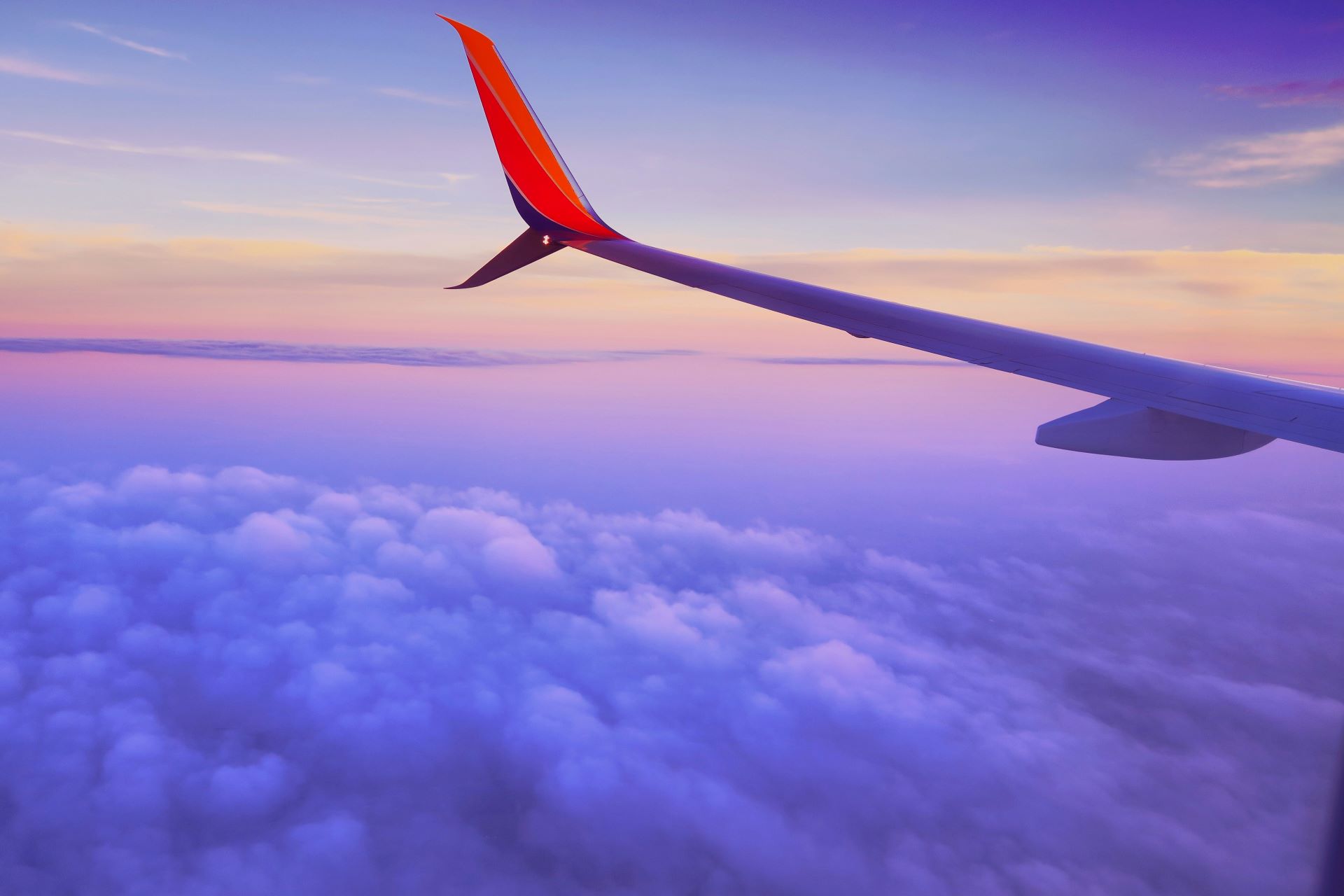
Marketing the Sky: Emotional Engineering
Airline marketing is perhaps the purest expression of aspirational psychology in the tourism industry. It sells emotions packaged as experiences. Every advertisement, tagline, and loyalty programme is crafted to evoke an internal narrative.
In South Africa, where aviation competes with a strong culture of road travel, emotional differentiation becomes key. Airlines don’t just compete on price—they compete on feeling. FlySafair markets the joy of convenience and community. Lift sells sophistication and self-expression. Airlink trades on reliability and trust. SAA, in its new branding direction, emphasises national pride and renewal. Each leverages the same psychological architecture: freedom (autonomy), escape (restoration), and discovery (growth).
Even the smallest details—the design of safety cards, the scent of the cabin, the voice in the safety video—are shaped by behavioural insights. Lift’s decision to use local music in its pre-flight ambience creates a sensory link to cultural identity. FlySafair’s social media tone mirrors the cadence of a friend sharing good news. These are subtle, but profoundly effective, cues that humanise the flying experience.
The Social Dimension of Flight
Flying is rarely a solitary act. Even when we travel alone, we do so within a shared ritual—check-in queues, gate announcements, the chorus of engines at take-off. It is a collective experience that mirrors society itself: structured, yet unpredictable; impersonal, yet deeply human. This duality is what gives aviation its psychological richness.
For South Africans, the social aspect of flight carries particular resonance. In a country of vast distances and diverse cultures, the ability to connect by air has always been symbolic of unity. Airlines play a subtle nation-building role, linking cities and communities that might otherwise remain isolated. The flight from Johannesburg to Upington, from Durban to George, is more than a logistical route—it’s a thread in the national fabric.
Airline marketing often taps into this sentiment. Campaigns that feature reunion scenes, family hugs at arrivals, or couples rediscovering each other in far-flung destinations are not clichés—they are mirrors of shared social aspirations. They reflect the universal truth that flight brings people together, shrinking not just distance but difference.
The Nostalgia of Flight
Despite its modern efficiency, flying retains a powerful nostalgic quality. There’s something romantic about the ritual of it all—the anticipation of check-in, the rhythmic buzz of an airport, the quiet hum before take-off. For many South Africans, air travel still carries the prestige of occasion, especially given the country’s long and evolving aviation history.
Older generations recall the golden age of South African Airways, when travel embodied glamour and national pride. Today’s travellers, raised on low-cost carriers and digital bookings, experience a different kind of nostalgia—the emotional echo of what flight once represented. Airlines subtly rekindle this in their branding: Lift’s minimalist sophistication nods to mid-century design; SAA’s new brand renewal channels heritage with forward-looking optimism.
Nostalgia is an anchor in uncertain times. Psychologically, it provides continuity between past and present, reminding us that progress need not mean loss. Airlines that understand this—those that weave heritage into their marketing—tap into a deeper sense of trust. They remind passengers that even as the world changes, the sky remains a constant.
The Quiet Moments Above the Clouds
Amid all the motion and emotion, there is a stillness that defines flight. It’s found in the dim cabin light as the world below fades into darkness, in the hush after a meal service, in the soft vibration of the aircraft as it cuts through the upper atmosphere. These moments, however fleeting, are psychologically restorative. They provide clarity.
This meditative quality of flight—detachment from the ground, literal and figurative—is something few other travel modes can replicate. It’s why long-haul flights often spark introspection or creativity. Many South African travellers, gazing out over the Atlantic en route to Europe or the Indian Ocean, describe the experience as both humbling and empowering. It’s the rare moment in modern life when one is physically still, yet spiritually moving.
Airlines have begun to recognise this in their cabin design and service philosophy. Quiet zones, ambient lighting, inflight meditation playlists—all acknowledge that flight is as much about inner travel as outer. The psychology of peace, once incidental, has become part of the passenger proposition.
Airlines as Emotional Architects
In an age where digital experiences dominate, airlines occupy a unique psychological space. They deal in tangible emotion. The runway lights, the cabin scent, the skyline view—all become sensory touchpoints of brand experience. South African airlines, though operating in a competitive and sometimes volatile market, have excelled in transforming constraints into character.
FlySafair’s humour humanises budget travel. Lift’s refinement redefines what modern flying can feel like. Airlink’s consistency restores faith in regional connectivity. Even SAA, after years of turbulence, is re-emerging with a focus on emotional reassurance—reminding passengers that trust, once broken, can be rebuilt.
Each of these narratives reflects an understanding that flying is more than logistics. It is emotion, engineered.
The Future of Flight Psychology
As technology reshapes aviation, the emotional dimension of flight will only grow in importance. Artificial intelligence, biometrics, and seamless travel experiences may streamline the journey—but the heart of flying remains the same. What will distinguish airlines in the next decade is not their fleet or fare, but their ability to speak to human emotion in a digital age.
For South African and regional carriers, this presents an opportunity. As intra-African travel expands and global tourism refocuses on experience-driven journeys, airlines that understand the psychology of flight will lead. Those that market not just routes, but feelings—liberation, belonging, transformation—will create enduring loyalty.
The sky, after all, is more than airspace. It’s emotional space. It’s where people reconnect with freedom, rediscover themselves, and reimagine the world below.
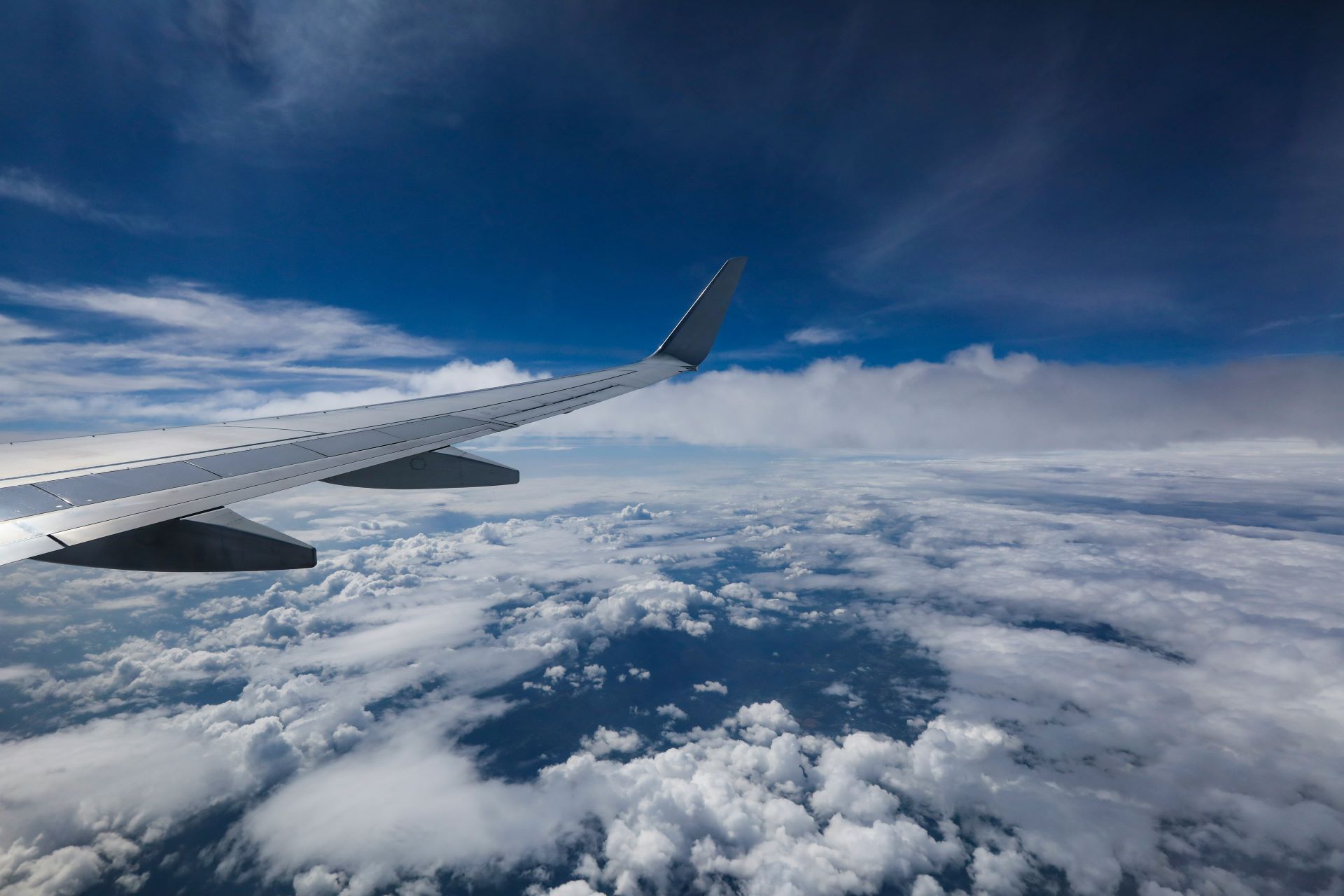
Where Sky Meets Soul
Every take-off is a small miracle. It defies gravity, yes, but it also transcends the weight of the everyday. In South Africa, a country defined by motion and diversity, flight has become more than transportation—it is metaphor. It speaks of potential, of resilience, of the timeless human desire to rise.
The psychology of flight is, ultimately, the psychology of hope. Airlines may operate engines and wings, but what they truly sell is belief: that there is always somewhere worth going, and always something waiting to be discovered—within the world, and within ourselves.