


Beyond the Gate
Air travel is as much an emotional experience as it is a logistical one. From the moment passengers step into an airport, subtle cues begin shaping perceptions, moods, and expectations. Among these cues, boarding—the act of transitioning from the terminal to the aircraft—plays a surprisingly influential role. While an airline’s fleet, route network, or in-flight service often garners attention, the psychological impact of boarding, queue management, and lounge access remains a largely understated factor in passenger satisfaction.
Modern travellers are no longer content with merely getting from point A to point B. They seek comfort, efficiency, and predictability even before take-off. The boarding process, often overlooked as a mundane necessity, can make or break the perceived quality of a journey. It is here that the intersection of psychology and operational strategy becomes crucial. Airlines that understand and optimise the boarding experience can significantly reduce travel stress, engender loyalty, and elevate the overall perception of their brand.
The Emotional Weight of Waiting
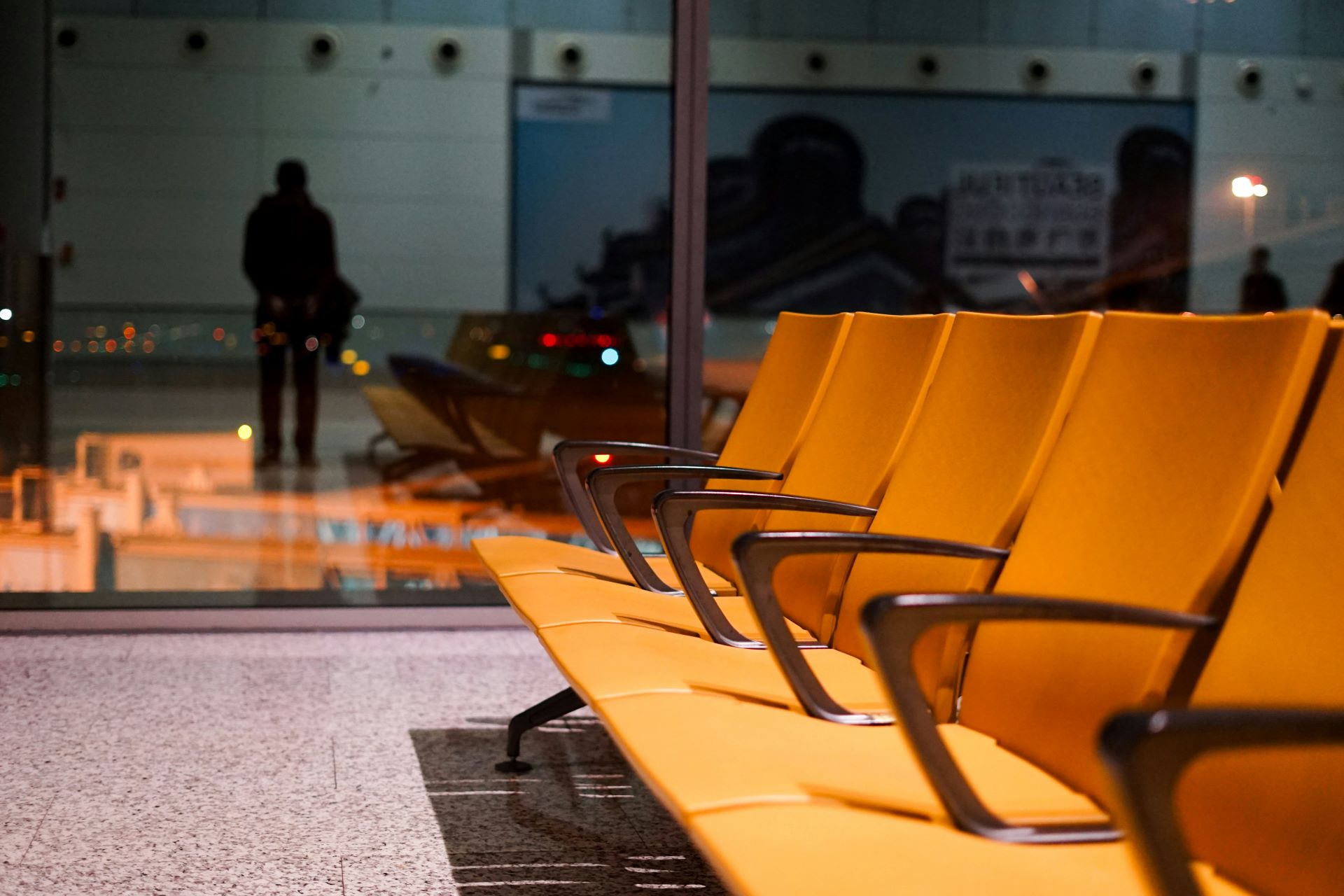
Airports are inherently stressful environments. They are bustling hubs where time is finite, distractions are abundant, and personal space is often limited. Boarding queues, in particular, can exacerbate anxiety, especially for passengers who fear delays, missed connections, or cramped seating. Studies in environmental psychology show that perceived control is a major determinant of stress levels. When passengers feel uncertain or powerless—pushed into overcrowded lines or left guessing about boarding times—stress hormones spike, creating negative associations with the airline even before take-off.
Queue design and management, therefore, are more than operational necessities; they are psychological tools. Airlines that segment passengers according to seat location, fare class, or loyalty status, and provide clear visual cues, signage, and staff guidance, help passengers regain a sense of control. Predictability reduces anxiety, while clarity in communication fosters trust. Even small interventions, such as digital displays showing boarding progress or mobile notifications, can significantly improve passenger mood.
The psychology of waiting also hinges on perceived fairness. Passengers are highly sensitive to inequities in service. If a line appears disorganised or if certain groups are perceived as receiving preferential treatment without justification, frustration can escalate. Conversely, structured boarding systems, such as zoned or staggered approaches, convey a sense of order and fairness, which mitigates stress.
The Role of Physical and Spatial Design
While queue management is pivotal, the physical environment of the gate area also shapes passenger psychology. Comfortable seating, adequate spacing, and ambient lighting can reduce the physiological manifestations of stress. Airports that integrate calming elements—natural light, art installations, or greenery—help passengers regulate emotions, creating a subtle but profound shift in mood. The spatial configuration of boarding areas also influences perceived efficiency. Narrow, congested waiting zones amplify the feeling of chaos, whereas wider areas with intuitive pathways encourage smooth flow and reduce the cognitive load of navigating crowds.
Airlines increasingly recognise that the boarding gate is an extension of the aircraft cabin experience. By treating it as a psychological transition space, they can smooth the shift from terminal stress to in-flight comfort. This is particularly relevant for long-haul travellers or those in premium cabins, where anticipation of a relaxing journey is part of the overall value proposition.
Lounge Access: A Buffer Against Anxiety
Lounge access is one of the most powerful tools airlines have for influencing passenger mood before boarding. Beyond offering comfort and amenities, lounges function as psychological buffers, insulating travellers from the sensory overload of the main terminal. Studies in consumer behaviour indicate that environments which provide a sense of exclusivity, control, and privacy can significantly reduce stress and elevate satisfaction.
Passengers in lounges have control over their pre-flight routine—they can eat, rest, work, or socialise at their own pace. Access to quiet zones, premium services, and attentive staff reinforces feelings of competence and self-efficacy, which in turn reduce anxiety. For frequent travellers, lounges serve not only as a retreat but also as a status marker, reinforcing loyalty through psychological gratification.
Airlines that integrate lounge access with boarding systems—announcing zones or priority calls in a calm, discreet manner—further enhance passenger confidence. The transition from lounge to aircraft becomes less abrupt, almost ritualistic, transforming boarding from a logistical chore into a curated experience.
Technology as a Psychological Ally
Digital innovation is reshaping the boarding landscape, offering both efficiency and reassurance. Mobile boarding passes, biometric verification, and real-time notifications provide passengers with a sense of control over their journey. AI-driven crowd management tools can predict congestion and dynamically adjust boarding sequences, smoothing the passenger flow and minimising stress.
Virtual queuing and app-based check-ins reduce the frustration associated with physical waiting, creating what psychologists call a "perceived time compression" effect. Passengers feel their time is valued, which enhances overall satisfaction. Technology also allows for personalisation—airlines can tailor boarding sequences or lounge access based on loyalty status, travel history, or individual preferences, providing an emotionally intelligent touch to operational processes.
Boarding Rituals and Psychological Anchoring
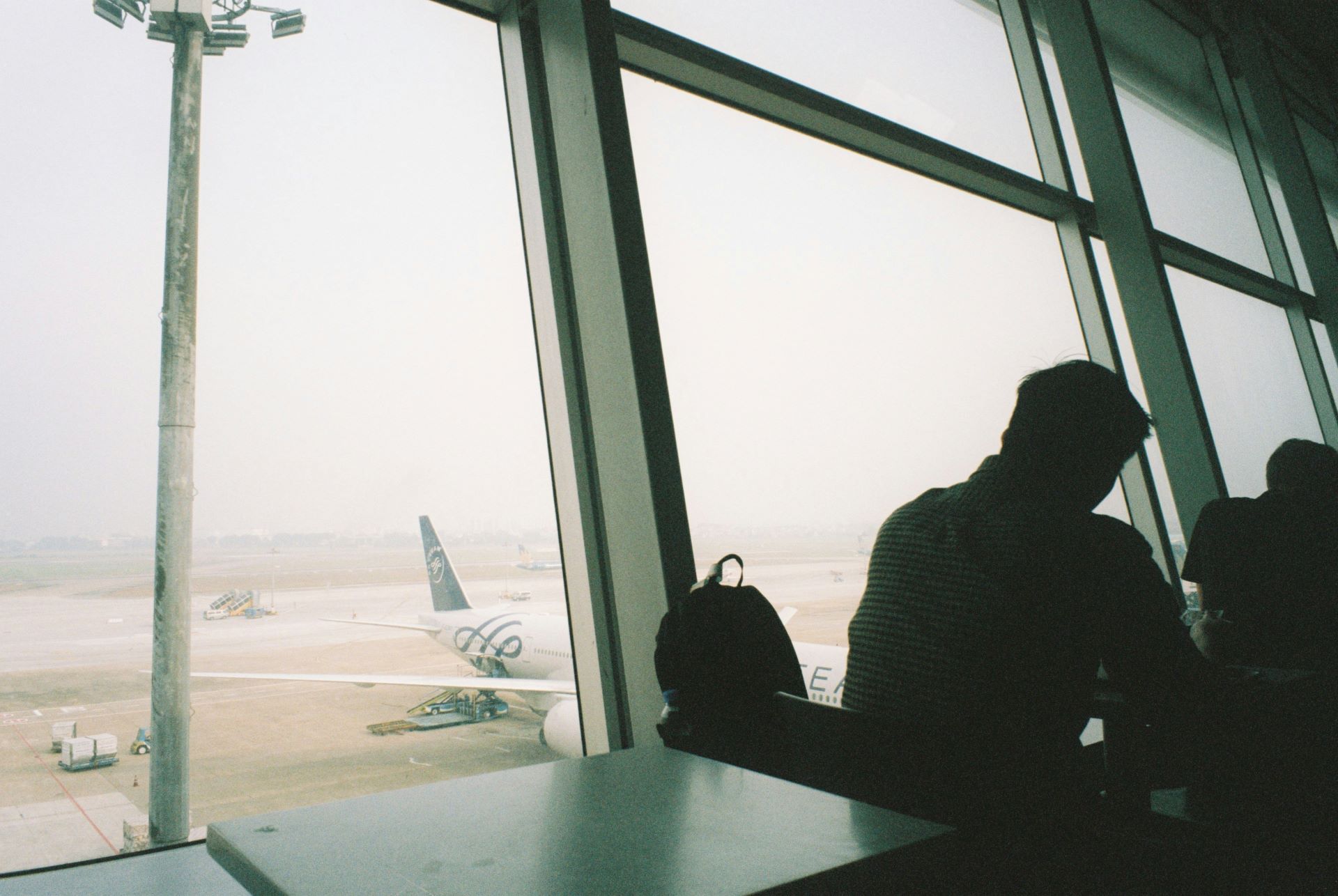
Ritualisation plays an often underestimated role in reducing travel stress. Passengers tend to respond positively to predictable, repeatable routines. Clear boarding calls, uniform procedures, and staff consistency act as psychological anchors, providing reassurance amidst the inherent unpredictability of air travel.
The power of ritual is amplified when combined with positive reinforcement. Friendly staff interactions, efficient handoffs, and small gestures, such as a welcome announcement or personalised boarding assistance, create a sense of safety and familiarity. These subtle cues tap into social and emotional needs, fostering trust and reinforcing the airline’s brand image.
Segmentation and Social Psychology
The social dynamics of boarding also contribute to passenger mood. Crowds evoke complex emotional responses—while some passengers feel energised by the collective experience, others experience heightened stress or claustrophobia. Airlines can mitigate negative social pressures by segmenting boarding groups not only by class or seat, but also by behavioural profiles. Families, solo travellers, and business passengers have distinct needs, and boarding sequences that acknowledge these differences reduce tension and optimise flow.
Visible staff support, clear signage, and strategically placed amenities further enhance the social environment. Passengers are more likely to feel respected, valued, and secure when the boarding experience acknowledges and accommodates individual needs.
Case Studies: Airlines Leading the Way
Several carriers have successfully leveraged the psychology of boarding to enhance passenger satisfaction. For example, airlines with zoned boarding systems often report fewer complaints and faster turnaround times. Premium carriers offering extensive lounge access report higher NPS (Net Promoter Score) ratings, underscoring the correlation between pre-flight comfort and overall perception.
Innovative airport designs, such as dedicated boarding bridges, sensory-friendly lighting, and intuitive signage, have become differentiators in competitive markets. These investments reflect a growing recognition that passenger perception begins before the door closes and extends beyond the flight itself.
Boarding as a Strategic Touchpoint
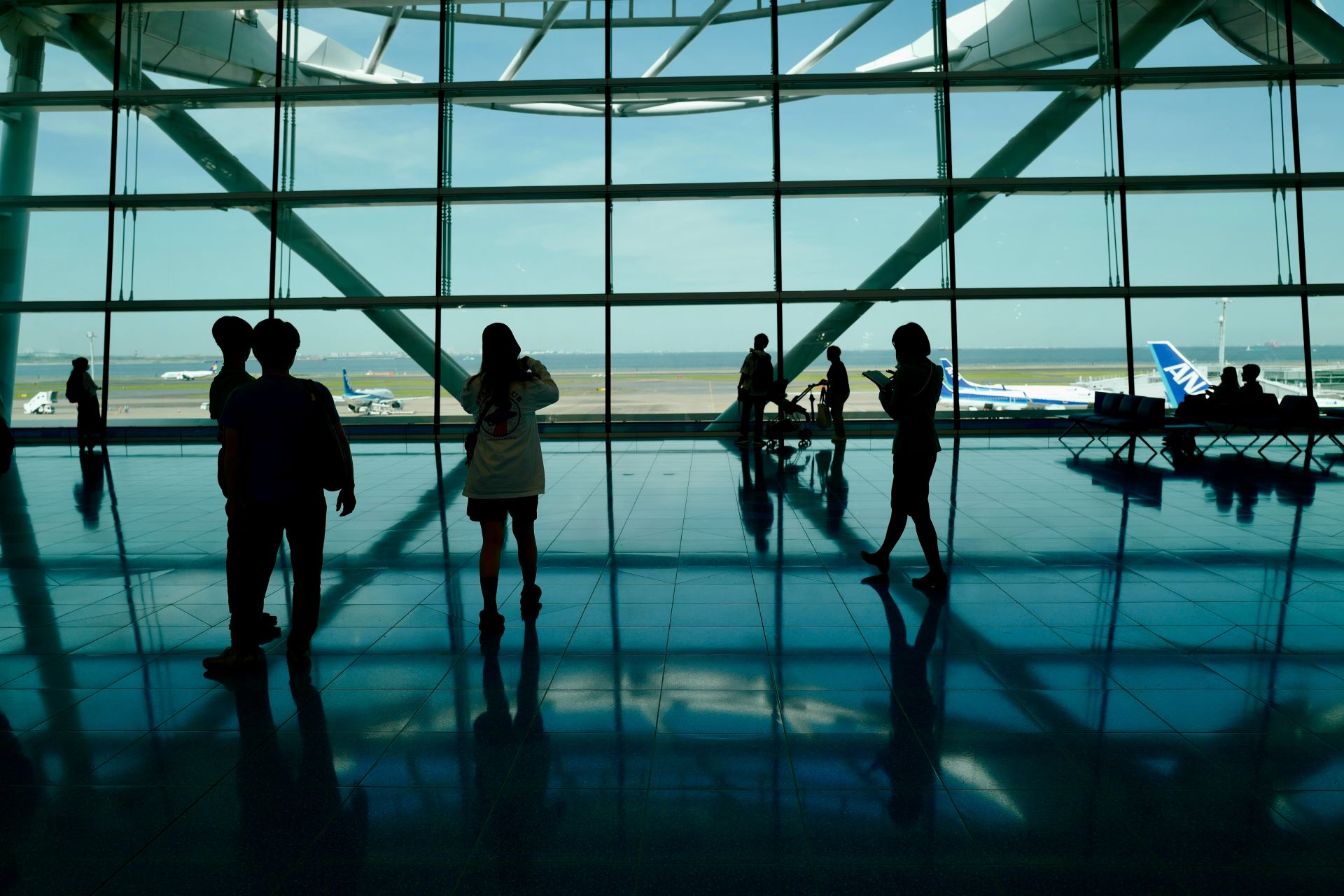
Airlines have long focused on punctuality, safety, and in-flight service as the pillars of customer satisfaction. Yet, the psychology of boarding represents an equally crucial frontier. By addressing emotional and cognitive dimensions—through efficient queues, thoughtfully designed spaces, lounge access, and technology—airlines can transform a potentially stressful process into a seamless, reassuring experience.
In the era of experience-driven travel, boarding is no longer a logistical necessity; it is a strategic touchpoint, a moment where the airline brand is felt as much as it is seen. Those carriers that prioritise the human psychology of boarding are not only reducing stress—they are cultivating loyalty, enhancing reputation, and redefining what it means to travel well.
Passengers may board to reach a destination, but the journey begins the moment they approach the gate. For airlines, mastering the psychology of that moment is not just good service—it is smart business.