


For many travellers, the holiday no longer starts at the hotel check-in desk or with the first barefoot step onto warm sand. It begins earlier, somewhere between the boarding call and the muted thud of the aircraft door closing. In that suspended moment, when the outside world narrows to a window and a seat number, airlines quietly take control of the story. Before the destination has a chance to speak for itself, the airline becomes the narrator, shaping expectations, mood and memory.
This first chapter matters more than ever. In an age where travellers photograph, review and emotionally annotate every stage of a journey, the flight is no longer a necessary inconvenience. It is a psychological runway. Airlines that understand this have stopped thinking of cabins as transport modules and started treating them as immersive spaces. Mood lighting, scent, sound design, uniforms, menus and even the cadence of cabin announcements are chosen with intention. Together, they form a pre-arrival experience that nudges travellers toward excitement, relaxation or curiosity long before the aircraft descends.
Airline tourism now exists in this liminal space. It is not quite travel and not quite destination, but something in between. The most successful carriers have learned that if you get the first chapter right, the rest of the holiday reads more generously.
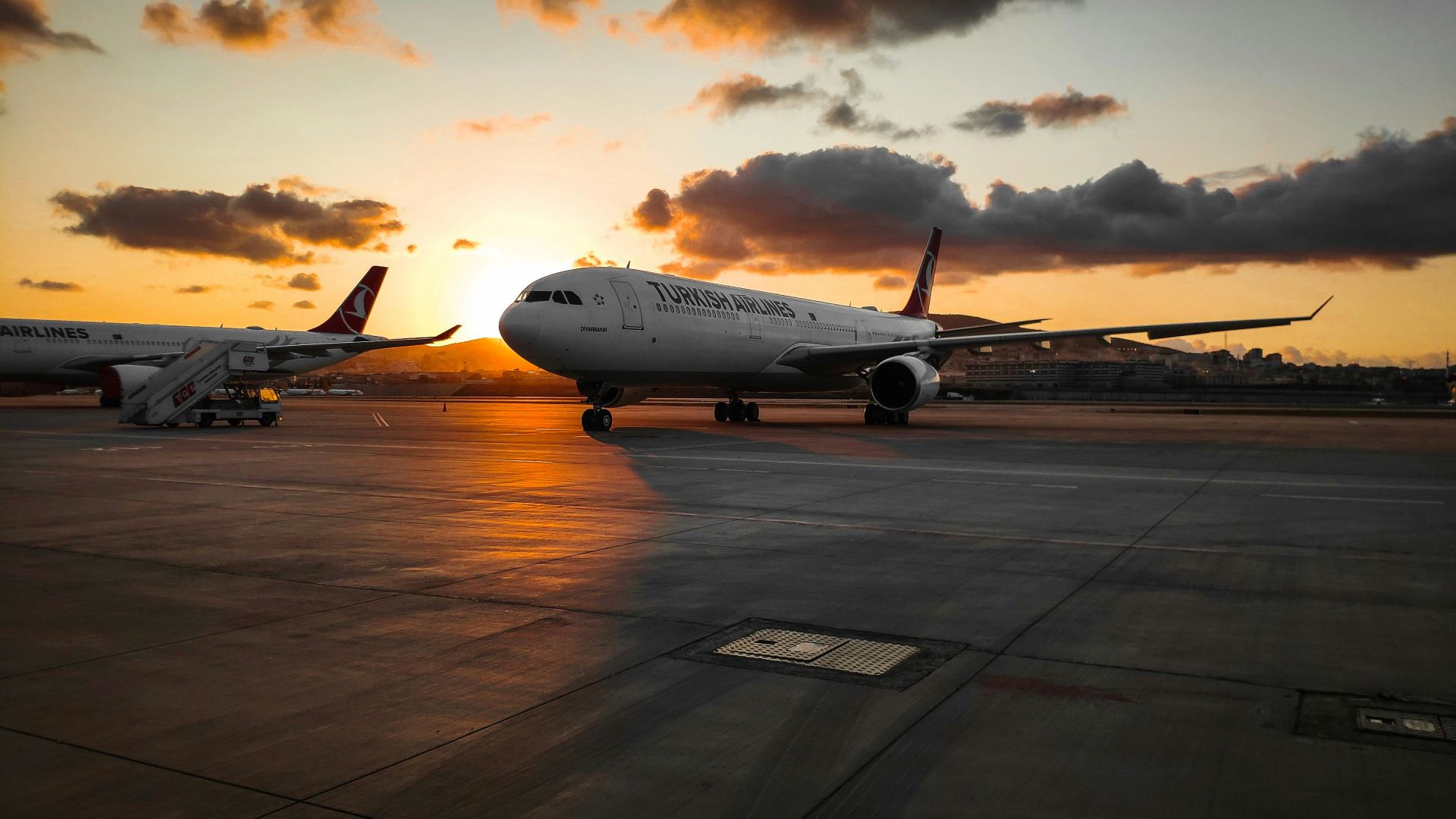
First Impressions at 30,000 Feet
Psychologists have long argued that first impressions are stubborn things. Once formed, they colour everything that follows. Airlines, perhaps unintentionally at first, have become experts in impression-setting because the aircraft cabin is one of the few places where a brand has near-total environmental control.
From the moment passengers step on board, subtle cues begin to work. Cabin lighting shifts away from the harsh brightness of the terminal. The temperature is adjusted to a neutral comfort that feels like relief after the airport’s sensory chaos. Crew greet passengers not just with a rehearsed phrase, but with posture, tone and eye contact that signal what kind of journey this will be.
For leisure travellers, this matters deeply. A flight to a beach destination that feels rigid, transactional and tense can flatten anticipation. The same route, delivered with warmth, visual softness and a sense of unhurried hospitality, becomes a gentle psychological descent into holiday mode. Airlines that fly tourists regularly understand that they are not just moving people. They are easing them out of one mental state and into another.
This is where branding moves beyond logos and liveries. It becomes behavioural. A calm boarding process communicates organisation and care. A relaxed yet attentive cabin crew suggests that the coming days will be similarly effortless. These impressions are absorbed before the first drink is poured and often remembered long after the flight number is forgotten.
Cabin Design as Emotional Architecture
Aircraft cabins are among the most constrained design environments in the world. Space is limited, safety is paramount and weight is always the enemy. Yet within these constraints, airlines have found room for emotional expression. Cabin design has become a form of architecture aimed not at buildings, but at feelings.
Seat materials, textures and colours are chosen to evoke a particular atmosphere. Earthy tones and natural fabrics hint at eco-conscious destinations or outdoor escapes. High-contrast palettes and sharp lines suggest cosmopolitan energy. Even the way overhead bins curve or lights wash across the ceiling can influence how spacious or intimate a cabin feels.
Lighting, in particular, has emerged as one of the most powerful mood-setting tools. Dynamic lighting systems now shift through warm ambers, soft blues and sunset hues, guiding passengers gently through different phases of the journey. On leisure routes, airlines often favour warmer palettes that echo destination sunsets or coastal evenings. The cabin becomes a visual prelude, subtly training the eye and mind for what awaits on the ground.
This emotional architecture works quietly. Few passengers consciously analyse seat stitching or wall panels, yet they feel the cumulative effect. Comfort is no longer just about legroom. It is about whether the space feels forgiving, human and aligned with the promise of escape.
Sound, Silence and the Art of Letting Go
While visual design often gets the spotlight, sound is just as influential in shaping the first chapter of a holiday. Airports are noisy, chaotic places filled with overlapping announcements, rolling luggage and impatient footsteps. Stepping onto an aircraft often brings an immediate reduction in auditory clutter, and airlines can amplify this contrast deliberately.
Some carriers curate boarding music that reflects destination culture or brand personality. Soft jazz for urban escapes, acoustic melodies for island routes, or understated ambient tracks for long-haul relaxation. These sounds do not demand attention, but they frame the moment. They tell passengers that something different has begun.
Just as important is silence. The absence of unnecessary announcements, the gentle hum of the aircraft rather than intrusive jingles, and the restraint to speak only when needed all contribute to a sense of calm. For holiday travellers, calm is currency. It signals that the stress of everyday life is being left behind, altitude by altitude.
The tone of mandatory announcements also matters. A safety briefing delivered with warmth and clarity rather than rushed formality can reinforce trust and ease. When passengers feel cared for rather than processed, their emotional defences lower. They become more receptive to the experience ahead.
Crew as Storytellers, Not Just Service Providers
Cabin crew are often described as the face of an airline, but for leisure travel they are something more nuanced. They are the narrators of the first chapter. Through their behaviour, language and presence, they communicate what kind of story this journey belongs to.
On tourist-heavy routes, experienced crew know when to lean into friendliness and when to step back. They recognise honeymooners by their nervous smiles, families by their careful choreography and solo travellers by their quiet observation. Small gestures, a congratulatory note, a playful interaction with a child, a destination tip shared casually, all contribute to a sense of being seen.
This is storytelling through human interaction. It is not scripted, yet it aligns with brand values. An airline positioning itself as relaxed and informal must empower crew to behave that way authentically. One that promises refined luxury must ensure that warmth does not tip into familiarity.
Passengers may forget the specifics of inflight meals or entertainment options, but they remember how they were made to feel. A crew that embodies the spirit of the destination begins that emotional journey early. The flight becomes less of a pause between places and more of a bridge.
Food and Drink as Cultural Foreshadowing
Meals at altitude have long been the subject of jokes, yet for airline tourism they play a surprisingly important role. Food is one of the most immediate ways to signal place and intention. Even when heavily adapted for inflight conditions, flavours carry meaning.
Airlines increasingly use menus as a form of cultural foreshadowing. A hint of local spice, a regional wine, or a dessert inspired by destination traditions can spark curiosity and anticipation. For travellers heading to a new country, this first taste becomes a sensory introduction. For returning visitors, it acts as a nostalgic cue.
Presentation matters as much as flavour. Thoughtful plating, descriptive menu language and intentional pacing elevate the experience from sustenance to storytelling. When food feels considered, passengers perceive the entire journey as more deliberate.
This approach extends to beverages. A welcome drink served with intention rather than haste sets a tone of hospitality. Non-alcoholic options crafted with the same care as cocktails signal inclusivity and awareness. These details reinforce the idea that the airline understands leisure travel as an experience, not a transaction.
Inflight Entertainment as Narrative Companion
Inflight entertainment systems were once simple distractions designed to make time pass faster. Today, they are increasingly curated narrative spaces. Airlines now think about what passengers watch, read and listen to as part of the holiday build-up.
Destination-focused content plays a key role. Short documentaries, travel features, music playlists and even language basics help passengers mentally arrive before the plane does. Watching a film set in the destination or listening to local artists subtly aligns imagination with reality.
The tone of the entertainment library also matters. A selection heavy on high-stress thrillers may clash with a brand positioning rooted in relaxation. Airlines that understand their leisure audience balance escapism with comfort, offering content that soothes as much as it entertains.
Even the interface design contributes to perception. Intuitive navigation, clean visuals and responsive screens signal competence and care. Frustration at 30,000 feet has a way of colouring everything else. Smooth experiences, by contrast, fade into the background, allowing passengers to focus on anticipation.
Branding Beyond the Logo
Branding in airline tourism is often misunderstood as visual consistency alone. In reality, it is behavioural consistency across every touchpoint of the journey. The flight is where this consistency is most tested and most visible.
From the language used in announcements to the way crew handle minor disruptions, every action either reinforces or undermines brand promises. An airline that markets itself as family-friendly must demonstrate patience and flexibility onboard. One that champions sustainability must show restraint in waste and communicate efforts transparently.
Leisure travellers are particularly sensitive to these cues because holidays are emotional investments. When branding feels authentic, it enhances trust. When it feels performative or contradictory, disappointment sets in quickly.
Successful airlines treat branding as an internal culture first and an external message second. The cabin becomes a stage where values are enacted, not advertised. Passengers, consciously or not, notice the difference.
The Psychology of Transition
Holidays are defined as much by transition as by destination. Leaving behind routines, responsibilities and identities is part of the appeal. Airlines occupy a unique position in this psychological shift. The cabin is a transitional space where work emails give way to daydreams and deadlines dissolve into sunsets.
Airlines that recognise this design for transition rather than efficiency alone. They allow moments of pause. They avoid rushing leisure passengers unnecessarily. They create an atmosphere where it feels acceptable to exhale.
This psychological easing has measurable effects. Passengers who feel relaxed early in the journey are more forgiving of minor issues later. They arrive more open, more present and more inclined to engage positively with the destination. In this sense, airlines indirectly influence not just perceptions of themselves, but of entire tourism ecosystems.
Memory, Emotion and the Return Flight
The first chapter of a holiday does not exist in isolation. It shapes how the entire story is remembered. Memory is selective and emotional peaks play an outsized role in recall. A positive flight experience can soften memories of a delayed connection or a rainy day at the destination.
Interestingly, the return flight also reframes the first. Travellers compare expectations with reality, and the outbound journey often becomes the emotional baseline. If the airline set the right tone initially, the return feels like a gentle closing chapter rather than an abrupt end.
This is why airlines invest so heavily in consistency. The promise made on the way out must be honoured on the way back. When it is, passengers associate the brand with the entire arc of the holiday, not just a single segment.
When the Airline Becomes Part of the Destination
The most successful airline tourism brands reach a point where the carrier itself becomes a reason to travel. Passengers choose routes, schedules and even destinations based on who flies there. The flight is no longer just the first chapter. It is a subplot worth reading on its own.
This happens when storytelling, service and design align seamlessly. When passengers feel that the journey itself is enriching, not just enabling. In these cases, airlines contribute actively to tourism narratives rather than passively supporting them.
Destinations benefit too. A well-aligned airline amplifies the appeal of place, smoothing first impressions and priming travellers for discovery. The partnership between airline and destination becomes symbiotic, each reinforcing the other’s promise.
Writing the First Chapter with Intention
Flying as the first chapter of a holiday is not about extravagance or gimmicks. It is about intention. It is about understanding that leisure travel is emotional before it is logistical. Airlines that grasp this design experiences that respect the psychological journey as much as the physical one.
At 30,000 feet, travellers are unusually receptive. They are suspended between what they leave behind and what they hope to find. In that space, airlines have a rare opportunity to shape perception, mood and memory.
When done well, the flight fades into the holiday seamlessly. Passengers step off the plane already aligned with the destination’s rhythm, already softened by the journey. The story has begun, and it feels like it has always been heading there.