


A New Era for Air Travel
Aviation has long been synonymous with progress. From the Wright brothers' first powered flight in 1903 to the introduction of supersonic jets and now, the age of space tourism, flight has consistently pushed boundaries. Yet as the world becomes more environmentally conscious, the aviation industry faces a significant transformation. The future of flight tourism hinges not only on innovation but on responsibility—shaping a future where adventure meets sustainability.
Today, that future is already unfolding. Electric aircraft, carbon-neutral airports, and biofuel-powered jets are moving from experimental to operational. As climate change continues to dominate global discourse, the aviation sector is stepping up to rethink everything from propulsion to passenger experience. In this future-forward reimagining of air travel, the tourism sector stands to benefit—and lead—the charge toward a cleaner, greener sky.
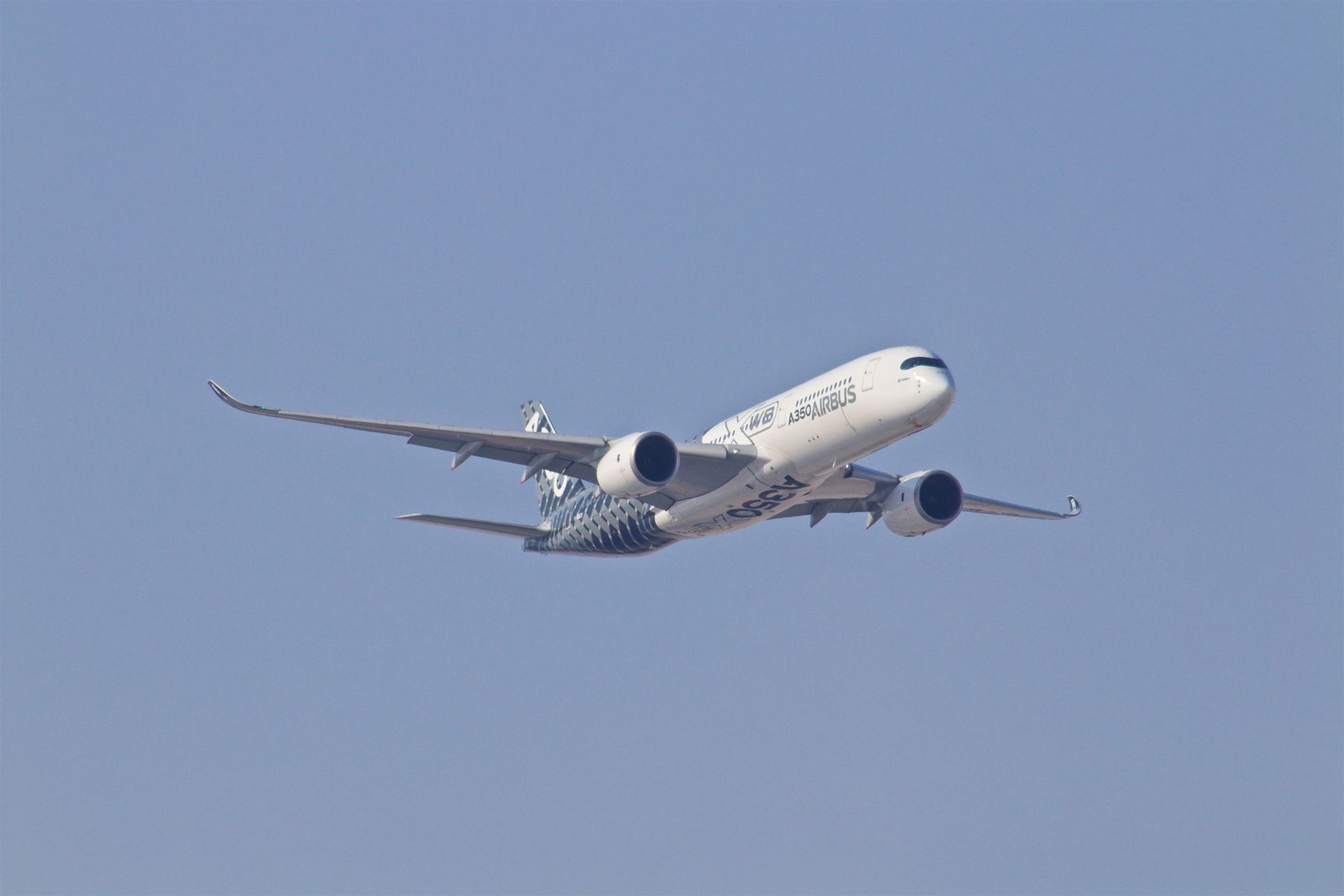
Electric Aircraft: Powering the Next Generation of Skyward Travel
Electric aviation isn't just a futuristic dream; it's rapidly becoming a commercial reality. With major players like Rolls-Royce, Airbus, and startups like Eviation and Heart Aerospace developing all-electric planes, the age of zero-emissions air travel is dawning.
Battery-powered aircraft offer substantial environmental benefits. Without the need for traditional jet fuel, they produce no carbon emissions during flight. They're also quieter, potentially reducing noise pollution around airports and making regional air travel more viable in noise-sensitive zones.
The first generation of electric planes will mostly serve short-haul routes. These journeys are ideal testbeds due to limited range requirements and existing infrastructure. For instance, the nine-seater Alice by Eviation is designed for regional hops of up to 400 km. While that's modest by global standards, it's a crucial first step.
Scalability remains a challenge. Current battery technology restricts range and payload, making electric propulsion most feasible for commuter and shuttle aircraft. However, ongoing advancements in battery energy density and hybrid systems may soon unlock longer-haul capabilities. Hydrogen fuel cells, too, offer promise for medium-range flights, with Airbus aiming for hydrogen-powered commercial planes by 2035.
For tourism, electric planes could open new doors. Island-hopping, scenic regional routes, and eco-conscious luxury travel could flourish in an electric future, offering sustainable experiences without the guilt of a large carbon footprint.
Green Airports: Rethinking Infrastructure from the Ground Up
Flight sustainability doesn’t end in the air. On the ground, airports are undergoing green revolutions of their own. These massive transport hubs—once notorious for energy consumption and carbon output—are being redesigned for efficiency and sustainability.
From solar-powered terminals to circular water systems and electric ground fleets, airports are integrating green infrastructure across operations. Oslo Airport was one of the first to achieve carbon neutrality, setting a standard that others are now racing to match. Singapore’s Changi Airport and Hamad International Airport in Doha are also incorporating smart energy systems, green architecture, and biodiversity considerations.
The shift to green airports is being driven by both regulatory frameworks and consumer demand. Travellers today are increasingly conscious of their environmental impact. Airports that invest in sustainability are not only future-proofing their operations but also improving brand image and passenger satisfaction.
Technological innovations are playing a major role. Artificial intelligence, IoT (Internet of Things), and data analytics are enabling airports to optimise everything from air conditioning to runway lighting. Smart sensors monitor energy usage, waste levels, and passenger flow, while automation reduces inefficiencies. All of this culminates in a smoother, cleaner, more sustainable travel experience.
Sustainable Skies: Rethinking Aviation Fuel and Carbon Strategy
Electric propulsion may be the future, but jet fuel still dominates long-haul and international aviation. Bridging this gap requires transitional strategies, particularly in fuel innovation.
Sustainable Aviation Fuel (SAF) is currently the most immediate and scalable solution. Produced from renewable sources like waste oils, agricultural residues, and non-food crops, SAF can reduce lifecycle carbon emissions by up to 80% compared to traditional kerosene-based fuels. Airlines such as KLM, British Airways, and United are already integrating SAF into their operations, with government and industry targets accelerating uptake.
But SAF alone won't be enough. Carbon offset programmes, once viewed with skepticism, are gaining credibility thanks to rigorous verification standards and transparent implementation. Airlines are also investing in direct air capture technologies and afforestation projects, recognising that a holistic carbon strategy is essential for a genuinely sustainable future.
Regulatory support is pivotal. The EU’s "Fit for 55" package, for instance, includes mandates for SAF blending and aviation emissions. Similar policies are emerging worldwide, incentivising innovation while holding airlines accountable.
Tourism, which often relies on long-distance travel, must adapt by integrating sustainability into its core offering. This includes promoting carbon-inclusive pricing, curating low-impact itineraries, and encouraging off-peak or slow travel trends.

The Economic Shift: Green Growth and Tourism’s Transformation
Sustainability in aviation is not just an environmental imperative; it's a significant economic opportunity. According to a report by McKinsey, the transition to green aviation could generate over a trillion dollars in value by 2050, through new technologies, jobs, and services.
Tourism stands to benefit enormously. Destinations that align with sustainable air travel trends can attract a new wave of eco-conscious travellers. This demographic, often younger and more affluent, values authenticity, transparency, and environmental responsibility. For regions that depend on tourism income, positioning themselves as leaders in green aviation can yield both reputational and financial dividends.
Aviation-adjacent industries—from hospitality to local transport—will also need to adapt. Hotels are already introducing carbon-neutral stays and partnerships with eco-flight providers. Tour operators are bundling sustainable experiences with offset-inclusive travel packages. Cities are rethinking urban mobility to ensure that tourists’ journeys remain green from tarmac to town square.
Innovation Beyond Propulsion: The Rise of Smart, Sustainable Experiences
The technological revolution in aviation extends far beyond electric motors and fuel cells. It's transforming the very nature of the travel experience.
Biometric boarding, digital passports, and AI-powered logistics are streamlining journeys while reducing resource consumption. In-flight entertainment systems are moving to personal devices, cutting down aircraft weight and energy use. Cabin materials are becoming lighter, recyclable, and sourced from sustainable suppliers.
Even aircraft design is evolving. Concepts like blended-wing bodies, solar-powered surfaces, and noise-reducing aerodynamics are being explored by aerospace engineers. These designs not only offer efficiency gains but also signal a cultural shift—a move towards aesthetic sustainability.
For travellers, this means more than just lower emissions. It promises seamless, conscious journeys where the environmental impact is as carefully designed as the seat pitch or window view. It’s flight tourism redefined through a sustainability-first lens.
Challenges and Realities: Bridging the Ideal with the Feasible
Despite the optimism, several hurdles remain. The timeline for mainstream electric flight is still uncertain, especially for long-haul routes. SAF production is not yet scalable enough to meet global demand. Regulatory alignment across borders remains a work in progress.
Moreover, the green transformation comes with costs. Infrastructure upgrades, R&D investments, and fleet renewals require capital, which may ultimately reflect in ticket pricing. There’s also a risk of greenwashing—superficial changes being marketed as substantive.
Transparency, collaboration, and accountability will be key. Stakeholders across the aviation and tourism ecosystems must work together, not in silos. Governments, manufacturers, airlines, tour operators, and even passengers will each play a part in shaping a sustainable future for flight.

A Journey Worth Taking
The evolution of flight tourism is not merely about technology; it’s a cultural and environmental awakening. As electric aircraft take to the skies and airports turn into eco-hubs, the romance of flight is being reimagined—not abandoned.
We are witnessing a pivotal chapter in aviation history. One where innovation aligns with climate responsibility. One where tourists can traverse the globe without leaving a scar. And one where the sky is not the limit, but a canvas for change.
Sustainable flight tourism is more than a possibility; it’s an imperative. And as this new journey begins, every flight taken with purpose and foresight becomes part of a legacy we can be proud of—so that future generations, too, can look up in wonder.