
Travel News


Air travel has long been a symbol of modernity, sophistication, and luxury. From the polished terminals to the polished cabin interiors, every...
Air travel has long been a symbol of modernity, sophistication, and luxury. From the polished terminals to the polished cabin interiors, every aspect of aviation is designed to create a sense of wonder. But perhaps the most memorable experience, one that blends the art of cooking with the science of flight, is the art of in-flight dining. In its early years, meals served at 35,000 feet were a lavish affair, a hallmark of the golden age of air travel. Silver trays, fine wines, gourmet courses, and the sound of crystal glasses clinking evoked an unparalleled sense of luxury. Passengers on prestigious airlines enjoyed meals prepared by world-renowned chefs, all while soaring through the skies.
Yet, as the world changed, so did the aviation industry—and with it, the approach to in-flight catering. In this article, we trace the fascinating evolution of in-flight dining, from the extravagant meals of the early days to today’s more practical, grab-and-go offerings. The transformation of these meals is as much a reflection of aviation’s evolution as it is of changing consumer demands, economic pressures, and advancements in technology. With an eye on the future, we explore the trends that have shaped, and continue to shape, what is served at 35,000 feet.
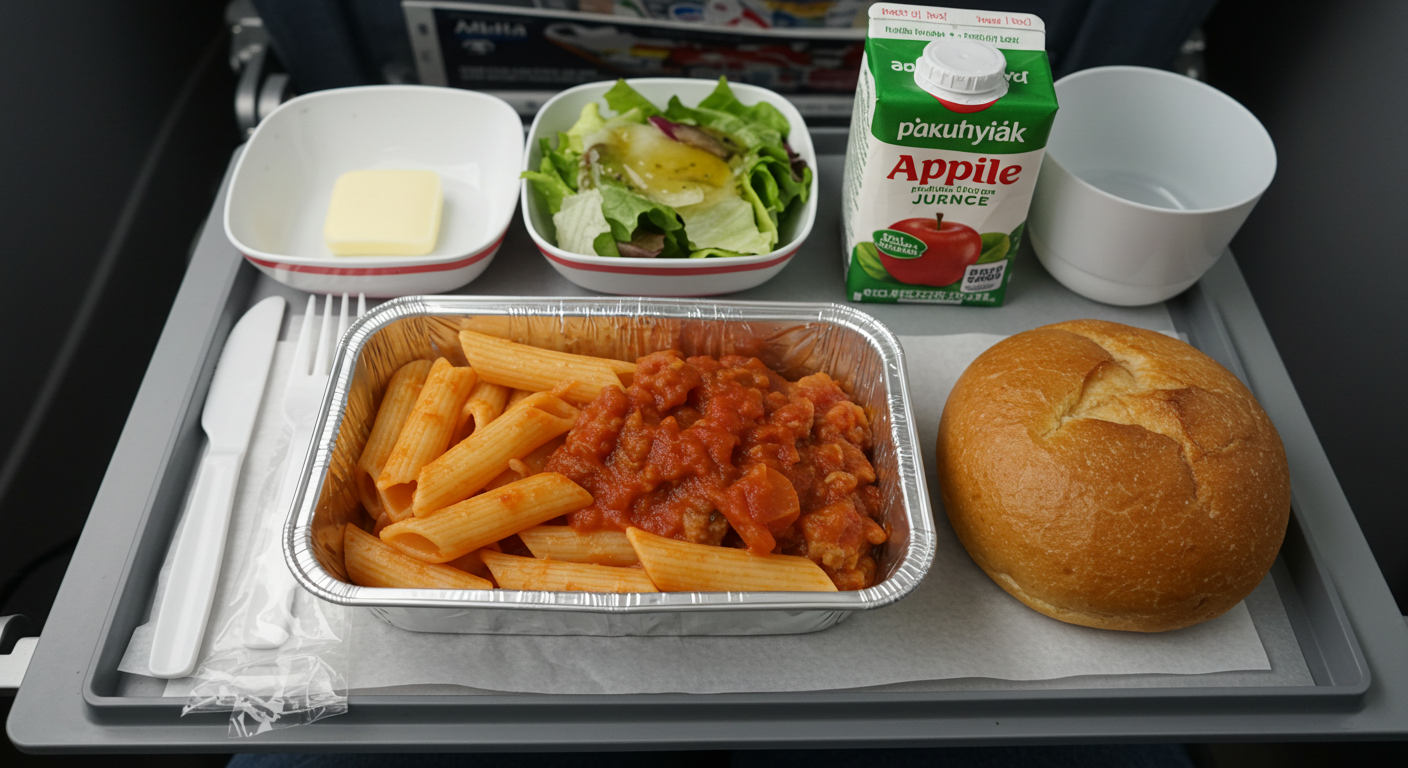
In the early days of commercial air travel, flying was an exclusive affair, reserved for the wealthy elite. Airlines understood that offering exceptional service was just as important as the speed and luxury of the aircraft itself. The in-flight meal was a central part of this experience. Just as fine dining was an integral part of dining culture on the ground, so too did it take flight, both literally and metaphorically.
During the 1950s and 1960s, airlines such as Pan Am, TWA, and British Airways (formerly BOAC) created some of the most memorable in-flight dining experiences. In those days, meals were not merely about nourishment—they were about indulgence, offering a taste of luxury that could make the most mundane flight feel like a gastronomic adventure.
For first-class passengers, dining began with a printed menu that rivaled those of upscale restaurants. The food was nothing short of spectacular. On some airlines, multi-course meals were prepared by renowned chefs, often sourced from the finest restaurants in Europe and the United States. Fine wines and champagne flowed freely, and desserts such as chocolate soufflés or elaborate fruit tarts completed the lavish meals. The experience extended beyond the food itself, with impeccable service, silverware, and crisp linen that transported passengers into a world of opulence.
Passengers like film stars and dignitaries enjoyed unforgettable meals in the sky, with some even recalling the experience years later. But it wasn't just the food that made these meals special—it was the entire atmosphere. The iconic Pan Am Clipper, for instance, was known for its outstanding in-flight service, with waiters trained in fine dining etiquette, delivering each course with style and grace. Travelers could indulge in caviar, lobster, or beef Wellington, all while gliding smoothly above the clouds.
As in-flight dining reached new heights, airlines used it as a marketing tool. Offering gourmet food was a way to set airlines apart from their competitors. It became a point of pride for these early airlines to offer the most refined culinary experiences, and they spared no expense in providing food that was as exquisite as it was exclusive.
The glamour of in-flight dining began to fade in the 1970s as the aviation industry underwent a dramatic shift. The deregulation of air travel, coupled with the growing accessibility of air travel to the general public, led to an increase in passenger numbers. More people were flying, but they were no longer the affluent few accustomed to luxury. The emphasis moved from service to efficiency, and from indulgence to practicality.
Economic pressures played a significant role in reshaping the in-flight dining experience. Airlines, now under pressure to keep costs low while servicing a broader demographic, could no longer afford to maintain the lavish meals that once defined air travel. The shift towards more budget-friendly options was inevitable.
Technological advancements, too, began to play a role in the transformation of in-flight dining. The advent of frozen meals allowed airlines to provide consistent and cost-effective food options, but this convenience came at the cost of quality. The complexity of serving hot, fresh meals at altitude, coupled with limited galley space and the challenges of working in a confined space, meant that meals could no longer be the gourmet masterpieces they once were. Instead, airlines turned to mass-produced, pre-packaged meals that could be quickly reheated during the flight.
As competition in the airline industry intensified, particularly with the rise of budget carriers, it became increasingly difficult to offer premium food without significantly inflating ticket prices. In response, airlines focused on streamlining their offerings. First-class and business-class passengers still received superior service, but in a less lavish form. Meanwhile, economy-class passengers found themselves subjected to standardized, often bland meals. As a result, in-flight dining became something of a necessity rather than an experience to be savored.
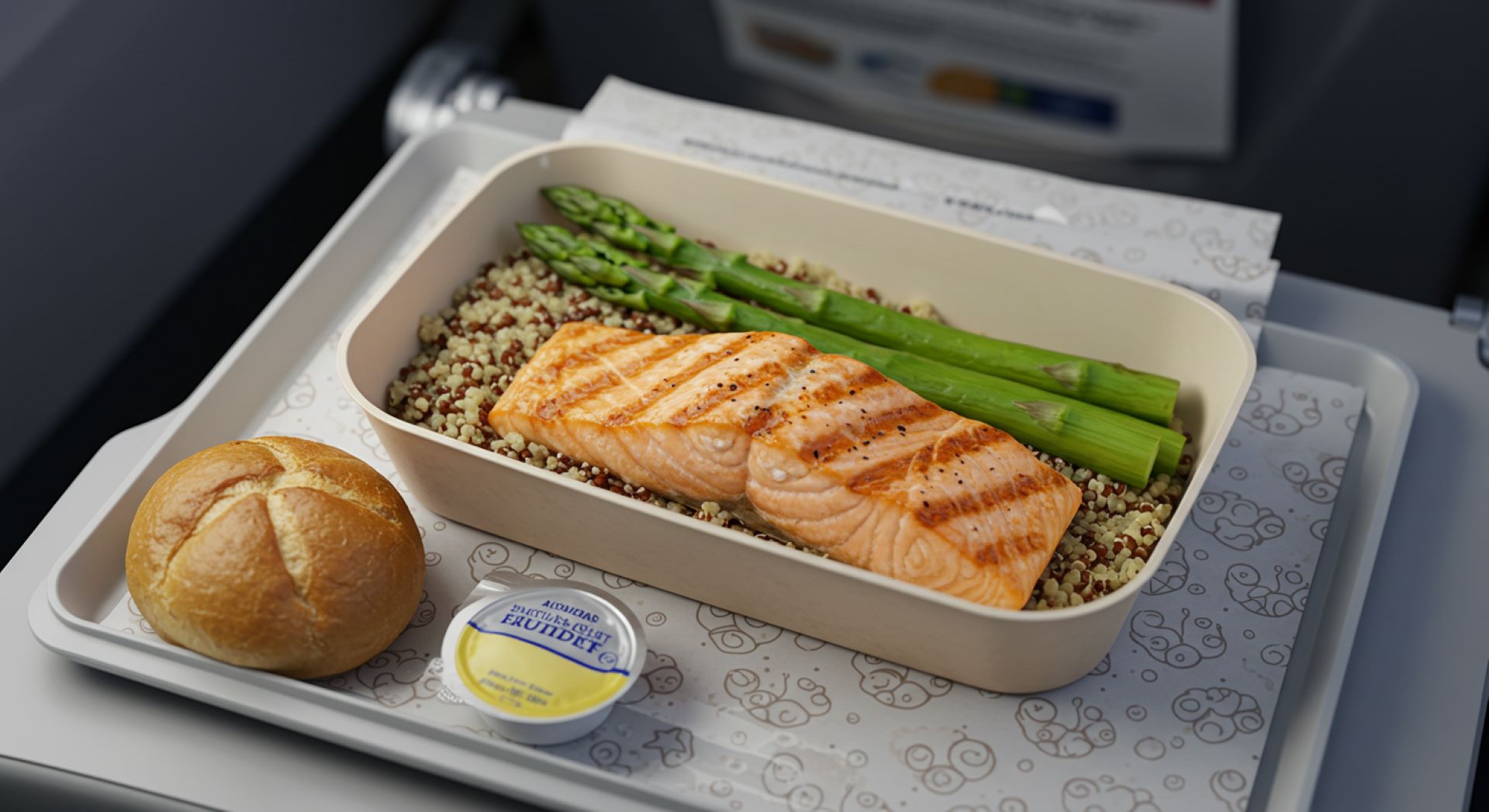
While the glory days of gourmet in-flight dining may have passed, the culinary evolution of air travel is far from over. In recent years, airlines have worked hard to reinvent their menus, blending the convenience of modern technology with the demands for healthier, more sustainable food options.
One of the key innovations in in-flight dining has been the rise of partnerships between airlines and renowned chefs. In an effort to bring higher quality food back into the skies, airlines began working with Michelin-starred chefs and well-known culinary brands to design meals that could be prepared and served in-flight. These partnerships allowed airlines to provide more flavorful meals, often incorporating locally-sourced ingredients and international flavors.
Airlines such as Singapore Airlines, Air France, and Emirates have become known for their collaboration with world-class chefs. For example, Emirates has worked with Michelin-starred chefs like Gary Rhodes and Giorgio Locatelli, creating signature dishes that combine fine dining with the practicality of in-flight service.
Another notable trend in in-flight dining is the farm-to-tray movement, which emphasizes fresh, sustainable ingredients. Airlines are increasingly aware of the growing demand for health-conscious, eco-friendly options, and many have responded by offering organic, locally-sourced meals. These innovations have helped to elevate the dining experience, even in the economy cabin. At the same time, the growing focus on sustainability has led to more responsible sourcing practices, from sourcing sustainable fish to reducing food waste.
Mindful eating has also taken center stage, with airlines introducing lighter, plant-based options. The rise in vegetarian and vegan diets has led airlines to offer a wider range of plant-based meals. These options are often just as delicious and satisfying as traditional meat dishes, and they reflect the changing attitudes towards food on the ground as much as in the air.
Today, convenience is king. While airlines continue to innovate, a major shift has occurred with the rise of grab-and-go meals. The fast-paced demands of modern air travel, combined with increasing budget-consciousness, have made quick, simple meals the go-to option for many airlines, particularly in economy class.
The introduction of pre-order meal options, digital menus, and meal kits allows passengers to choose their food before boarding. This eliminates the need for passengers to wait for meals to be served, offering them greater flexibility and control. Some airlines now provide meal choices that are customizable to dietary restrictions or preferences, giving passengers a more personalized dining experience.
However, this shift has been most pronounced in the low-cost airline sector, where quick and easy meals are often sold as an optional extra. On budget carriers, passengers no longer expect to receive a full meal, but rather snacks, sandwiches, or pre-packaged meals. These meals are often simple, calorie-conscious, and designed for quick consumption.
For example, in-flight catering on Ryanair and EasyJet often includes packaged salads, sandwiches, and small snacks—affordable, and designed to cater to a busy, no-frills market. In many ways, these meals are symbolic of a larger trend in aviation: the move towards a more streamlined, efficient approach to service.
Looking ahead, the future of in-flight dining is shaped by several exciting trends. With the rise of AI, the future of in-flight catering could be completely transformed. Artificial intelligence could be used to track passenger preferences, offering personalized meal options tailored to individual tastes and health needs. Furthermore, augmented reality (AR) and virtual reality (VR) technologies could revolutionize the way passengers experience food. Imagine choosing a meal not just from a menu, but through an immersive virtual experience that allows passengers to visualize the dish before making their choice.
As the aviation industry continues to recover from the pandemic, the demand for hygiene and safety in all aspects of travel, including food, will likely remain high. Airlines will continue to innovate with contactless solutions, such as digital ordering systems and touchless food delivery, to ensure a safe and enjoyable dining experience for all passengers.
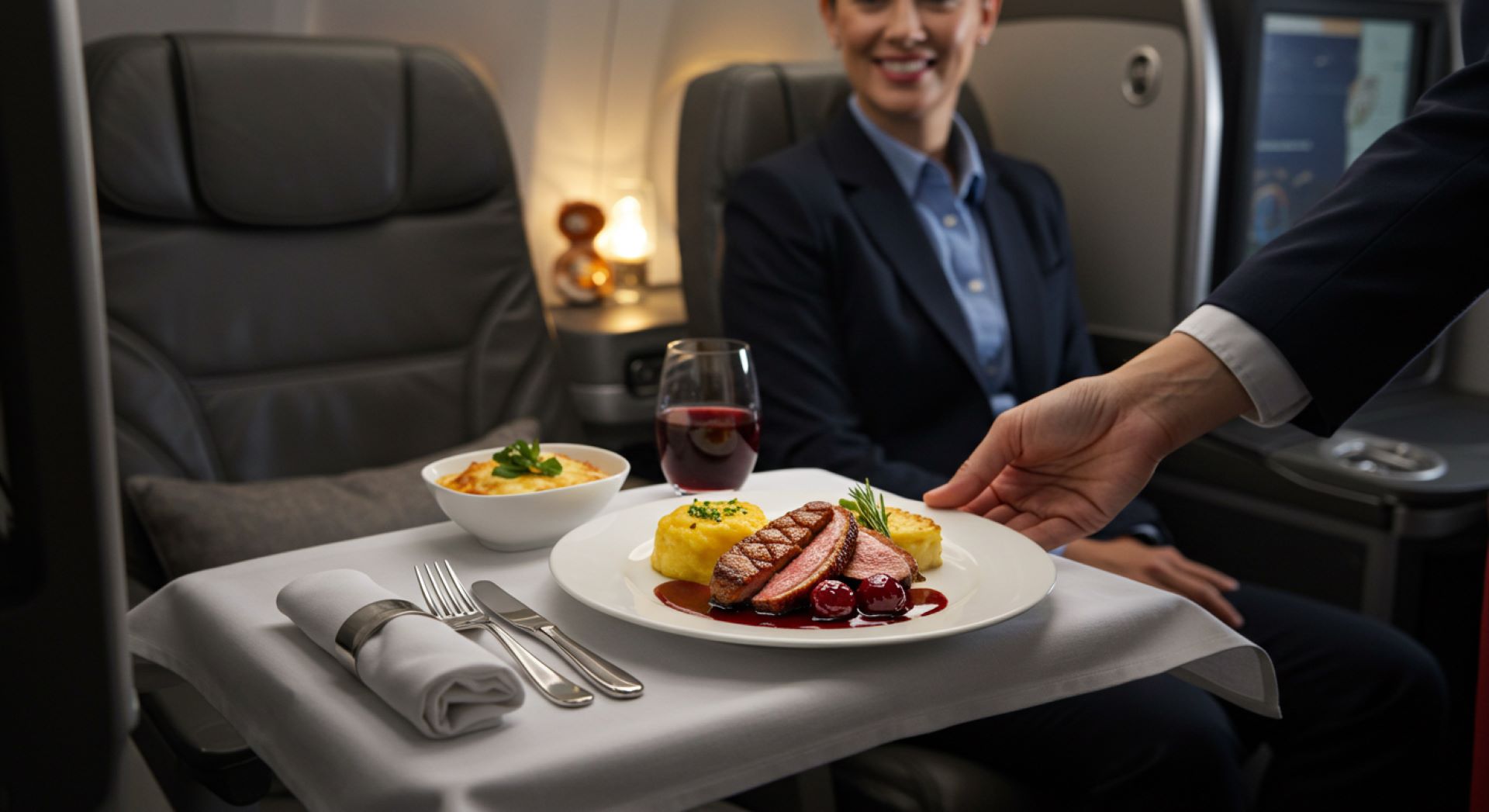
The evolution of in-flight dining is as much a story of cultural shifts as it is of technological and logistical advancements. What began as a luxurious perk reserved for the elite has now transformed into a practical, efficient system that caters to a broader range of passengers. Yet, even as the nature of in-flight meals has changed, the essence of dining in the sky remains a reflection of humanity’s desire for comfort, indulgence, and connection, even when flying at 35,000 feet. Looking to the future, the evolution of in-flight dining will undoubtedly continue, as technology, sustainability, and consumer preferences shape the next chapter in this ongoing culinary journey.
Elisha Roodt
Specializing in the intersection of high-fidelity capture and spatial computing, providing expert analysis on the hardware and software ecosystems defining the metaverse.


