


Air travel used to be about landmarks. Snap the skyline, tick off a museum, move on. That version of tourism still exists, but it’s no longer the main character. Today’s traveller steps off a plane with a different appetite. Less postcard, more pavement. Less guided tour, more unplanned detour.
Airlines, knowingly or not, have become conduits for this shift. Routes are no longer just connections between economic hubs. They’re cultural arteries feeding a growing interest in street-level experiences. Urban exploration has matured into a defining travel behaviour, especially among younger flyers who prioritise authenticity over itinerary.
From a commercial airline tourism perspective, this evolution matters. Flight demand increasingly correlates with cities known for their living, breathing street culture. Not just what’s famous, but what’s felt. Airlines that understand this nuance can position destinations not as endpoints, but as ecosystems of discovery.
Street art, independent neighbourhoods, local food economies, music scenes, informal markets, late-night energy. These are not side attractions anymore. They are the trip.
Why Street Culture is Driving Flight Decisions
Airline passengers are becoming curators of their own experiences. Traditional tourism marketing once emphasised monuments and heritage sites. Now, it leans into neighbourhoods, subcultures, and the unscripted.
This shift is practical as much as it is cultural. Direct flights and expanded route networks make short urban trips more viable. A long weekend in a culturally dense city is easier to justify than a two-week holiday. Airlines benefit from this frequency. Travellers benefit from depth.
Street culture offers something airlines cannot manufacture but can facilitate: immersion. It’s the difference between visiting a city and participating in it. Travellers are no longer asking, “What should I see?” but rather, “Where does the city live?”
For airlines, this translates into strategic route planning and marketing. Highlighting neighbourhood access, flight timing convenience, and proximity to cultural districts becomes more relevant than proximity to traditional tourist hubs.
Berlin: The Blueprint of Urban Expression
Few cities demonstrate the intersection of history and street culture as effectively as Berlin. Its identity is written on walls, literally. Graffiti here is not vandalism in the conventional sense. It’s narrative.
Air travellers arriving in Berlin often prioritise districts like Kreuzberg and Friedrichshain. These areas function as open-air galleries layered with political commentary, artistic experimentation, and raw expression. The urban fabric feels unfinished in a deliberate way, which is precisely its appeal.
From an airline tourism angle, Berlin benefits from dense connectivity across Europe and beyond. Short-haul flights make it accessible for spontaneous travel, while long-haul routes feed a steady influx of international visitors seeking its cultural edge.
Neighbourhood exploration defines the Berlin experience. Vintage markets, independent cafés, underground music venues. These are not marketed attractions but discovered ones. Airlines indirectly support this model by enabling frequent, flexible travel patterns.
Tokyo: Precision Meets Subculture
Tokyo presents a different interpretation of street culture. Where Berlin feels improvised, Tokyo feels orchestrated. Yet beneath its order lies a complex web of subcultures.
Districts like Shibuya and Harajuku serve as epicentres for youth expression, fashion, and street-level creativity. Here, street culture is not just visual but behavioural. It manifests in style, etiquette, and micro-communities.
For airline travellers, Tokyo’s appeal lies in its duality. Efficient infrastructure meets layered cultural experiences. Direct international flights, coupled with seamless urban transport, allow visitors to transition quickly from airport to neighbourhood exploration.
Commercial airlines often position Tokyo as a premium destination, but its street culture offers accessibility. One does not need a luxury itinerary to experience it. Walking becomes the primary mode of discovery.
New York City: The Original Urban Playground
New York’s street culture has been exported globally, yet experiencing it in its original context remains unmatched. The city’s boroughs each offer distinct cultural signatures.
Brooklyn’s evolving art scene, Harlem’s musical heritage, the Lower East Side’s gritty creativity. These are not static identities. They shift constantly, which keeps repeat visits relevant.
Airline tourism thrives on this repeatability. Frequent flyers return not for landmarks, but for neighbourhood evolution. Direct flights into major airports provide access points into different parts of the city, shaping how travellers engage with it.
Street culture in New York is participatory. Pop-up events, street performances, food trucks, community gatherings. The city invites interaction rather than observation.
Cape Town: A Localised Urban Narrative
Cape Town offers a unique blend of natural beauty and urban culture, but its street-level experiences are gaining increasing attention. Areas like Woodstock and Observatory have become hubs for street art and independent culture.
Murals here often reflect social themes rooted in local context. The city’s history and present-day dynamics are visible in its public art. This gives urban exploration a layer of meaning beyond aesthetics.
For airline travellers, Cape Town’s appeal is enhanced by its accessibility from major international hubs. Direct long-haul flights bring in visitors who often extend their stays to explore neighbourhoods beyond the traditional tourist zones.
The city’s street culture is still evolving, which makes it particularly appealing for travellers seeking emerging destinations. It feels less curated, more organic.
São Paulo: Scale and Intensity
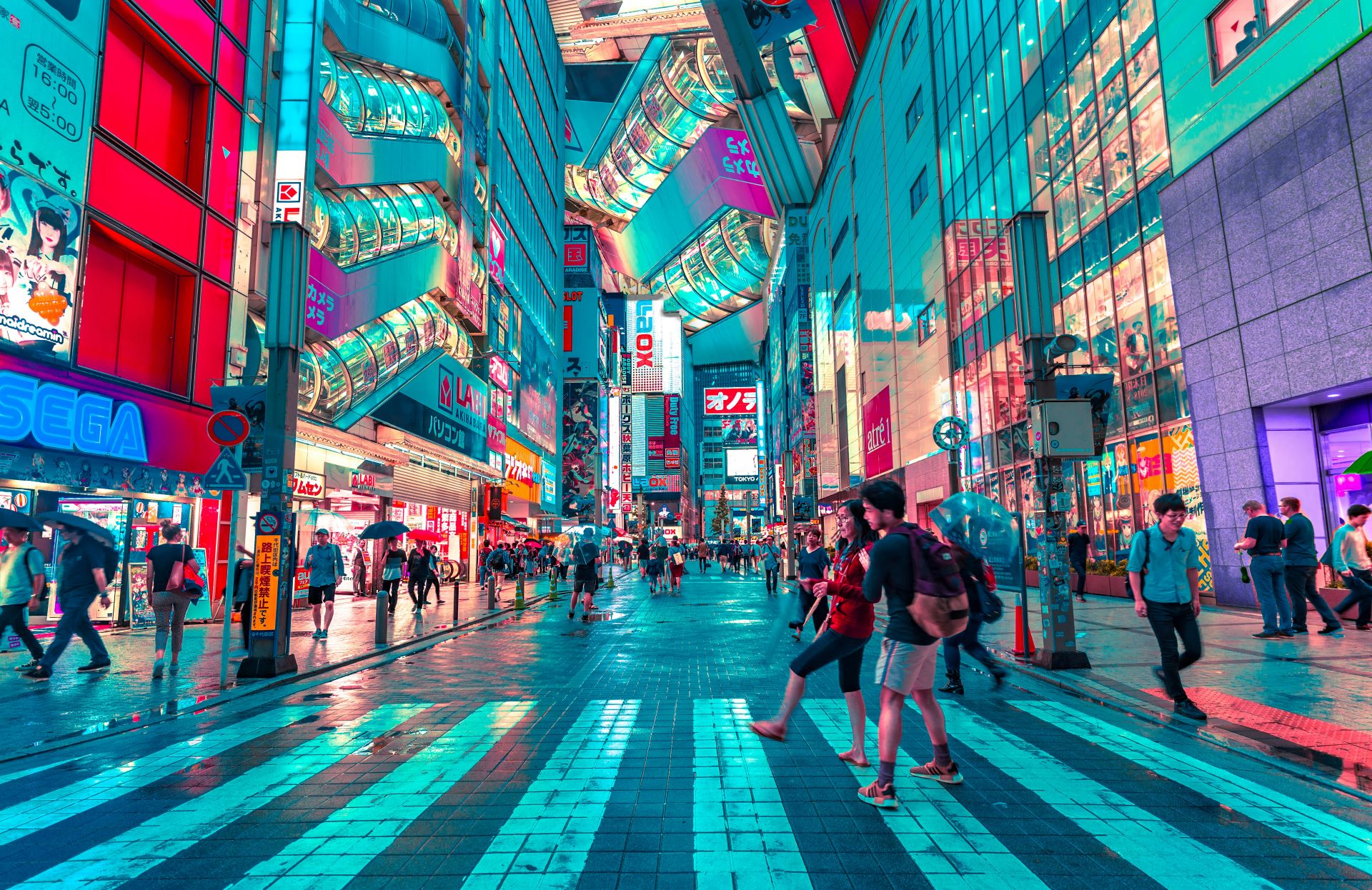
São Paulo’s street culture operates at a different scale. It is vast, intense, and unapologetically expressive. Graffiti here is monumental, both in size and impact.
Neighbourhoods like Vila Madalena serve as focal points for urban exploration. The famous Batman Alley is often cited, but the surrounding streets offer a more nuanced experience.
Airline connectivity plays a crucial role in São Paulo’s accessibility. As a major South American hub, it attracts both regional and international travellers. This diversity feeds into its street culture, creating a dynamic and ever-changing environment.
Exploring São Paulo requires intention. It is not a city that reveals itself passively. Travellers must engage actively, moving through neighbourhoods and observing details.
London: Layered Cultural Geography
London’s street culture is less concentrated and more distributed. Each neighbourhood carries its own identity, shaped by history, migration, and economic shifts.
Shoreditch is often highlighted for its street art, but areas like Brixton and Camden offer equally compelling experiences. Music, food, fashion, and art intersect in these spaces.
Airline tourism benefits from London’s global connectivity. Multiple airports serve different segments of travellers, influencing how they enter and navigate the city.
Street culture in London is accessible yet complex. It requires movement across neighbourhoods to fully appreciate its diversity.
Bangkok: Chaos as Culture
Bangkok’s street culture is defined by energy. It is loud, crowded, and constantly in motion. Street food, informal markets, and nightlife create a sensory-rich environment.
For airline travellers, Bangkok often serves as both a destination and a gateway. Its major airport is a hub for regional travel, making it a frequent stopover city.
Urban exploration here is immediate. The city does not require planning to experience its street culture. It unfolds naturally as one moves through it.
Airlines benefit from Bangkok’s role as a hub, but its street culture ensures that travellers choose to stay rather than simply pass through.
The Role of Airlines in Shaping Urban Tourism
Airlines are not just transport providers. They are curators of possibility. Route networks, pricing strategies, and scheduling decisions all influence how and where people travel.
Cities with strong street culture often benefit from increased flight frequency and competitive pricing. This lowers the barrier to entry for travellers seeking short, immersive trips.
Airlines also shape perception through marketing. Highlighting neighbourhood experiences rather than traditional attractions aligns with current travel behaviours.
Partnerships with local tourism boards and content creators further reinforce this positioning. The goal is to present cities as living environments rather than static destinations.
Planning Urban Exploration Around Flights
For travellers, aligning flight choices with urban exploration goals is increasingly important. Arrival times, airport location, and transport links can significantly impact the experience.
Early arrivals maximise time in neighbourhoods. Late departures allow for extended exploration without additional accommodation costs. Airports located closer to city centres provide quicker access to street culture hubs.
Flexibility is key. Urban exploration thrives on spontaneity. Travellers benefit from flight options that allow for changes and adjustments.
Airlines that offer this flexibility position themselves as enablers of experience rather than just service providers.
The Future of Street Culture Travel
Urban exploration is not a trend. It is a shift in how people engage with cities. As airline networks continue to expand, more destinations will enter the conversation.
Secondary cities with strong local cultures are becoming viable options. Travellers are looking beyond established hubs, seeking authenticity in less saturated environments.
Airlines have an opportunity to lead this shift. By identifying and promoting emerging urban destinations, they can shape future travel patterns.
The relationship between air travel and street culture will continue to deepen. One provides access. The other provides meaning.
From Runway to Real Life
The journey no longer ends at the airport. In many ways, it begins there. Street culture transforms cities into experiences that cannot be replicated or packaged.
For airline travellers, this represents a new kind of freedom. The ability to explore, discover, and connect on a human level. Flights become more than transport. They become entry points into living narratives.
Urban exploration, grounded in street culture, is redefining tourism. And airlines, whether intentionally or not, are at the centre of this transformation.