


Imagine standing on a rugged cliff edge, gazing out over vast swaths of shimmering ocean. The azure blue horizon stretches into infinity, and at your back lies an island steeped in centuries of history—a place so remote it feels like another world. Welcome to St. Helena, a hidden gem in the South Atlantic Ocean, roughly halfway between the coasts of Africa and South America. Though famed for its role in Napoleon Bonaparte’s final exile, St. Helena is much more than a historical footnote. It’s a realm of dramatic landscapes, friendly locals, and a chance to immerse yourself in an environment almost untouched by time.
In our modern age of overtourism and well-trodden paths, more travelers are seeking out places that retain an air of mystery—where culture, nature, and human stories converge in fascinating ways. These “micro-destinations” are often overlooked corners of the globe that offer authentic experiences far removed from typical tourist routes. From tiny islands barely marked on the map to secluded coastal enclaves inaccessible by standard means, these spots promise an adventure that feels personal and pioneering. They are places where you can forge genuine connections with both land and people, creating memories that endure long after your journey home.
St. Helena is the perfect entry point for this style of travel. Its remote location and limited development have allowed it to remain wonderfully unspoiled. But while the island itself is a treasure trove of history, culture, and natural beauty, the surrounding region beckons adventurous souls even further. Ascension Island, Tristan da Cunha, and several other lesser-known isles and coastal destinations form a constellation of fascinating micro-destinations that can transform a single journey into a grand odyssey.
In the following sections, we’ll explore the charms of St. Helena in detail before venturing outward to discover some of the most awe-inspiring places in its orbit. We’ll delve into local culture, hidden natural wonders, and travel tips to help you prepare for this epic quest. Prepare to be inspired, because if there is ever a moment to venture off the beaten track, it’s now—and St. Helena and its neighboring destinations are calling.
St. Helena
A Tapestry of History and Nature
St. Helena rises dramatically from the South Atlantic like a volcanic sentinel. Though covering just 47 square miles, the island has played an outsized role in global history. Its most famous resident, Napoleon Bonaparte, arrived in 1815 to live out his final years in exile at Longwood House. Yet, Napoleon’s presence is only one chapter in a rich tapestry that weaves together tales of exploration, maritime exploits, and an ever-evolving local culture.
Jamestown: Heart of the Island
At the core of St. Helena is Jamestown, the island’s main hub and port of entry. Nestled between steep, rocky cliffs, Jamestown feels like a place frozen in time, with its colorful Georgian architecture and narrow lanes that speak to an era when tall ships ruled the seas. Wandering the streets, you’ll sense a lingering echo of the East India Company’s influence, as it once served as a critical stopover for vessels sailing between Europe and Asia.
Here, you can explore the Museum of St. Helena, housed in the old power station on Main Street. It offers a fascinating glimpse into the island’s past, showcasing artifacts from centuries of maritime history. Walk to the imposing Jacob’s Ladder, a 699-step staircase that climbs the rugged hillside behind the town. Built in 1829 to connect Jamestown to the former fortifications at Ladder Hill, this engineering marvel provides panoramic views that reward the effort of every step.
Napoleon’s House and Its Legacy
No visit to St. Helena would be complete without touring Longwood House, also known as Napoleon’s House. Once the home of the exiled emperor, it now serves as a museum managed by the French government. Stroll through the preserved interiors, imagining the daily life of one of history’s most famous figures as he contemplated his fate far from Europe’s grand stage.
Beyond Napoleon’s home, a short trek leads to his original burial site in the verdant Sane Valley, where he was laid to rest before his remains were ultimately moved to Paris. The site holds a solemn elegance that resonates with travelers who appreciate this blend of imperial intrigue and secluded island life.
Diana’s Peak National Park: A Biodiversity Haven
St. Helena’s dramatic volcanic origins have given rise to Diana’s Peak National Park, a lush mountainous region that stands in stark contrast to the island’s rocky coastline. As the highest point on the island at 823 meters (2,700 feet), Diana’s Peak is home to a dense cloud forest crisscrossed by hiking trails. Here, you’ll find endemic plant species such as the St. Helena ebony and tree ferns, alongside colorful invertebrates like the spiky yellow woodlouse—creatures found nowhere else on Earth.
Nature lovers revel in the rare biodiversity that St. Helena has painstakingly preserved. Thanks to ongoing conservation efforts, the island remains a refuge for flora and fauna that have thrived in isolation for centuries. Whether you’re a keen birdwatcher seeking glimpses of the endemic wirebird or simply want to experience the refreshing stillness of a nature walk, Diana’s Peak offers an immersion in the island’s unique ecology.
Warm Welcomes and Island Rhythms
One of St. Helena’s greatest charms lies in the warmth and hospitality of its people, affectionately known as “Saints.” Locals greet you with a smile, eager to share stories of their home’s heritage, from the old flax industry to the more recent development of the island’s airport. You’ll find a diverse cultural fabric woven from British, African, and Asian influences, a testament to its history as a maritime crossroads.
Over hearty dinners of plo (a traditional rice and meat dish) or succulent fish cakes made from local tuna, you might hear legends passed down through generations. Visitors quickly discover that the island’s intimacy encourages friendships that feel more like family. As you stroll the coastal roads or linger in the small pubs, the gentle conversation and melodic accent of the Saints remind you that here, time slows in the most delightful way.
Remote, Yet Within Reach
For centuries, St. Helena was accessible only by sea, making it one of the most isolated communities in the world. However, the introduction of commercial flights at the St. Helena Airport has opened the island’s doors to a wider audience. Today, more curious travelers can witness firsthand the fusion of natural grandeur, historical intrigue, and warm, welcoming spirit.
With its fascinating legacy, breathtaking landscapes, and the genuine kindness of its people, St. Helena stands as a shining example of how remote destinations can inspire awe and foster meaningful human connections. Yet, what truly elevates a visit here is the potential for onward exploration—stepping beyond St. Helena to discover the unspoiled gems that dot the surrounding seas.
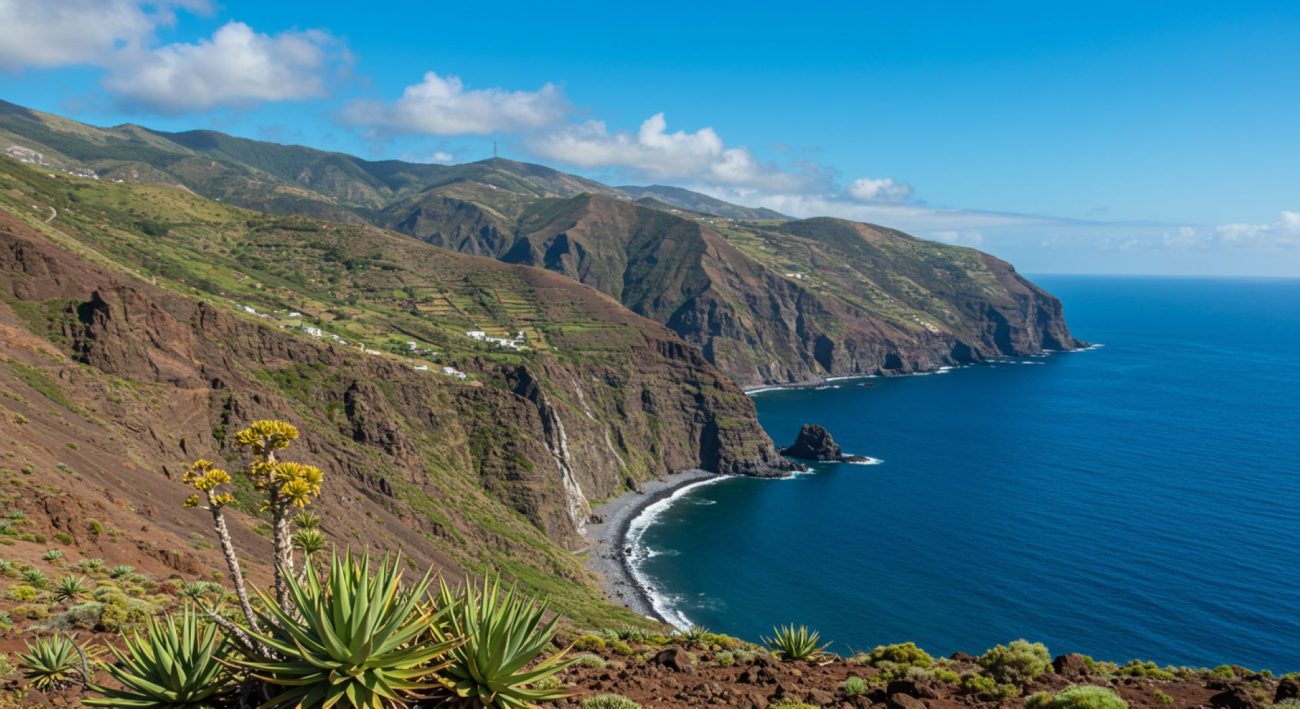
Micro-Destinations Around St. Helena
Though St. Helena alone is worth the journey, adventurous souls have the added benefit of exploring a constellation of lesser-known locales in the surrounding region. Each of these micro-destinations is distinct in both culture and environment, yet they share a common thread: remoteness that fosters a sense of wonder. Below, we highlight four fascinating spots—Ascension Island, Tristan da Cunha, Gough Island, and the Namibian coastal town of Lüderitz—that can be combined with your St. Helena journey to create a truly epic travel experience.
1. Ascension Island
Location & UniquenessPerched roughly 700 miles to the northwest of St. Helena, Ascension Island is a volcanic outpost under British jurisdiction. Its presence in the middle of the Atlantic has given it a distinctive role in global communications and military installations, yet it remains sparsely populated with a resident community of around 800 people. Though overshadowed by its neighbor, Ascension’s intrigue lies in its starkly contrasting landscapes—barren lava fields on one side, lush greenery on the other.
Key Attractions & Activities
Little-Known FactCharles Darwin once visited Ascension and proposed an experiment that led to the planting of thousands of trees on Green Mountain. This successful “terraforming” project effectively changed the island’s climate over time, transforming the peak into a verdant oasis.
Why Visit?Ascension Island embodies the spirit of the Atlantic’s hidden corners: a place where nature and human ingenuity intersect. It’s remote, mysterious, and offers experiences—from turtle hatchlings to hiking mist-shrouded trails—that you simply can’t find anywhere else.
2. Tristan da Cunha
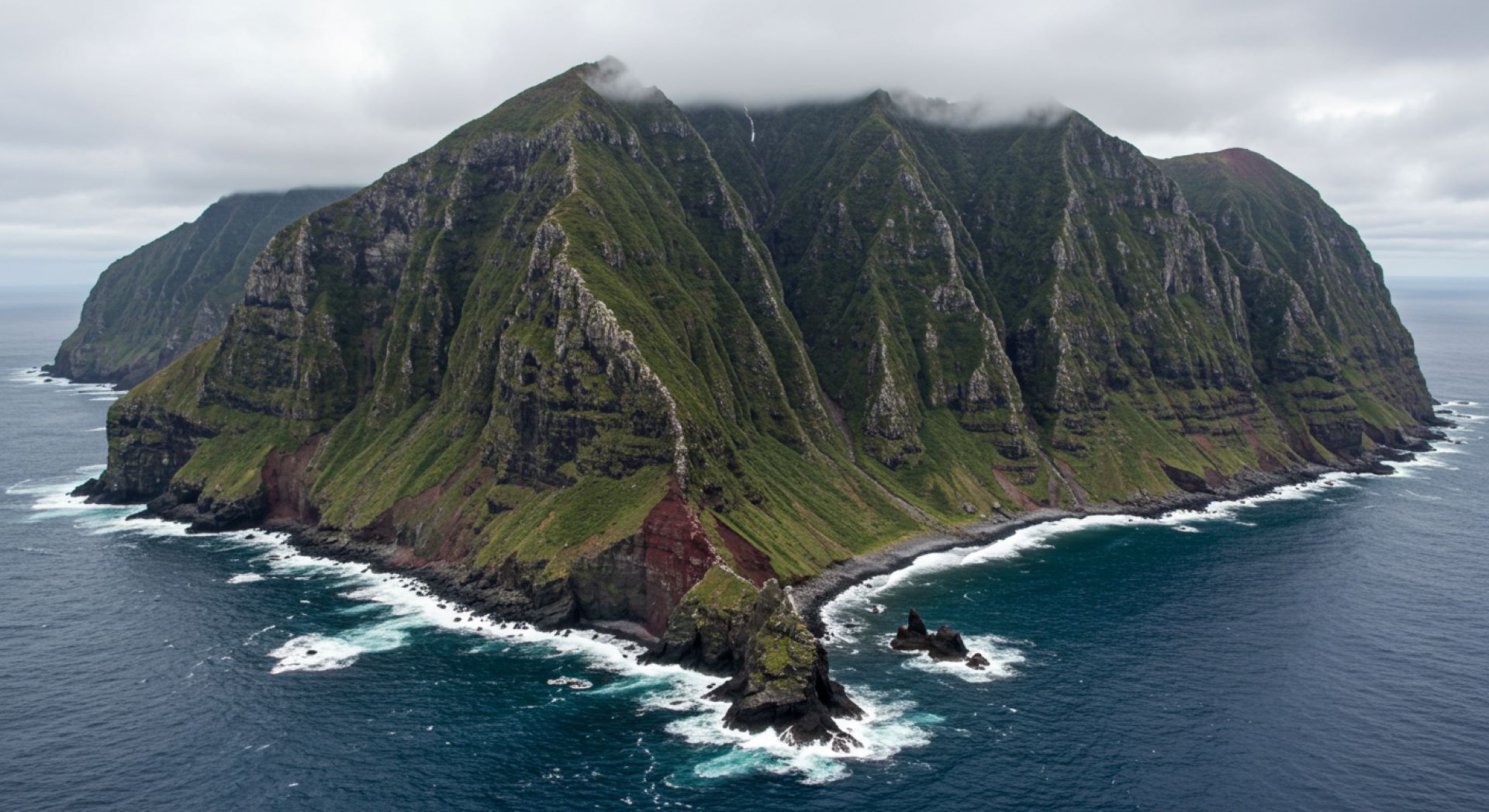
Location & UniquenessDubbed “the world’s most remote inhabited island,” Tristan da Cunha lies about 1,500 miles southwest of St. Helena. Home to under 300 permanent residents, Tristan’s isolation is legendary. The island is accessible only by sea, typically via a six-day voyage from Cape Town, and visits by outsiders are strictly regulated. Despite its seclusion, Tristan’s tightly knit community and dramatic volcanic scenery enchant those who make the effort.
Key Attractions & Activities
Little-Known FactThe entire population of Tristan da Cunha is descended from just a handful of families, leading to a community that feels more like an extended household. This close-knit dynamic shapes island life, with cooperatives managing aspects of the fishery and farming.
Why Visit?Tristan da Cunha offers a glimpse into a lifestyle that has remained remarkably insulated from the outside world. The journey is challenging, but the payoff is a deeply authentic, almost timeless experience—an intimate encounter with both untouched nature and a community that thrives against all odds.
3. Gough Island
Location & UniquenessOften considered part of the Tristan da Cunha archipelago, Gough Island is uninhabited by permanent residents but is staffed by a rotating team of meteorological and conservation workers. Recognized as a UNESCO World Heritage Site, Gough is revered for its seabird populations and nearly pristine ecosystem.
Key Attractions & Activities
Little-Known FactThough uninhabited, Gough has a storied history of shipwrecks, with sailors occasionally marooned on its remote shores centuries ago. Tales of these castaways are woven into Tristan da Cunha folklore, testifying to the Atlantic’s power and unpredictability.
Why Visit?Gough Island is for the truly adventurous or those involved in scientific research. Its pristine environment and commitment to conservation make it a beacon of hope for preserving Earth’s fragile ecosystems. While traveling here is not straightforward, simply knowing such a place exists—untouched and fiercely protected—underscores the magnitude of our planet’s hidden wonders.
Lüderitz, Namibia
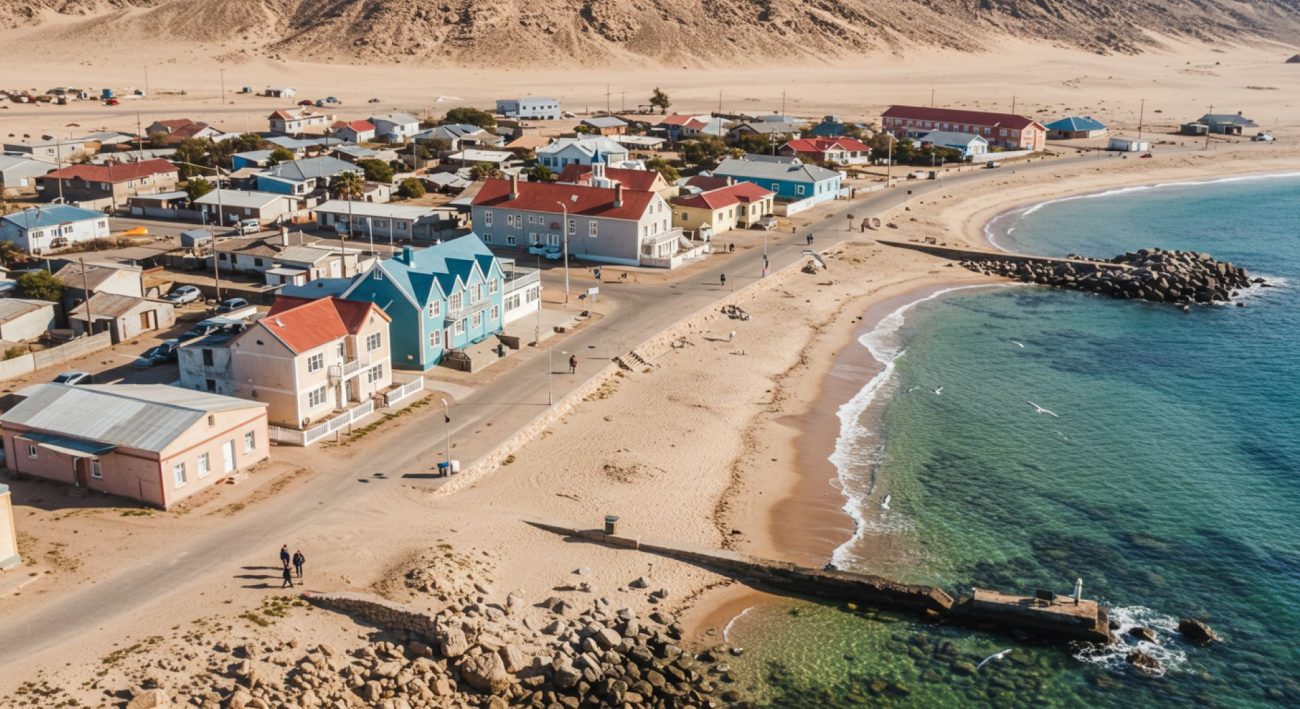
Location & UniquenessFor a change of scenery, journey east across the Atlantic to the Namibian coastline and discover Lüderitz, an old German colonial town nestled between the Namib Desert and the Atlantic Ocean. Though not an island, Lüderitz exemplifies a “micro-destination” with its remote setting and distinctive character. Its pastel-colored Art Nouveau buildings stand in sharp contrast to the towering sand dunes that frame the horizon.
Key Attractions & Activities
Little-Known FactLüderitz was one of the first places in Namibia where diamonds were discovered in the early 20th century, leading to a sudden influx of fortune-seekers. The diamond rush may have faded, but traces of that feverish era remain embedded in the region’s lore.
Why Visit?Blending African desert mystique with colonial history, Lüderitz is a surreal frontier town that rewards visitors with a tapestry of cultural and natural wonders. Its remote location and relatively low profile make it an ideal micro-destination for those craving something truly different after exploring the Atlantic isles.
Travel Tips and Insights
Getting There and Getting Around
Reaching St. HelenaUntil recently, St. Helena was accessible only by the RMS St. Helena ship, but now weekly flights connect the island to Johannesburg in South Africa, making it far more reachable. The St. Helena Airport is your gateway, from which you can explore the island by rental car or pre-arranged tours. Since flights can be limited and influenced by weather conditions, it’s wise to book well in advance.
Accessing Surrounding Micro-Destinations
When to Visit
St. Helena’s subtropical climate means temperatures remain relatively mild year-round, but weather patterns can be unpredictable. Many travelers find March to May the most pleasant, with fewer crowds and comfortable daytime temperatures. On Ascension, turtle nesting occurs from December to June, a highlight for wildlife enthusiasts.
For Tristan da Cunha, factor in the Southern Hemisphere’s summer (around October to March) for calmer seas, though voyages remain subject to weather. Lüderitz, located in the desert, has a cooler coastal climate year-round; the wind can be intense, so plan accordingly if you intend to explore the dunes extensively.
Accommodation Options
Local Cuisine and Culinary Highlights
On St. Helena, you’ll enjoy dishes such as fishcakes made from locally caught tuna or wahoo, and plo, a hearty rice-based meal that incorporates flavors of the island’s diverse cultural influences. Ascension and Tristan da Cunha rely heavily on seafood, with fresh fish and locally harvested lobster commonly served when in season. In Lüderitz, you can indulge in African, German, and fusion cuisines, including delicacies like kudu steaks or homemade bratwursts reflecting the town’s colonial past.
Sustainable Travel Practices
Given the fragility of these remote ecosystems, responsible tourism is paramount. A few suggestions:
Standing on the shores of St. Helena, gazing across the boundless South Atlantic, it’s easy to feel like you’ve reached the very edge of the world. Yet, as this article has shown, St. Helena is just the beginning. From the lush peaks of Ascension Island and the far-flung community of Tristan da Cunha to the pristine shores of Gough Island and the desert-meets-ocean landscapes of Lüderitz, there is a wealth of discovery awaiting anyone adventurous enough to heed the call.
Travelers are often driven by a desire to experience something genuine—something that illuminates not just the geography of a place, but also its heart and soul. In these micro-destinations, authenticity abounds. Whether it’s the jovial spirit of the Saints on St. Helena, the remarkable community cohesion on Tristan, or the sheer awe of witnessing sea turtles nesting under a star-laden sky on Ascension, every moment feels more profound, more connected. By exploring these places, you become part of a broader narrative—one that preserves heritage, fosters cultural exchange, and respects the fragile natural environments that make them so special.
Venturing off the beaten path does require extra planning and a willingness to accept that itineraries might change with the weather. But those who embark on this journey will find immeasurable rewards. Memories of ascending Diana’s Peak, sailing across a seemingly endless ocean to Tristan da Cunha, or wandering the silent dunes of Kolmanskop in Lüderitz stay with you long after your return to everyday life. They remind you of the planet’s astonishing diversity and the countless wonders that exist beyond the typical tourist trails.
So, if you’re ready to redefine your sense of adventure, pack your curiosity and optimism and set your sights on St. Helena and its neighboring micro-destinations. Let the waves of the South Atlantic guide you to realms where time slows down, communities welcome you with open arms, and the natural world offers breathtaking displays of beauty and resilience. In these corners of the Earth, you’ll find not just an escape, but a personal odyssey of discovery that resonates long after you’ve set foot back home.