


There is a quiet kind of enchantment that only reveals itself when the hum of airplane engines becomes the soundtrack to a city below. As the world slips into twilight, urban landscapes transform into dazzling constellations of human life. From the comfort of a window seat, travelers discover that the journey itself—long celebrated for convenience—is increasingly becoming a destination in its own right. The phenomenon of night flights, where the interplay of light, motion, and aerial perspective converge, is reshaping the way tourism experiences are conceived and remembered.
The Aerial Canvas: Cities as Living Art
Cities at night are a different creature entirely. Streets that during the day pulse with the rhythm of routine now become threads of golden illumination, mapping out a city’s unique character. Landmarks sparkle like constellations in a terrestrial sky, and rivers reflect neon signage in patterns that seem both natural and meticulously choreographed. Airlines have recognized that for many passengers, this fleeting spectacle is not merely a backdrop—it is an integral part of the journey, shaping first impressions and lasting memories.
Night flights over major hubs like New York, Dubai, Tokyo, and Cape Town offer more than transportation; they offer a sensory preview of the city’s rhythm. Tourists often recall these flights not for their departure or arrival but for the moment the aircraft dips below the horizon, revealing a cityscape awash in color and movement. In this sense, airlines are no longer just moving travelers—they are curators of experience, guiding eyes and imagination across urban tapestries.
Cabin Comfort and the Tourism Mindset
The modern traveler has an appetite not only for destinations but for experiences en route. Premium cabin layouts, ambient lighting, and unobstructed window designs are being optimized to allow passengers to engage fully with the nocturnal spectacle below. Even in economy class, airlines are experimenting with subtle enhancements—screening city guides, offering curated playlists, and adjusting cabin lighting—to harmonize with the external view.
This synchronization between aircraft interior and the aerial landscape transforms a simple flight into an extension of the tourism experience. Airlines are learning that tourism magic is not confined to ground activities; it begins the moment the passenger boards. A night flight becomes a bridge between anticipation and arrival, where the city lights below serve as a welcoming committee and a promise of adventures yet to unfold.
Photography and Social Media: The Passenger as Storyteller
Night flights have found a powerful ally in photography and social media. Passengers capturing city lights through airplane windows are, in essence, co-creating the city’s visual narrative. These images often travel far beyond the passengers themselves, appearing in digital tourism campaigns, Instagram feeds, and travel blogs. Airlines are increasingly aware that this user-generated content is not just marketing collateral—it is proof that the in-flight experience is now an inseparable element of the tourism product.
Professional photographers often schedule flights specifically to capture cities from above, exploiting the interplay of altitude, light, and weather to produce imagery that is both cinematic and intimate. The rising popularity of night-time aerial photography has pushed airlines to reconsider their schedules and route offerings, creating flights that optimize visual experiences for tourism-minded passengers.
Nighttime Takeoffs and Landings: A Ritual of Anticipation
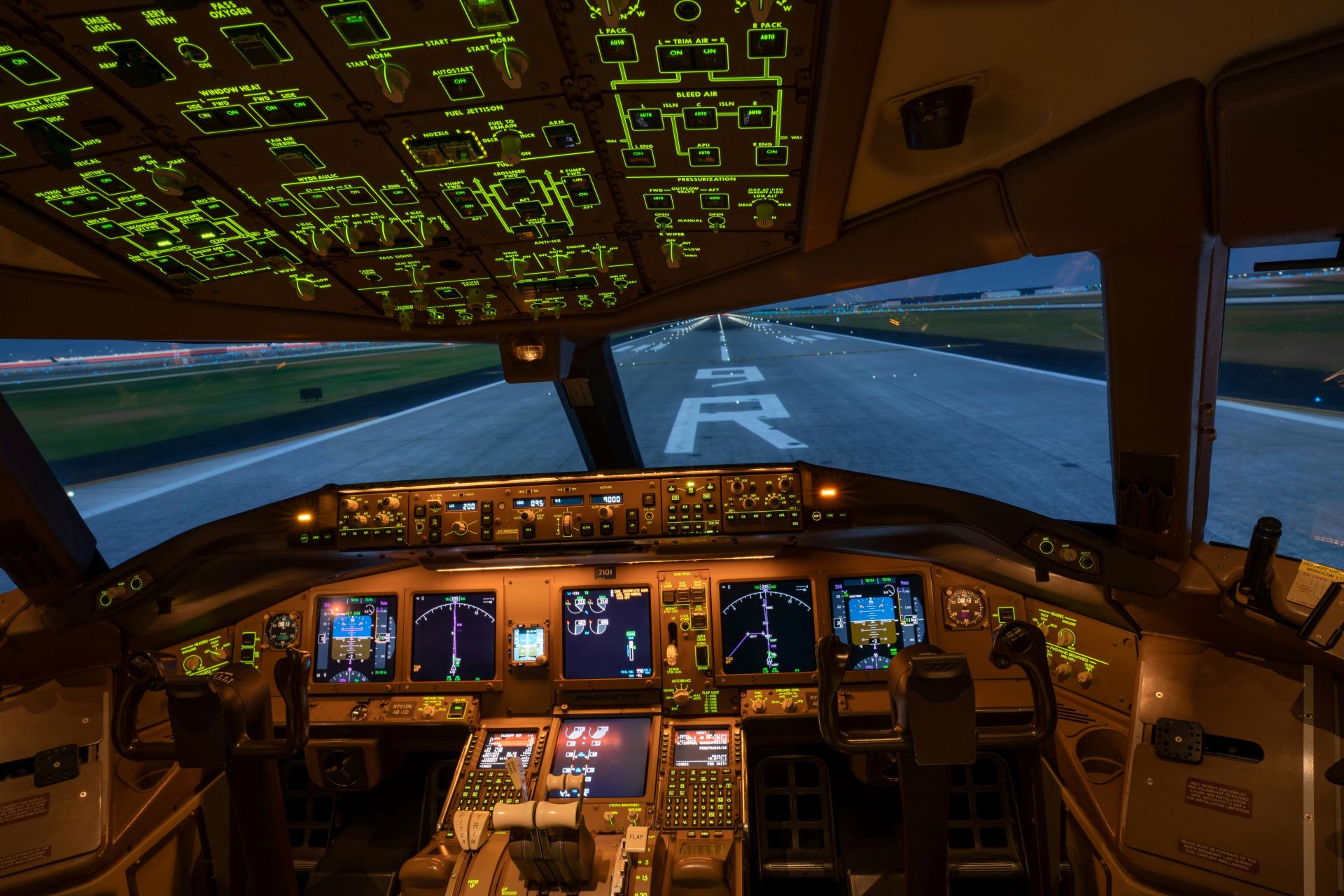
There is a distinct magic to a nighttime takeoff. As the aircraft rolls along the runway, the world outside gradually recedes, replaced by a blanket of lights stretching into infinity. Pilots describe the city as a living organism, breathing in patterns of headlights, neon signage, and illuminated skyscrapers. For tourists, these moments are often punctuated by awe and reflection, marking the transition from expectation to immersion.
Landings at night are equally captivating. Approach paths trace rivers, coastlines, and highways, often revealing hidden aspects of a city invisible during daylight. Travelers arrive not with disorientation but with a prelude to the city’s vibrancy, an initial chapter of the journey written in light and shadow.
Airline Tourism as Experiential Economy
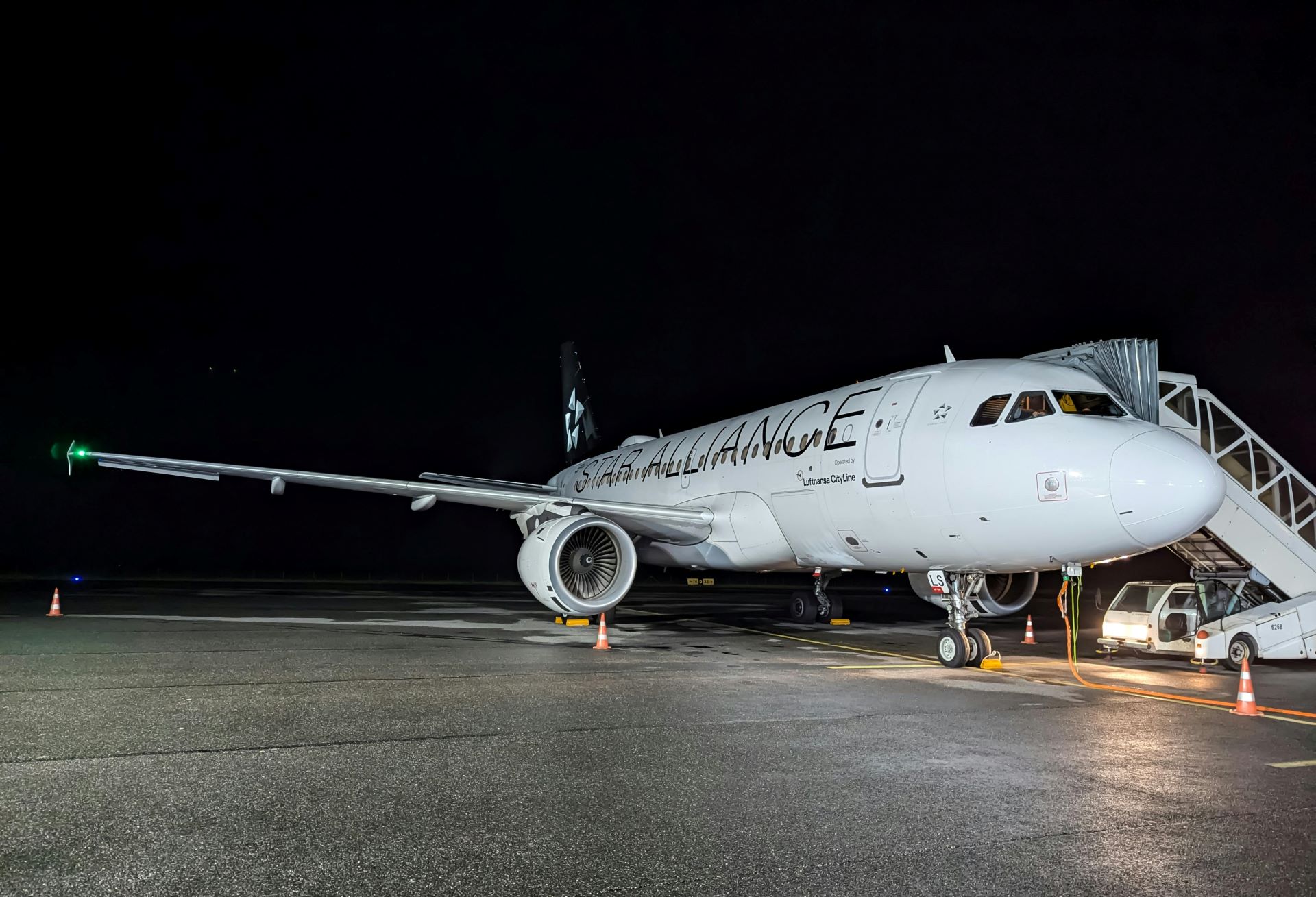
The concept of airline tourism is evolving into a sophisticated, experience-driven economy. Flight routes, schedules, and even cabin design are being influenced by the potential to enhance passenger engagement with destinations from above. This perspective is particularly valuable for cities with dense urban cores or distinctive topographies, where the visual impact of aerial views is immediate and profound.
Airlines are partnering with tourism boards to highlight night-flight experiences, offering curated itineraries that begin in the air. Passengers can arrive equipped with stories, photos, and a heightened sense of place, having already engaged with the city in a meaningful, visual way. In this sense, the flight itself becomes a form of tourism storytelling, bridging the abstract anticipation of travel with tangible, memorable experience.
Cultural Reflections from Above
Cities are cultural organisms, and their nocturnal luminescence reflects local customs, celebrations, and rhythms. Festivals of light, illuminated architecture, and public spaces come alive in ways that reshape passenger perceptions. For tourists, observing these phenomena from above offers both an artistic and anthropological insight—a fleeting but profound glimpse into the life of a city.
This perspective emphasizes that tourism is not solely a physical experience but a sensory and cognitive one. Airlines, by facilitating this unique viewpoint, are contributing to a broader understanding of urban life, culture, and human ingenuity, all from the unusual vantage point of the skies.
The Emotional Resonance of Night Flights
Ultimately, what makes night flights so compelling is their emotional impact. There is a quiet thrill in witnessing the world’s patterns from above—the juxtaposition of stillness and motion, darkness and light, isolation and connection. Passengers often report feelings of wonder, nostalgia, and anticipation simultaneously, forming memories that intertwine with the destination itself.
Airlines that embrace this emotional dimension are elevating travel beyond logistics. They are creating moments that passengers will recount long after arrival, moments that influence how cities are remembered and how tourism experiences are framed in the mind.
Redefining the Journey
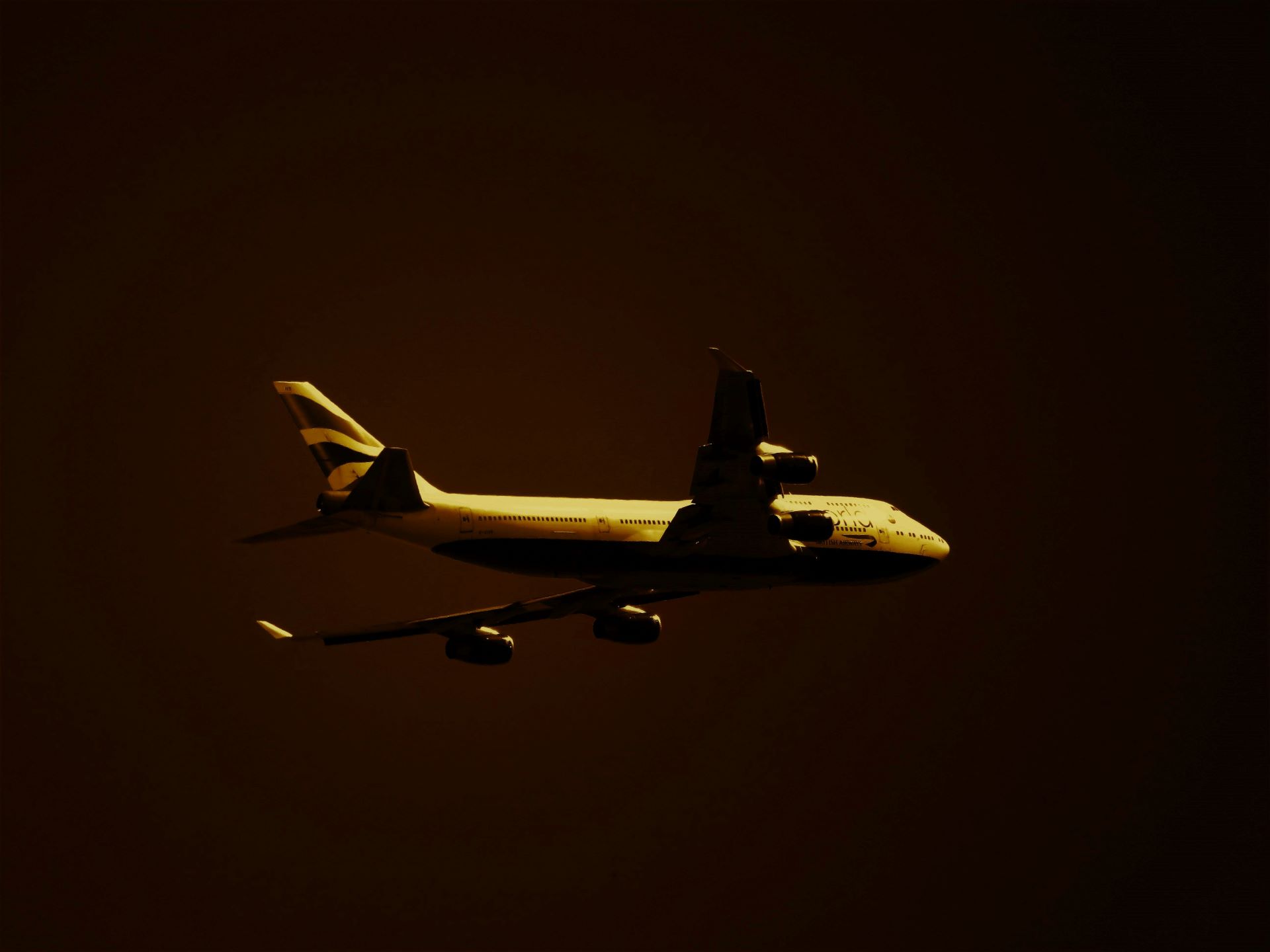
The aerial magic of night flights illuminates the evolving landscape of tourism. Urban lights, cabin ambiance, photography, and emotional resonance converge to transform ordinary travel into extraordinary experience. Cities are no longer merely destinations; they are living, breathing spectacles to be engaged with from above.
By considering the journey as a crucial element of tourism, airlines are redefining the boundaries of travel. Passengers no longer passively transit between points on a map—they actively experience, document, and connect with the destinations they visit, starting from the moment the wheels lift from the runway. Night flights are not merely passages; they are invitations to witness the poetry of human habitation from a perspective that few get to see, shaping tourism in ways both subtle and profound.
The magic of the night sky, intertwined with city lights, becomes not only a visual delight but a symbol of travel’s expanding role. It is proof that tourism is no longer just about arriving—it is about engaging, experiencing, and dreaming, often long before the first steps touch city streets.