


Airlines no longer operate solely in the skies. Their most active, immediate, and emotionally charged interactions now happen on timelines, comment sections, and direct messages. Social media has evolved into a parallel runway where customer relationships take off, stall, or crash in full public view.
For commercial airline tourism, this shift is particularly significant. Travel is an emotional purchase shaped by anticipation, anxiety, and expectation. Social platforms allow airlines to insert themselves into each stage of that journey, from dreaming to booking to post-flight reflection.
What began as a marketing channel has matured into a real-time communication system, a customer service hub, and a brand theatre. Airlines are not simply broadcasting offers anymore. They are listening, responding, entertaining, and, increasingly, co-creating experiences with passengers.
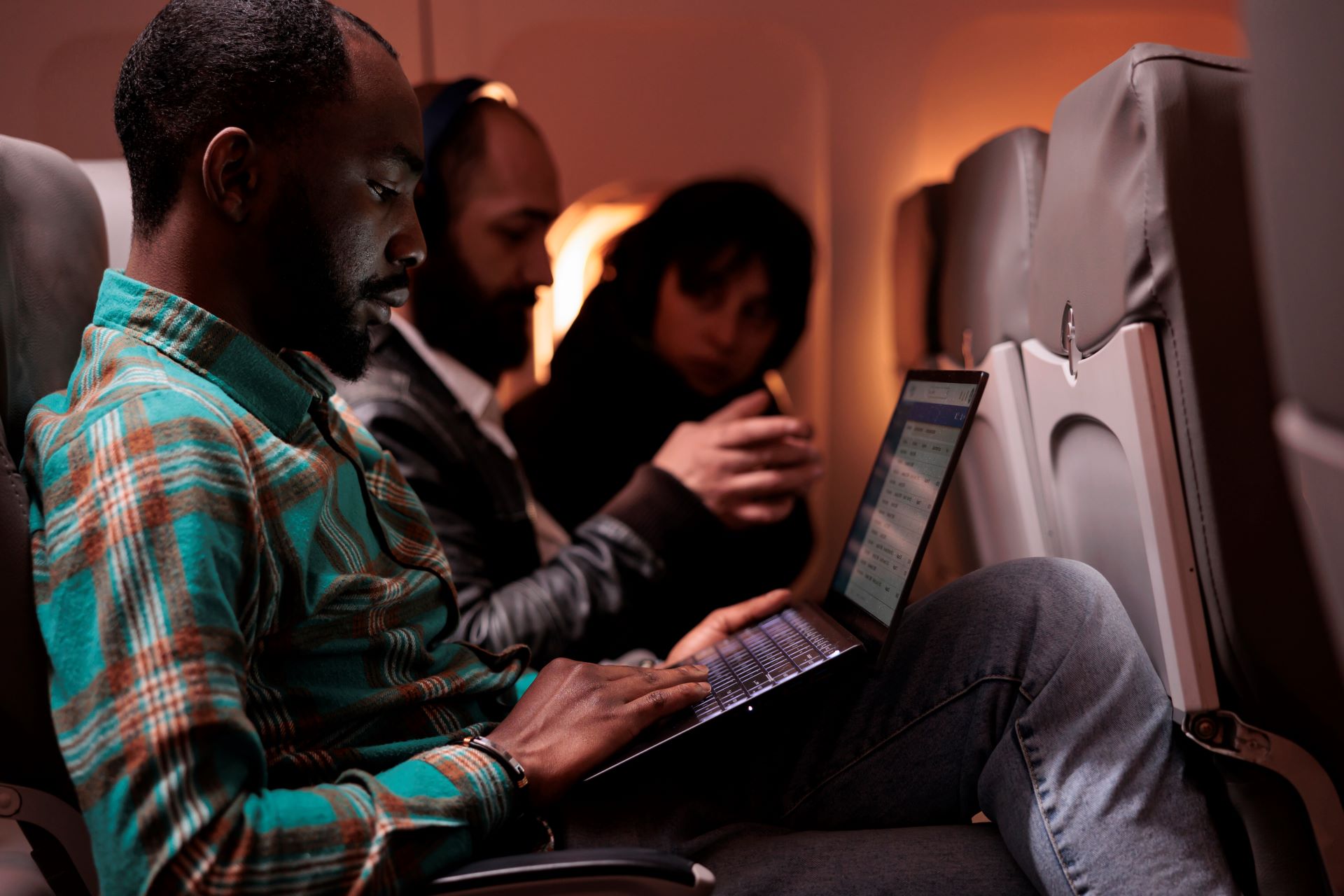
Real-Time Customer Support at 35,000 Feet
Speed is everything in aviation, and the same principle applies to digital communication. Social media has become one of the fastest ways for passengers to get assistance, often outperforming traditional call centres in both response time and accessibility.
When flights are delayed, luggage goes missing, or bookings glitch, passengers instinctively turn to platforms like X, Facebook, and Instagram. Airlines that respond quickly can defuse frustration before it escalates. A well-timed reply can transform a public complaint into a visible demonstration of reliability.
This real-time support model is particularly valuable in the context of international travel. Time zones, roaming charges, and language barriers can make traditional support channels cumbersome. Social media removes many of these obstacles, offering a frictionless way to communicate regardless of location.
Airlines often deploy dedicated social care teams that operate around the clock. These teams are trained not only in customer service protocols but also in tone management. Every reply is public-facing, which means each interaction doubles as brand messaging.
The result is a hybrid function where support and marketing converge. A resolved complaint is no longer a private transaction. It becomes a piece of content that reinforces trust among a wider audience.
Managing Disruptions in Public View
Disruptions are inevitable in aviation. Weather systems, technical issues, and operational constraints can ripple across entire networks. Social media has become the primary channel for managing these moments in real time.
Instead of relying solely on airport announcements or email notifications, airlines now use social platforms to provide continuous updates. This includes information on delays, gate changes, cancellations, and rebooking options.
The transparency of this approach is both an opportunity and a risk. When handled well, it builds credibility. Passengers appreciate timely, honest communication, especially when plans are disrupted. When handled poorly, silence or inconsistency can amplify frustration.
Airlines that excel in this space tend to follow a few key principles. They prioritise clarity over corporate language. They update frequently, even when there is no new information. They acknowledge inconvenience rather than deflect responsibility.
These practices are particularly important in commercial airline tourism, where disruptions can affect entire itineraries, including hotel bookings, tours, and connecting flights. Social media becomes the thread that keeps travellers informed and reassured as situations evolve.
Humanising the Airline Brand
Air travel can feel impersonal. Large aircraft, complex logistics, and standardised procedures often create a sense of distance between passengers and the people behind the operation. Social media offers a way to bridge that gap.
Airlines increasingly use their platforms to showcase the human side of their business. Cabin crew stories, pilot insights, and behind-the-scenes content bring personality into the brand. These narratives transform the airline from a service provider into a group of individuals working together to deliver experiences.
This humanisation is particularly effective in tourism-focused communication. Travellers are not just buying transport. They are buying access to destinations, cultures, and memories. When airlines share stories that align with these aspirations, they become part of the journey rather than just a means to an end.
Tone plays a critical role here. Some airlines adopt a playful, conversational voice, engaging in light humour and trending conversations. Others maintain a more refined, aspirational tone that aligns with premium positioning. In both cases, consistency is key.
The goal is to create a recognisable personality that passengers can connect with, even before they step onboard.
Storytelling as a Destination Marketing Tool
Airlines are uniquely positioned in the tourism ecosystem. They connect destinations, which gives them a natural role in inspiring travel. Social media amplifies this role by turning airline channels into curated windows onto the world.
High-quality visuals, short-form videos, and immersive storytelling allow airlines to showcase destinations in ways that traditional advertising cannot. A sunrise over a coastal runway, a time-lapse of a bustling airport, or a cabin view above the clouds can evoke a sense of wonder that drives travel decisions.
This content often extends beyond the aircraft itself. Airlines collaborate with tourism boards, hotels, and local influencers to highlight experiences at various destinations. The result is a more holistic narrative that positions the airline as a gateway to exploration.
User-generated content also plays a significant role. Passengers frequently share their own travel moments, tagging airlines in the process. By reposting and engaging with this content, airlines tap into authentic storytelling while strengthening their relationship with customers.
This approach turns social media into a living travel brochure, continuously updated with real experiences from real travellers.
Building Loyalty Beyond Frequent Flyer Programs
Traditional loyalty programs are structured around points, tiers, and rewards. While these systems remain important, social media introduces a more emotional dimension to loyalty.
Engagement becomes a form of soft loyalty. Passengers who regularly interact with an airline’s content, participate in conversations, and feel recognised by the brand are more likely to choose that airline in the future.
Airlines encourage this engagement through interactive content. Polls, Q&A sessions, and live streams invite participation rather than passive consumption. Competitions and giveaways add an incentive layer, often tied to travel experiences.
Recognition is another powerful tool. Responding to comments, acknowledging feedback, and highlighting customer stories create a sense of belonging. Passengers feel seen, which strengthens their connection to the brand.
In the context of commercial airline tourism, this emotional loyalty can influence route selection, especially when multiple airlines serve the same destination. The choice is no longer purely transactional. It becomes relational.
Influencers and the New Travel Narrative
Influencer partnerships have become a staple of airline social media strategies. These collaborations allow airlines to reach new audiences through trusted voices, often presenting destinations in a more relatable and immersive way.
Travel influencers, photographers, and content creators bring a personal lens to airline experiences. Their content often focuses on the journey as much as the destination, highlighting cabin features, in-flight services, and unique routes.
For airlines, the value lies in authenticity. Influencer content tends to feel less scripted than traditional advertising, which resonates with modern audiences. It also allows airlines to target specific segments, such as luxury travellers, adventure seekers, or budget-conscious explorers.
However, these partnerships require careful management. Authenticity must be balanced with brand alignment. The most effective collaborations are those where the influencer’s style naturally complements the airline’s identity.
When executed well, influencer campaigns can significantly enhance destination awareness and drive engagement across multiple platforms.
Crisis Communication in the Social Era
Aviation is a high-stakes industry where incidents can attract intense public scrutiny. Social media has transformed how airlines handle crisis communication, making speed, accuracy, and tone more critical than ever.
In the event of an incident, social platforms often become the first source of information for the public. Airlines must respond quickly to acknowledge the situation, provide verified updates, and manage misinformation.
The challenge lies in balancing transparency with sensitivity. Information must be accurate and responsibly communicated, especially when safety is involved. At the same time, delays in communication can create speculation and erode trust.
Airlines typically follow structured protocols for crisis communication on social media. These include centralised messaging, coordinated updates across platforms, and clear escalation procedures.
For passengers and the broader public, social media becomes the lens through which the airline’s response is judged. A well-managed communication strategy can reinforce confidence, while missteps can have long-lasting reputational impacts.
Data, Personalisation, and Targeted Engagement
Behind every social media interaction lies a layer of data. Airlines use analytics to understand customer behaviour, preferences, and engagement patterns. This data informs both content strategy and customer service approaches.
Personalisation is a key outcome of this process. Airlines can tailor content to specific audiences based on factors such as location, travel history, and interests. This might include targeted promotions for particular routes or personalised responses to customer inquiries.
In commercial airline tourism, this level of precision is particularly valuable. Travellers are more likely to engage with content that feels relevant to their plans and aspirations.
Social listening tools also play a crucial role. By monitoring conversations across platforms, airlines can identify emerging trends, detect issues early, and respond proactively. This shifts the approach from reactive to anticipatory, enhancing overall customer experience.
Integrating Social Media with the Travel Journey
Social media is most effective when it is integrated into the broader travel journey. Airlines are increasingly aligning their digital communication strategies with each stage of the customer experience.
Before booking, social platforms serve as inspiration engines. During booking, they provide support and reassurance. In the lead-up to departure, they offer updates and travel tips. During the journey, they enable real-time communication. After the flight, they facilitate feedback and continued engagement.
This end-to-end integration creates a seamless digital experience that complements the physical journey. It also reinforces the airline’s presence at every touchpoint, strengthening brand recall.
For tourism-focused airlines, this approach enhances the overall travel narrative. The journey begins long before take-off and continues well after landing, with social media acting as the connective tissue throughout.
The Role of Visual and Video Content
Aviation is inherently visual, and social media thrives on visual storytelling. Airlines leverage this alignment by investing heavily in high-quality imagery and video content.
Short-form video, in particular, has become a dominant format. Platforms like TikTok and Instagram Reels allow airlines to showcase quick, engaging snippets of travel experiences. These might include cabin tours, destination highlights, or behind-the-scenes moments.
Longer-form video content also has its place, especially for storytelling and brand campaigns. Documenting unique routes, cultural experiences, or sustainability initiatives can create deeper engagement.
The key is to balance aesthetics with authenticity. Highly polished content can inspire, but overly staged visuals may feel disconnected from real travel experiences. Airlines that strike this balance tend to perform best in terms of engagement.
Challenges and Limitations
Despite its advantages, social media is not without challenges. The public nature of these platforms means that every interaction is subject to scrutiny. Mistakes can spread بسرعة, and negative sentiment can escalate quickly.
Resource allocation is another consideration. Maintaining a responsive, engaging social presence requires dedicated teams, training, and technology. This can be particularly demanding for airlines operating across multiple time zones and languages.
There is also the risk of over-reliance. While social media is a powerful tool, it should complement rather than replace other communication channels. Not all passengers use social platforms, and critical information must still be accessible through traditional means.
Finally, the evolving nature of social media itself presents a challenge. Platforms change algorithms, introduce new features, and shift user behaviours. Airlines must continuously adapt their strategies to remain effective.
The Future of Airline Social Engagement
Looking ahead, the role of social media in commercial airline tourism is set to expand further. Emerging technologies such as artificial intelligence and augmented reality are likely to enhance both customer service and content experiences.
AI-driven chatbots can handle routine inquiries with increasing sophistication, freeing human agents to focus on complex cases. Augmented reality features may allow users to explore aircraft cabins or destinations directly within social platforms.
Personalisation will continue to deepen, with more precise targeting and tailored content. At the same time, expectations for transparency and responsiveness will grow, raising the bar for airline communication.
Sustainability is also likely to become a more prominent theme. As environmental concerns shape travel decisions, airlines will use social media to communicate their initiatives and engage with public discourse on the topic.
Ultimately, social media will remain a central pillar of airline engagement strategies. It is where brands meet passengers in real time, where journeys are imagined and remembered, and where the story of modern travel continues to unfold.

A New Flight Path for Engagement
Social media has transformed how airlines connect with passengers, turning communication into a dynamic, ongoing conversation. For commercial airline tourism, this shift has profound implications.
Airlines are no longer just carriers. They are storytellers, problem-solvers, and community builders operating in a highly visible digital space. Their success depends not only on operational efficiency but also on their ability to engage, respond, and inspire.
As the industry continues to evolve, those that embrace the full potential of social media will be better positioned to build lasting relationships with travellers. In a market where experiences matter as much as destinations, that connection can make all the difference.