


Air travel has revolutionized the way people experience the world. What was once a luxury reserved for the elite has now become a fundamental aspect of global connectivity, enabling millions to explore new destinations each year. The aviation industry has played a crucial role in transforming tourism, shaping economies, and fostering cultural exchanges on an unprecedented scale. This article explores the evolution of air travel and its profound impact on the tourism industry, tracing its history, economic significance, cultural influence, challenges, and future trends.

Historical Background
The origins of air travel date back to the early 20th century when pioneering airlines such as KLM (founded in 1919) and Qantas (1920) began offering commercial flights. However, it was not until the advent of jet engines in the 1950s that air travel became more efficient and accessible. The introduction of Boeing’s 707 and later the 747 revolutionized long-haul travel, making transcontinental journeys feasible for a wider audience. Government regulations, such as the Airline Deregulation Act of 1978 in the United States, further opened the market, leading to increased competition, lower fares, and greater accessibility.
Economic Impact
The economic contributions of air travel to global tourism are immense. The industry has created millions of jobs, from airline personnel to hospitality workers, while driving infrastructure development in major tourist destinations. Countries like Thailand and the UAE have capitalized on air travel to boost their tourism economies, with cities like Dubai emerging as global hubs due to strategic airline operations. The rise of budget carriers such as Ryanair and AirAsia has further expanded tourism by making travel more affordable for middle-class consumers.
Cultural Exchange and Accessibility
Air travel has bridged cultural divides, enabling people from different backgrounds to experience new customs, traditions, and lifestyles firsthand. The democratization of travel has given rise to global tourism trends, such as backpacking and voluntourism, fostering intercultural understanding. Iconic events, from the Olympics to global music festivals, have become more accessible thanks to improved air connectivity, allowing people from all walks of life to participate in international cultural celebrations.
Challenges and Environmental Impact
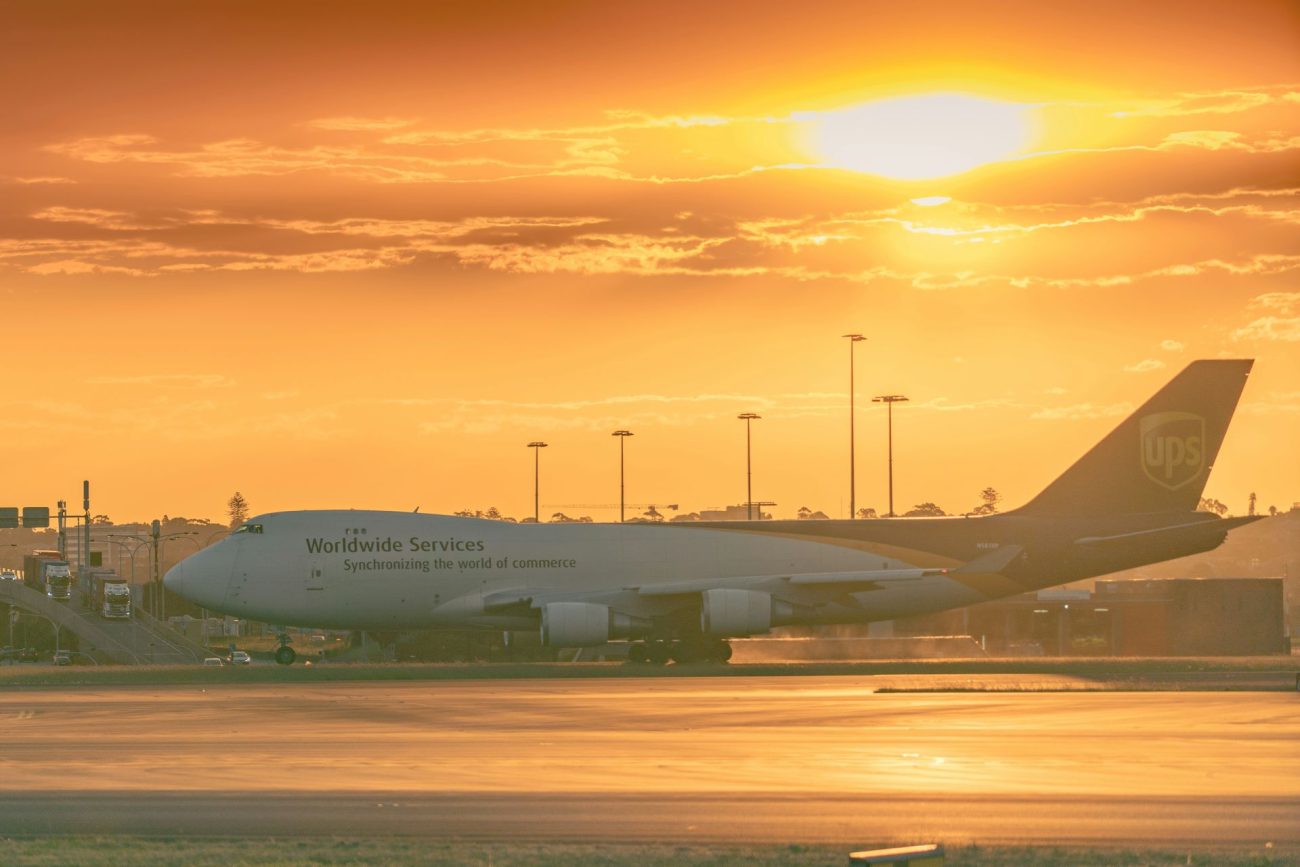
Despite its benefits, air travel has also introduced significant challenges, including overcrowding at major airports, increased security risks, and environmental concerns. The aviation industry is a major contributor to carbon emissions, prompting airlines and governments to explore sustainable solutions. Innovations such as biofuels, electric aircraft, and carbon offset programs are being developed to reduce the industry’s ecological footprint.
Current Trends and the Future of Air Travel in Tourism
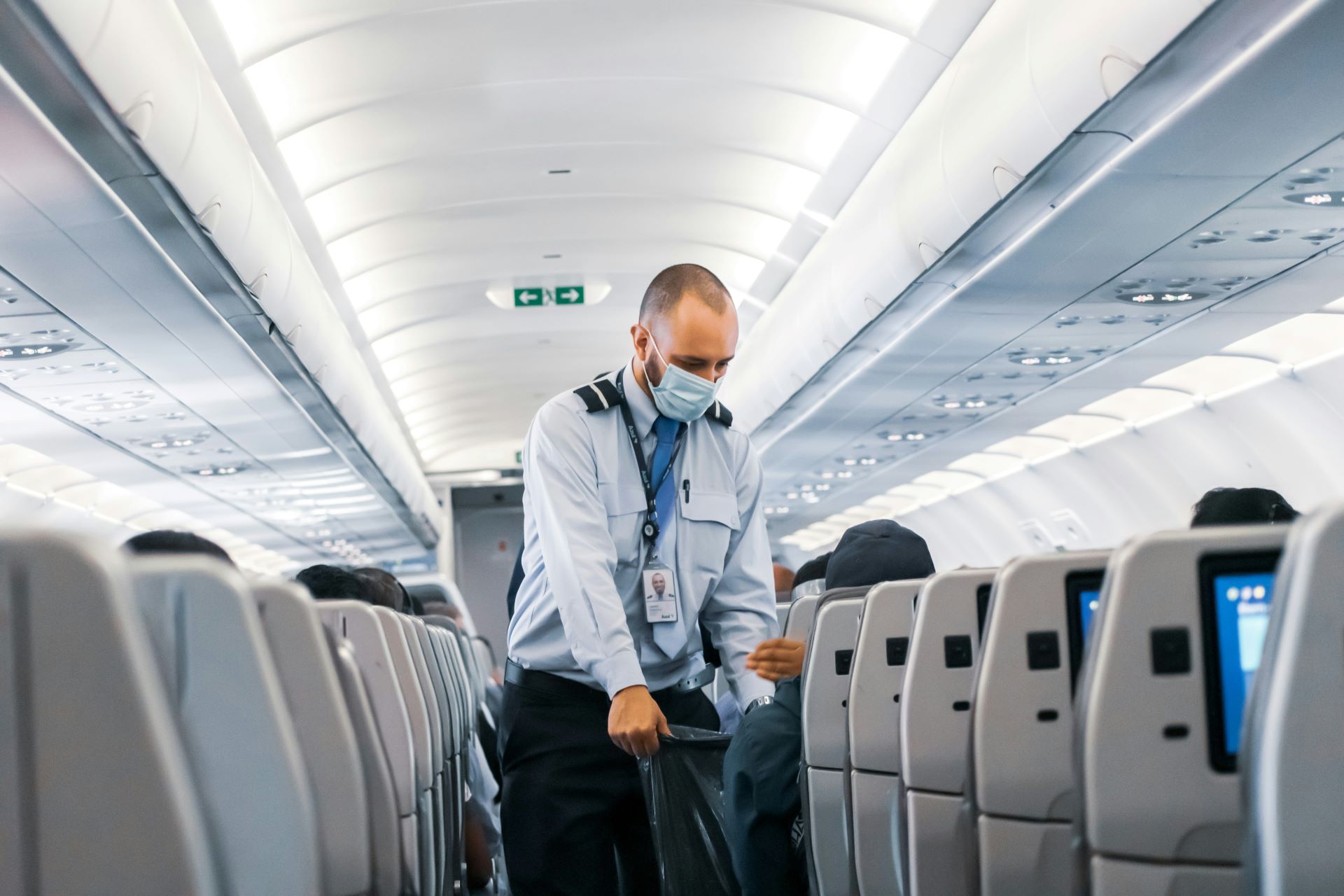
Recent trends indicate a shift toward digitalization and personalization in air travel. The rise of artificial intelligence, biometric boarding, and sustainable tourism initiatives are shaping the future of the industry. The COVID-19 pandemic temporarily halted global travel but also accelerated advancements in health protocols, flexible ticketing options, and remote work-driven tourism. As airlines continue to innovate, the future of air travel is likely to be defined by greater efficiency, sustainability, and enhanced passenger experiences.
Air travel has been a cornerstone of global tourism, transforming economies, cultures, and societies. From the early days of pioneering flights to the rise of budget airlines and digital innovations, aviation has continually reshaped the travel landscape. As the industry looks toward a more sustainable and technologically advanced future, air travel will remain a vital driver of global tourism, connecting people and places in ways that were once unimaginable.