


The Human Side of Global Travel
Every take-off, every smooth landing, and every in-flight announcement is part of a wider story of human connection. While aircraft themselves are the marvels that lift us into the sky, it is people who turn a journey into something more than a mere passage from point A to point B. Behind every boarding pass lies a network of professionals: pilots navigating air currents with calm precision, cabin crew delivering warmth at thirty thousand feet, schedulers weaving together complex itineraries, and ground staff turning the chaos of airports into choreography. Together, they are the bridge between wanderlust and destination, making tourism not just possible but memorable.
This article takes you inside the world of those who connect tourists with the globe, offering insights through their voices. From cockpit to control tower, from marketing desk to maintenance hangar, their stories reveal how airlines are far more than companies—they are living ecosystems where passion and expertise converge.
The Cockpit Perspective – Pilots as Storytellers in the Sky
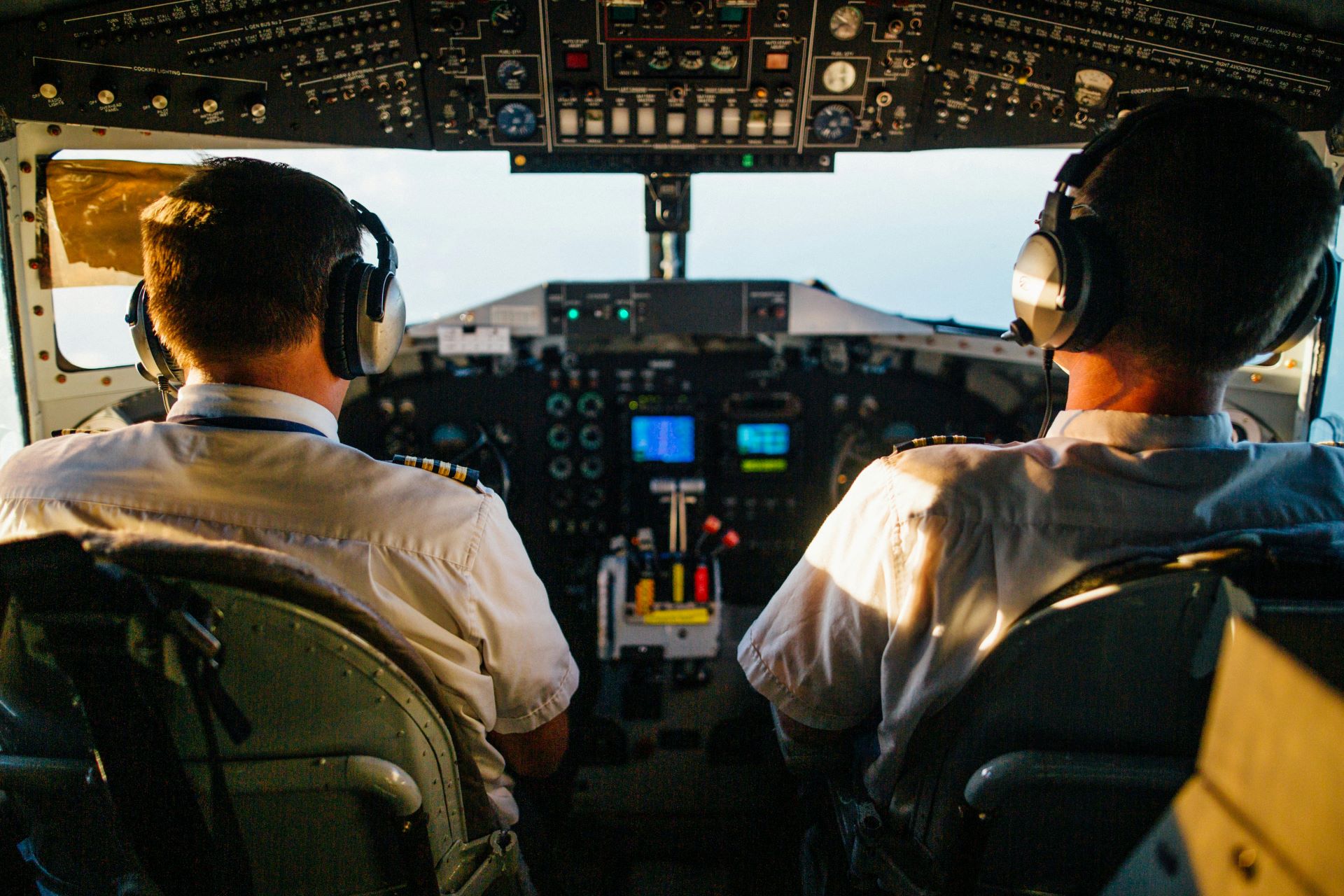
For many, pilots embody the romance of travel. The captain’s voice over the intercom often feels like the start of an adventure, a reminder that the person at the controls is both guide and guardian.
Captain Sarah Williams of a leading European carrier reflects on the responsibility. “You don’t just fly people—you fly their expectations, their dreams, their anxieties. For a honeymoon couple, it’s the start of a story. For a business traveller, it’s often about trust and efficiency. We don’t just deliver them to a destination, we help them transition into a new chapter.”
Tourism, she explains, has made her more aware of cultural nuances. Routes into Asia or Africa aren’t simply plotted lines on a map; they are symbolic connections between communities. “Every flight is a reminder that we live in an interconnected world. I often think of myself less as a pilot and more as a storyteller in motion.”
Behind that sentiment is a highly technical role that demands precision, hours of preparation, and seamless coordination with co-pilots and air traffic controllers. But for Williams, it is the human dimension—the recognition that people travel for love, loss, discovery, or renewal—that gives flying its meaning.
Cabin Crew – Hospitality at Altitude
Step into an aircraft cabin, and it becomes apparent that the flight experience is shaped not just by the aircraft itself but by those who staff it. Cabin crew are often described as airborne ambassadors, balancing safety with service in an environment that demands adaptability.
Chief Purser Daniel Moyo, who has spent 18 years with a Middle Eastern airline, frames the role in terms of hospitality. “We aren’t simply here to pour coffee. We are here to create a safe, welcoming space for people who might be nervous, excited, or exhausted. Every flight is a cross-section of humanity, and we have to tune into that quickly.”
Moyo describes how crew members undergo extensive cultural training. “You can’t serve a tourist from Japan the same way you serve a family from Brazil. Respecting differences, anticipating comfort preferences, and adjusting your energy—it’s an art form.”
Tourism adds another dimension. Long-haul flights bound for leisure destinations often brim with anticipation, while return flights carry the bittersweet air of holidays ending. “It’s our job to balance those moods and ensure the memory of the airline becomes part of the memory of the journey itself.”
Planners and Schedulers – Architects of Seamless Journeys
While pilots and cabin crew form the visible face of airlines, a vast team works behind the scenes to ensure flights actually happen. Planners and schedulers occupy a world of spreadsheets, slot negotiations, and operational puzzle-solving.
Airline network planner Emily Chan calls her role “architecture in motion.” She elaborates: “When you decide to fly from London to Cape Town, it looks like a simple transaction on a website. But that choice is the end result of years of planning—fleet availability, demand forecasting, fuel costs, and bilateral agreements all feed into the decision.”
Tourism plays a decisive role in route planning. Peaks in seasonal demand, new resort developments, and global events can alter route maps dramatically. Chan recalls how her team designed schedules around the Tokyo Olympics: “We weren’t just flying into an airport. We were connecting people to an event, a cultural milestone. That meant adjusting frequency, working with hotels, and coordinating with tourism boards.”
In many ways, planners are the unseen hosts of the journey. Their meticulous orchestration allows travellers to book flights with the confidence that aircraft, crew, and ground services will align at the right moment in the right place.
Ground Staff – The Choreographers of First Impressions
Airports can be overwhelming places: lines of travellers, screens filled with flight codes, the constant hum of announcements. Amid this bustle, ground staff bring order to the chaos.
For check-in agent and later duty manager Priya Singh, the frontline role is one of empathy. “Travellers are often stressed—maybe their taxi was late, their bag is overweight, or they’re flying for the first time. Our job is to take that stress and absorb it, replacing it with reassurance.”
Tourism adds both joy and challenge. Singh recalls peak summer seasons when flights to Mediterranean destinations overflow with families, beachwear tucked into overstuffed bags. “It’s intense but also rewarding. You see the happiness in their faces. You know that, for many, this is the trip they’ve been saving for all year.”
For ground staff, the work is invisible when it is done well. Bags are loaded, boarding is smooth, connections are made—and the traveller remembers none of the orchestration, only the ease.
Maintenance Engineers – Safety as the Silent Companion
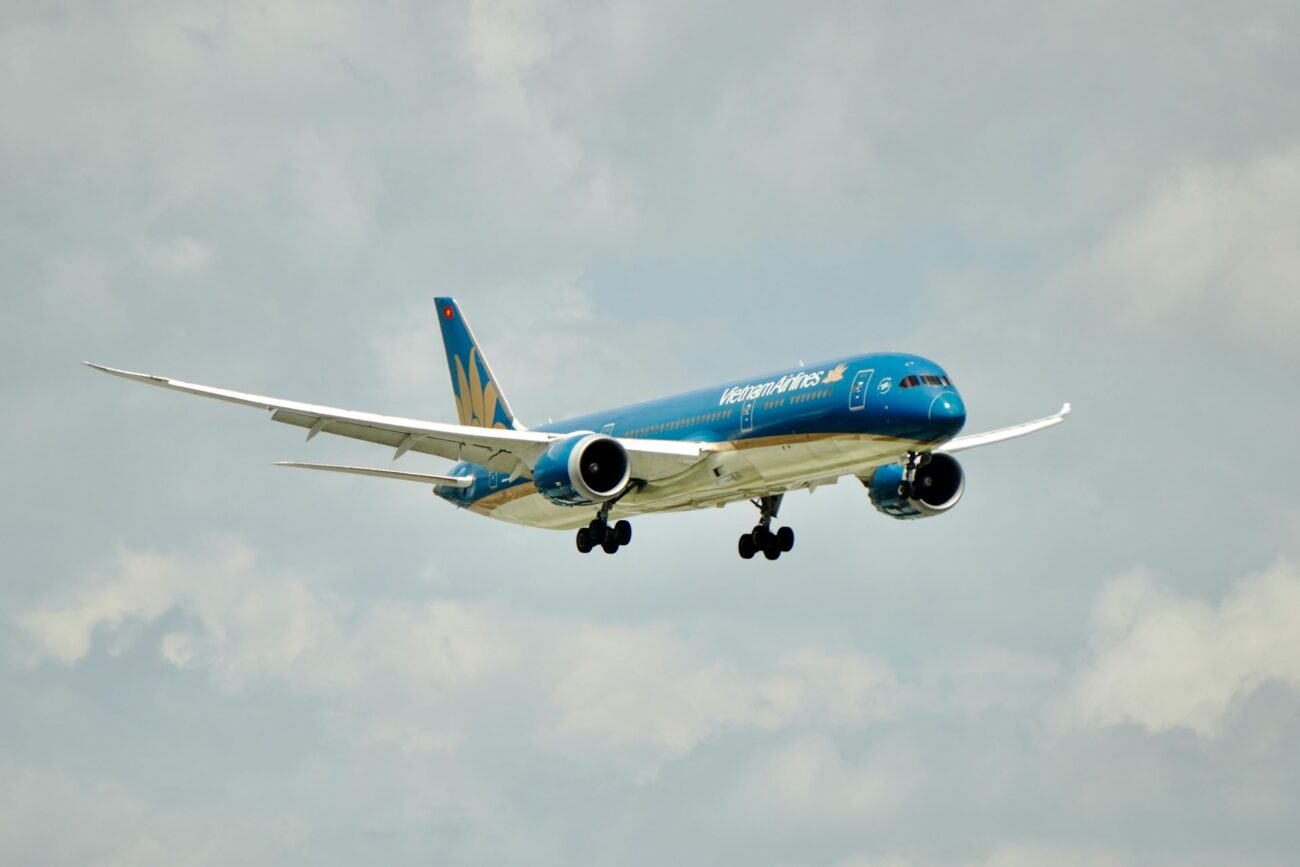
No airline could function without the precision and vigilance of maintenance engineers. Their work often happens in hangars away from the public eye, but it is foundational to every journey.
Senior engineer Ahmed Hassan puts it simply: “We carry responsibility without applause. If a tourist remembers their flight, it’s rarely because of us. But if they arrive safely, we’ve done our job.”
Tourism’s role in engineering is more complex than many imagine. Higher demand in peak travel seasons means accelerated maintenance schedules, heavier aircraft utilisation, and the need for faster turnaround without compromising safety. Hassan notes, “Summer holiday season can feel like a marathon. Aircraft come in, we work overnight, and by morning it’s back in the sky. Tourists never see that effort, but it’s the reason their flight exists.”
For Hassan, there is pride in being part of something bigger than himself. “Every tourist smiling on a beach somewhere—they got there because a chain of people made sure that aircraft was airworthy. That’s connection.”
Marketing and Tourism Liaisons – Shaping Desire and Destination
If engineers keep flights safe and schedulers keep them feasible, marketers make them desirable. They operate at the intersection of aviation and tourism, transforming aircraft into symbols of discovery.
Airline marketing manager Laura Gómez sees her role as storytelling. “We don’t sell metal tubes with wings—we sell journeys, reunions, honeymoons, new beginnings. A single campaign can turn a destination into a must-visit.”
Tourism boards often collaborate with airlines to co-create narratives. When Gómez’s airline launched new routes to Patagonia, the campaign was not just about flight times and fares. “We worked with local guides, photographers, even chefs, to portray the essence of Patagonia. The airline was the thread that wove that story together for tourists.”
The relationship is symbiotic. Airlines bring tourists to destinations; destinations provide airlines with reason to expand. Together, they form the ecosystem that fuels global tourism.
Voices from the Control Tower – Guardians of the Sky
Air traffic controllers may not directly greet tourists, but their influence shapes every safe journey. Sitting in towers or radar rooms, they manage skies that are busier than ever.
Controller James O’Neill describes the intensity. “You’re handling hundreds of lives with every decision. Tourism amplifies the load—holiday seasons mean congested airways, tight schedules, and pilots eager to keep to time.”
O’Neill views himself as part of the invisible chain. “Tourists never think of us, but when their plane descends smoothly through stacked clouds into an airport at dusk, that choreography is ours. We’re the quiet conductors of the sky.”
The Symbiosis – How Airlines and Tourism Fuel Each Other
What emerges from these voices is a tapestry of interdependence. Tourism thrives because airlines provide the arteries that connect the global body, while airlines survive because tourism provides the blood that flows through those arteries.
Aviation and tourism share vulnerabilities—economic downturns, pandemics, and environmental concerns—but also shared resilience. Those who work in airlines adapt continuously, because their roles are not merely jobs but custodianships of human connection.
The Human Legacy of Travel
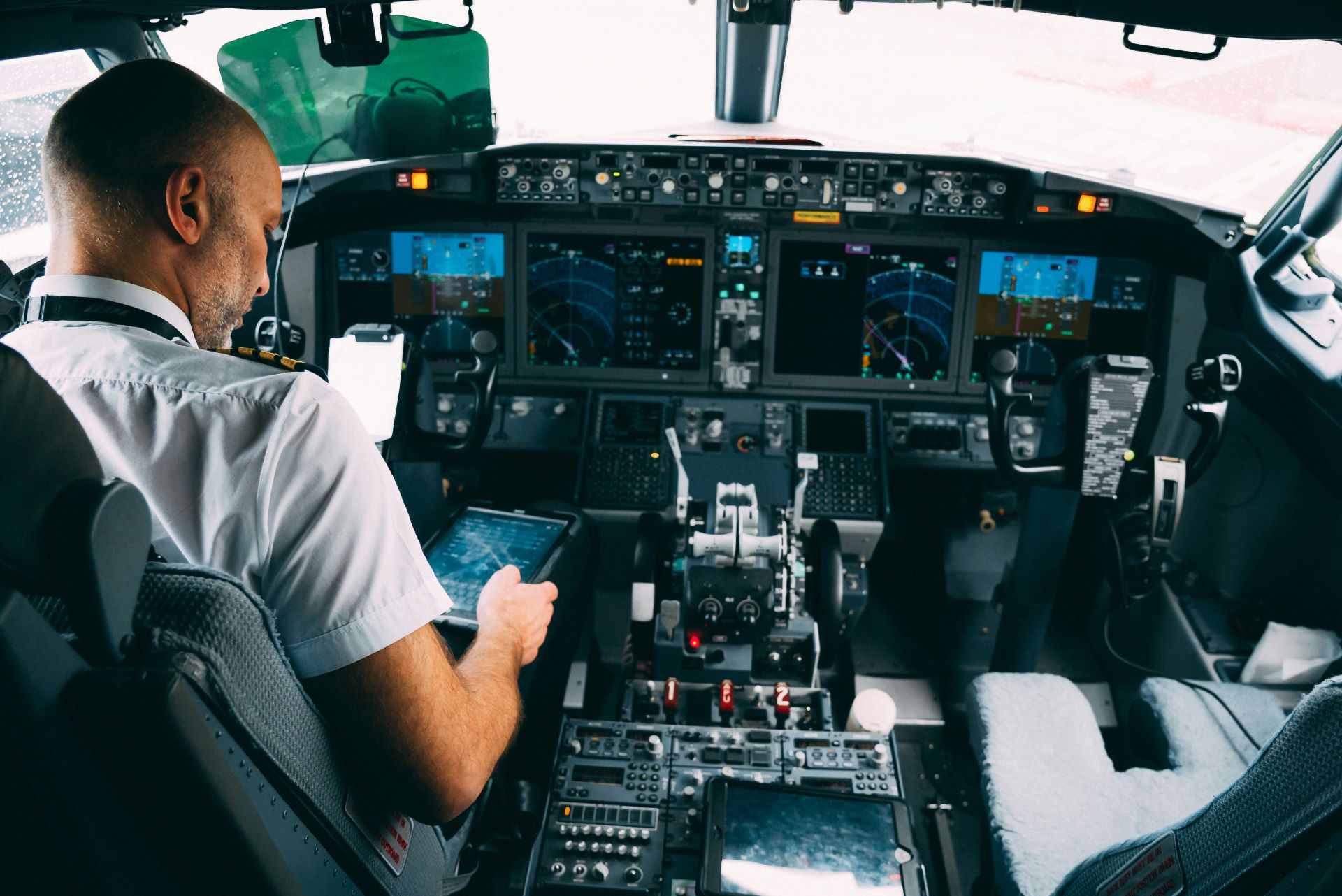
When we think of tourism, we often picture sandy beaches, mountain treks, or city lights. Rarely do we picture the pilot adjusting thrust over an ocean, the planner revising schedules months in advance, or the engineer tightening a bolt at midnight. Yet these are the people who make discovery possible.
From pilots to planners, their work ensures that the world remains within reach. Every smiling photograph taken on holiday is, in part, a testament to their efforts. Every journey is a story written by both travellers and those who made the travel possible.
Tourism, then, is not only about destinations—it is about people. The tourists themselves, yes, but also the quiet army who connect them with the world. They are the true navigators of global journeys, shaping the unseen narrative of exploration, one flight at a time.