


In a world where speed is the metric of progress—where aircraft slice through the stratosphere at Mach 1 and our smartphones measure delay in milliseconds—there exists a serene rebellion that defies the rush. It’s not a resistance rooted in nostalgia for nostalgia’s sake, but a deeply human yearning to reconnect with flight in its purest, most visceral form.
Welcome to the world of open-cockpit biplane tours.
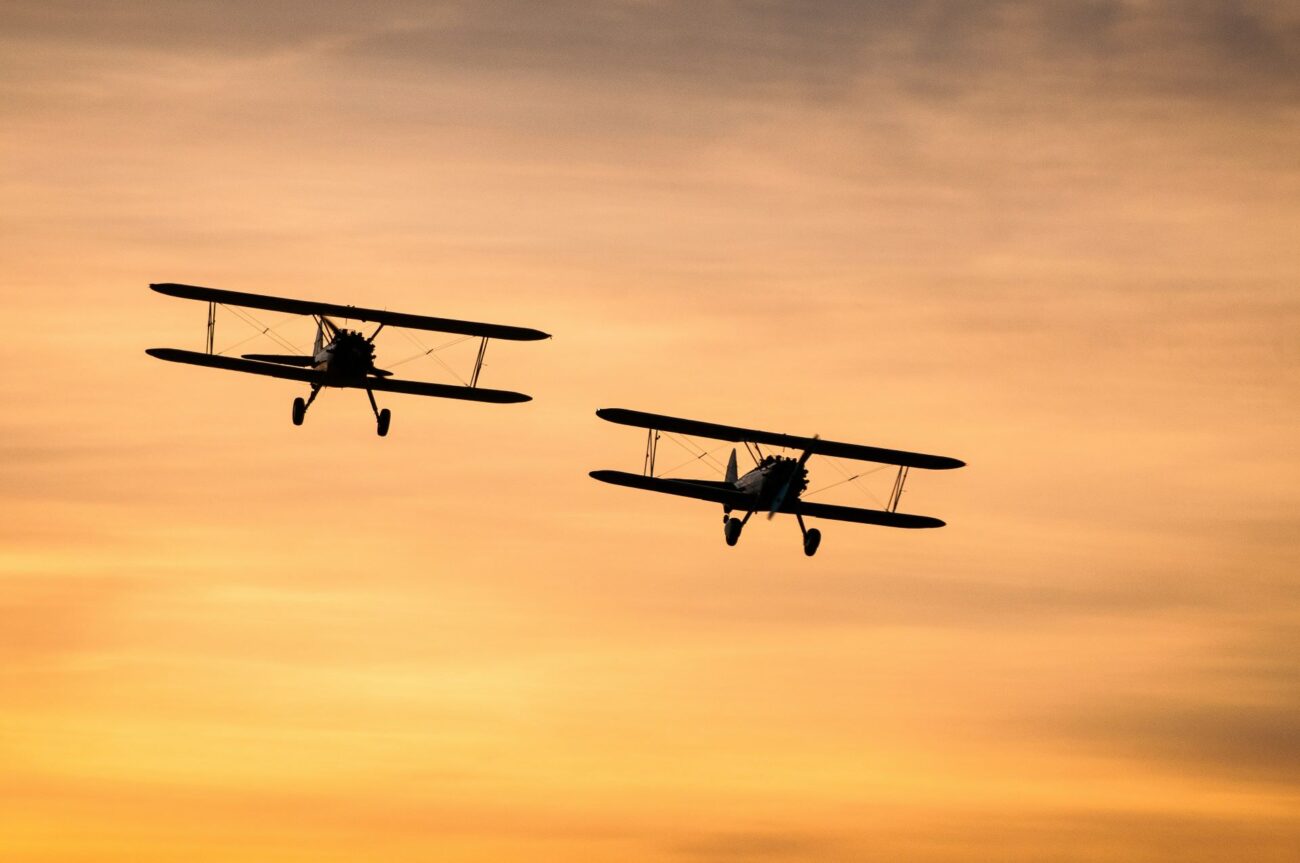
The Romance of Retro Aviation
It begins before takeoff. Standing beside a glistening 1930s-era biplane—fabric wings stretched taut between slender struts, propeller ticking gently as it idles—you sense it immediately: this is not just a ride, it’s a passage back in time.
These aircraft are flying tributes to the golden age of aviation. From the rugged simplicity of the de Havilland Tiger Moth to the muscular elegance of the Boeing Stearman, biplanes evoke an era when flying was equal parts glamour, grit, and grace. The smell of avgas, the whir of the radial engine, and the glint of sunlight on brass fittings—all whisper tales of barnstormers and skywriters, of pilots who danced with clouds for crowds of wide-eyed spectators below.
Yet in the 21st century, these planes have found a new calling. Not as museum pieces, but as the centrepiece of immersive aerial experiences that reawaken the senses dulled by pressurised cabins and touchscreen check-ins.
The Experience: Low, Slow, and Liberating
An open-cockpit biplane tour doesn’t just fly you over a landscape—it invites you to feel it. With the wind on your cheeks and the roar of the engine in your ears, altitude becomes intimacy. You’re not looking at the world from 35,000 feet. You’re skimming over coastlines, weaving through mountain valleys, tracing riverbanks like a bird of prey.
In many tours, altitude rarely exceeds 1,500 feet—low enough to exchange waves with hikers, or spot wildlife on the move. At such heights, the details of the earth take centre stage. You see farmers at work, sunbathers sprawled on beaches, children pointing skyward in delight.
And unlike modern air travel, where autopilot and avionics dominate, these flights are unapologetically analog. You watch the control cables move, hear the mechanical clatter of flaps, and maybe even chat through a crackling headset with your pilot—many of whom are seasoned aviators with stories as rich as the aircraft they fly.
A Pilgrimage for the Senses
Open-cockpit biplane flights are immersive in ways no jetliner can replicate. Every sense is activated:
SightThe horizon stretches unbroken, panoramic. With no fuselage walls to frame your view, you see sky, land, and sea without interruption. Sunsets burn brighter, fields look like patchwork quilts, and even familiar landmarks feel transformed.
SoundThe radial engine’s throaty bark isn’t noise—it’s music. Combined with the whistling wind and creaking wings, the soundtrack of flight becomes a part of the adventure.
TouchThe tactile connection to the air is unforgettable. Cold or warm, humid or dry, the atmosphere becomes a physical companion.
SmellIt may be subtle, but the scent of engine oil, leather seats, and open air is transportive.
EmotionPerhaps most powerfully, open-cockpit flying taps into the intangible—curiosity, wonder, freedom. It awakens something deep and childlike, a joy in discovery and a respect for the machine and pilot making it possible.

Destinations That Shine From the Sky
Open-cockpit tours are offered in some of the most breathtaking regions around the world, chosen not just for their beauty but for how well they reveal themselves when viewed from above.
California Coast (USA)Glide above Big Sur’s rugged cliffs, the golden beaches of Santa Cruz, or the rolling vineyards of Napa Valley. Biplane operators here often incorporate aerial loops and rolls for the thrill-seekers.
Cape Winelands (South Africa)Tour Stellenbosch and Franschhoek from the air, pairing art deco aviation with ancient mountain ranges and historic wine estates.
Loire Valley (France)Follow the Loire River past storybook châteaux and medieval villages, with the added drama of Europe’s changing light.
Great Ocean Road (Australia)Witness one of the world’s most iconic coastal drives from the air—an entirely new perspective on limestone stacks, surf beaches, and rainforests.
Alaska’s Interior (USA)Overfly glacial rivers, remote forests, and wildlife corridors in vintage biplanes specially equipped for Arctic conditions.
The Pilots: Keepers of a Lost Art
No two biplane tours are quite the same, largely because of the pilots who fly them. Often ex-military or lifelong aviation aficionados, they combine technical prowess with theatrical flair. Many see themselves as ambassadors of a nearly lost art form.
Some have restored their own aircraft, sourcing original parts from across the globe. Others grew up watching their parents or grandparents fly these very machines. To them, it’s more than a job—it’s a vocation.
Through narrative-rich commentary, mid-air aerobatics (where permitted), and a deep respect for the heritage of their craft, these pilots elevate each tour into a deeply personal journey.
Safety, Authenticity, and Modern Adaptations
Despite their vintage look and feel, biplanes used in tourism today are rigorously maintained and often subtly modernised to meet contemporary safety standards. GPS tracking, emergency radios, and updated safety harnesses are commonly added without disrupting the aircraft’s historic aesthetic.
Flights are weather-dependent, and most operators won’t fly in conditions that compromise visibility or comfort. Before boarding, guests receive full safety briefings, and many flights are tailored to the passenger’s comfort level—whether that means a gentle cruise or light aerobatics.
Who Flies These Tours—and Why
There’s no “typical” biplane passenger. Families book them for milestone birthdays, couples use them for dramatic proposals, and solo travellers take them for introspective moments of awe.
But perhaps the most common trait among passengers is a desire to slow down. Whether they’re aviation enthusiasts, history buffs, or simply seekers of unique experiences, they share a hunger for authenticity—something that feels increasingly rare in our curated, algorithm-fed lives.
The Future of a Timeless Journey
Paradoxically, the open-cockpit biplane experience thrives precisely because it resists the future. Yet that doesn’t mean it’s stagnant. Operators continue to innovate, offering themed tours, aerial photography packages, and even flight training for those who want to move from passenger to pilot.
Moreover, as sustainable aviation grows, some biplane operations are exploring biofuels and offsets to reduce their environmental footprint without compromising the character of the aircraft.
Still, at its core, this type of flight remains defiantly analog—about connection, craftsmanship, and the poetry of the skies.

Final Thoughts: The Gift of Perspective
Open-cockpit biplane tours do more than offer a thrilling ride. They remind us that progress isn’t always about acceleration. Sometimes, magic lies in the unhurried. In flight, as in life, there's great beauty in choosing the scenic route.
So the next time you find yourself longing for escape—not just from place, but from pace—consider flying low and slow. Let the wind write stories in your hair. Let your pulse align with the rhythm of a radial engine. And let your imagination lift, with the wings of history, into the open sky.