


Family tourism has always been a cornerstone of commercial aviation. From school holiday surges to festive-season reunions, airlines have long relied on families to fill seats during peak travel periods. Yet the nature of family travel is changing in ways that challenge traditional airline thinking. Today’s flying families are not only parents with young children, but also grandparents, teenagers, adult siblings, and extended relatives travelling together across continents. This multigenerational shift is reshaping expectations at every stage of the journey.
Airlines, once focused primarily on the solo business traveller or the cost-conscious leisure flyer, are now paying closer attention to the complexities of family groups. Seating configurations, cabin services, booking flexibility, and even airport experiences are being reworked to reduce friction for travellers spanning several age groups. The goal is simple but demanding: make flying together feel less like a logistical exercise and more like the first chapter of the holiday itself.
What follows is an exploration of how commercial airlines are adapting to this evolution, and why multigenerational family travel has become one of the most influential forces shaping the future of air travel.
The Rise of Multigenerational Travel
The modern family holiday looks very different from its predecessor. Economic pressures, longer life expectancy, and a renewed emphasis on shared experiences have encouraged families to travel together across generations. Grandparents are more active and mobile than ever before, while parents increasingly view travel as an educational and bonding opportunity for children.
For airlines, this trend has created a new type of passenger group. These travellers book in clusters, often with diverse needs and expectations within a single reservation. A toddler may require bassinets and priority boarding, while an older relative values aisle access and minimal walking distances. Teenagers expect Wi-Fi and entertainment on demand, while adults look for flexibility in fares and seating.
This convergence of needs has forced airlines to reconsider the one-size-fits-all approach that once dominated economy cabins. Multigenerational families are not simply larger groups. They are micro-ecosystems of comfort, mobility, and service requirements, all contained within a narrow aluminium tube at cruising altitude.
Booking Together, Sitting Together
One of the most immediate pain points for family travellers has always been seating. For decades, airline booking systems treated each passenger as an individual unit, even when reservations were clearly linked. The result was anxiety at check-in and gate desks, as families scrambled to ensure they could sit together without paying excessive fees.
In response, many airlines have adjusted their policies to better accommodate family seating. Some now guarantee that children under a certain age will be seated with at least one accompanying adult, regardless of fare class. Others have introduced family seating zones, typically located near the rear or middle of the aircraft, where groups are more likely to be placed together.
These changes are not purely altruistic. Airlines recognise that separating families often leads to delays during boarding, seat disputes, and dissatisfied customers. Ensuring families are seated together streamlines operations while improving the overall cabin atmosphere.
More subtly, airlines are rethinking seat layouts themselves. Configurations that allow for clusters of three or four seats, rather than long stretches of paired seating, are better suited to family groups. Wider aisles and staggered seat designs also make it easier for adults to assist children or older relatives during the flight without disrupting neighbouring passengers.
The Cabin as a Shared Space
Beyond seating, the cabin environment plays a crucial role in shaping the family travel experience. Airlines increasingly view the aircraft not just as a transport vehicle, but as a shared living space for several hours. For families, this perspective matters.
Lighting schemes that adjust gradually during long-haul flights help children settle into new time zones, while reducing fatigue for older passengers. Noise-dampening materials and quieter cabins lower stress levels for everyone on board, particularly for infants and elderly travellers sensitive to sound.
Storage is another often-overlooked element. Family travellers tend to carry more personal items, from snacks and toys to medical equipment and extra clothing. Airlines are experimenting with larger overhead bins, more accessible under-seat storage, and dedicated spaces for prams and mobility aids.
Even lavatory design has evolved. Family-friendly restrooms with fold-down changing tables, better lighting, and slightly increased space make a noticeable difference on long flights. While these features may seem minor individually, together they signal an airline’s understanding of family dynamics at 35,000 feet.
Child-Friendly Services Without the Gimmicks
For many years, airlines approached child-friendly services as a novelty. Cartoon-branded meal boxes, colourful headsets, and toy giveaways were used to create a sense of excitement. While these elements still have their place, today’s family travellers are looking for practicality over spectacle.
Pre-orderable children’s meals that align with dietary requirements have become standard on many carriers. Airlines are also offering more flexible meal timing, recognising that children do not always adhere to rigid service schedules. Allowing parents to request meals earlier or later reduces stress and improves satisfaction.
In-flight entertainment has undergone a similar shift. Instead of a limited selection of animated films, airlines now provide extensive libraries that cater to a wide age range. Parental controls, child-safe interfaces, and curated family playlists help parents manage screen time while keeping children engaged.
Some airlines have taken this a step further by offering educational content tied to destinations. Language basics, cultural introductions, and interactive maps transform screen time into a learning opportunity, aligning with the values of families who see travel as enrichment rather than escapism.
Supporting Parents, Not Judging Them
Perhaps the most significant cultural shift within commercial aviation is the growing recognition that families need support, not scrutiny. Travelling with children can be stressful, and airlines that acknowledge this reality tend to build stronger loyalty among parents.
Priority boarding for families allows time to settle children and organise belongings without the pressure of a full cabin waiting behind them. Dedicated family check-in counters reduce queues and confusion at airports, while clearer communication around boarding procedures helps manage expectations.
Cabin crew training has also evolved. Staff are increasingly equipped to assist with family-specific needs, from warming bottles to helping calm anxious children during turbulence. This is not about special treatment, but about understanding that families require a different kind of service rhythm.
Importantly, airlines are careful to balance family-friendly initiatives with the comfort of other passengers. Clear policies and thoughtful cabin management ensure that accommodations for families do not come at the expense of overall onboard harmony.
Flexibility as a Family Essential
Flexibility has become one of the most valuable currencies in modern travel, particularly for families. Plans change quickly when travelling with multiple generations, and rigid ticket rules can turn minor disruptions into major financial losses.
Airlines have responded by introducing more flexible fare options that allow changes without punitive fees. Some carriers offer family-specific bundles that include seat selection, baggage, and date changes at a reduced combined cost. These packages simplify the booking process while providing peace of mind.
Schedule flexibility is equally important. Airlines with multiple daily flights on popular family routes give travellers the freedom to choose departure times that align with children’s routines or older passengers’ preferences. Red-eye flights, once popular with solo travellers, are less appealing to family groups, and airlines are adjusting capacity accordingly.
The pandemic accelerated many of these changes, but family travellers have been among the strongest advocates for keeping flexible policies in place. For airlines, this has reinforced the idea that flexibility is not a temporary concession, but a long-term competitive advantage.
The Role of Loyalty Programmes
Loyalty programmes were traditionally designed around individual travellers, particularly frequent business flyers. Today, airlines are reimagining these schemes to better reflect family travel patterns.
Family pooling options allow miles or points earned by multiple members to be combined into a single account. This makes it easier for families to redeem rewards for group travel, rather than leaving points stranded across individual profiles. Some programmes also recognise children as active participants, offering junior memberships that encourage early brand loyalty.
Elite benefits are being adapted with families in mind. Priority boarding, extra baggage allowances, and lounge access become significantly more valuable when travelling with children or older relatives. Airlines that allow elite benefits to extend to accompanying family members create a sense of inclusivity that resonates strongly with multigenerational travellers.
In doing so, airlines are not just rewarding frequency, but fostering long-term relationships that can span decades and generations.
Airports as Part of the Experience
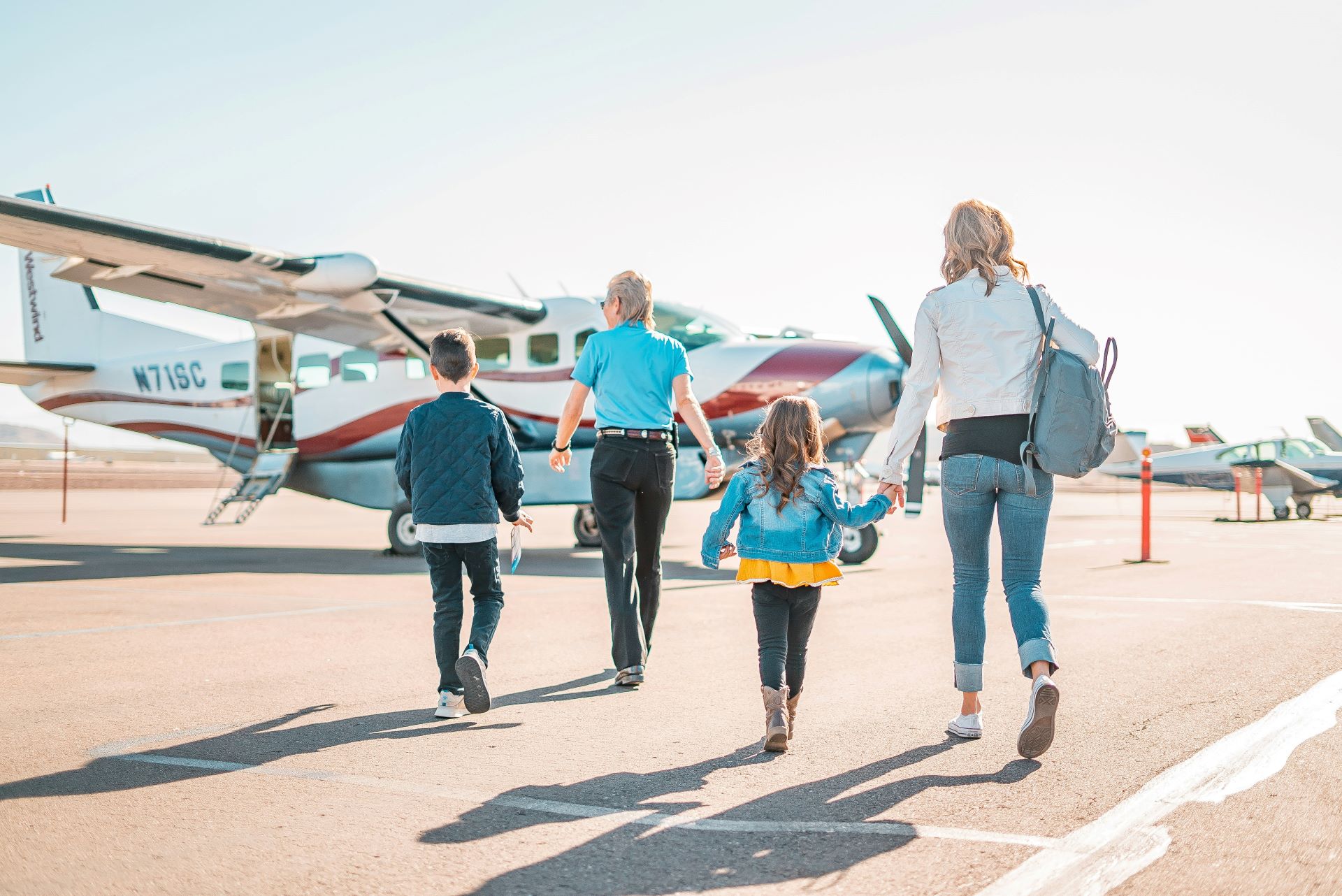
While airlines do not control airports outright, their influence on the ground experience is growing. For families, the journey begins long before boarding, and airlines are increasingly involved in shaping that first impression.
Family lanes at security checkpoints, clearer wayfinding, and partnerships with airport authorities to improve stroller and wheelchair access all contribute to a smoother experience. Some airlines collaborate with airports to offer family lounges or quiet zones where children can play and older passengers can rest.
Check-in technology also plays a role. Mobile apps that allow seat selection, meal pre-ordering, and document management reduce the administrative burden on parents. At the same time, airlines are careful to maintain staffed counters for families who prefer personal assistance, particularly when travelling with special requirements.
These efforts reflect a broader understanding that family travel is holistic. A positive experience in the terminal sets the tone for the flight, while a stressful one can overshadow even the most comfortable onboard service.
Long-Haul Versus Short-Haul Family Needs
Not all family travel is created equal. Short-haul flights often involve quick transitions and minimal services, while long-haul journeys require sustained comfort and engagement. Airlines are tailoring their approaches accordingly.
On short-haul routes, efficiency is paramount. Families value streamlined boarding, quick turnaround times, and simple seating arrangements. Low-cost and full-service carriers alike have introduced policies to ensure families can sit together without excessive fees, recognising that even brief separations can cause anxiety.
Long-haul flights demand a more immersive approach. Lie-flat seats in premium cabins are increasingly marketed as family-friendly, with some airlines offering paired suites or configurable spaces that allow parents and children to remain close. In economy class, extended legroom rows and bulkhead seating are often positioned as ideal for families, particularly those travelling with infants.
Sleep is another critical factor on long-haul flights. Airlines invest in better bedding, quieter cabins, and carefully timed service cycles to help families rest. For multigenerational groups, these considerations can mean the difference between arriving refreshed or exhausted.
Cultural Sensitivity and Global Families
As family travel becomes more international, cultural sensitivity has taken on new importance. Multigenerational groups often include members with different dietary practices, mobility needs, and comfort expectations shaped by culture and age.
Airlines operating across regions must navigate these differences carefully. Meal offerings that respect cultural preferences, multilingual cabin crew, and inclusive service protocols help families feel understood and respected. For older travellers in particular, clear communication and familiar service cues can ease the stress of international travel.
This sensitivity extends to marketing. Airlines increasingly depict diverse family structures in their advertising, reflecting the reality of modern travel. By doing so, they signal that all families are welcome, regardless of size, composition, or background.
Technology as a Silent Helper
Technology underpins many of the advances in family-friendly air travel, often working quietly in the background. Sophisticated booking systems link family reservations more effectively, ensuring seating and services are aligned across the group.
Artificial intelligence plays a growing role in predicting family needs, from identifying likely seating preferences to recommending suitable fare bundles. Personalised notifications keep parents informed about gate changes, boarding times, and baggage status, reducing uncertainty.
Onboard connectivity has become particularly important for families. Reliable Wi-Fi allows parents to manage logistics, entertain children, and stay connected with relatives on the ground. For teenagers and young adults, connectivity is not a luxury but an expectation, and airlines that deliver it consistently gain an edge.
Despite this technological sophistication, successful airlines remember that technology should simplify, not complicate. User-friendly interfaces and clear instructions remain essential, especially when multiple generations are navigating the same digital tools.
The Business Case for Family Focus
From a commercial perspective, courting multigenerational travel makes sense. Families often book further in advance, travel during peak periods, and demonstrate strong brand loyalty when treated well. A positive experience can influence not just a single trip, but a lifetime of travel choices.
Moreover, family travellers tend to purchase ancillary services. Seat selection, baggage, meals, and onboard entertainment bundles all see higher uptake among family groups. By designing these offerings thoughtfully, airlines can increase revenue while genuinely enhancing the customer experience.
There is also a reputational benefit. Airlines known for being family-friendly often enjoy higher satisfaction scores and positive word-of-mouth, particularly on social media. In an industry where trust and perception matter deeply, these intangible benefits are invaluable.
Challenges and Trade-Offs
Despite these advantages, designing for families is not without challenges. Aircraft space is finite, and accommodating one group’s needs can impact another’s comfort. Airlines must balance family-friendly features with the expectations of solo travellers, couples, and business passengers.
Cost is another factor. Enhanced services, flexible fares, and cabin redesigns require investment, and not all airlines can implement them at the same scale. Low-cost carriers, in particular, face the challenge of maintaining affordability while addressing family needs.
Regulatory frameworks also play a role. Safety requirements, seating rules, and international standards can limit how far airlines can go in reconfiguring cabins or offering certain services. Navigating these constraints requires creativity and collaboration across the industry.
Looking Ahead: The Future of Flying Families
The evolution of family tourism shows no sign of slowing. As remote work becomes more common and life stages blur, families will continue to travel together in new and unexpected ways. Airlines that adapt proactively will be best positioned to serve this market.
Future developments may include more modular cabin designs that can be reconfigured for different passenger mixes, or dynamic pricing models that reward group travel more transparently. Enhanced partnerships with tourism boards and destination services could further integrate air travel into the broader family holiday experience.
Ultimately, the airlines that succeed will be those that recognise family travel not as a niche, but as a central pillar of commercial aviation. By designing with empathy, flexibility, and foresight, they transform the flight from a necessary hurdle into a shared memory.
Family travel has entered a new era, defined by multigenerational journeys and evolving expectations. Commercial airlines, once slow to adapt, are now actively reshaping their products and services to meet these needs. From seating layouts and cabin design to flexible fares and child-friendly services, the industry is learning that flying together requires more than proximity. It requires understanding.
For families, these changes mean less stress, more comfort, and a stronger sense of welcome. For airlines, they represent an opportunity to build loyalty that spans generations. In the skies above, the modern family is no longer an exception. It is the future of flight.