


Air travel is in a period of unprecedented transformation. While established routes between North America, Europe, and East Asia have long dominated the global aviation landscape, a new frontier is emerging—airlines are increasingly exploring untapped and rapidly developing markets in Africa, South America, and parts of Asia. Driven by demographic growth, rising disposable incomes, and the burgeoning middle class, these regions present an intricate tapestry of opportunity and challenge for the airline industry. This expansion is not merely a matter of launching new routes; it represents a strategic recalibration of the industry’s global focus, aiming to connect previously underserved regions with international tourism hubs and global business centres.
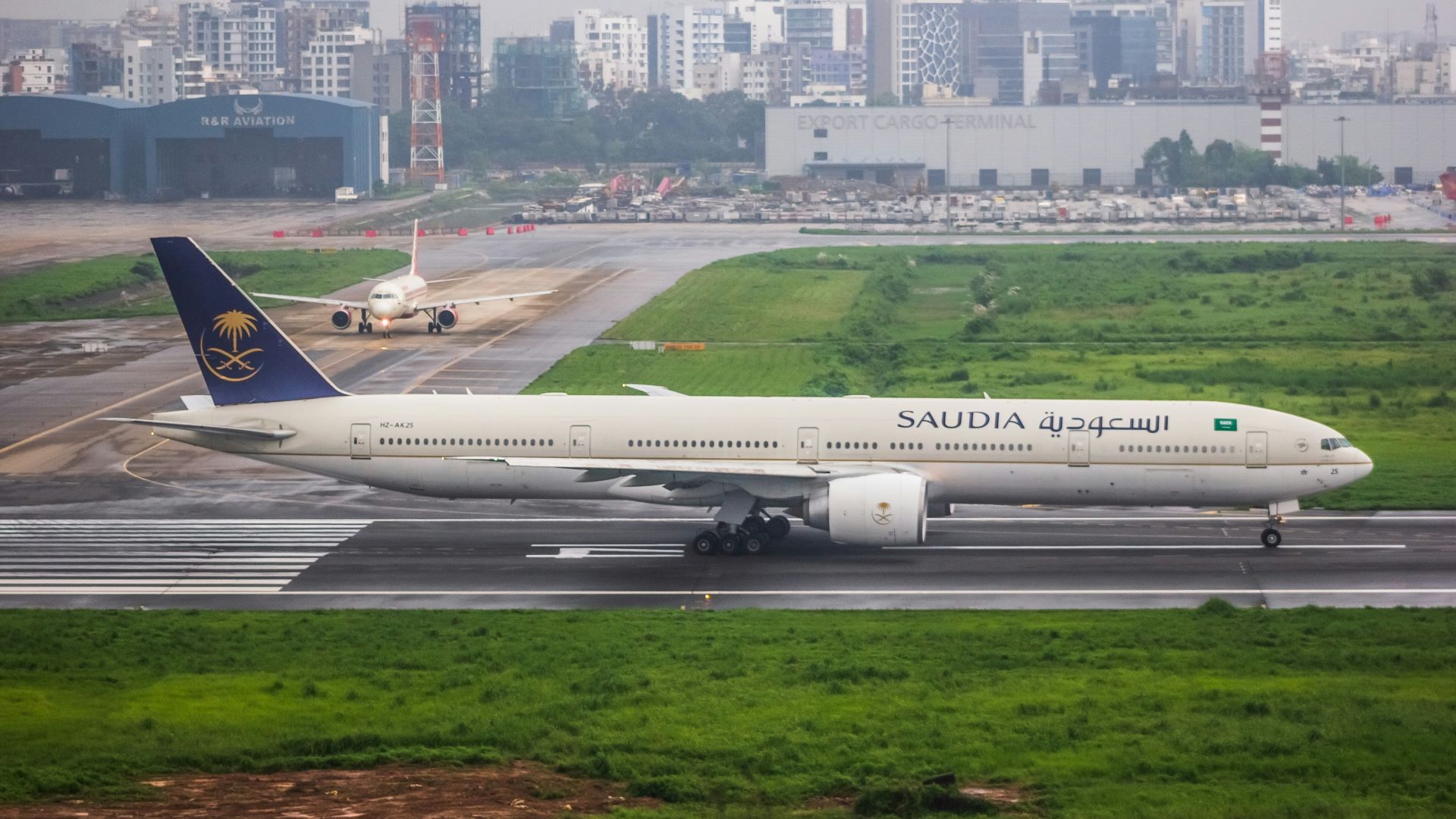
Africa: Navigating Growth Amid Infrastructure Challenges
Africa presents a paradox for airlines. The continent boasts some of the fastest-growing economies in the world, a young population with increasing purchasing power, and an appetite for international travel. Yet, airlines face formidable hurdles, from fragmented regulatory frameworks to underdeveloped airport infrastructure.
West Africa, with its vibrant urban centres in Nigeria, Ghana, and Senegal, has seen a surge in demand for both intra-continental and intercontinental travel. Lagos and Accra, for instance, have emerged as key nodes linking Africa to Europe, North America, and the Middle East. Airlines such as Emirates, Turkish Airlines, and Ethiopian Airlines are capitalizing on this growth, launching new routes and enhancing service frequency to these hubs.
East Africa, anchored by Nairobi and Addis Ababa, has similarly attracted significant attention. Ethiopian Airlines, Africa’s largest carrier, has positioned itself as a critical connector between Africa and the rest of the world, particularly Europe and Asia. The airline’s expansive route network highlights the continent’s potential as both a source and destination for international travellers.
Southern Africa, while slightly more mature in terms of air connectivity, remains dynamic. Johannesburg, Cape Town, and Durban serve as gateways not only for tourism but also for trade and investment, supporting the movement of business travellers, expatriates, and seasonal tourists. Airlines are increasingly investing in premium and long-haul services, understanding that modern travellers demand a combination of efficiency, comfort, and connectivity.
Infrastructure challenges persist, however. Many airports lack the capacity to accommodate large, long-haul aircraft, and the development of aviation hubs often depends on government investment, regulatory stability, and public-private partnerships. Despite this, the potential rewards—access to a market of over 1.4 billion people—continue to attract airlines willing to innovate and adapt to local conditions.
South America: Reviving Routes and Embracing Diversity
South America represents a region where cultural richness, natural beauty, and economic volatility coexist. Airlines venturing into this market must navigate a complex landscape of geography, politics, and consumer behaviour. Brazil, Argentina, and Colombia remain central to airline strategies, but smaller markets such as Peru, Chile, and Ecuador are gaining attention for niche tourism and business opportunities.
Brazil, with its sprawling urban centres and diverse ecosystems, continues to be the crown jewel of South American aviation. Airlines such as LATAM, Gol, and Azul have expanded domestic networks to connect regional airports, while international carriers have sought to tap into Brazil’s growing outbound tourism. Sao Paulo and Rio de Janeiro, historically the primary gateways, are now complemented by secondary airports in Fortaleza, Porto Alegre, and Belo Horizonte, facilitating regional dispersal of travellers.
Argentina and Chile, with strong tourism brands and international business linkages, are similarly targeted by airlines seeking growth. Buenos Aires and Santiago serve as strategic hubs, linking South America with North America, Europe, and Asia. The region’s diverse landscapes—from Patagonia to the Amazon basin—have also stimulated demand for premium leisure travel, prompting airlines to introduce long-haul aircraft equipped with advanced comfort and connectivity features.
The region’s geography presents unique operational challenges. The Andes Mountains and the Amazon rainforest complicate flight paths and infrastructure development, requiring airlines to adopt innovative scheduling, aircraft selection, and maintenance strategies. Political and economic volatility adds another layer of complexity. Currency fluctuations, regulatory changes, and bilateral aviation agreements often influence route planning and ticket pricing. Despite these hurdles, the resilience and dynamism of South American markets continue to make them attractive to global carriers.
Asia: Expanding Beyond Established Powerhouses
While Asia has long been dominated by major aviation markets in China, Japan, and Singapore, emerging destinations in Southeast Asia, South Asia, and parts of Central Asia are gaining prominence. Airlines are seeking to balance the saturation of mature routes with the untapped potential of smaller economies experiencing rapid growth.
Southeast Asia, in particular, has witnessed an explosion of low-cost carriers and regional hubs. Indonesia, Vietnam, and the Philippines present vast domestic networks ripe for international expansion. Airlines such as AirAsia, Lion Air, and VietJet have capitalized on the growing middle class, enabling affordable travel to both regional and long-haul destinations. The proliferation of low-cost carriers has democratized air travel, fostering tourism while also placing pressure on traditional full-service airlines to adapt their models.
South Asia, encompassing India, Bangladesh, and Sri Lanka, demonstrates another dimension of growth. India, with its vast population and rapidly developing urban centres, has become a focal point for international carriers. Airlines are not only targeting major hubs such as Mumbai, Delhi, and Bengaluru but also expanding to tier-two cities, tapping into business travel, medical tourism, and leisure markets. Investments in airport infrastructure, including modern terminals and runway expansions, are key enablers for airline expansion strategies.
Central Asia, often overlooked in global aviation discussions, is emerging as a strategic crossroads for Eurasian connectivity. Kazakhstan, Uzbekistan, and Turkmenistan are beginning to attract attention from carriers aiming to connect Europe and Asia through transcontinental routes. Airlines entering these markets face regulatory hurdles but benefit from relatively low competition and the strategic advantage of connecting previously isolated regions.

Airlines Strategies: Adapting to Regional Nuances
Successful entry into emerging markets requires more than simply adding new flight paths. Airlines are tailoring strategies to local socio-economic conditions, cultural expectations, and competitive landscapes. Several patterns emerge:
First, partnerships and alliances are crucial. Codeshare agreements, joint ventures, and equity stakes allow airlines to mitigate risk while expanding market reach. For instance, alliances between African carriers and European or Middle Eastern airlines create seamless connectivity while leveraging local knowledge and brand recognition.
Second, fleet selection and route frequency are calibrated carefully. Smaller, fuel-efficient aircraft are often favoured for regional flights, balancing operational cost with passenger demand. Conversely, long-haul services rely on widebody aircraft optimized for efficiency, comfort, and cargo capacity. Airlines are increasingly using predictive analytics to determine the optimal balance between route frequency, aircraft type, and ticket pricing.
Third, marketing strategies emphasize cultural relevance and digital engagement. Airlines are investing in localized advertising, multilingual customer support, and loyalty programs that resonate with emerging-market travellers. The rise of mobile booking, digital wallets, and app-based services in Africa, South America, and Asia has reshaped customer expectations, pushing carriers to innovate in service delivery.
Fourth, tourism partnerships amplify market penetration. Airlines collaborate with national tourism boards, hotel chains, and experiential travel providers to package offerings that appeal to both leisure and business travellers. Highlighting local attractions, festivals, and cultural experiences not only stimulates inbound travel but also enhances brand affinity and loyalty.
Economic Impacts: Tourism, Trade, and Connectivity
The opening of airline routes in emerging markets has profound economic implications. Tourism growth stimulates local economies, generates employment, and encourages investment in ancillary services such as hotels, transportation, and entertainment. Increased connectivity fosters trade by facilitating the movement of goods and business personnel, bridging gaps between remote regions and global markets.
In Africa, for instance, enhanced air connectivity supports burgeoning sectors such as safari tourism, business services, and conference travel. South America sees growth in eco-tourism, wine tourism, and adventure travel, drawing visitors to regions previously inaccessible by air. In Asia, cultural tourism, medical tourism, and spiritual travel have become major growth drivers, with airlines actively promoting these sectors through targeted campaigns.
Airline expansion also encourages infrastructural investment. Governments are incentivized to modernize airports, streamline customs and immigration processes, and enhance safety protocols, creating a virtuous cycle of growth that benefits both domestic and international travellers.
Challenges and Risks: Navigating Complexity
Despite the promise of emerging markets, airlines must navigate a landscape fraught with operational, financial, and geopolitical risks. Regulatory compliance varies widely between countries, and political instability can disrupt routes and pricing strategies. Economic volatility, particularly in regions reliant on commodity exports, can affect passenger demand and currency stability.
Additionally, environmental concerns are increasingly central to airline strategy. Emerging markets are not exempt from scrutiny regarding emissions, noise pollution, and sustainable practices. Airlines entering these regions must balance growth ambitions with environmental responsibility, often investing in newer, more efficient aircraft and exploring carbon offset programs.
Competition is another factor shaping strategy. Global carriers entering new markets often face established regional competitors with deep local knowledge. Success depends on the ability to differentiate services, maintain operational excellence, and build long-term customer loyalty.

Looking Ahead: The Future of Airline Expansion
The trajectory of airline expansion in Africa, South America, and Asia suggests that connectivity will continue to grow, driven by demographic shifts, economic development, and rising travel aspirations. Airlines that combine local insight with operational excellence, digital innovation, and sustainable practices are likely to thrive.
Technological advancements, including AI-driven route planning, predictive maintenance, and enhanced passenger experience platforms, will support airlines in optimizing operations and improving service quality. Similarly, partnerships with governments, tourism boards, and local businesses will be critical in unlocking the full potential of these regions.
Emerging markets are not merely destinations for growth—they are catalysts for the evolution of the airline industry itself. By embracing complexity, navigating challenges, and anticipating traveller needs, airlines can create a new era of connectivity, transforming the way people experience Africa, South America, and Asia. The global aviation map is being redrawn, and those who act strategically now will define the future of international travel.