


In a world increasingly conscious of environmental impacts, aviation has emerged as one of the most scrutinized industries. With the rapid growth of air travel, the carbon footprint of airlines has become a pressing concern for both travelers and policymakers alike. Yet, amid the challenges, a new generation of airlines is transforming the way we take to the skies. Biofuels, electric planes, and comprehensive carbon-offset programs are no longer futuristic ideas—they are reshaping airline tourism today.
This article explores how leading airlines are charting a course toward sustainability, offering a detailed look at the technologies, initiatives, and strategies making eco-friendly skies a reality.
Biofuels: The Green Engine of Modern Aviation
Biofuels are among the most promising solutions to reduce aviation emissions without compromising performance. Unlike traditional fossil fuels, aviation biofuels are derived from sustainable organic sources, including algae, agricultural waste, and non-food crops. These fuels can cut carbon dioxide emissions by up to 80% over their lifecycle, offering a practical and scalable approach to cleaner flight.
Airlines Leading the Biofuel Revolution
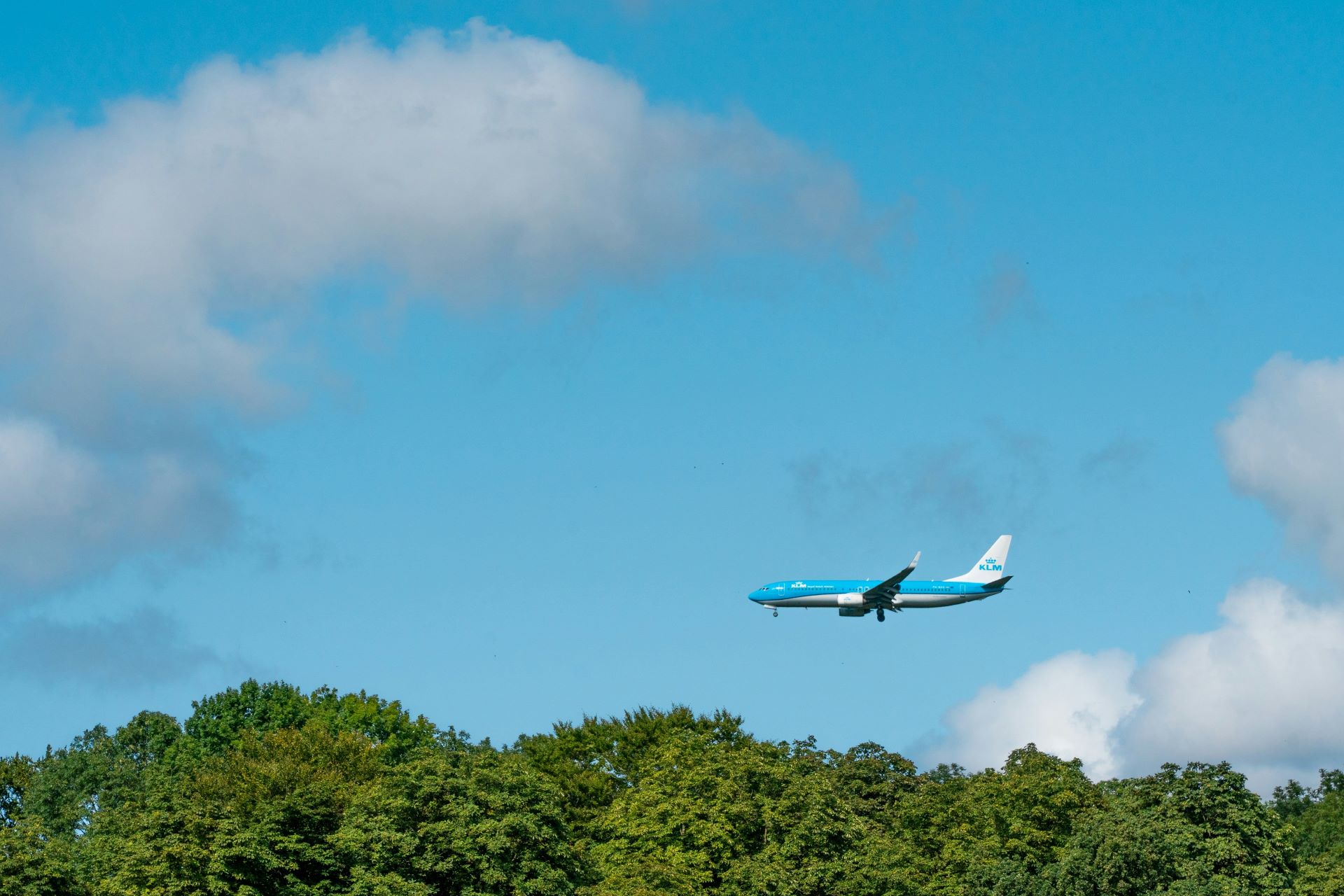
Major airlines across the globe are already investing heavily in biofuel programs. KLM, for instance, has committed to using sustainable aviation fuels (SAF) for a growing portion of its flights, partnering with bio-refineries to create a steady supply chain. Similarly, United Airlines has integrated biofuels into its fleet operations, demonstrating that commercial airlines can make a meaningful impact on emissions while maintaining operational efficiency.
Notably, the use of biofuels doesn’t require radical changes to aircraft design, allowing airlines to adopt greener practices without significant fleet overhauls. This adaptability is crucial for scaling sustainable travel across major routes and high-density markets.
Electric Planes: Flight Powered by Innovation
While biofuels offer immediate environmental benefits, electric aircraft represent the next frontier of sustainable aviation. Advances in battery technology, energy density, and electric propulsion systems have made short- to medium-haul electric flights increasingly viable.
Pioneering Projects and Operational Trials
Airlines and aerospace manufacturers are already conducting commercial trials. EasyJet has invested in hybrid-electric aircraft projects, aiming to reduce emissions on regional flights in Europe. Likewise, startups such as Eviation Aircraft and Heart Aerospace are designing fully electric planes capable of carrying passengers over 300–400 kilometers on a single charge.
Electric planes bring additional advantages beyond carbon reduction. Lower noise pollution, reduced maintenance costs, and quieter airports can transform the travel experience for passengers and local communities alike. As battery technology continues to evolve, longer routes and larger aircraft could soon follow, ushering in a new era of clean aviation.
Carbon-Offset Programs: Bridging the Gap
Even with biofuels and electric planes, the aviation industry cannot eliminate all emissions immediately. This is where carbon-offset programs play a crucial role, allowing airlines and travelers to neutralize their environmental impact.
How Carbon Offsetting Works
Carbon offsets fund projects that reduce greenhouse gases, such as reforestation, renewable energy initiatives, and methane capture programs. Airlines incorporate offsetting in different ways: some include it in ticket prices, while others offer passengers the option to voluntarily contribute toward green projects.
Delta Airlines, for example, has a comprehensive carbon-offset strategy, investing in over 50 projects worldwide that mitigate emissions while promoting biodiversity and community development. Similarly, British Airways’ “Carbon Neutral Growth” initiative offsets emissions from international flights by funding sustainable aviation fuel production and conservation efforts.
Making Offsetting More Transparent
For offset programs to gain credibility, transparency is essential. Airlines are increasingly providing detailed reports on funded projects, emission reductions, and program verification, ensuring travelers understand the tangible impact of their contributions. This clarity not only builds trust but encourages more passengers to participate in sustainable travel initiatives.

Airline Tourism and the Traveler’s Role
Sustainable travel is not solely the responsibility of airlines. Passengers play a pivotal role in driving demand for greener options. Choosing airlines that prioritize sustainability, booking flights that utilize biofuels, or contributing to offset programs are tangible ways travelers can reduce their personal carbon footprint.
Additionally, travel planners and tourism boards are recognizing the importance of eco-conscious options. Packages promoting low-emission flights, regional tourism with electric or hybrid aircraft, and eco-certified accommodations are becoming more prevalent. This holistic approach ensures that sustainable tourism extends beyond the aircraft, encompassing the entire travel experience.
Challenges on the Path to Green Skies
While progress is promising, significant challenges remain. Biofuel production must scale sustainably to meet global demand without compromising food supply or ecosystems. Electric aircraft face technical hurdles, including battery weight, energy density, and charging infrastructure at airports. Carbon-offset programs, meanwhile, require rigorous verification to avoid “greenwashing” and ensure meaningful environmental outcomes.
Nonetheless, industry collaboration, regulatory incentives, and consumer demand are accelerating innovation. Initiatives such as the International Civil Aviation Organization’s (ICAO) Carbon Offsetting and Reduction Scheme for International Aviation (CORSIA) provide frameworks for airlines to adopt measurable sustainability practices, ensuring that environmental progress aligns with global aviation growth.
The Future of Sustainable Air Travel
The trajectory for eco-friendly skies is clear. In the next decade, airlines are expected to integrate multiple sustainability strategies, blending biofuels, electric propulsion, and carbon offsets into a cohesive approach. Partnerships between airlines, technology providers, and governments will be critical to developing the infrastructure, incentives, and technological breakthroughs necessary to achieve net-zero aviation.
Travelers, too, are increasingly eco-conscious, seeking out airlines that demonstrate commitment to environmental stewardship. This demand will drive market competition, rewarding airlines that invest in sustainability while setting new standards for airline tourism worldwide.
Ultimately, the journey toward sustainable air travel is not just about reducing emissions—it’s about reimagining the aviation experience itself. From quieter airports to greener skies, eco-conscious initiatives are transforming the way we fly, making every journey an opportunity to protect the planet while exploring it.

Airline tourism is undergoing a transformation. Biofuels are providing cleaner fuel alternatives, electric planes are redefining flight mechanics, and carbon-offset programs are bridging the gap toward net-zero travel. These innovations, coupled with responsible traveler choices, are creating a blueprint for sustainable air travel that balances efficiency, adventure, and environmental responsibility.
The skies are vast, but they are no longer beyond the reach of environmental stewardship. Airlines leading the charge today are shaping the future of tourism—one eco-friendly flight at a time.