


In an era where experiences increasingly outweigh possessions, travel has transformed into a pursuit of cultural immersion rather than mere sightseeing. Among the emerging trends, commercial flight tourism—a sector once viewed as purely functional—is now taking a creative leap. Passengers no longer merely travel from point A to point B; they embark on journeys designed to showcase art, music, cuisine, and heritage, all while soaring thousands of feet above the Earth. This fusion of aviation and culture represents a radical shift in the tourism landscape, offering travelers a sense of discovery and wonder long before they touch down.
The concept of air-bound cultural tourism leverages the intimacy of the aircraft cabin and the spectacle of the skies. Airlines are now curating experiences where passengers encounter curated performances, immersive workshops, and gastronomy inspired by the destinations below. Far from being a novelty, these journeys reflect an understanding that modern travelers crave meaningful engagement. Every mile flown can be an opportunity to explore the stories of a city, the rhythms of a region, or the tastes that define a community.
The Rise of Flight Tourism
Flight tourism has deep roots in the imagination of humanity. Early aviation pioneers dreamed of not only transporting people across distances but of connecting them to cultures previously inaccessible. Today, this vision is realized through high-concept airline programs that extend the journey beyond the physical act of flying. Travelers are increasingly drawn to airlines that offer something extraordinary: art exhibits curated for the in-flight experience, live music performances at cruising altitude, or culinary tours that mirror the local flavors of the final destination.
This trend has grown exponentially as the aviation industry reimagines its role in tourism. By incorporating cultural experiences, airlines distinguish themselves in a competitive market where customer loyalty hinges on unique offerings. Moreover, these experiences cater to a demographic of travelers who value enrichment over convenience. The flight itself becomes an integral part of the journey, a space where passengers can connect with the heritage, creativity, and traditions of the world below.
Gastronomy Above the Clouds
Few aspects of culture evoke as much passion as cuisine. In-flight gastronomy has traditionally been utilitarian—a necessity rather than an indulgence. However, a new wave of culinary-focused flights is changing this perception. Michelin-starred chefs and local culinary artisans are collaborating with airlines to transform the act of eating at 35,000 feet into a cultural exploration.
Imagine beginning a journey in Italy with the aroma of freshly baked focaccia, tasting region-specific cheeses, and sipping wines selected to complement the flavours. As the plane crosses the Alps, the menu evolves, reflecting the culinary narrative of the lands beneath. This isn’t simply about sustenance; it is a sensory immersion designed to introduce travelers to the terroir, techniques, and traditions that define a region’s food culture. The dining experience becomes a conversation with history, geography, and creativity, allowing passengers to connect with cultures in ways previously reserved for those on the ground.
Music and Performance in the Skies
Music is another dimension through which air travel can transform into cultural tourism. Airlines have begun experimenting with live performances that align with the flight path or the heritage of the destination. From jazz ensembles evoking New Orleans to traditional Japanese koto players heralding a journey to Tokyo, these performances enrich the journey and create moments of resonance that remain with passengers long after landing.
Beyond live performance, the in-flight entertainment system itself can be curated as a cultural vessel. Exclusive access to local filmmakers, virtual reality experiences of historical sites, and curated playlists designed to mirror the journey’s route all contribute to an immersive experience. The plane becomes not just a mode of transport but a stage, a gallery, and a concert hall, offering travelers the rare chance to experience art and music in a unique spatial context.
Interactive Learning and Cultural Workshops
Modern travelers seek engagement rather than passive observation. Recognizing this, airlines are incorporating interactive workshops into long-haul flights. Passengers can learn the basics of traditional dances, participate in craft-making sessions, or even attend mini language courses—all while the Earth glides silently beneath them. These workshops cultivate a sense of cultural literacy and personal connection, transforming what might have been hours of idle time into meaningful exploration.
Consider a flight to Morocco where travelers participate in a henna workshop or a tasting session exploring the complex spices of Marrakech. In doing so, passengers don’t merely arrive at a destination—they arrive informed, connected, and enriched, ready to interact with the culture on a deeper level. The flight itself becomes a preparatory stage, setting the tone for the adventures that lie ahead.
The Role of Technology
Technology is a critical enabler of this new wave of flight tourism. From virtual reality to augmented reality and AI-driven personalization, airlines are leveraging digital tools to create bespoke experiences. VR headsets allow passengers to explore ancient cities, remote landscapes, or underwater ecosystems in tandem with the flight route, offering context and narrative to the journey below. AI algorithms customize the experience based on passenger preferences, ensuring that each journey feels personal and immersive.
In addition, apps and digital platforms extend the in-flight experience beyond the cabin. Passengers can interact with digital cultural guides, participate in quizzes, or even order exclusive culinary kits that arrive at their destination, creating continuity between the air journey and the on-ground experience. This technological integration ensures that the flight is not a disconnected transit period but a cohesive chapter of a broader cultural narrative.
Airlines Leading the Way
Several airlines are pioneering this concept of cultural flight tourism. Singapore Airlines, renowned for its attention to service and innovation, has experimented with culinary tours featuring locally sourced ingredients from destinations across Asia. Emirates has partnered with global artists to offer in-flight art exhibitions, while Lufthansa has introduced workshops highlighting German craftsmanship and innovation. Each initiative reflects a nuanced understanding of how the journey itself can become an immersive cultural experience.
Such programs demonstrate that cultural tourism at altitude is not merely a luxury but a strategic evolution of travel. Airlines are increasingly positioned not only as transporters but as facilitators of cultural exploration, bridging continents, histories, and communities through the simple act of flight.
Sustainability and Ethical Tourism
As with all forms of tourism, ethical considerations are paramount. Cultural flight tourism must balance innovation with responsibility. Sustainable sourcing of ingredients, partnerships with local artisans, and minimizing the carbon footprint of flights are crucial to ensuring that these experiences do not inadvertently exploit or harm the communities they celebrate. Airlines are exploring offset initiatives, collaboration with local heritage organisations, and transparent storytelling to ensure that cultural engagement is both meaningful and responsible.
This dimension of flight tourism aligns with a broader trend among travelers who prioritize ethical and sustainable experiences. Passengers increasingly value authenticity and responsibility, and airlines that embrace these principles enhance the credibility and impact of their cultural programs.
The Psychological Impact of Elevated Experiences
There is a profound psychological dimension to cultural experiences at altitude. The act of rising above the Earth fosters a sense of perspective, awe, and reflection. This elevated state amplifies the emotional resonance of cultural engagement, making passengers more receptive to art, music, and culinary experiences. The flight becomes a liminal space—neither here nor there—where traditional boundaries of learning and leisure dissolve, allowing for deeper connections with the world below.
Passengers often report heightened senses of curiosity and empathy during such flights. Immersed in the narrative of a region, accompanied by the panoramic vistas of the Earth from above, they are primed for both discovery and introspection. This intersection of environment and experience represents an uncharted territory in the tourism landscape—one that merges cognitive, sensory, and emotional engagement in a uniquely airborne context.
Preparing for the Future
As the airline industry evolves, the potential for flight tourism to redefine cultural engagement is enormous. Future innovations could include themed long-haul journeys, collaborations with museums and galleries, or even live interaction with communities at the destination through augmented reality. The integration of sustainable aviation fuels, electric planes, and next-generation cabin designs will further enable these experiences, ensuring that cultural engagement remains at the forefront of innovation.
For travelers, this represents an opportunity to reimagine what it means to move through the world. Air travel, once a necessity often associated with fatigue and inconvenience, now promises enrichment, discovery, and profound connection. Every flight can be a narrative, every meal a story, and every performance a bridge to understanding cultures that might otherwise feel distant or inaccessible.
The Sky as a Canvas
Destination in the air is more than a marketing slogan or fleeting trend—it is a philosophy of travel that places culture, experience, and human connection at the center of the journey. By blending gastronomy, music, art, and technology, airlines are transforming the cabin into a cultural stage where passengers are participants rather than mere observers. These experiences not only enrich travelers but foster a global appreciation for heritage, creativity, and shared humanity.
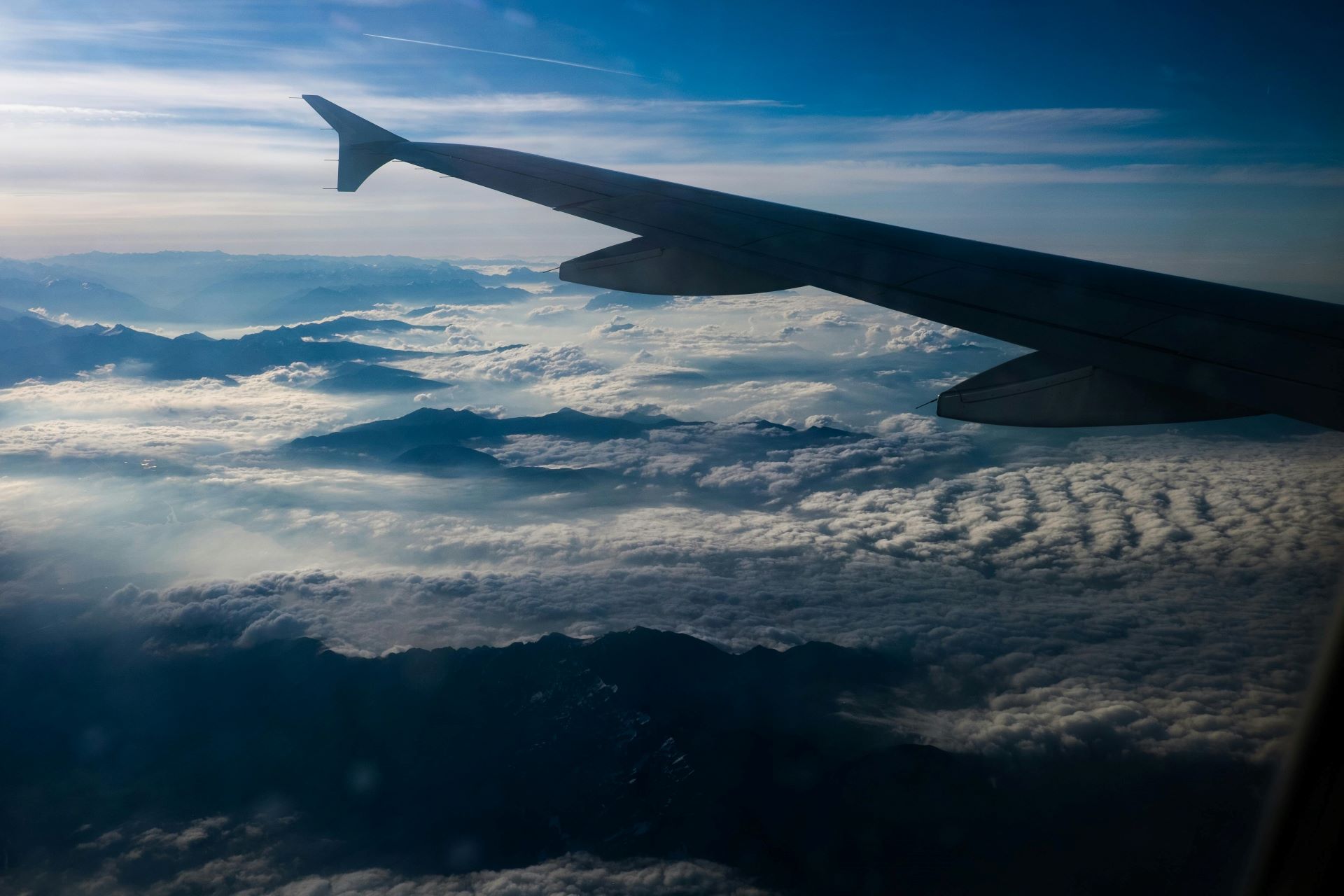
As flight tourism continues to evolve, the sky itself becomes a canvas—a space where innovation, imagination, and culture converge. For the modern traveler, the journey no longer ends upon landing. Instead, it begins above the clouds, inviting us to explore, connect, and celebrate the world from an entirely new perspective. Air travel, once functional, now carries the promise of discovery, proving that even thousands of feet above the Earth, culture remains both accessible and transformative.