


Airports have long been seen as mere gateways between destinations, spaces for security checks, coffee runs, and catching flights. But a quiet revolution has been underway. Today’s airports are evolving into cultural hubs, where travelers can immerse themselves in local heritage, cuisine, and art without ever leaving the terminal. Commercial airline tourism is no longer just about the flight—it’s about the journey from the moment you step into the airport.
Airports as Cultural Destinations
The notion of an airport as a destination might seem counterintuitive, but global travelers increasingly seek experiences that reflect the cities they are visiting—or leaving behind. Airports are reimagining their terminals, combining functionality with artistry. Art installations, museum-quality exhibits, and curated retail spaces are no longer perks—they are expected.
Take Singapore Changi Airport, consistently rated among the world’s best. Its indoor gardens, butterfly sanctuary, and interactive art installations offer travelers a taste of the city-state’s love for greenery and design. Similarly, Amsterdam Schiphol features a library, museum-quality exhibits, and a Rijksmuseum annex showcasing Dutch masterpieces. Airports have become stages where local culture is performed for a global audience.
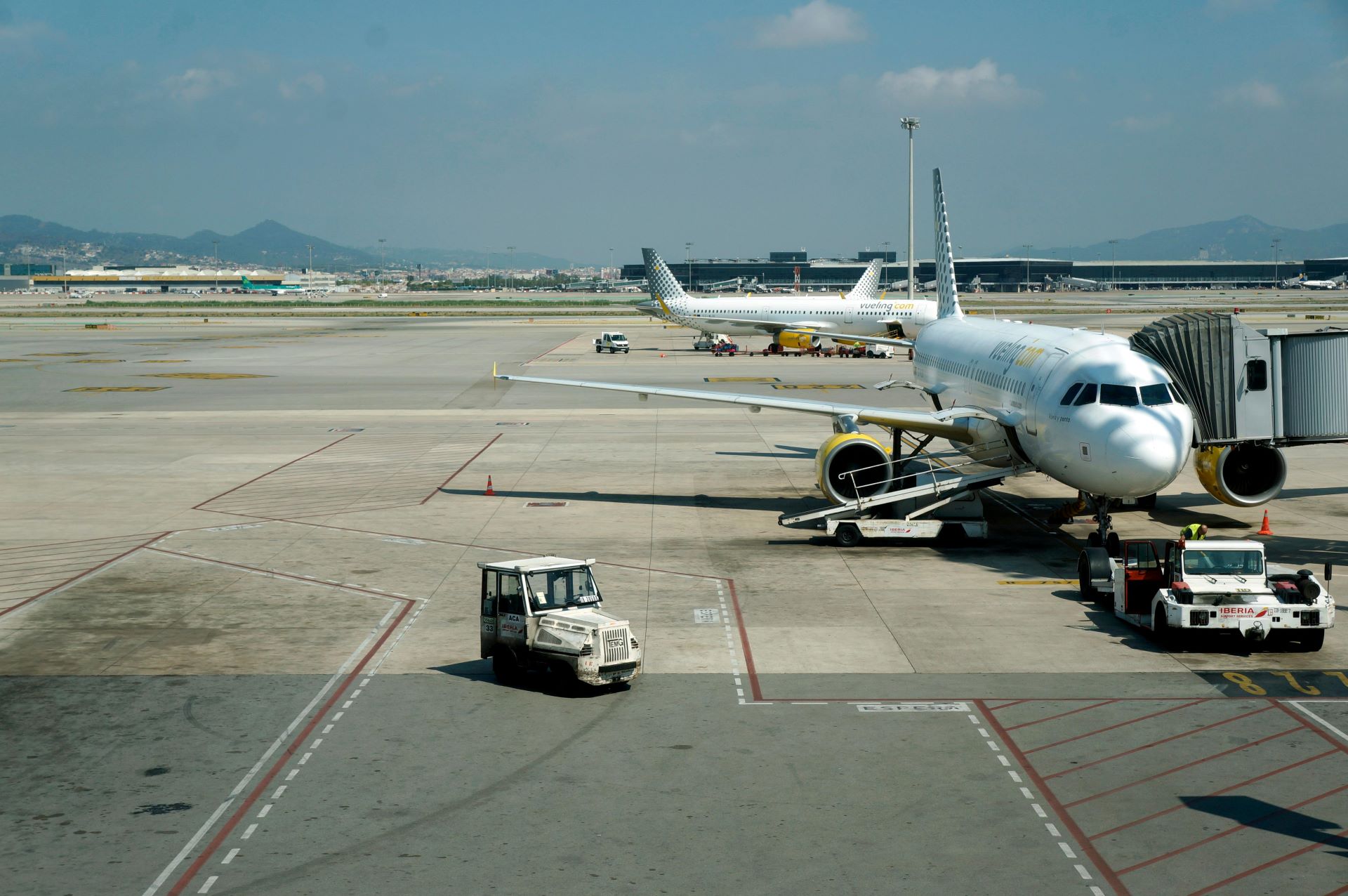
The Art of Airport Exhibits
Art at the airport does more than decorate walls—it tells a story. From rotating exhibitions of contemporary artists to permanent collections that highlight local history, these installations provide travelers with a sense of place. Los Angeles International Airport hosts works reflecting Southern California’s diverse communities, while Seoul Incheon Airport offers traditional Korean art and crafts to celebrate national heritage.
Many airlines now collaborate with local artists, creating immersive experiences within lounges, check-in areas, and boarding gates. Travelers can engage with installations interactively, turning what used to be idle waiting time into moments of reflection, creativity, or even education.
Culinary Journeys Before the Flight
Dining has become one of the most celebrated aspects of modern airports. Beyond the usual fast-food options, airports now embrace the rich culinary traditions of their locales. Imagine savoring Tokyo-style ramen at Narita Airport, sampling fresh tapas at Barcelona-El Prat, or enjoying Cape Malay curries at Cape Town International.
This shift caters to commercial airline tourism, where travelers increasingly consider dining experiences when choosing flights and layovers. Airport chefs and restaurateurs collaborate to create menus that are authentic yet accessible, giving passengers a genuine taste of the region before they step foot into the city. It’s about flavor, storytelling, and cultural immersion.
Retail Spaces Reflecting Local Identity
Shopping at airports has evolved from luxury goods and duty-free alcohol into curated experiences that celebrate local craftsmanship. From handwoven textiles to region-specific souvenirs, terminals now showcase goods that tell stories of their origins. At Dubai International, travelers can find traditional perfumes, artisanal jewelry, and Arabic calligraphy, while Singapore’s Changi features local designers alongside global brands, bridging international appeal with cultural specificity.
These retail experiences feed directly into commercial airline tourism, enhancing passenger satisfaction and encouraging longer dwell times, which can even influence airline choice. A traveler’s journey now begins with the senses, long before boarding the plane.

Entertainment and Interactive Culture
Some airports go a step further, incorporating immersive entertainment that introduces local culture playfully and memorably. Singapore’s Jewel Changi includes a forest valley and indoor waterfall, while Istanbul Airport offers a cultural storytelling experience highlighting Ottoman history. These installations provide travelers with Instagram-worthy moments while fostering genuine appreciation for the local culture.
Interactive cultural activities, such as traditional craft workshops or live performances, encourage passenger participation. Children and adults alike can learn about local customs, music, or dance, transforming the airport from a transient hub into a space for meaningful engagement.
The Role of Airlines and Commercial Tourism
Airlines have recognised that airports can be more than logistical spaces—they are cultural touchpoints that influence traveler perceptions. Airline partnerships with airport operators often include sponsorships for exhibitions, curated dining, and premium lounges that highlight local traditions. Business travelers, frequent flyers, and leisure tourists increasingly value these cultural amenities, elevating the travel experience.
By creating culturally rich environments, airports reinforce the connection between the airline, the destination, and the traveler. Passengers arrive or depart with a sense of place, turning layovers and delays into opportunities for discovery rather than frustration.
A Gateway to Local Life
In essence, airports are evolving into microcosms of their cities. Travelers may begin their journey with art, cuisine, and retail reflecting the heart of a region, making the airport itself a memorable part of the trip. From immersive exhibits to authentic dining experiences, the modern airport serves as a preview of what awaits at the destination.
For commercial airline tourism, this shift offers multiple benefits: passenger satisfaction increases, dwell times grow, and cultural tourism extends beyond city centers into transit hubs. Airports are no longer just transitional spaces; they are stages for storytelling, sensory engagement, and local immersion.
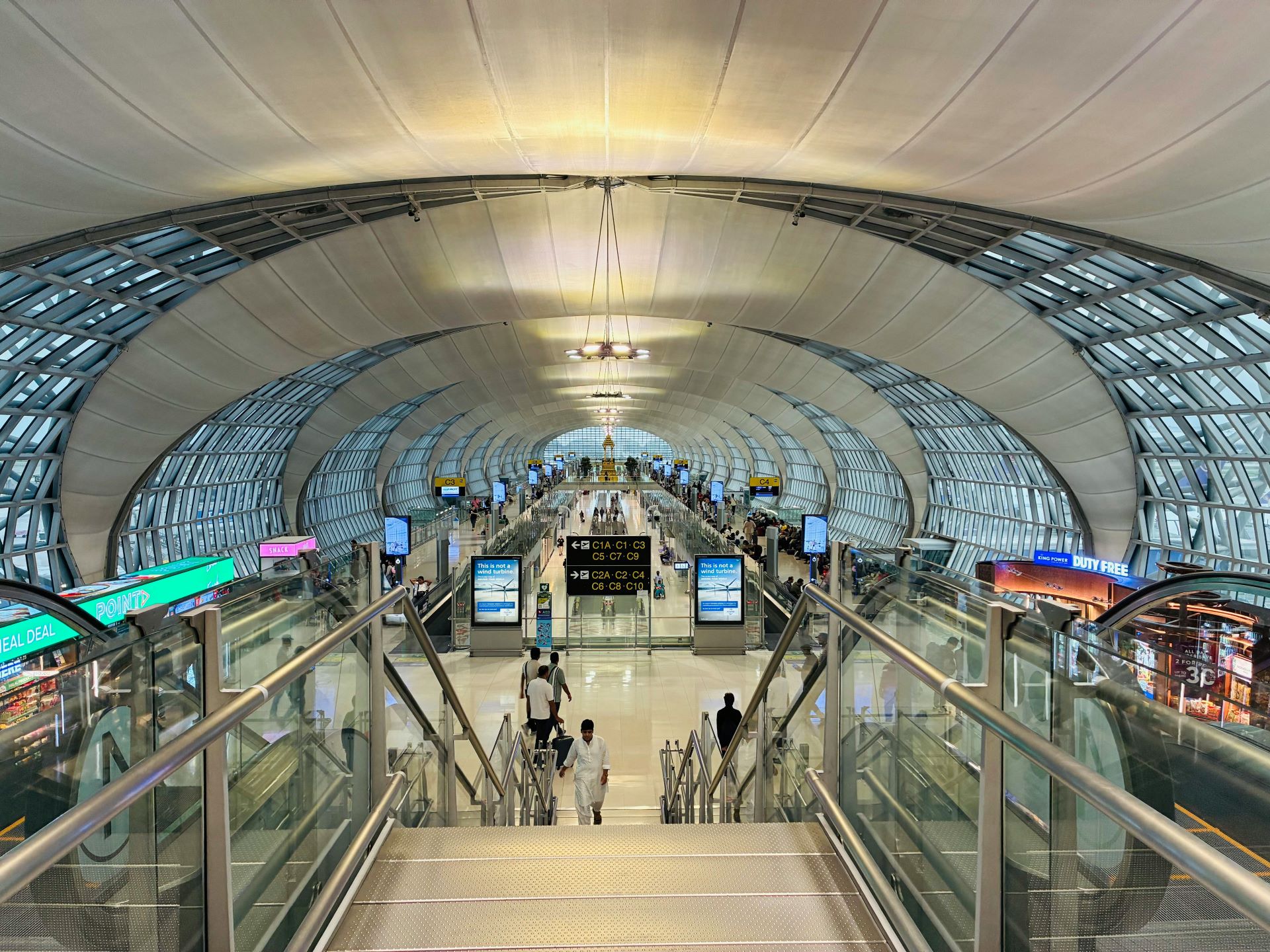
Looking Ahead
As technology, design, and cultural programming advance, airports will continue to redefine travel. Expect more interactive exhibits, multi-sensory dining, and opportunities to connect with local traditions. The line between the airport and the destination blurs, making every journey richer, more memorable, and deeply connected to place.
Travelers who once regarded airports as nothing more than waiting areas now find themselves exploring, tasting, and engaging in meaningful ways. The modern airport is a testament to the power of cultural experience—a reminder that sometimes the journey begins before the flight.