


The Rise of Accessible Air Travel
Once upon a time, international travel was a privilege reserved for the affluent, a luxury often measured in first-class tickets and hotel suites. Today, the sky is no longer the exclusive domain of the wealthy. Low-cost carriers (LCCs) have fundamentally reshaped the tourism landscape, democratizing travel and giving millions of people access to destinations that were once distant dreams. Airlines such as Ryanair, EasyJet, AirAsia, and JetBlue have spearheaded this shift, operating on business models designed to minimize costs while maximizing accessibility. By offering stripped-down fares and a la carte services, these carriers have introduced a new paradigm: travel at a price point previously unimaginable.
The allure is obvious. Weekend trips across Europe for under €50, or flights from Southeast Asia to neighboring countries for a fraction of traditional costs, are now commonplace. Families, students, and first-time travelers can experience foreign cultures, cityscapes, and natural wonders without committing to months of savings. But the story of budget airlines is more than low fares; it is about the ripple effects on local economies, tourism patterns, and even cultural exchange.

Hidden Fees: The True Cost of “Cheap”
Despite the promise of affordability, low-cost carriers are notorious for their hidden fees, a reality that both savvy travelers and unsuspecting tourists must navigate. These fees, often referred to as ancillary revenue, cover everything from checked baggage and seat selection to onboard meals and priority boarding. While a ticket might advertise a headline fare of $20 or €30, the total outlay for a weekend getaway can quickly climb once these extras are factored in.
This phenomenon raises important questions about what “affordability” truly means. Is a budget ticket genuinely cheaper than a full-service airline once luggage, meals, and convenience fees are included? For seasoned travelers, understanding these dynamics is part of the planning ritual. For first-time or casual tourists, however, the allure of a low headline price can lead to sticker shock at the airport. Nevertheless, even when additional costs are considered, LCCs typically offer meaningful savings compared to traditional carriers, especially on short-haul routes.
The financial transparency—or lack thereof—has also influenced traveler behavior. Many passengers now meticulously plan for these charges, comparing total trip costs rather than focusing on the ticket alone. Apps and websites that aggregate airline fees have become indispensable tools, empowering consumers to make informed choices and navigate the fine line between perceived and actual affordability.
Destinations Once Out of Reach
One of the most transformative impacts of budget airlines has been their ability to connect travelers to previously inaccessible destinations. Islands, secondary cities, and off-the-beaten-path locales are now within reach of average vacationers, not just seasoned globetrotters. For example, budget carriers flying to Eastern Europe have opened cultural hubs like Krakow, Riga, and Ljubljana to tourists from Western Europe at costs that rival domestic travel. In Southeast Asia, budget airlines have made multi-country itineraries—from Bangkok to Phnom Penh, or Kuala Lumpur to Bali—attainable for backpackers and budget-conscious families alike.
This accessibility has profound implications for local tourism economies. Increased foot traffic often translates to a boost for hotels, restaurants, local markets, and cultural attractions. Small towns and regions that were previously overlooked by mainstream tourism now find themselves on the map, fostering economic growth and cultural exchange. At the same time, this influx can strain local infrastructure if growth is sudden or unplanned, highlighting the need for sustainable tourism strategies that balance visitor numbers with preservation of local identity.
The Democratization of Adventure
Budget airlines have not merely made travel cheaper—they have fundamentally redefined what adventure means. For a generation raised on digital wanderlust and social media, the opportunity to spontaneously explore foreign lands has shifted from aspiration to expectation. Travelers can plan impromptu weekend trips, chase seasonal festivals, or explore multiple countries in a single month without the traditional financial constraints.
This democratization has also shaped travel patterns and experiences. LCC passengers often prioritize cultural immersion, seeking authentic encounters rather than luxury accommodations. Local homestays, street food, community tours, and niche experiences flourish as a result. In effect, low-cost carriers do more than move people—they shift the tourism paradigm toward experiential, grassroots exploration.
The Symbiotic Relationship with Local Tourism
The proliferation of budget airlines has sparked a nuanced relationship with local tourism industries. On one hand, the influx of travelers drives revenue and fosters cross-cultural interaction. On the other, it can create volatility in economies heavily reliant on transient tourists. For example, destinations that thrive during short-haul low-cost flights may struggle during off-peak periods when flight frequency drops, leaving businesses vulnerable to fluctuating demand.
To manage this, some regions have partnered with airlines to promote year-round tourism, offering incentives for mid-season travel or creating packages that combine flights, accommodation, and activities. Such collaborations illustrate how budget carriers can become strategic allies for tourism boards, not merely transport providers. By aligning airline scheduling with local tourism initiatives, destinations can maximize economic benefits while minimizing the pitfalls of seasonality.

Environmental Considerations and Modern Expectations
While the accessibility of budget airlines is undeniable, it comes with environmental considerations that cannot be ignored. Short-haul flights, which form the backbone of LCC networks, contribute disproportionately to carbon emissions. The very convenience that makes low-cost air travel attractive also raises questions about sustainable tourism.
Airlines and travelers are increasingly aware of this tension. Some carriers have introduced carbon offset programs or invested in more fuel-efficient aircraft, while passengers weigh convenience against environmental impact. This evolving consciousness reflects a broader trend: tourism in the 21st century is about balancing desire with responsibility. Budget airlines are at the center of this dialogue, navigating the intersection of affordability, access, and ecological accountability.
Case Studies: Success Stories from Around the World
Across Europe, Asia, and the Americas, budget airlines have fueled tourism growth in ways that defy expectations. Cities like Porto, Budapest, and Tallinn have seen exponential increases in visitor numbers, transforming urban landscapes and inspiring local entrepreneurship. In Asia, secondary airports in Vietnam and Thailand have blossomed into bustling hubs for travelers eager to explore beyond the main cities. South American countries, too, are witnessing shifts as low-cost carriers connect capitals with remote natural reserves and cultural sites.
These case studies reveal a pattern: the combination of low fares and creative destination marketing can rapidly stimulate tourism economies. Moreover, the impact extends beyond economics; local cultures are exposed to global audiences, fostering exchange, dialogue, and mutual understanding in ways that traditional tourism channels rarely achieved.
The Future of Budget Travel
Looking ahead, the role of low-cost carriers in global tourism appears poised to expand. Airlines continue to innovate with digital booking systems, dynamic pricing models, and partnerships with tourism boards, ensuring that travel remains both accessible and strategically advantageous for destinations. Meanwhile, technological advancements in aircraft efficiency, alternative fuels, and operational sustainability could redefine the perception of budget travel, balancing affordability with environmental responsibility.
As travelers become increasingly sophisticated in assessing total trip costs—including hidden fees, sustainability factors, and ancillary services—budget airlines must continue adapting to maintain their appeal. For tourists, this means more choice, more destinations, and more opportunities for adventure than ever before.
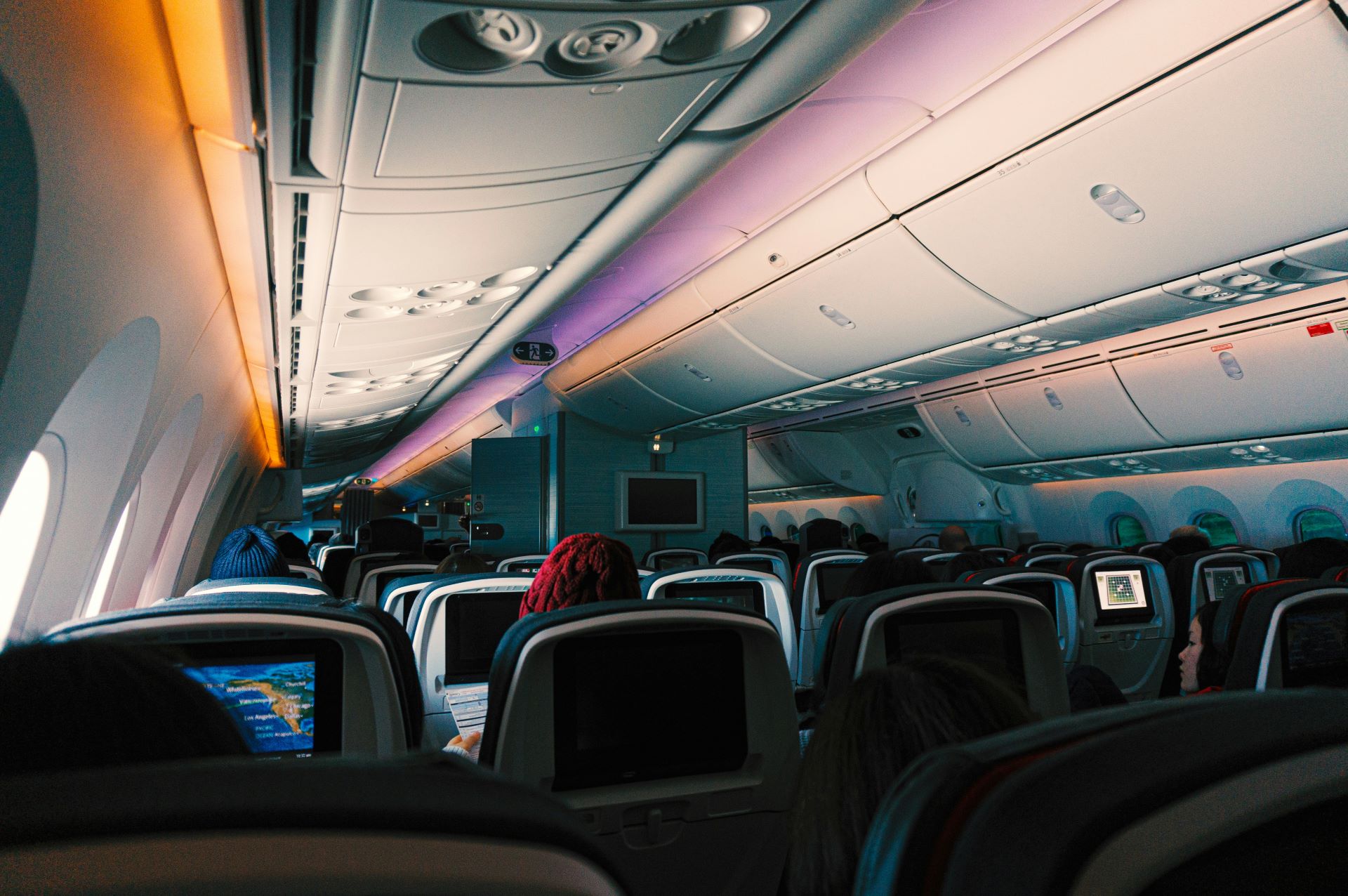
Big Adventures, Broad Horizons
Budget airlines have done more than make travel cheaper; they have reshaped the cultural and economic fabric of tourism. By making far-flung destinations accessible, they empower travelers to embrace adventure on their own terms. Hidden fees may complicate the picture, and environmental considerations may temper enthusiasm, but the overall narrative is clear: the democratization of air travel has unlocked a world of possibilities. From bustling cities to remote natural wonders, the skies are now open to all, proving that travel, in its truest sense, is no longer the privilege of the few but the shared adventure of the many.