


In the last two decades, the aviation industry has undergone a transformative shift. Once reserved for the affluent or corporate elite, international travel has gradually become a possibility for the everyday traveller. At the heart of this transformation lies the rise of budget airlines, whose low-cost model has revolutionized the accessibility of global tourism, connecting remote regions to major urban hubs, and reshaping the economics of travel in ways previously unimagined.
From Luxury to Accessibility: A Paradigm Shift
Air travel, historically, carried an aura of exclusivity. Flying was synonymous with affluence; the idea of hopping across continents was constrained by financial feasibility and limited route options. The traditional full-service carriers operated with high operational costs, lavish in-flight services, and ticket pricing that reflected both prestige and infrastructure investment. The average leisure traveller often had to save months, if not years, to afford even a single international flight.
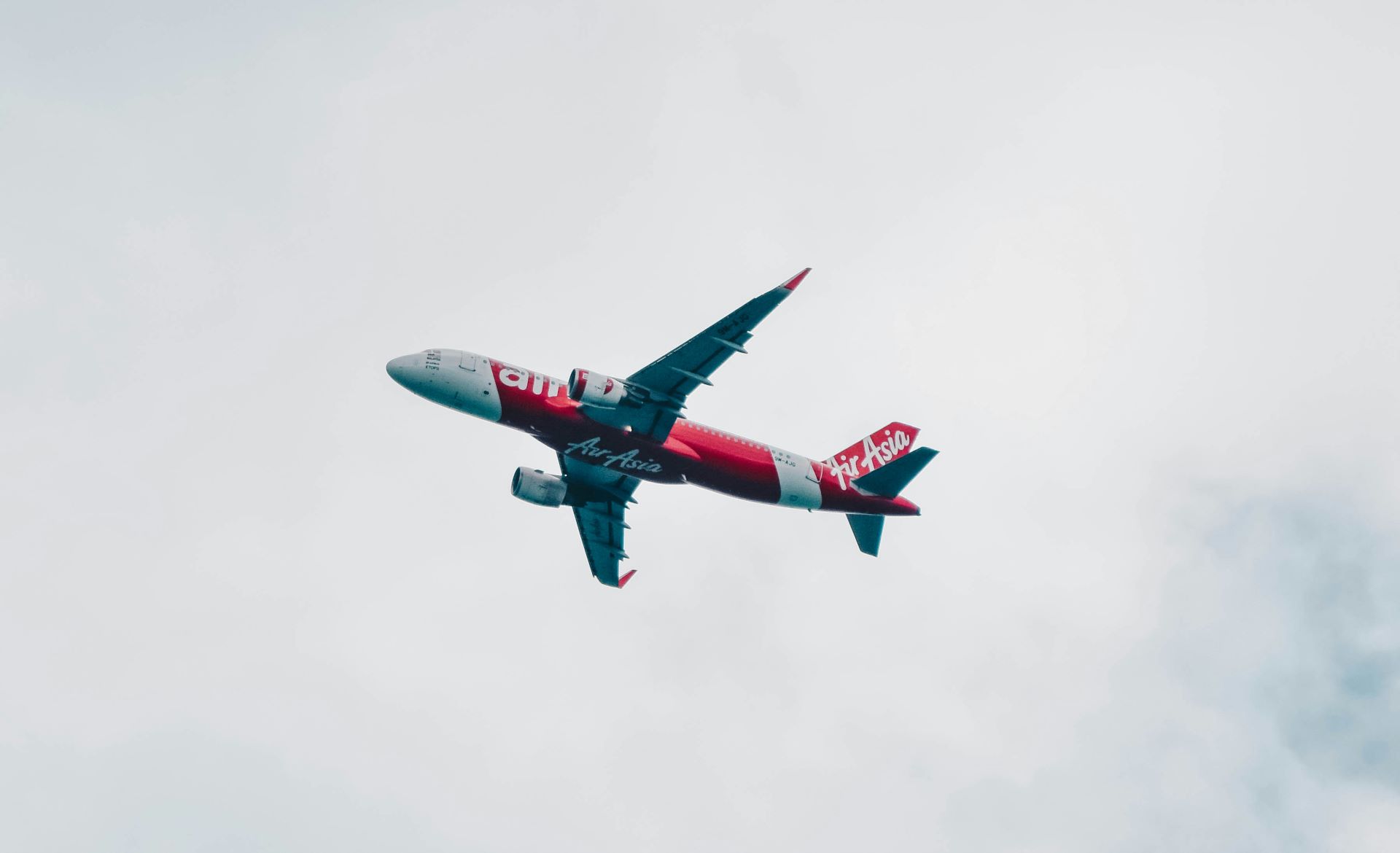
The emergence of low-cost carriers (LCCs) disrupted this paradigm. Airlines such as Ryanair, EasyJet, AirAsia, and Southwest Airlines pioneered a business model predicated on efficiency, volume, and modularity. By stripping down the frills of air travel—meals, in-flight entertainment, and flexible ticketing—and focusing on core transportation, these airlines dramatically reduced operational costs. Ticket pricing shifted from being a barrier to a commodity, democratizing access to the skies for a much broader population.
The result is a profound democratization of international tourism. Students, young professionals, and families on modest budgets can now traverse continents with relative ease, exploring destinations that were once out of reach.
Opening Doors to New Destinations
Perhaps the most tangible effect of budget airlines is their capacity to connect emerging destinations to the global tourism map. Previously overlooked or underdeveloped regions have found themselves at the crossroads of economic opportunity. Cities like Budapest, Porto, Bali, and Krabi experienced surges in tourism largely attributable to low-cost carrier connectivity.
This trend is not merely a matter of increased foot traffic. The arrival of accessible flights stimulates local economies, prompting investment in infrastructure, hospitality, and services. Hotels, guesthouses, and boutique accommodations flourish, creating jobs and sustaining small businesses. Restaurants, markets, and tour operators benefit directly from increased visitation, and the effects ripple through the supply chain, boosting agricultural production, transport services, and cultural enterprises.
For many destinations, the presence of budget airlines represents a lifeline. Countries with nascent tourism sectors find themselves able to compete on the global stage without the prohibitive costs associated with traditional airline partnerships. The accessibility factor is crucial: an influx of tourists requires an infrastructure that can accommodate them, which in turn motivates governments and private stakeholders to invest in sustainable growth strategies.
Changing Demographics of the Modern Traveller
Budget airlines have redefined the profile of the global tourist. The archetypal traveller—affluent, middle-aged, and primarily from Western Europe or North America—is no longer the only demographic in play. Students, backpackers, solo travellers, and families from emerging economies now enjoy unprecedented access to international travel.
In Asia, the rise of low-cost carriers such as Scoot, AirAsia, and IndiGo has opened cross-border tourism to middle-class populations who previously relied solely on domestic travel. Similarly, within Europe, the proliferation of Ryanair and EasyJet has enabled Eastern European citizens to explore Western Europe, fostering cultural exchange and a new generation of internationally minded travellers.
The psychological shift is equally noteworthy. Travel is no longer perceived as an extraordinary luxury but as an attainable experience, integrated into lifestyle aspirations. Social media has amplified this effect, as accessible travel destinations become aspirational content. The democratization of tourism has thus not only economic implications but cultural and social ones, broadening horizons and nurturing global citizenship.
Economic Impacts on Emerging Markets
The economic implications of budget airline expansion extend far beyond ticket sales. Emerging markets, in particular, reap multifaceted benefits. Tourism generates foreign currency inflows, supports employment, and incentivizes public investment in infrastructure such as roads, airports, and public transport.
Consider Southeast Asia as a case study. Countries like Vietnam, Cambodia, and the Philippines have experienced tourism booms aligned with the growth of low-cost regional carriers. Increased visitation has spurred investment in hotels, resorts, and leisure activities, simultaneously providing livelihood opportunities for local populations. Rural areas, once limited to subsistence farming or informal economies, now witness an infusion of entrepreneurial activity catering to tourists.
Moreover, budget airlines stimulate competitive pricing among tourism service providers. Lower travel costs translate to more discretionary spending at destinations. Tour operators, restaurants, and local attractions benefit as visitors are able to allocate a portion of their saved budget to cultural experiences, guided tours, and local commerce. This creates a positive feedback loop, enhancing the overall attractiveness of destinations and encouraging repeat visitation.
Sustainability Considerations and the Future of Low-Cost Travel
While the expansion of budget airlines has undeniable socio-economic benefits, it also poses sustainability challenges. The surge in air travel contributes to carbon emissions, environmental degradation, and the over-tourism of sensitive destinations. To address these issues, several carriers are exploring eco-efficient aircraft, carbon offset initiatives, and partnerships with sustainable tourism programs.
The future of budget airlines likely involves a delicate balance between accessibility and responsibility. Airlines are experimenting with fuel-efficient planes, digital ticketing to reduce paper waste, and optimizing flight routes to minimize environmental impact. Governments and industry stakeholders increasingly advocate for tourism policies that prioritize community welfare, environmental protection, and cultural preservation.
The democratization of travel is thus evolving into a more conscientious model. Affordable access need not come at the expense of sustainability, and low-cost carriers are uniquely positioned to influence tourism behavior, encouraging responsible travel habits among a new generation of global citizens.

The New Era of Travel
Budget airlines have irrevocably altered the global tourism landscape. They have democratized travel, opening the world to millions who would previously have remained bound by financial and geographic constraints. Emerging destinations now thrive on the influx of visitors, while travellers enjoy unprecedented cultural exposure and adventure.
The implications are both economic and societal. Low-cost carriers catalyze investment in infrastructure, support local economies, and foster cultural exchange. They redefine the demographics of tourism, making international exploration a possibility rather than a privilege. And while sustainability challenges remain, the trajectory of budget airlines points to an increasingly conscientious, inclusive, and interconnected world.
Ultimately, the rise of low-cost carriers represents more than a shift in business strategy—it is a paradigm shift in the way we understand and experience global travel. The skies, once the exclusive domain of the wealthy, now belong to anyone with the curiosity and ambition to explore them. As the world becomes increasingly accessible, the democratization of tourism promises to reshape not only economies but the very fabric of global society.