


From Icarus’ ill-fated ascent to Antoine de Saint-Exupéry’s meditative skies, the dream of flight has long served as metaphor and muse for writers across generations. But flying is not merely symbolic—it is also tactile, sensorial, and elemental. For those who have piloted aircraft or found themselves mesmerised by the world from above, flight becomes an experience that penetrates the soul and, inevitably, shapes the stories they tell.
This article explores how the art of flying has influenced a range of authors—from pioneering aviators to literary dreamers, contemporary novelists to poetic voyagers—and how their experiences in the air transcend genre, geography and time. These are stories written from altitude, in every sense.
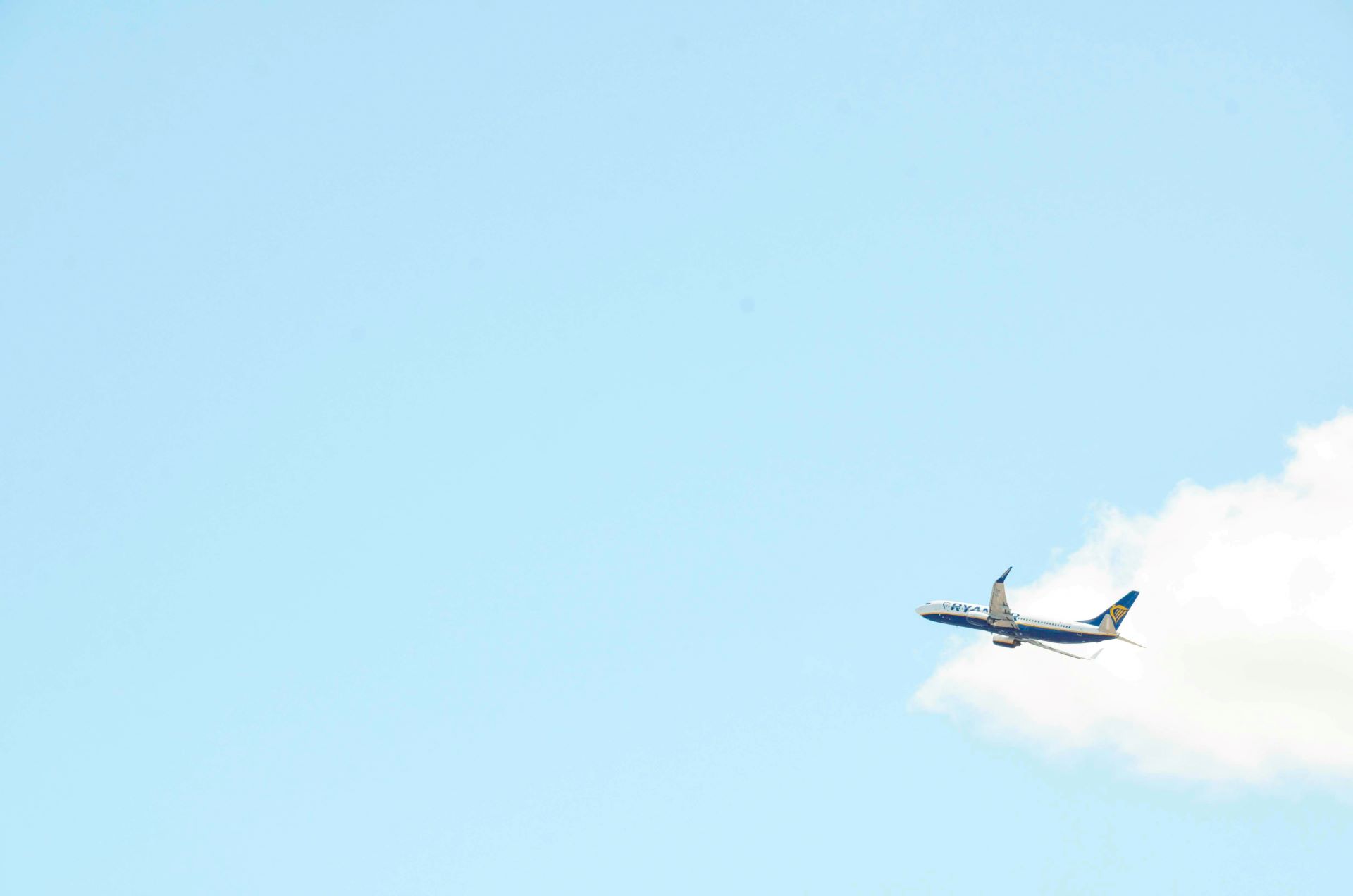
Wings of the Mind: Flight as Metaphor
Before humankind had the mechanics, it had the longing. That desire to escape the constraints of gravity—physical or social—has made flight a natural metaphor for freedom, transcendence, and the limits of ambition. In myth and literature, flying characters often embody either the sublime or the tragic. The Greek myth of Daedalus and Icarus is perhaps the most iconic example—an early cautionary tale about ambition overreaching its bounds.
Centuries later, poets like William Blake and W. B. Yeats would turn to the sky for symbolic resonance. Yeats, in The Second Coming, imagines a “rough beast” slouching toward Bethlehem, its falcon “no longer hearing the falconer”—a chilling metaphor for chaos and disconnection. Flight, here, is estrangement, not salvation.
But metaphors only go so far. As the 20th century dawned and aviation moved from fantasy to reality, a new type of writer took to the skies—not as allegorists, but as participants.
Saint-Exupéry: The Philosopher Pilot
Few writers embody the intersection of aviation and literature as completely as Antoine de Saint-Exupéry. A commercial and military pilot, he was also a meditative, lyrical novelist. His 1939 work Terre des hommes (Wind, Sand and Stars) is a philosophical reflection on the physical and spiritual realities of flight.
Flying across the Sahara and the Andes in primitive aircraft, Saint-Exupéry’s prose captures both awe and humility: “I fly because it releases my mind from the tyranny of petty things.” In The Little Prince, flight becomes a portal to imagination and empathy—a reminder that true vision often comes not from the eyes, but from the heart.
He did not survive World War II, vanishing during a reconnaissance mission in 1944. Yet his writing continues to soar, grounded in the belief that flying is not about escape but encounter—with danger, with the unknown, and with oneself.
Beryl Markham: Flying Against the Wind
Kenyan-born British aviator Beryl Markham challenged both literary and societal conventions in her memoir West with the Night (1942), a poetic account of her life as a bush pilot in East Africa and the first person to fly solo, non-stop, across the Atlantic from east to west.
Markham’s descriptions are tactile and thrilling. She writes of clouds as “islands in the sky,” of lions and leopards glimpsed from above, and of the particular loneliness of being aloft with only the horizon for company. More than an aviation memoir, West with the Night is a literary triumph, lauded by none other than Ernest Hemingway: “She has written so well, and marvellously well, that I was completely ashamed of myself as a writer.”
Her narrative is also quietly subversive. In a male-dominated world, Markham’s command of both aircraft and language was an assertion of agency. Flight, for her, was not just about destination—it was about direction, chosen by her own hand.
Richard Bach and the Spirit of the Sky
In the 1970s, a new kind of aviation writer emerged, blending flight with spirituality and self-help. Richard Bach, an ex-Air Force pilot, became a household name with Jonathan Livingston Seagull (1970), a novella about a seagull obsessed with the perfection of flight.
Part fable, part philosophical treatise, the book resonated with readers seeking meaning beyond the material. Bach followed with Illusions: The Adventures of a Reluctant Messiah (1977), in which flight becomes a literal and metaphorical path to enlightenment.
Critics have occasionally dismissed his work as overly sentimental, but Bach’s lasting appeal lies in his belief that flight reveals not just vistas, but truths—that the sky is not a boundary but a mirror.
Contemporary Authors Taking Flight
While early aviation writing leaned heavily on memoir and metaphor, today’s authors are exploring flight in increasingly diverse ways—technological, environmental, and emotional.
Helen Macdonald, in H is for Hawk, doesn’t fly planes but falcons. Yet the experience of handling a bird of prey—its weight, wind-resistance, and wordless communion—echoes the intimacy of piloting. In her more recent work, Vesper Flights, Macdonald turns directly to the skies, meditating on everything from migratory patterns to aircraft contrails, blending science with poetry.
Similarly, Rebecca Loncraine’s Skybound: A Journey in Flight (2016) chronicles her late-life training as a glider pilot after a cancer diagnosis. The book, published posthumously, reads as a tender love letter to the air: “Flight taught me how to live in my body again,” she writes. It is a reminder that even now, in an age of commercial aviation and drones, flying retains its power to heal, to humble, and to connect.
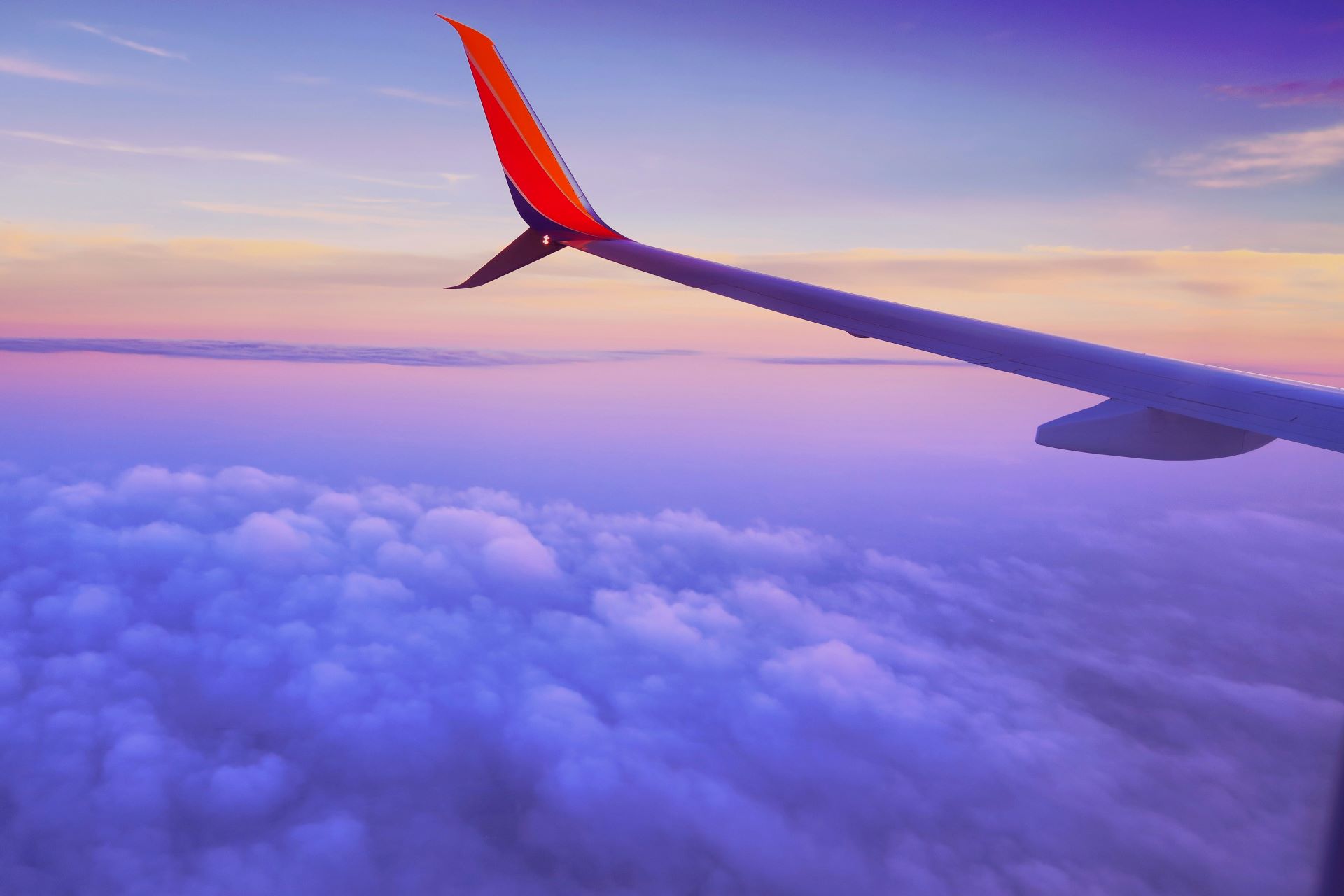
The Pilot as Protagonist: Fiction Takes Wing
Fiction writers have long found in aviators a compelling protagonist: fearless, haunted, and often alone. In Ernest K. Gann’s The High and the Mighty (1953), later adapted into a film, the cockpit becomes a crucible of human drama. Gann, a former airline captain, infused his stories with technical accuracy and emotional weight, inspiring a generation of “aviation thrillers.”
More recently, novels like Colum McCann’s TransAtlantic (2013) trace historic flights not just as engineering feats but as moments that connect continents and people. McCann’s lyrical narrative links early aviators Alcock and Brown with later stories of political peace-making and personal migration, underscoring how flight shapes history and identity alike.
Flight in Global and Postcolonial Literature
Outside of Western traditions, the motif of flight takes on layered meanings—often tied to displacement, diaspora, and resistance.
In African literature, flight can mean both escape and elevation. Ben Okri’s The Famished Road features a spirit-child who drifts between earthly and supernatural realms, a metaphorical flight rooted in Yoruba cosmology. Similarly, Salman Rushdie’s Midnight’s Children and The Satanic Verses use flight—literal and fantastical—as a narrative device that interrogates identity, exile, and transformation.
In these texts, the sky becomes a contested space: at once liberating and disorienting, divine and dangerous. To fly is to transgress boundaries—of nation, of language, of self.
Writing in the Jet Age and Beyond
With the rise of commercial aviation, the experience of flight became routine—even banal. Airports replaced airstrips; reclining seats replaced parachutes. But literary voices continue to find resonance in the rhythms of takeoff, turbulence, and descent.
In Don DeLillo’s White Noise, a plane ride becomes an existential farce. In David Foster Wallace’s essays, airline safety briefings are deconstructed with comic precision. Ali Smith’s Spring uses airports and flight as liminal spaces—portals between inner and outer change.
More recently, flight has also become a site of ecological anxiety. In the climate-conscious writing of the 21st century, aviation represents a paradox: mobility vs. sustainability. Yet even in critique, the metaphors endure. The sky is still, as it has always been, a canvas for our collective aspirations and anxieties.

A View from Above
To fly is to see the world reconfigured: borders blur, mountains flatten, and rivers trace unfamiliar shapes. For writers, this elevated perspective—literal or imagined—offers a vantage point on the human condition. Whether chronicling solo transatlantic crossings or gliding through poetic introspection, authors inspired by flight remind us that storytelling, like flying, is both a craft and an art.
In an increasingly grounded world, their words allow us to ascend. Their borderless bookshelves are filled with wind, wings, and wonder—each page a passport to the skies.