


Aviation, with its thrilling stories of exploration, conflict, and technological advancement, has shaped the course of human history in ways that few other innovations have. From the Wright brothers’ first flight to the supersonic jets of today, aviation continues to capture the imagination of millions around the world. For travelers eager to delve into the history of flight, air museums offer a unique, immersive experience that brings this dynamic history to life. These museums not only preserve the physical remnants of aviation’s past but also serve as educational hubs where visitors can explore the milestones, achievements, and challenges that have defined air travel.
Air museums around the globe are treasure troves of aviation history, offering everything from iconic aircraft to immersive exhibitions. They allow travelers to step into the shoes of pioneers, engineers, and pilots who pushed the boundaries of what was possible in the skies. This article takes readers on a journey through some of the most captivating air museums in the world, each offering a glimpse into the fascinating world of flight. From the earliest planes to modern marvels of engineering, these institutions celebrate aviation's rich history and inspire future generations of aviators and enthusiasts.
Historical Context
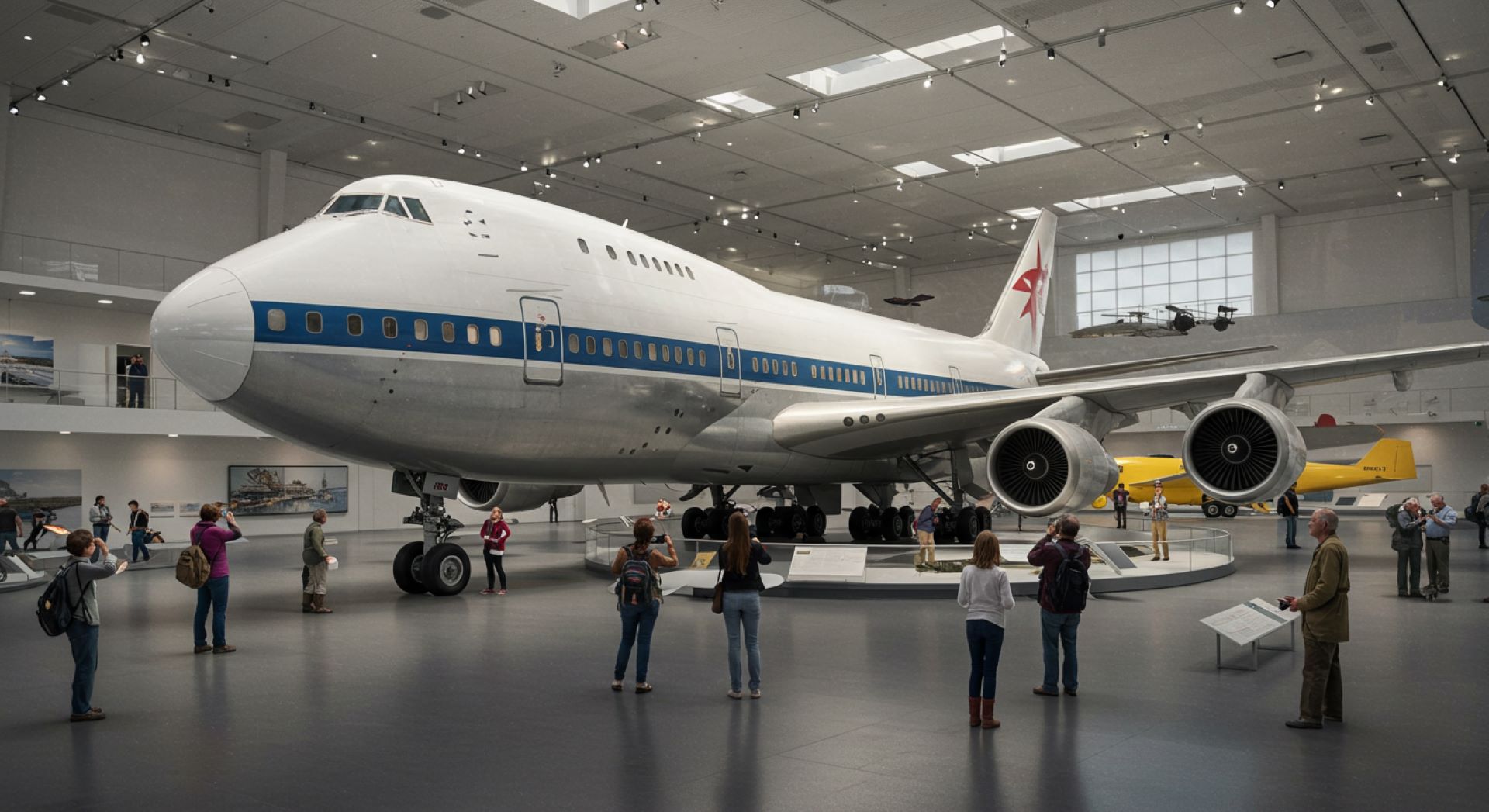
The history of aviation is a testament to human ingenuity, ambition, and the relentless pursuit of innovation. From the groundbreaking flight of the Wright brothers in 1903 to the advent of commercial air travel and space exploration, aviation has continually transformed the world. Early aviation pioneers, such as Charles Lindbergh, Amelia Earhart, and Igor Sikorsky, took to the skies and helped define the future of flight. These achievements sparked global interest in aviation, paving the way for the creation of aviation museums.
Air museums began emerging in the early 20th century, as societies sought to preserve the history and artifacts associated with flight. Initially, these museums were small, local institutions focusing on the preservation of individual aircraft or key events in aviation history. Over time, however, many museums grew in scope, expanding their collections to include entire fleets of aircraft, engines, flight suits, and memorabilia. Today, air museums are sprawling, high-tech complexes that feature not only static displays but also interactive exhibits, flight simulators, and educational programs aimed at inspiring new generations.
These institutions are vital to preserving the rich legacy of aviation. They serve as educational resources for the public, offering insight into the science and technology behind flight while honoring the courageous pilots, engineers, and designers who shaped the field. Most importantly, they ensure that the history of flight is not only remembered but also accessible to all, offering a tangible connection to the past for visitors from every corner of the globe.
Museum Highlights
The National Air and Space Museum (Washington D.C., USA)
Located on the National Mall in Washington D.C., the Smithsonian National Air and Space Museum is arguably the most famous aviation museum in the world. With over 60,000 artifacts and more than 23 aircraft on display, the museum offers a comprehensive journey through aviation history. Highlights include the Wright brothers' 1903 Flyer, Charles Lindbergh’s Spirit of St. Louis, and the Apollo 11 command module, "Columbia," which brought the first humans to the moon. The museum also features exhibits on aviation’s role in warfare, commercial air travel, and space exploration.
The National Air and Space Museum’s significance extends beyond its collection. As part of the Smithsonian Institution, it serves as a hub for research and education in the fields of aviation and aerospace. The museum’s immersive exhibits, planetarium shows, and educational programs offer a rich experience for both aviation enthusiasts and those new to the subject.
Visitor Experience:Visitors can enjoy guided tours, hands-on exhibits, and interactive displays. Admission is free, though it’s recommended to check the museum’s calendar for special events and temporary exhibitions. The museum is conveniently located near other major attractions in Washington D.C., such as the Capitol Building and the Lincoln Memorial, making it easy to incorporate into a broader sightseeing itinerary.
The Royal Air Force Museum (London, UK)
The Royal Air Force (RAF) Museum in London is a must-visit for anyone interested in the history of British aviation, particularly its role in both world wars. With over 100 aircraft on display, the museum chronicles the development of the RAF, showcasing iconic planes such as the Supermarine Spitfire and the Avro Lancaster. The museum also offers an in-depth look at the contributions of the RAF in air combat, the Battle of Britain, and the Cold War.
The museum’s historical significance lies in its connection to the RAF’s rich legacy and its role in shaping the world’s air forces. The museum also houses several collections dedicated to the personal stories of the men and women who served in the RAF, making it a deeply moving tribute to the bravery and sacrifice of those involved.
Visitor Experience:The RAF Museum is free to enter and is located in Hendon, just a short drive or tube ride from central London. In addition to its permanent displays, the museum hosts temporary exhibitions, family-friendly activities, and special events throughout the year. Visitors can also participate in flight simulators and explore the museum’s archives for a deeper understanding of aviation history.
Musée de l'Air et de l'Espace (Paris, France)
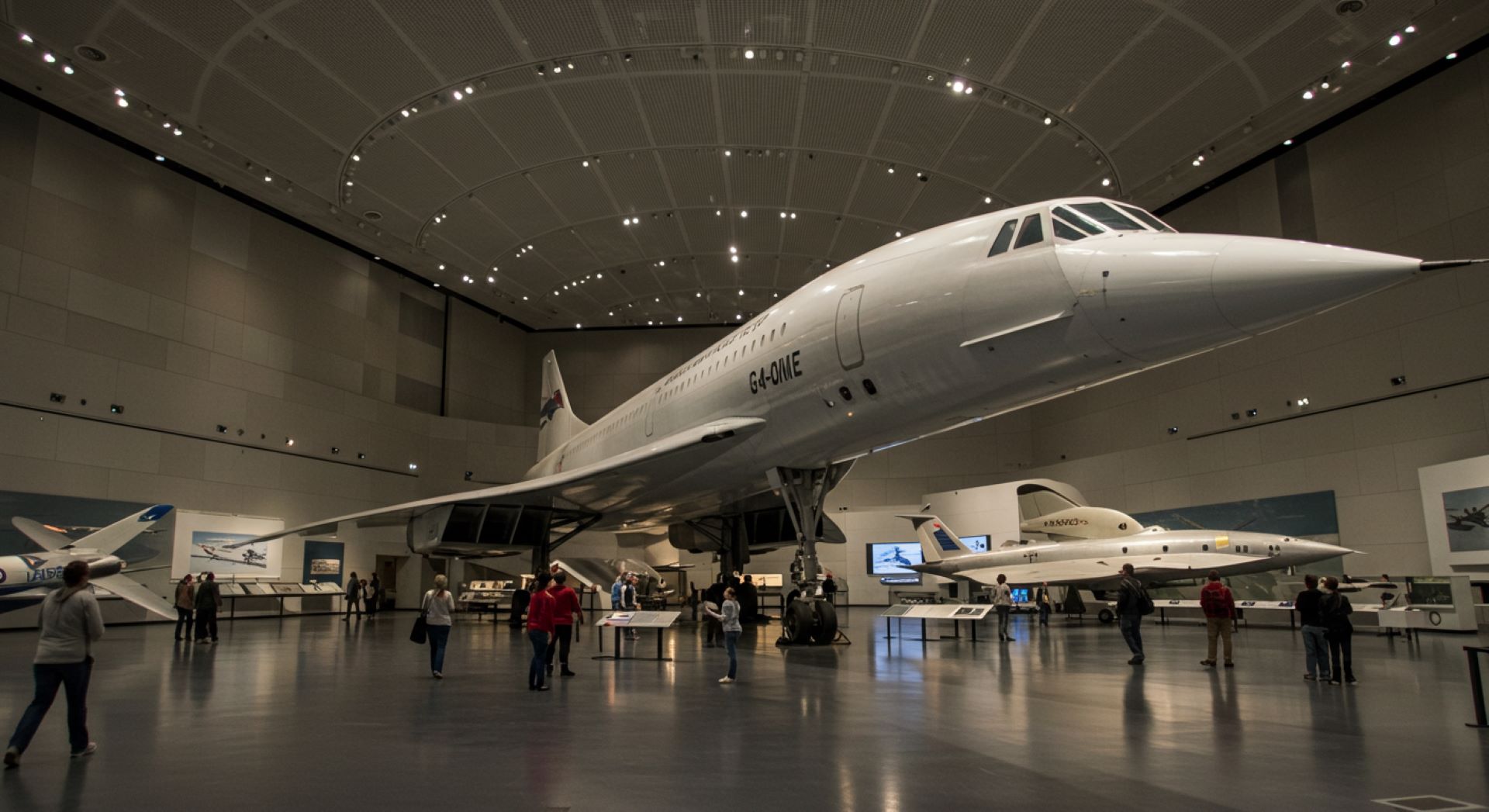
Situated at Le Bourget Airport, the Musée de l'Air et de l'Espace (Museum of Air and Space) is one of the oldest air museums in the world, having opened in 1919. The museum boasts a collection of over 150 aircraft, including the Concorde, the first supersonic passenger jet, and a model of the Apollo lunar module. It provides an unparalleled insight into French aviation history and the country’s contribution to both civil and military aviation.
The museum’s exhibits cover everything from the pioneering days of flight to modern aerospace technology, with a particular focus on the role of aviation during wartime. It also explores the history of space exploration, with several exhibits dedicated to the space race, including spacecraft and satellites that have played crucial roles in humanity’s journey beyond Earth.
Visitor Experience:Visitors to the Musée de l'Air et de l'Espace can explore the museum’s vast collection, participate in interactive exhibits, and even see aircraft being restored in the museum’s workshops. The museum offers guided tours, and visitors can enjoy panoramic views of Le Bourget’s airfield. The museum is located just outside Paris, easily accessible by public transport or taxi.
The Aviation Museum (Beijing, China)
Located in the heart of Beijing, the Aviation Museum offers a unique look at China’s aerospace achievements. It houses more than 200 aircraft, including rare Chinese-made jets and military planes. The museum is dedicated to showcasing China’s development in aviation, from its early forays into flight to its modern-day space exploration programs.
What sets this museum apart is its collection of Chinese aircraft, many of which are rarely seen outside the country. The museum also highlights China’s role in space exploration, with a section devoted to the country’s growing space program.
Visitor Experience:The museum is located near the China Aviation Museum, which includes both indoor and outdoor exhibitions. Visitors can take guided tours to learn more about China’s aviation history and its role in the global aerospace community. The museum also hosts temporary exhibitions and special events, such as airshows, making it a great destination for aviation enthusiasts.
Australian Aviation Heritage Centre (Darwin, Australia)
The Australian Aviation Heritage Centre, located in Darwin, offers a fascinating glimpse into Australia’s aviation history, particularly its role in World War II. The museum is home to a significant collection of military aircraft, including a B-52 bomber, a F-111 fighter, and several warplanes used in the Pacific theatre. The center also features exhibits on Australian aviators and their contributions to aviation during the war.
The museum’s historical importance is rooted in Darwin’s role as a strategic military base during World War II, making it a poignant reminder of Australia’s wartime aviation history.
Visitor Experience:Visitors to the Australian Aviation Heritage Centre can explore its extensive collection, take guided tours, and learn about the pivotal role aviation played in Australia’s history. The center is located near Darwin Airport, making it easy for travelers to access. Special events, including aviation displays and open days, are held throughout the year, adding an extra layer of excitement for aviation enthusiasts.
Travel Tips
When planning a visit to any of these world-class aviation museums, it’s important to consider a few practical tips. First, check each museum’s website for up-to-date information on opening hours, admission fees, and special events. Some museums may offer free entry, while others may have a small admission fee.
For travelers looking to maximize their experience, guided tours are often the best way to gain deeper insights into the exhibits and the history behind the aircraft. Many museums also offer interactive experiences, such as flight simulators, which provide a hands-on way to engage with aviation history.
Consider visiting during off-peak times to avoid crowds, especially during major holidays or school vacation periods. Additionally, many museums hold special events and temporary exhibitions, so checking the calendar ahead of time can help ensure you don’t miss out on unique opportunities.
Accommodations near these museums vary in price and style, from budget options to luxury hotels. Be sure to research hotels, guesthouses, or Airbnb rentals close to the museum of your choice. Public transportation is often the most convenient way to get around, especially in major cities like Washington D.C., London, and Paris. Alternatively, taxis and rideshare services can offer a more direct route.
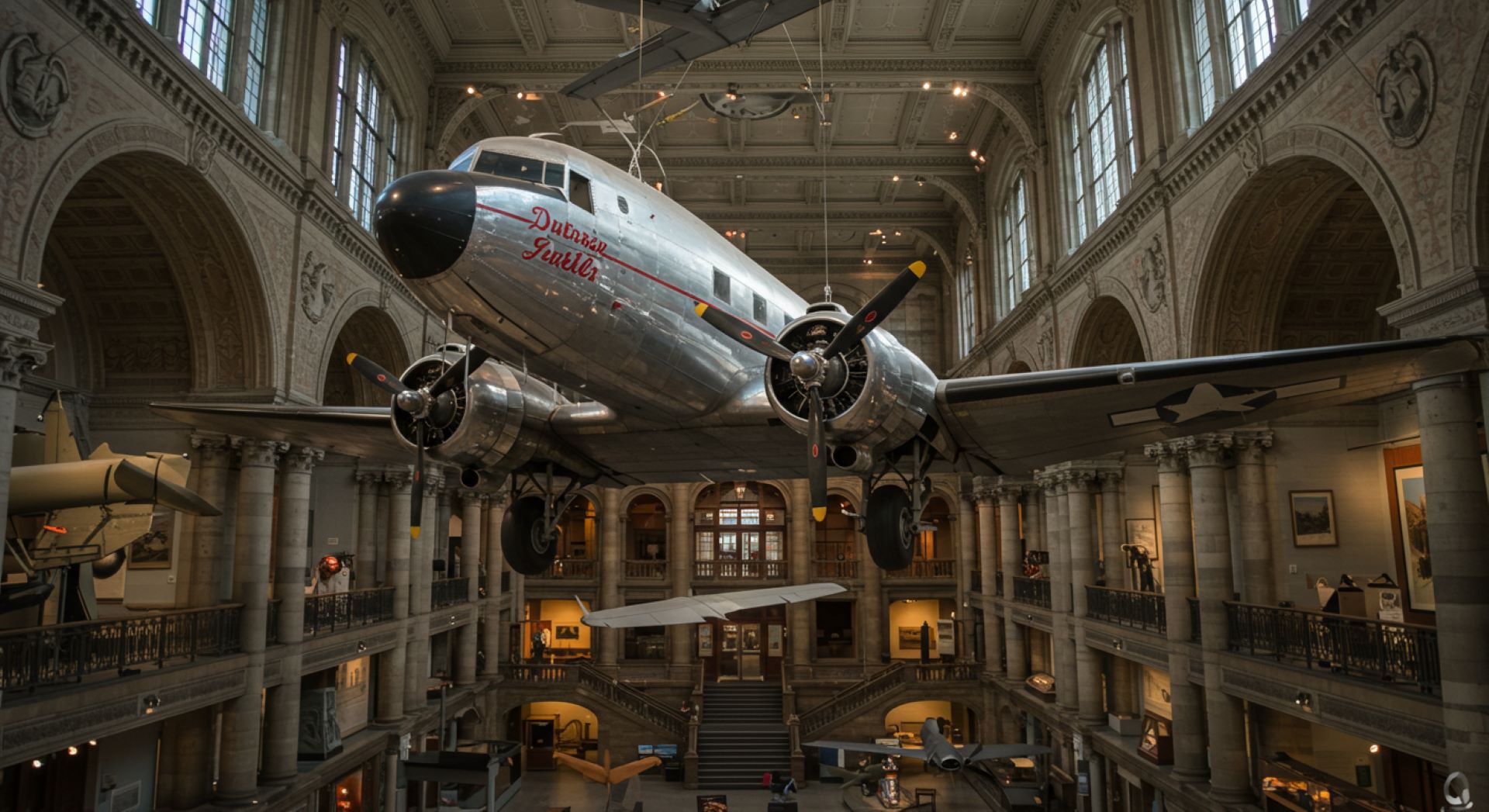
Aviation museums provide a window into the fascinating evolution of flight, offering travelers the chance to explore the achievements, challenges, and pioneers that have shaped aviation history. Whether it’s the iconic planes on display, the interactive exhibits, or the chance to walk in the footsteps of aviation’s greats, these museums offer an unforgettable experience for aviation enthusiasts and curious travelers alike. With institutions around the world dedicated to preserving this important history, there is no shortage of opportunities to explore aviation’s past and look forward to the exciting future of flight.
For anyone with an interest in aviation, these museums are not just places of learning—they are places of inspiration and wonder.