


Travel is often celebrated as a journey to new horizons, a bridge that connects us to different cultures, landscapes, and experiences. While the focus typically rests on the destination or the flight itself, there is an integral component of travel that often goes unnoticed — the airport lounge. These sanctuaries, tucked away from the bustle and chaos of terminals, offer more than mere comfort; they shape the entire flight tourism experience. They quietly enhance journeys, elevate traveller satisfaction, and form an essential, yet underappreciated, link in the chain of modern air travel.
The Evolution of Airport Lounges: From Exclusivity to Essential Service
The story of airport lounges begins in an era when commercial aviation was a privilege reserved for the few. The first lounges were exclusive retreats, reserved mainly for first-class and business travellers, airline staff, and VIPs. These were spaces designed to provide respite from the hectic terminals—offering fine dining, quiet conversation, and privacy.
In the early 20th century, air travel was synonymous with luxury and status, and lounges mirrored this exclusivity. The environment was one of sophistication and calm, with the décor and service levels reflecting the elite nature of flying. However, as air travel democratized in the latter half of the century, thanks to innovations such as the jet engine and deregulation in many markets, the traveller demographic diversified significantly.
By the late 20th century and into the 21st, lounges evolved from being merely status symbols to valued amenities accessible by a broader audience. The rise of loyalty programmes, premium credit cards, and independent lounge operators shifted the paradigm, allowing more travellers to benefit from lounge access. This change marked a significant transformation in airport lounges—from exclusive enclaves to inclusive havens for comfort, productivity, and rejuvenation.
The Lounge Experience: More Than Just a Place to Wait
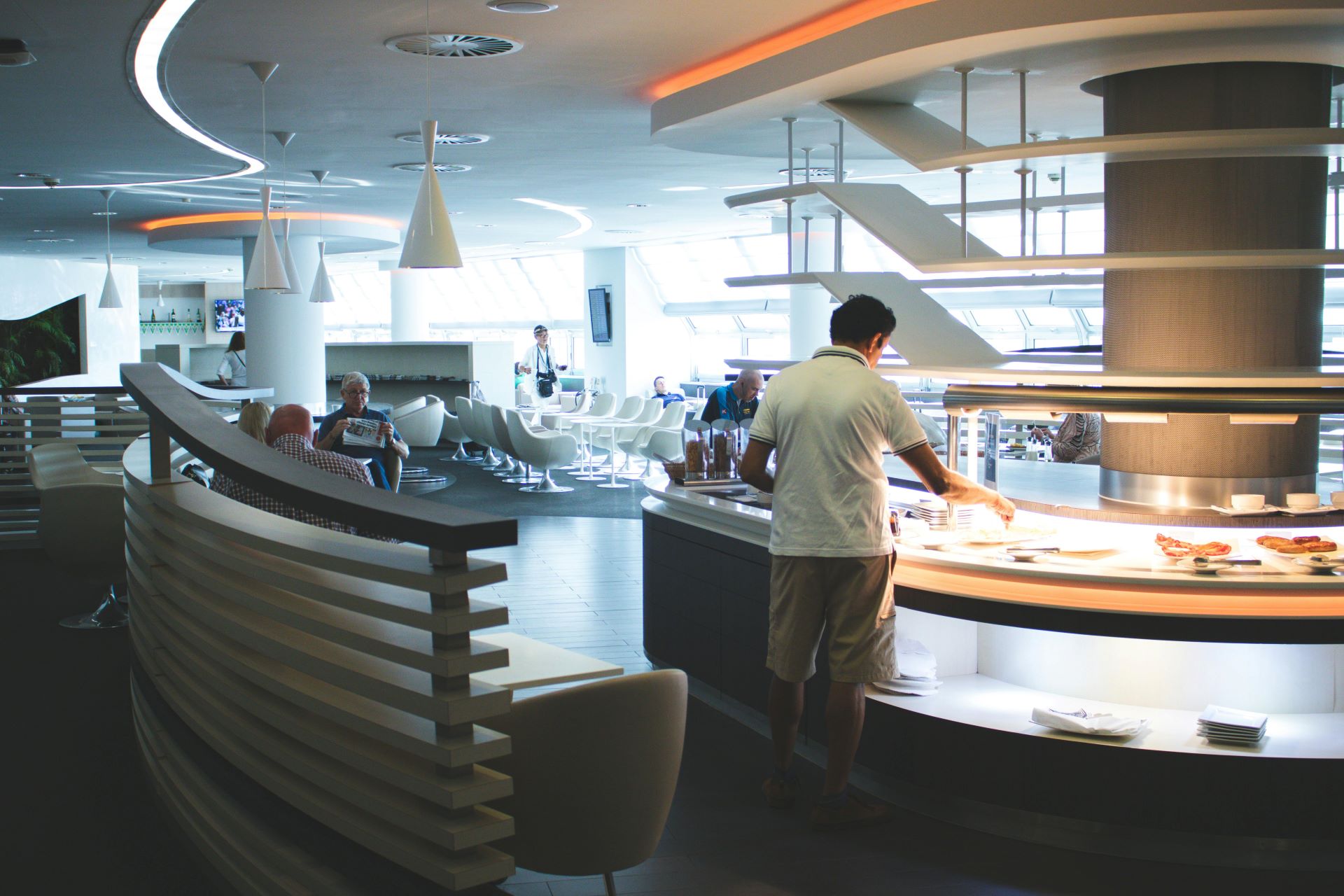
Airports can be overwhelming. Crowds, noise, long queues, and the often impersonal atmosphere can make waiting for a flight a stressful experience. Airport lounges, however, provide a stark contrast. They are carefully curated environments where every detail — from lighting and seating to the choice of food and drink — is designed to soothe, comfort, and elevate.
Walking into a lounge, travellers immediately experience a different energy. The clatter of rolling suitcases fades into soft music, and the din of announcements becomes a distant murmur. Seating is comfortable, designed to encourage relaxation or focused work. Lighting is often softer, warmer, creating an inviting atmosphere that calms frayed nerves.
Food and beverage offerings distinguish lounges from standard airport eateries. Whether it’s a full buffet with gourmet options, an à la carte menu, or a selection of artisanal snacks and beverages, the quality far surpasses what is commonly found in terminals. Many lounges offer premium wine lists, craft beers, and expertly made cocktails, providing a small indulgence that travelers savor.
Connectivity is another crucial element. High-speed Wi-Fi, ample power outlets, and dedicated workstations make lounges invaluable for business travellers who need to remain productive. Quiet zones, phone booths, and even meeting rooms support privacy and professionalism. For leisure travellers, these facilities can transform waiting time into opportunities for planning or simply unwinding.
For long-haul travellers, lounges often provide showers, nap pods, and spa services — amenities that rejuvenate and refresh before or between flights. This attention to passenger wellbeing highlights the holistic approach lounges take to improving the travel experience.
The Psychological Benefits: How Lounges Reduce Travel Stress
Travel is exciting, but it can also be physically and emotionally taxing. Studies on travel psychology repeatedly highlight common stressors: security procedures, flight delays, navigating unfamiliar terminals, and the anticipation of long flights. These elements can elevate anxiety, fatigue, and frustration.
Airport lounges act as buffers against these pressures. By providing a quiet, comfortable space, they help reduce the sensory overload associated with airports. The physical comfort of ergonomic seating, combined with reduced noise levels and a peaceful environment, allows travellers to relax and reset.
Moreover, the sense of control and personal space that lounges afford can positively impact travellers’ mental state. When passengers feel in control of their environment, anxiety often decreases. This psychological benefit can ripple through the entire journey, leading to more positive perceptions of the airline and the travel experience as a whole.
In essence, lounges serve as small oases of calm that restore balance and energy, preparing passengers both mentally and physically for the journey ahead.
Lounges as a Strategic Asset in Flight Tourism
Flight tourism, a term capturing the intersection of air travel and tourism, depends heavily on passenger satisfaction to thrive. The choices travellers make — which airlines to fly, which routes to take — often hinge on subtle factors, including the perceived quality of service and the overall journey experience.
Airlines recognise that lounges are critical touchpoints that reinforce brand identity and passenger loyalty. A well-designed, well-serviced lounge becomes a tangible demonstration of an airline’s commitment to its customers. It signals that passengers are valued beyond just being ticket holders; they are guests deserving of care and comfort.
For airports, lounges serve as a way to enhance their reputation and competitiveness. Airports with world-class lounges attract more premium traffic, which in turn can boost retail revenues and overall passenger satisfaction scores.
Moreover, lounges increasingly function as showcases for local culture and hospitality. Incorporating regional cuisine, design motifs, and artworks allows lounges to create a sense of place — offering travellers a preview of the destination’s character. This subtle cultural immersion enhances the tourism narrative and deepens the traveller’s connection to the place even before arrival.
Democratization of Lounge Access: Making Comfort More Inclusive
Historically, airport lounges were the exclusive domain of first-class passengers or airline elites. Today, access is more fluid, reflecting changing market dynamics and consumer expectations. Many airlines offer lounge access through loyalty tiers, allowing frequent flyers to enjoy the benefits regardless of ticket class.
Credit card companies have also entered the space, bundling lounge access with premium card offerings. Additionally, independent operators like Priority Pass have created networks of lounges accessible via membership or pay-per-use, expanding options beyond airline-branded facilities.
This democratization has profound implications for flight tourism. Leisure travellers, who make up a significant proportion of the market, can now enjoy amenities that were once out of reach. Families with children, solo travellers, and even budget-conscious passengers can find respite in lounges, transforming potentially stressful airport experiences into moments of calm and luxury.
Moreover, lounge operators are increasingly focused on accessibility and inclusivity. Facilities are designed to accommodate travellers with disabilities, offer family-friendly zones, and cater to diverse dietary requirements. This broadening of appeal aligns lounges with the wider travel industry's goals of diversity and inclusion.
Sustainability in Lounges: Aligning with Responsible Travel
As environmental concerns become central to the travel conversation, airport lounges are adapting to meet the demand for sustainability. Many lounges are adopting eco-friendly designs, employing energy-efficient lighting, water-saving fixtures, and sustainable materials in construction and refurbishment.
Food sourcing is another critical area. Lounges increasingly prioritise local, organic, and seasonal ingredients, reducing their carbon footprint and supporting local economies. Efforts to minimise waste, including composting, recycling, and limiting single-use plastics, are becoming standard practice.
Some lounges go further, integrating green spaces, living walls, and natural light to promote wellbeing and environmental responsibility. These initiatives resonate with environmentally conscious travellers who want their entire journey, from airport to destination, to reflect sustainable values.
This shift toward greener lounges is an important step in aligning flight tourism with the principles of responsible and ethical travel, reassuring passengers that their comfort need not come at the expense of the planet.
Innovation and the Future: What Lies Ahead for Airport Lounges
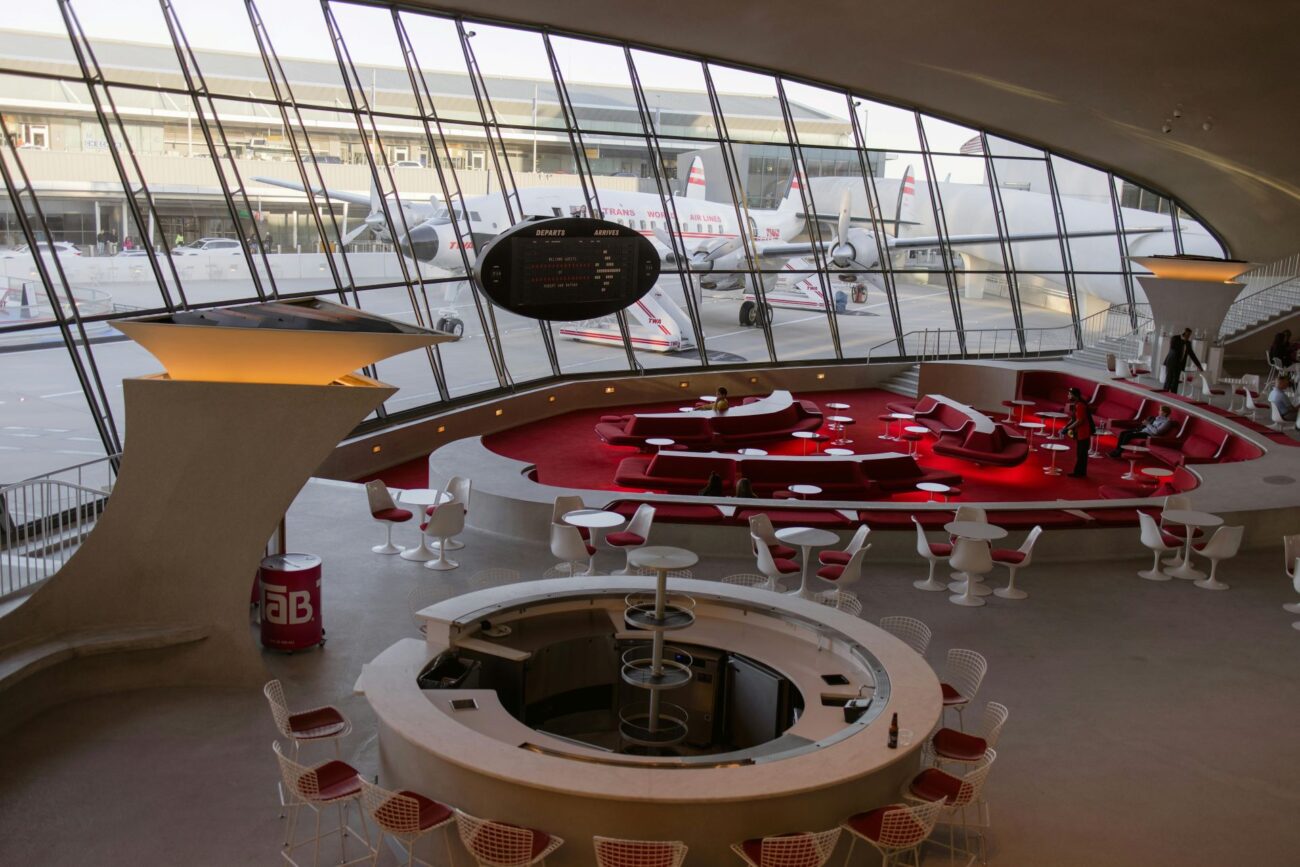
The airport lounge of the future will likely blend traditional comforts with cutting-edge technology and personalised experiences. Advancements in artificial intelligence and data analytics will enable lounges to anticipate passenger needs — adjusting lighting, temperature, and even music based on personal preferences.
Virtual reality (VR) and augmented reality (AR) may be integrated to offer immersive previews of destinations or interactive entertainment. These technologies could transform lounges from passive waiting areas into dynamic spaces that enrich travel narratives.
Biometric systems and seamless access controls will enhance security and convenience, allowing travellers to move effortlessly between lounge and gate without hassle.
Health and wellness will remain a priority, with innovations such as air purification systems, stress-reducing design elements, and in-lounge fitness or meditation zones becoming commonplace.
Sustainability will also shape future designs, with net-zero energy goals, carbon offsetting partnerships, and circular economy principles guiding lounge operations.
Together, these trends promise lounges that are smarter, greener, more personalised, and seamlessly integrated into the broader travel ecosystem.
Exemplars of Excellence: Lounges That Set the Standard
Certain airport lounges have become iconic for the way they redefine passenger experience. Singapore Changi Airport is often cited as the gold standard, where lounges like the Jewel Lounge combine cutting-edge design with natural elements, creating serene environments that feel more like boutique hotels than typical lounges.
In London, Heathrow’s Concorde Room offers bespoke dining experiences and personalised service that elevate the concept of exclusivity, catering to the discerning traveller with impeccable attention to detail.
Closer to home, lounges at Cape Town International Airport showcase South African culture and hospitality. They blend local culinary delights, art, and warm service, giving travellers a meaningful connection to the country even before setting foot outside the terminal.
These lounges demonstrate how attention to detail, innovation, and cultural authenticity can transform airport spaces into memorable, valued parts of the travel journey.
The Economic Impact of Lounges in Flight Tourism
Beyond enhancing passenger comfort, airport lounges contribute significantly to the economics of air travel and tourism. They drive ancillary revenues through membership schemes, partnerships with credit card providers, and in-lounge retail or dining sales.
Airlines use lounges as retention tools, encouraging loyalty programme members to fly more frequently or choose premium cabins. This customer retention helps stabilise revenues in a highly competitive and cyclical industry.
For airports, lounges attract high-yield travellers whose spending extends to retail, dining, and local tourism activities, benefiting the wider economy. The reputation of an airport as a “premium” hub can attract more airlines and routes, increasing connectivity and passenger numbers.
Thus, lounges not only improve individual travel experiences but also underpin broader economic ecosystems tied to flight tourism.
Cultural Significance: Lounges as a Reflection of Place and Identity
Airport lounges offer a unique opportunity to showcase a destination’s cultural identity in an international context. Thoughtful design, curated art collections, and authentic local cuisine all contribute to this cultural storytelling.
For example, Japanese lounges often incorporate elements of Zen design and traditional hospitality, while Middle Eastern lounges reflect regional artistry and culinary heritage. In South Africa, lounges may highlight indigenous crafts and flavours, introducing travellers to the country’s rich cultural tapestry in subtle yet impactful ways.
This cultural dimension enriches the lounge experience, making it a meaningful first or last touchpoint with a destination’s character, reinforcing positive impressions, and encouraging future visits.
The Quiet Champions of Flight Tourism
Airport lounges may not always command the spotlight in travel narratives, but their impact is undeniable. They transform the waiting experience, turning stress into relaxation, chaos into calm, and monotony into memorable moments.
As integral parts of the flight tourism journey, lounges enhance satisfaction, promote loyalty, and contribute to the economic and cultural vitality of air travel. Their evolution from exclusive enclaves to accessible sanctuaries reflects broader changes in travel culture, emphasizing wellbeing, inclusivity, and sustainability.
Looking ahead, lounges will continue to innovate, blending technology, personalised service, and cultural authenticity to meet the evolving needs of travellers. For airlines, airports, and tourism stakeholders, investing in these quiet champions of comfort is not just good business — it’s essential to crafting journeys that resonate long after the final landing.
For travellers, recognising the value of the airport lounge is a gateway to a richer, more enjoyable travel experience. In the complex symphony of flight tourism, lounges provide the gentle, reassuring notes that make all the difference.