


In the world of travel marketing, there’s a potent magic that happens when airlines and tourist‑boards team up. On one hand you have carriers — the wings that move people — and on the other, national or regional tourist boards, custodians of the destination’s story and soul. When these two forces combine, you get more than a flight path; you get a narrative arc that draws travellers not just to airports, but to experiences, economies, cultures.
Airlines gain the storytelling muscle and destination appeal. Tourist boards gain global distribution, audience reach and the logistical pull of seats, routes and flight frequencies. The result? Inbound tourism that ticks upward — often by a lot.
This article peels back how these alliances work, what makes some of them stand out, and why this model looks set to define tourism marketing for years to come.
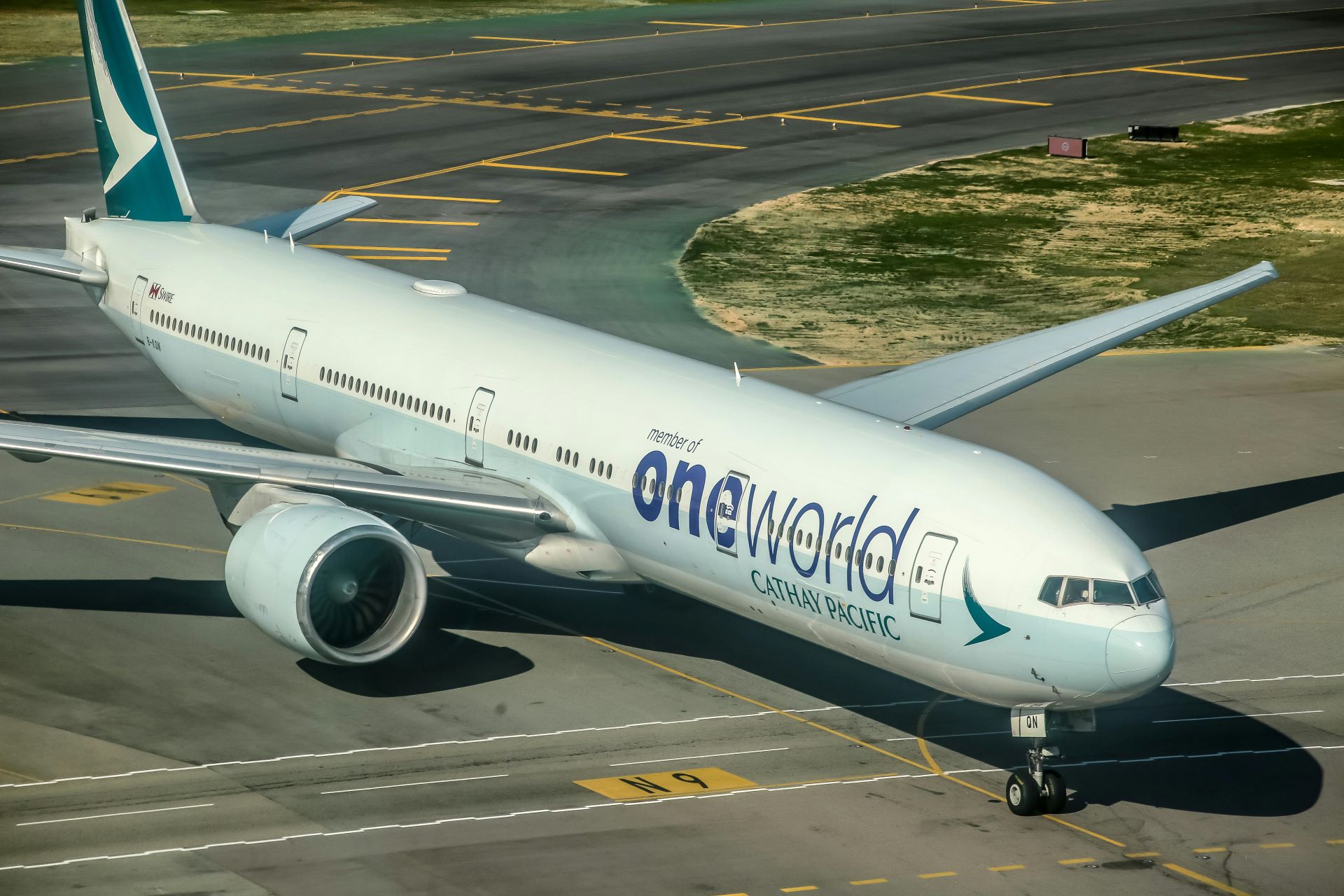
Co‑branding in the Sky: When Carriers Tell the Destination Story
One of the most effective ways for airline–tourism board partnerships to unlock inbound tourism is the co‑branded campaign. Airlines provide access — literal seats and intercontinental wings. Boards bring brand, narrative, culture. Together, they build desire.
Take the partnership between Qantas and Tourism Australia. Their “Come and Say G’Day” campaign for example — with Qantas designated as the airline partner — plays not only on TV and online, but also in the air via in‑flight entertainment and global distribution across Qantas’s network. The campaign video features Tourism Australia’s animated kangaroo mascot alongside glimpses of iconic Australian landscapes and cityscapes — intimately tying the idea of flying Qantas to the dream of visiting Australia.
What this does: it turns the seat‑belt sign into a marketing moment. As travellers settle in, they are introduced to the destination before they even land. That early emotional seed can nudge decisions — inspire bookings, encourage exploratory itineraries, or spark impulse travel plans.
Co-branded campaigns like these also have the power to shape perceptions: giving the destination a unified, polished identity that resonates through multiple touchpoints.
Shared Media, Shared Data: Smarter Targeting & Amplified Reach
Beyond just advertising, many airline–tourism board partnerships build structural foundations: shared media budgets, data‑sharing, joint planning. This synergy allows for smarter, more personalised campaigns — and better value for money.
With the Qantas–Tourism Australia alliance again as an example, the collaboration involves more than superficial creative alignment. Their multi‑year agreement includes coordinated investments and shared resources to reach key international markets.
This kind of partnership enables segmentation and targeting that neither party could easily achieve alone. Airlines know who’s flying, from where, when. Tourist boards know which demographics are most likely to explore their landscapes, culture, and offerings. Combined, that intelligence guides campaigns that speak directly to the right travellers — at the right moment.
From National to Regional: Focused Destination Pushes
Not all partnerships aim to sell entire countries. Some go hyperlocal. Regional tourist boards — states, provinces, territories — often team up with airlines to shine a spotlight on less obvious corners of a nation, dispersing tourism beyond the usual hotspots and encouraging deeper, more varied travel.
For instance, within Australia, airlines have struck agreements with regional agencies to promote states like Western Australia, Queensland or New South Wales. One deal saw Qantas and Tourism Western Australia sign a multimillion‑dollar marketing pact to attract visitors from key international markets, luring global travellers to Western Australia’s unique scenery and experiences.
These regional collaborations help spread the benefits — not just economic (tourism spend, job creation), but social and infrastructural. They can help avoid tourism overcrowding in capital cities, reduce seasonality, and encourage longer stays as visitors explore both major and off‑beat destinations.
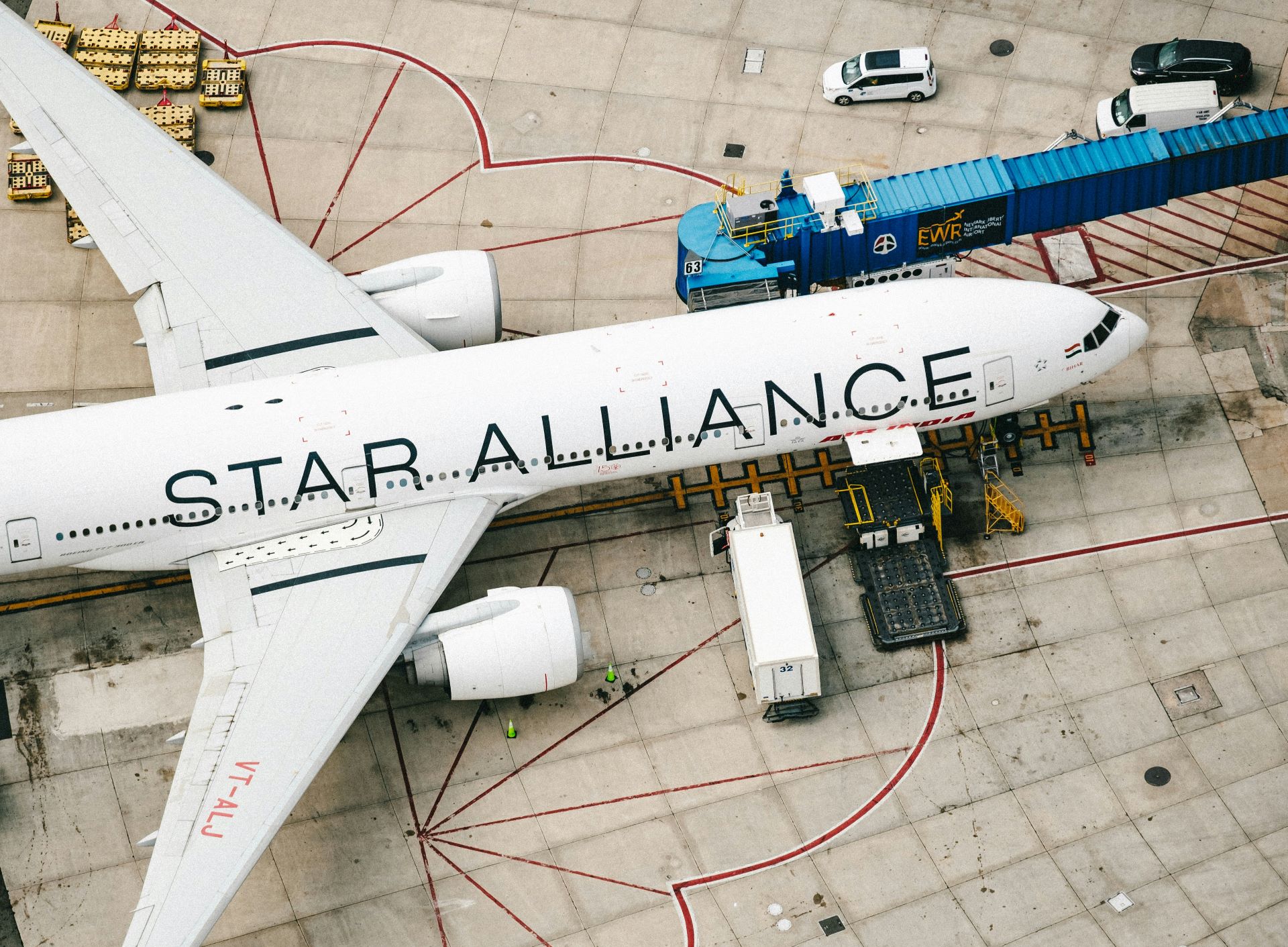
Airlines as Cultural Ambassadors — Building Lifestyle, Not Just Routes
Some airlines go beyond the transactional nature of seats and flights. They embed themselves into the cultural narrative of a country or region — acting as custodians of national brand, lifestyle, heritage.
Air France offers a good example. Through its partnership with Atout France (the French tourism development agency), Air France invests heavily in promoting France — its culture, heritage, gastronomy, art — across its global platforms. Onboard magazines, travel guides, cultural event sponsorships and multimedia campaigns all reinforce the image of France as a destination for both heritage seekers and modern travellers.
What this does is subtly elevate the airline from a transport provider to a lifestyle curator — the first point of contact with the destination’s soul. The cabin becomes a gallery, the in‑flight magazine a travel companion. It sets expectations, frames the journey as part of the destination experience itself.
Why These Partnerships Work — and When They Don’t
Such collaborations thrive when:
Airlines and tourism boards align their brand values and target markets.
There is investment beyond a single campaign — multi‑year deals, data‑sharing, coordinated route development.
Campaigns are compelling and immersive — weaving narrative, experience and branding across platforms (online, in‑flight, print, social).
Regional diversification is embraced — not just big cities, but lesser‑known locales benefit.
But they can falter when:
The airline’s footprint doesn’t match the tourism board’s target markets. No matter how good the messaging — if there aren’t enough flights, reach is limited.
The partnership lacks commitment. A one‑off ad blitz may grab attention but won’t build sustained visitation.
Expectations are unrealistic. Tourism boards may hope for overnight spikes, forgetting that traveller behaviour — planning, flights, visas, seasonality — moves slowly.
The Future of Airline–Tourism Board Alliances
As travel rebounds and evolves, these partnerships are likely to become even more strategic, sophisticated. A few trends to watch:
Data‑driven personalization — using passenger data and traveller profiles to tailor marketing, offers, experiences.
Sustainability narratives — airlines and boards increasingly promoting eco‑tourism, slow travel, responsible itineraries.
Regional rediscovery — as major cities get saturated, demand will grow for underexplored regions. Regional airline partnerships will gain value.
Cross‑industry tie‑ins — beyond transport and tourism: lifestyle brands, events, culture, hospitality — creating ecosystems rather than one‑off campaigns.

Airlines have the wings. Tourism boards have the soul of the land. When they partner — thoughtfully, strategically, creatively — the result can be more than seats filled. It becomes a locomotive pulling travellers, economies and cultures forward together.
In a world where destinations compete for attention, such partnerships offer a symbiotic answer: they give airlines purpose beyond transport, and tourist boards a platform beyond posters — forging stories, journeys and memories.
If you’re a marketer, a tourism stakeholder or simply a curious traveller — keep your eyes on the sky. Because sometimes the most powerful adverts are the ones flying over you.