


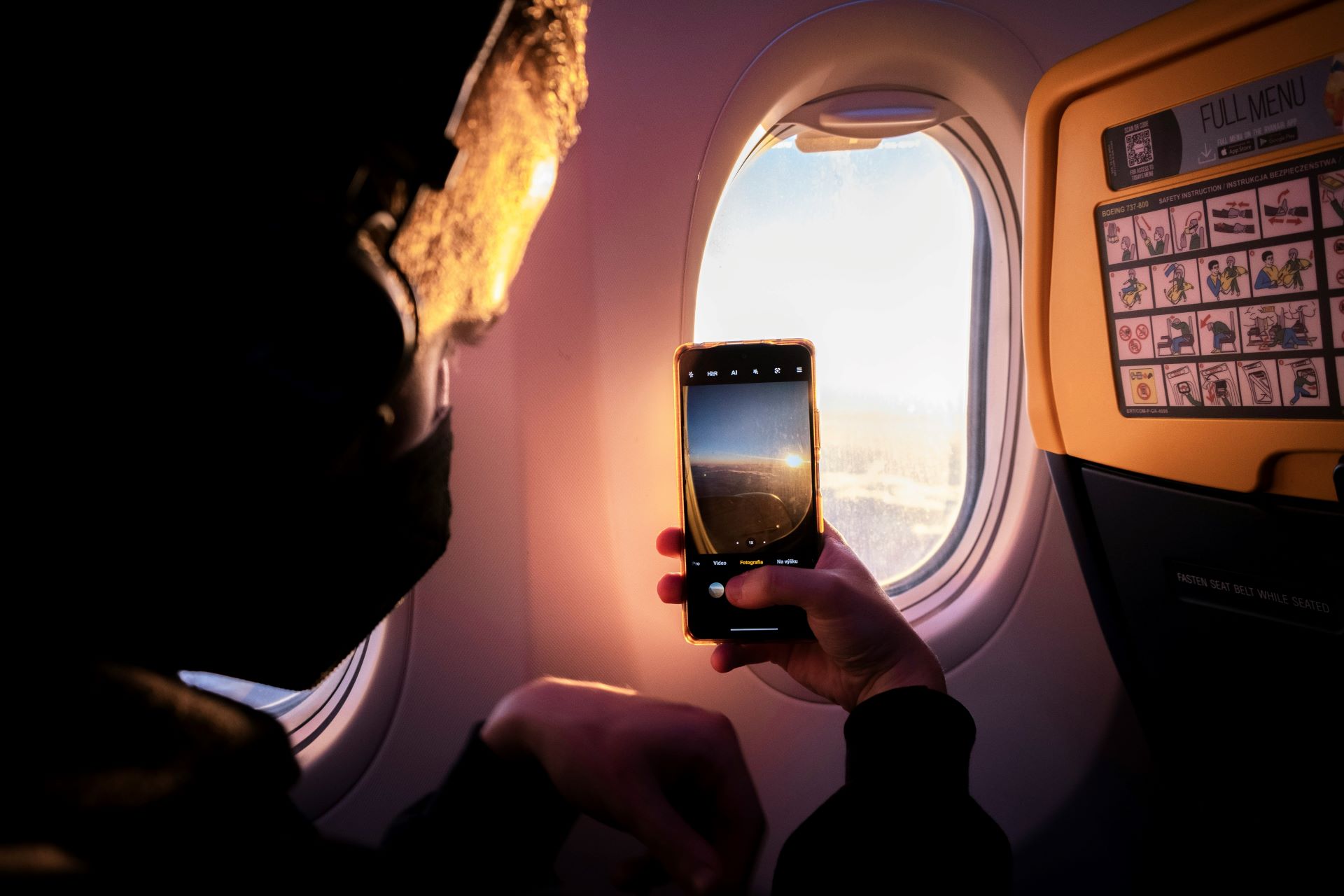
In a world where laptops have replaced office desks and café corners serve as boardrooms, digital nomads are redefining travel—and the airlines that serve them are taking notice. These long-stay, work-from-anywhere travelers are no longer occasional tourists but a steadily growing segment with unique demands: flexibility, connectivity, and seamless travel experiences that integrate with their professional and personal lives. Airlines that understand and cater to this market are poised to cultivate loyalty, increase bookings, and position themselves as enablers of the modern, borderless lifestyle.
Understanding the Digital Nomad Traveler
Digital nomads are more than a buzzword—they are a demographic with distinct patterns and expectations. Typically aged between 25 and 45, often freelance or employed in tech, creative, or consulting industries, digital nomads prioritize destinations that offer vibrant communities, reliable internet, and comfortable long-term accommodations. Unlike traditional tourists, their stay in a single location may stretch from weeks to several months. Consequently, airline loyalty programs, fare structures, and booking flexibility become crucial factors in their travel decisions.
Airlines aiming to tap into this market must recognize that digital nomads are not just buying flights—they are buying convenience, reliability, and lifestyle alignment. Marketing strategies must reflect this understanding, emphasizing flexibility, connectivity, and the freedom to travel without constraints.
Flexible Fares and Adaptive Booking Options
The first touchpoint in attracting digital nomads is fare flexibility. Standard round-trip tickets with strict dates or hefty change fees are misaligned with the needs of a traveler who may decide to extend a stay or change cities based on project timelines or community events. Airlines that introduce multi-city passes, open-ended tickets, and dynamic date changes are more likely to capture this audience.
Promotions highlighting these flexible options should be framed not merely as convenience but as lifestyle empowerment. Marketing copy can pivot from traditional price-focused messaging to aspirational storytelling: “Work from Bali this month, Lisbon next—your ticket, your timetable.” Such positioning aligns with the digital nomad mindset: freedom, spontaneity, and productivity anywhere in the world.
Integrated Remote-Work Perks
Beyond flexibility, airlines are beginning to differentiate themselves with remote-work perks. Premium lounges equipped with high-speed Wi-Fi, quiet work pods, and meeting rooms cater to nomads who value productivity during transit. Partnerships with co-working spaces, short-term housing platforms, or even local SIM providers can be highlighted in marketing campaigns to enhance the overall value proposition.
In practice, this might look like curated itineraries emphasizing cities with strong remote-work infrastructures, or loyalty programs rewarding repeat long-haul bookings with discounted coworking memberships. Marketing campaigns can emphasize these perks with imagery and messaging that resonates: Wi-Fi signals, sunset desks, coffee cups on a laptop—visual cues that connect professional aspiration with travel.
Leveraging Social Media and Influencer Collaborations
Digital nomads are a social media-savvy audience. Platforms like Instagram, TikTok, and LinkedIn are both inspiration and decision-making tools for travel plans. Airlines targeting this segment must integrate campaigns with user-generated content, influencer collaborations, and shareable experiences that position the airline as a gateway to desirable lifestyles.
Influencer partnerships work best when authentic: a real digital nomad showcasing a seamless journey, highlighting onboard connectivity, or demonstrating how flexible fares enabled a spontaneous month-long stay. Social media campaigns can also encourage user-generated content with hashtags, travel challenges, or storytelling contests, amplifying the airline’s reach while building community around its brand.
Data-Driven Personalization
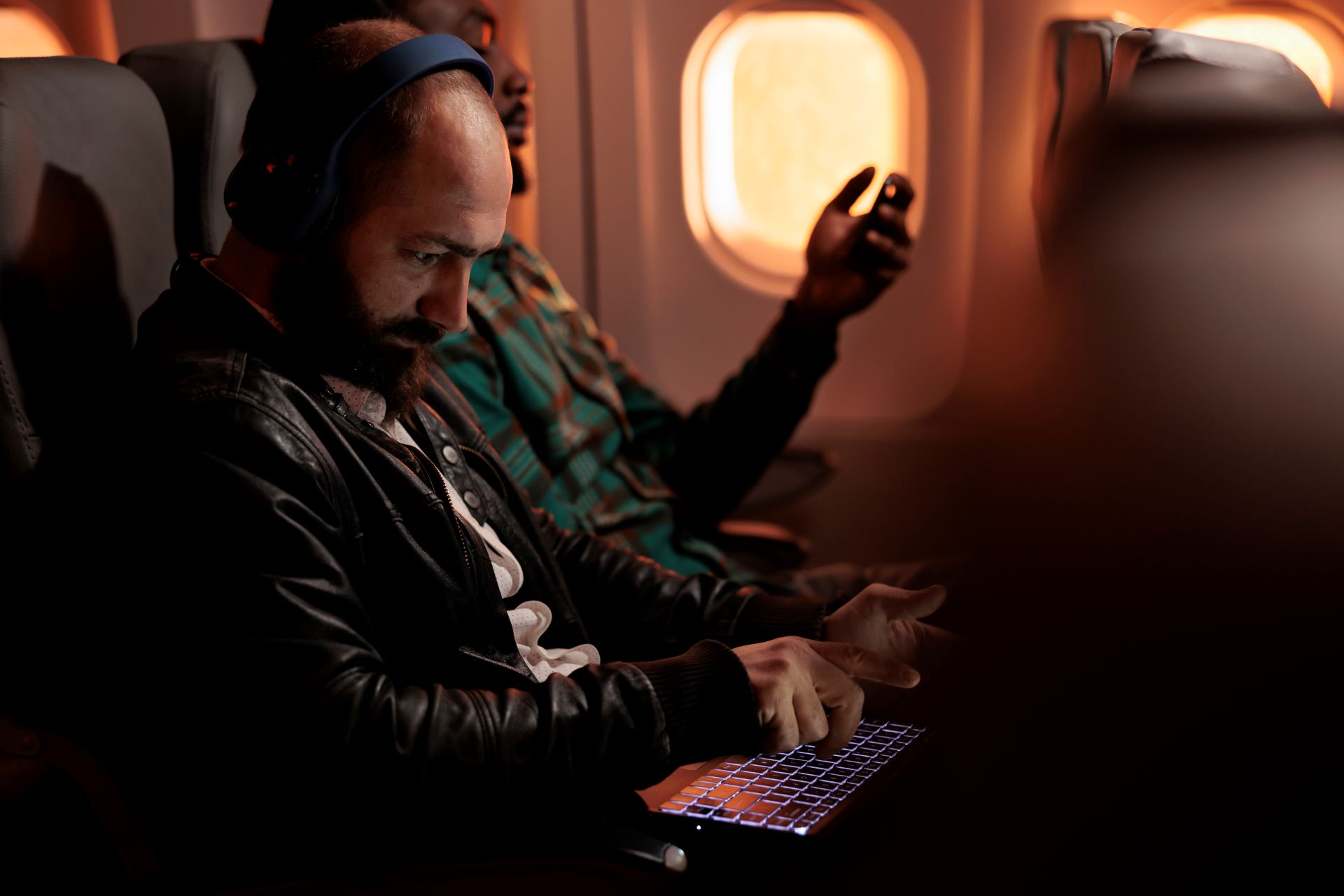
Digital nomads respond to personalized experiences more than generic travel campaigns. Airlines with robust CRM systems can segment customers based on travel history, preferred destinations, and booking behaviors, offering targeted promotions, alerts, and recommendations. Personalized communication might include suggested city itineraries aligned with upcoming nomad-friendly events or tailored fare options for multi-month travel plans.
Beyond marketing, personalization extends to the onboard experience: preferred seating notifications, meal preferences for long-haul flights, and reminders about lounge access or co-working partnerships. Each touchpoint reinforces a sense of recognition and loyalty, building a relationship that transcends transactional bookings.
Positioning Airlines as Lifestyle Enablers
Effective digital nomad marketing transforms the airline from a utility provider into a lifestyle partner. Campaign messaging should emphasize freedom, choice, and connectivity, framing travel as a tool for personal and professional growth. Story-driven marketing, featuring narratives of nomads exploring new cities while meeting deadlines, resonates more strongly than price-focused promotions.
Airlines can also develop content hubs with city guides, productivity tips, and travel hacks, positioning themselves as experts in remote-work travel. Such resources not only inspire bookings but also cultivate trust and community—a key driver of long-term brand loyalty among digital nomads.
Challenges and Considerations
Marketing to digital nomads comes with nuances. While flexibility is critical, airlines must balance revenue models and operational feasibility. Multi-city passes and open-ended bookings can complicate load planning and pricing, requiring innovative approaches to revenue management. Furthermore, messaging must avoid overgeneralization: not all long-stay travelers are digital nomads, and campaigns must clearly define the target persona to avoid misalignment.
Another consideration is regulatory and visa complexities. Airlines can support their customers by providing information on long-stay visas, coworking-friendly destinations, and travel insurance that accommodates work-from-anywhere needs. Such added value strengthens the brand’s positioning as a helpful, lifestyle-oriented partner rather than a mere ticket seller.

The Future of Airline Marketing for Digital Nomads
As remote work solidifies into a permanent lifestyle for many, digital nomads will continue to shape travel patterns. Airlines that recognize this trend and implement marketing strategies emphasizing flexibility, connectivity, and lifestyle integration will not only capture bookings but also foster deep, enduring brand loyalty.
The work-from-anywhere era demands more than just routes and schedules; it requires imagination, empathy, and an understanding of how travel integrates with professional ambition. Airlines that succeed in this space will be those that position themselves as enablers of freedom, creativity, and exploration, proving that a flight can be more than a journey—it can be a passport to a new way of life.