


As we soar into the future of travel, the airline industry stands at the edge of transformation. It’s not just about getting from one place to another anymore; it’s about redefining the journey itself. The world of air travel is evolving, driven by technological breakthroughs, sustainability efforts, enhanced passenger experiences, and an expanded global reach. With each passing year, airlines are stepping up their game, pushing boundaries and offering travelers more than ever before.
As we enter 2025, the landscape of aviation promises to be brighter, smarter, and greener. Airlines are making significant strides toward delivering a more efficient, comfortable, and eco-friendly travel experience. But what exactly does the future of flying hold? This article explores the key trends reshaping the airline industry—from cutting-edge technological innovations to sustainability practices, improved services for passengers, emerging destinations, and ongoing health and safety measures. Buckle up as we take you on a journey through the future of air travel.

Technological Innovations: The Sky’s the Limit
The airline industry is increasingly leaning into technology to enhance operations and passenger experiences. In 2025, we are witnessing a revolution in flight operations, with advancements in artificial intelligence (AI), machine learning, and automation setting new standards in safety, efficiency, and comfort.
AI and Automation: A New Era of Smart Flight Operations
AI and machine learning are becoming indispensable in aviation, not just for enhancing operational efficiency but also for improving the passenger experience. From predictive maintenance to automated check-in systems, these technologies are allowing airlines to streamline processes and minimize delays. Airlines can now predict and prevent maintenance issues before they occur, reducing downtime and improving flight schedules. Furthermore, smart ticketing systems powered by AI allow for a smoother check-in process, reducing wait times at the airport and making the overall travel experience much more enjoyable.
In the cockpit, AI is also enhancing safety. Modern flight decks are becoming more intuitive, with systems that help pilots in real-time decision-making. AI can analyze weather patterns, flight routes, and air traffic, offering solutions to optimize flight plans and ensure smooth and safe operations. With these tools, pilots are better equipped to handle unexpected challenges, improving safety for passengers.
Electric and Hybrid Aircraft: Green Skies Ahead
One of the most exciting innovations in aviation is the development of electric and hybrid aircraft. The aviation industry has long been criticized for its carbon emissions, but that is changing. By 2025, we expect electric and hybrid aircraft to become more commonplace, thanks to advancements in battery technology and fuel efficiency. These planes will significantly reduce the environmental footprint of air travel, making flying more sustainable.
Electric planes have already begun making waves in the short-haul sector, with several manufacturers testing electric planes for regional flights. Meanwhile, hybrid models are also taking off, combining the best of electric and traditional aviation technology to offer extended flight ranges and reduced emissions. These innovations not only promise a cleaner future but also bring the aviation industry closer to its goal of net-zero emissions.
Automation and Self-Service: The Future of Passenger Interaction
Airlines are increasingly adopting automation to enhance the passenger experience. From self-check-in kiosks to robotic assistants at the gate, automation is making it easier than ever for travelers to navigate airports and enjoy a hassle-free journey. Self-boarding gates powered by biometric technology are already being implemented at major airports, allowing passengers to board flights quickly and without the need for physical boarding passes.
Moreover, in-flight experiences are being enhanced by automation as well. Voice-activated assistants and AI-powered entertainment systems are improving the comfort of passengers during their journey. Travelers can personalize their in-flight experience, from adjusting lighting and temperature to selecting entertainment, all at the touch of a button.
Sustainable Aviation: Flying Green
Sustainability has become a driving force in the aviation industry. As global awareness of climate change grows, airlines are committed to reducing their environmental impact and embracing cleaner practices. By 2025, sustainability will no longer be a buzzword in the airline industry but a core principle that drives operational and strategic decisions.
The Rise of Sustainable Aviation Fuels
One of the most significant advancements in sustainable aviation is the development of sustainable aviation fuels (SAFs). These fuels, made from renewable sources like plant-based oils and waste materials, offer a cleaner alternative to traditional jet fuel. Airlines are already investing in SAF production, with many planning to transition a portion of their fleet to SAF by 2025. This transition will significantly reduce carbon emissions per flight, making aviation more environmentally friendly without compromising performance.
Zero-Emission Flights: A Vision for the Future
The ultimate goal for many in the aviation industry is to achieve zero-emission flights. While this may sound like a distant dream, the pursuit of this goal is already well underway. Hybrid and electric planes, as mentioned earlier, are a step toward achieving this ambitious objective. In addition to electric planes, companies are exploring hydrogen as a fuel source for long-haul flights. Hydrogen-powered aircraft are expected to become commercially viable within the next decade, representing a major leap toward truly sustainable aviation.
Airlines are also investing in carbon offset programs, allowing passengers to contribute to environmental projects that mitigate the impact of their flights. These initiatives are gaining popularity among eco-conscious travelers who want to make a positive impact while traveling.

Enhanced Passenger Experience: Comfort and Convenience Reimagined
In 2025, air travel will be about much more than just getting to your destination; it will be about how you feel during the journey. Airlines are investing in the latest technology and service models to enhance the comfort and satisfaction of passengers. Expect more personalized services, advanced in-flight entertainment, and upgrades to seating and cabin designs that prioritize your well-being.
Personalized Services with Data Analytics
Data analytics is transforming how airlines interact with passengers. By analyzing traveler preferences, flight histories, and even social media activity, airlines are creating highly personalized experiences. For instance, passengers might receive tailored recommendations for in-flight meals, entertainment, or even special services like priority boarding or access to lounges based on their travel profile. These personalized touches not only make the journey more enjoyable but also make passengers feel valued.
Wearable Technology and In-Flight Comfort
Wearable technology is also becoming a part of the in-flight experience. Some airlines are experimenting with devices that allow passengers to track their health during flights. These wearables can monitor things like heart rate, sleep patterns, and hydration, providing passengers with feedback to improve their overall well-being. Additionally, smart seats are being developed to enhance comfort, with features like massage functions, temperature control, and even posture correction, allowing passengers to enjoy a more relaxing flight.
Reimagined Cabin Interiors
Seating arrangements and cabin interiors are also evolving to enhance passenger comfort. Airlines are investing in modern, spacious seating options that prioritize ergonomics and passenger privacy. The focus is not only on comfort but also on maximizing space, allowing for greater legroom, larger overhead compartments, and quieter cabins. With these innovations, passengers can look forward to a more pleasant and restful flight.
New Travel Destinations and Routes: Exploring the Uncharted
As the world reopens, airlines are exploring new destinations, bringing travelers closer to remote and previously underserved regions. The expansion of flight routes in 2025 means new opportunities for adventure, relaxation, and exploration.
Remote Destinations Within Reach
Airlines are working to open new routes to remote destinations, including islands, rural areas, and national parks. These destinations, once considered too far or inaccessible, are now within reach thanks to longer-range aircraft and new flight technologies. Whether it's a secluded tropical island or an exotic destination in the Arctic, travelers will have more options than ever to experience the world in unique ways.
Connecting to Emerging Markets
Emerging markets in Asia, Africa, and Latin America are also benefiting from new flight routes, unlocking opportunities for global travel. Airlines are focusing on expanding connectivity to these regions, which will not only benefit travelers but also bolster local economies through tourism and trade.
Health and Safety Advancements: Traveling with Confidence
The global pandemic reshaped how we think about health and safety, and airlines are continuing to adapt to ensure travelers' well-being. As we move further into 2025, health and hygiene will remain a top priority.
Enhanced Health Protocols
Airlines have implemented rigorous health protocols, including advanced air filtration systems, contactless check-ins, and enhanced sanitization procedures. These measures ensure that passengers feel safe and confident when flying. Additionally, health screenings and temperature checks are becoming more streamlined, making the boarding process smoother while maintaining safety standards.
Technological Health Solutions
New health-focused technologies, such as ultraviolet (UV) sanitization systems and touchless interactions, are being integrated into airports and onboard aircraft. These innovations make it easier to maintain cleanliness and reduce the spread of germs, ensuring a safer environment for passengers and crew.
A Bright Future for Air Travel
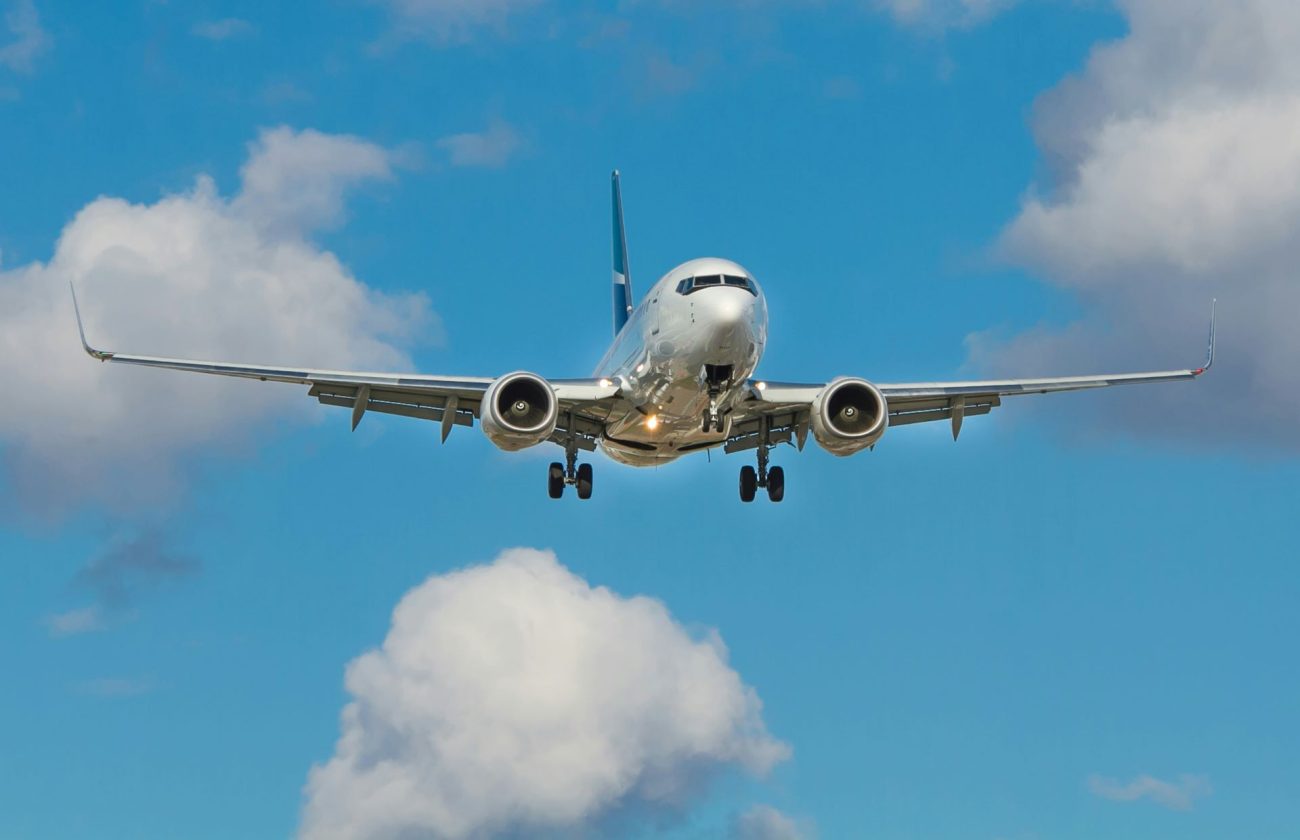
The future of air travel is incredibly exciting, with new technologies, sustainable practices, and an unwavering focus on passenger experience driving the industry forward. The innovations we see today will shape tomorrow’s flying experiences, making travel more efficient, enjoyable, and environmentally friendly.
As travelers, we can look forward to a world of endless possibilities—whether it’s flying on electric planes, exploring new destinations, or enjoying personalized services that make every journey feel special. The future of air travel is not just about reaching new heights; it’s about creating a seamless, safer, and more sustainable experience for all. Let’s embrace this future with optimism, knowing that the skies are not just the limit, but a vast horizon of exciting opportunities.