
Travel News


In the modern age of air travel, flying has transcended its utilitarian origins. No longer simply a means to bridge cities, countries, or...
In the modern age of air travel, flying has transcended its utilitarian origins. No longer simply a means to bridge cities, countries, or continents, commercial aviation has evolved into a curated experience designed to captivate, comfort, and entertain passengers from takeoff to touchdown. Central to this transformation is the in-flight entertainment (IFE) system, a domain once dominated by a rotating selection of Hollywood blockbusters and classic television episodes. Today, airlines are embracing a more expansive vision: airline-themed in-flight entertainment that goes far beyond movies, integrating cultural immersion, interactive engagement, educational content, and tailored experiences that mirror the destinations passengers are traveling to.
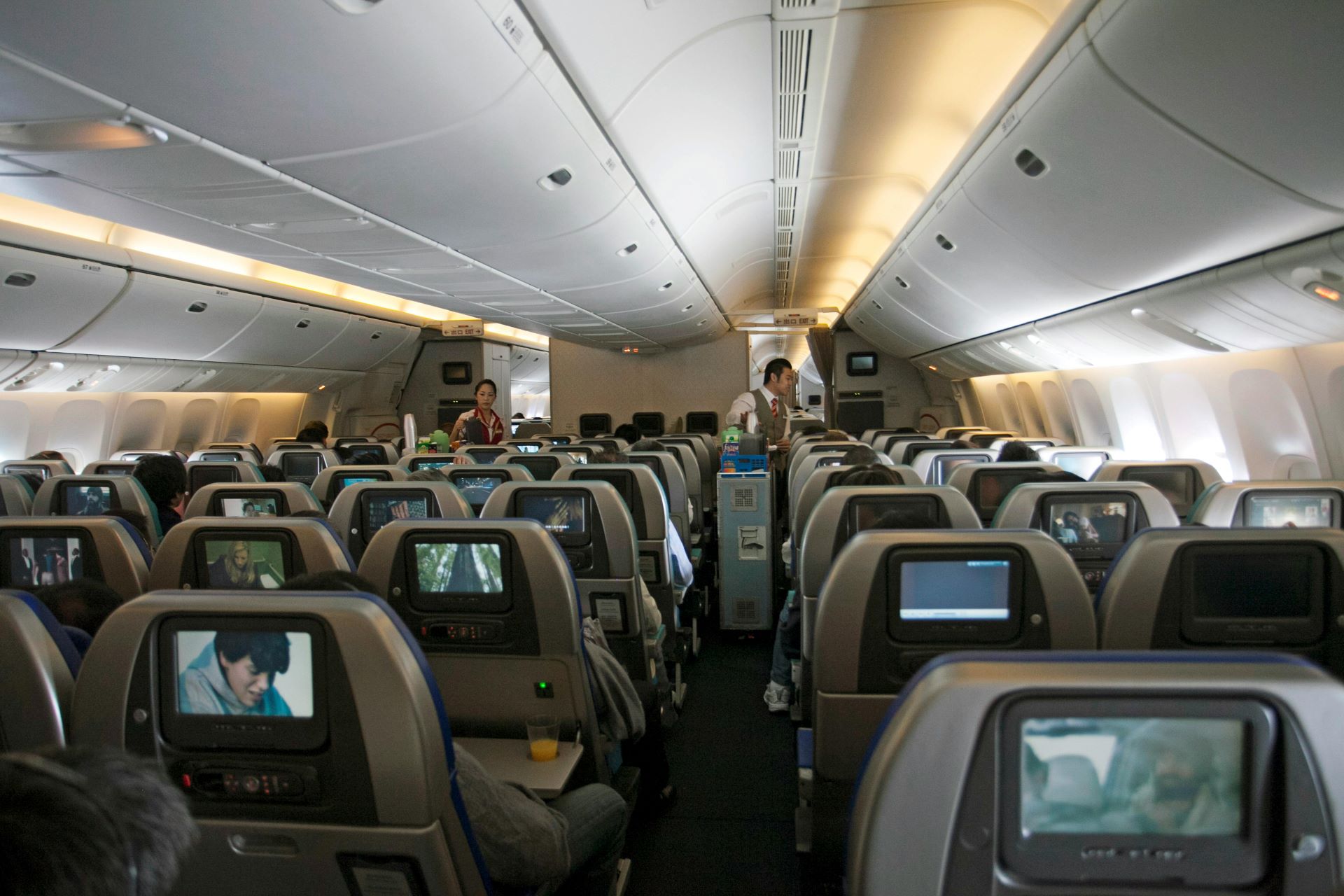
In-flight entertainment has a rich history, evolving from overhead film reels in the 1920s to personal screens offering on-demand content today. The earliest attempts at providing passenger amusement were rudimentary at best: passengers were offered newsreels or, in some cases, live musical performances. The 1960s ushered in the era of movies at 30,000 feet, with films projected onto shared screens, often accompanied by the hum of air-conditioning units and the occasional clink of cutlery. By the 1980s, airlines introduced headsets, allowing passengers to tune in individually, a shift that laid the foundation for the personalized entertainment systems familiar today.
As global travel expanded in the 21st century, airlines began to differentiate themselves not just through routes, service, or luxury amenities, but through the quality and breadth of IFE offerings. The recognition that passengers’ time in the air could be a unique canvas for storytelling, cultural education, and interactive engagement spurred investment in technology, content, and experience design.
Modern airline-themed entertainment increasingly focuses on creating a bridge between the passenger and their destination. Content is curated to introduce travelers to the culture, history, cuisine, and language of the city or country they are about to explore. For instance, a flight bound for Tokyo may offer documentaries about Japanese art, culinary tutorials featuring sushi-making techniques, and language modules teaching basic Japanese phrases. Passengers can explore the bustling streets of Shibuya or the tranquil gardens of Kyoto without ever leaving their seats.
Airlines have recognized that entertainment can be an extension of tourism itself. The IFE system becomes a digital ambassador, offering passengers previews of local festivals, architectural landmarks, and hidden gems often missed by traditional guidebooks. This destination-centric content can spark curiosity, inform itineraries, and enrich the overall travel experience, creating a sense of anticipation long before the airplane touches down.
Interactivity has emerged as a critical component of modern in-flight entertainment. Beyond watching films or reading digital magazines, passengers are increasingly engaging with content in a hands-on manner. Many airlines now incorporate gamified experiences, ranging from destination quizzes to flight simulators that allow users to virtually pilot the aircraft. These experiences are often tailored to individual interests, with leaderboards and rewards systems encouraging engagement and fostering a sense of community among passengers.
Interactive cooking classes, cultural trivia challenges, and even virtual city tours are becoming part of the cabin experience. Airlines are leveraging touchscreens, mobile app integrations, and even augmented reality features to create participatory content. The result is an entertainment ecosystem where passengers are active participants, not passive viewers, transforming time in the air into a productive, stimulating, and memorable part of the journey.
While visual media often dominates in-flight entertainment discussions, audio offerings have undergone a quiet revolution. Airlines are now curating specialized playlists and audio experiences that enhance mood, promote relaxation, or reflect the journey’s theme. Ambient soundscapes mimicking the gentle sway of ocean waves or the rustle of forest leaves help reduce stress and create a sense of place, even miles above the ground.
Podcasts, audio tours, and storytelling series provide immersive narratives that allow passengers to explore topics ranging from local folklore to international current affairs. Some airlines have partnered with renowned authors, musicians, and historians to produce exclusive content, offering passengers a one-of-a-kind auditory experience that cannot be replicated outside the cabin. By expanding the auditory dimension of travel, airlines enrich the sensory tapestry of flying, demonstrating that entertainment is not confined to the screen.
Airline-themed entertainment is no longer confined to audiovisual content; it increasingly encompasses culinary experiences as well. Many carriers integrate the in-flight menu into the entertainment narrative, providing passengers with background on the origins of ingredients, the inspiration behind signature dishes, and the chefs responsible for their creation. Digital guides and interactive apps allow travelers to explore recipes, watch cooking demonstrations, and even pair wines and beverages with meals in real time.
This approach transforms dining from a routine necessity into a form of experiential learning. Passengers can appreciate the nuances of regional cuisine, develop an understanding of local food culture, and, in some cases, recreate the dishes at home. By blending education and indulgence, airlines transform the cabin into a multi-sensory stage, where every meal becomes part of the broader entertainment ecosystem.
A growing emphasis on wellness has expanded the concept of in-flight entertainment into the realm of mental and physical well-being. Airlines now offer content designed to reduce travel fatigue, ease anxiety, and promote restful sleep. Guided meditation sessions, yoga tutorials adapted for tight spaces, and breathing exercises are integrated into the IFE system, helping passengers arrive at their destination refreshed and ready to explore.
Incorporating wellness into entertainment also acknowledges the unique stresses of modern travel. Long-haul flights, jet lag, and cramped seating can detract from the enjoyment of a journey. By embedding mindfulness and relaxation programs into the entertainment repertoire, airlines not only enhance passenger satisfaction but also demonstrate a commitment to holistic travel experiences.
Cutting-edge technology has been a driving force behind the evolution of airline-themed in-flight entertainment. From high-definition touchscreens to cabin-wide Wi-Fi connectivity, airlines are using innovation to offer seamless and personalized experiences. Machine learning algorithms analyze passenger preferences, recommending films, music, or interactive experiences based on previous choices or travel patterns.
Virtual reality (VR) and augmented reality (AR) are no longer futuristic concepts; they are being implemented to provide immersive tours of destinations, interactive language lessons, and even onboard gaming experiences that respond to the physical environment of the aircraft. Haptic feedback, motion-sensitive controls, and synchronized lighting effects enhance the realism of these experiences, making the cabin a laboratory for sensory exploration.
Mobile integration also plays a critical role. Many airlines now allow passengers to control IFE systems via personal devices, download content before departure, or participate in community-driven experiences such as live polls, trivia games, or social media challenges. By bridging personal devices and cabin systems, airlines create a cohesive entertainment ecosystem that is as flexible as it is engaging.
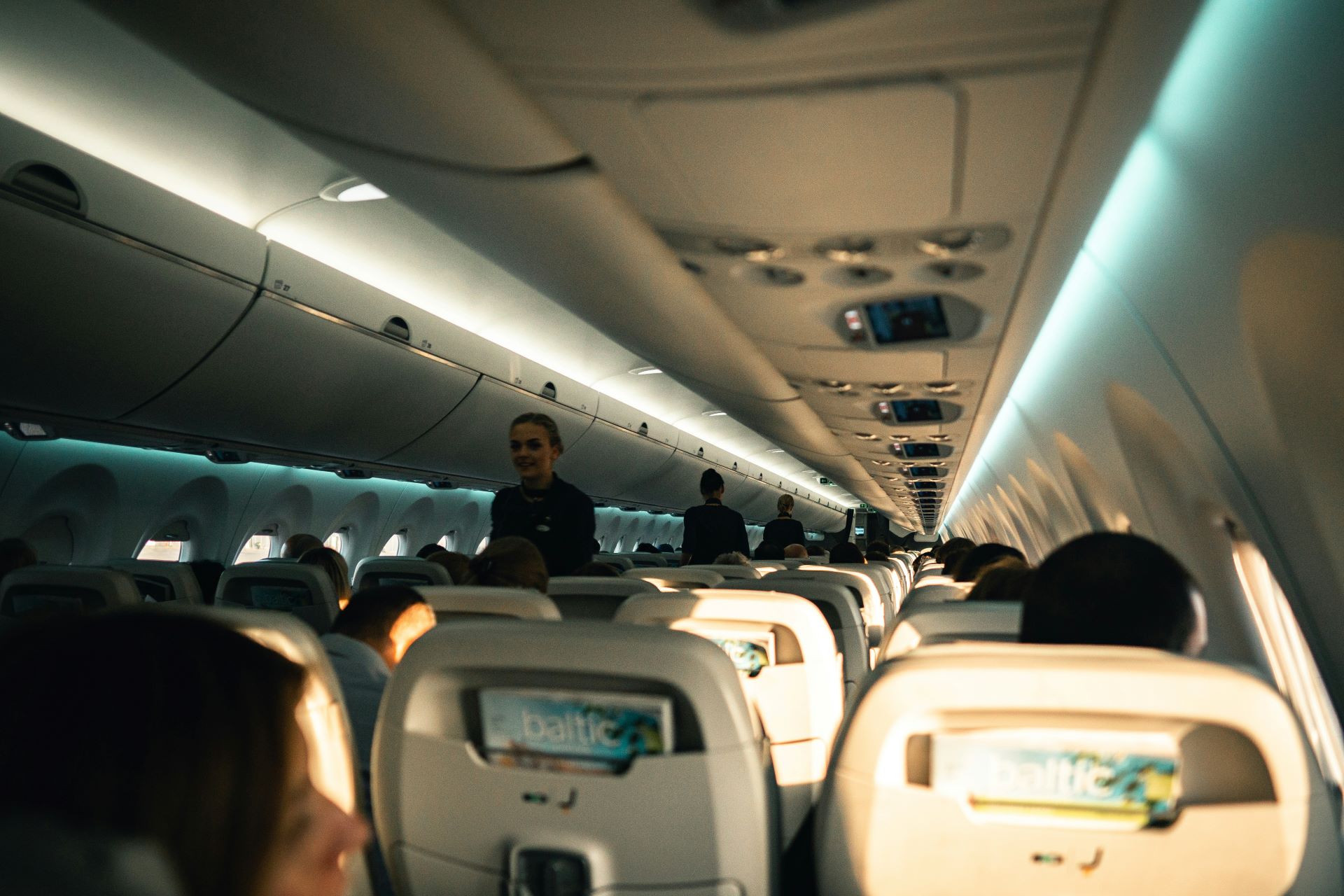
At the heart of airline-themed entertainment is storytelling. Whether through a short film, an interactive guide, or a VR tour, every piece of content is designed to narrate a journey, evoke emotion, and create connection. Airlines increasingly recognize that the journey itself can be a narrative, not merely a transit between points A and B.
Documentaries exploring local history, profiles of indigenous communities, or cinematic representations of cultural traditions all serve to educate and inspire. By offering these narratives, airlines become cultural curators, delivering meaningful experiences that resonate beyond the flight. The passenger becomes more than a traveler; they become an active participant in the stories of the world, connecting with places, people, and traditions in a way that extends far beyond the screen.
Personalization is a cornerstone of modern in-flight entertainment. By analyzing preferences, previous travel history, and even mood indicators, airlines can tailor content to individual passengers, enhancing engagement and satisfaction. Some carriers allow passengers to select themed entertainment packages aligned with interests such as art, gastronomy, adventure, or wellness. Others offer dynamic content that evolves in real time, responding to flight conditions, time zones, and passenger interactions.
This level of personalization fosters a sense of agency and control. Passengers are no longer passive recipients of a one-size-fits-all entertainment menu; they become co-creators of their in-flight experience. This empowerment transforms the perception of air travel, shifting it from a transactional necessity to a curated journey of discovery, delight, and personal enrichment.
Sustainability has become an integral aspect of airline operations, and in-flight entertainment offers a platform to communicate these efforts. Airlines increasingly incorporate documentaries, interactive modules, and educational content that highlight environmental initiatives, conservation projects, and community engagement programs. Passengers can explore the impact of their travel choices, learn about carbon offset programs, and understand how airlines are mitigating environmental footprints.
By integrating ethical storytelling into entertainment, airlines demonstrate social responsibility while fostering a sense of global citizenship among passengers. This approach resonates particularly with younger travelers who prioritize sustainability and socially conscious travel experiences, further enhancing brand loyalty and passenger engagement.
The trajectory of airline-themed in-flight entertainment points toward ever greater interactivity, personalization, and immersion. Artificial intelligence will likely play a larger role in anticipating passenger needs, curating content, and delivering adaptive experiences that respond to mood, engagement levels, and contextual factors. VR and AR will become increasingly sophisticated, offering multi-sensory journeys that blur the line between cabin and destination.
As the boundaries between travel, tourism, and entertainment continue to converge, the IFE system will evolve into a central hub for experiential discovery. Passengers will be able to explore cultures, cuisines, languages, wellness practices, and environmental initiatives while in transit, transforming time in the air into a meaningful extension of the travel experience. The airplane itself becomes a stage, the IFE system a director, and the passenger an active participant in a curated, global narrative.
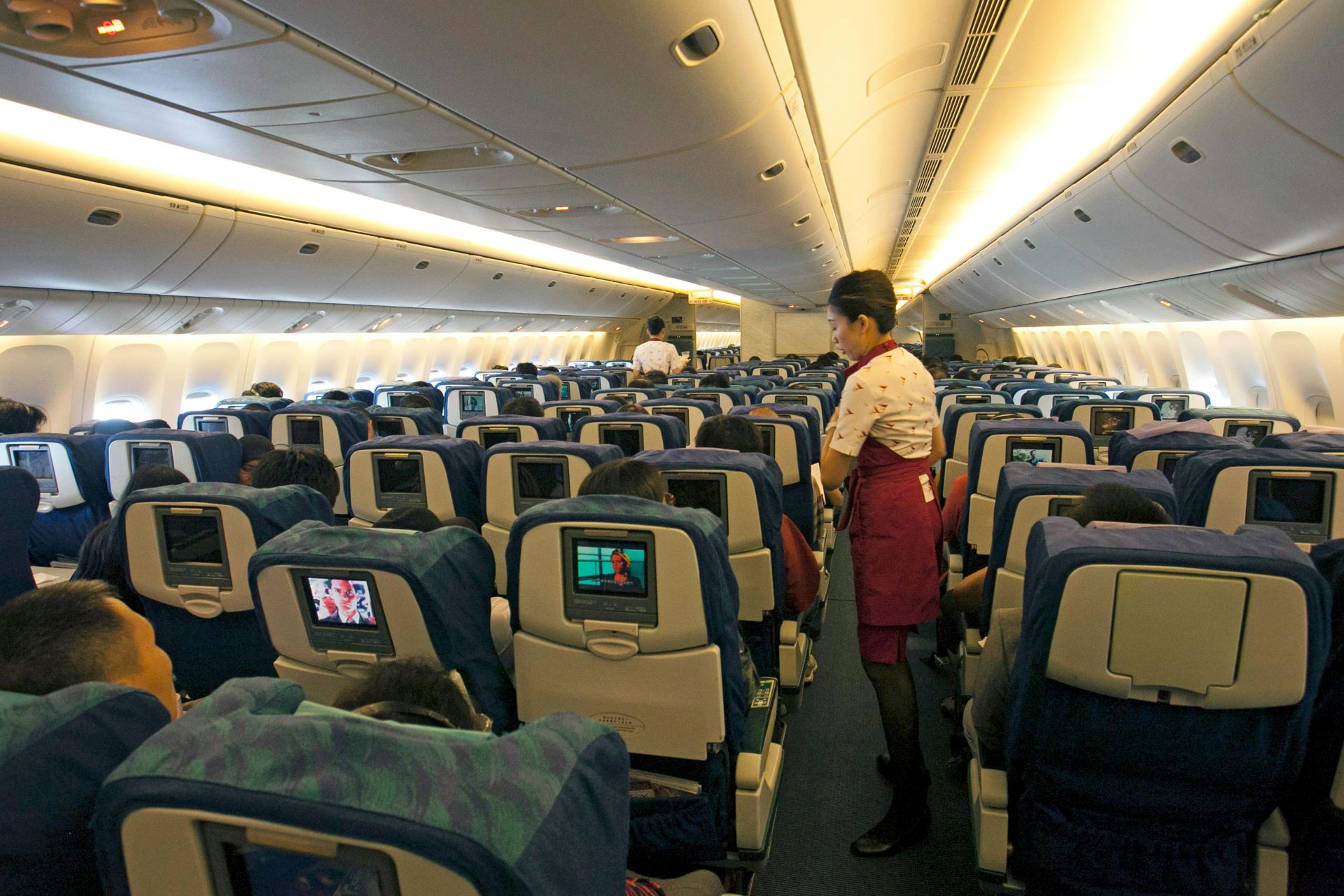
Airline-themed in-flight entertainment has grown far beyond its humble origins as a platform for movies. Today, it encompasses cultural immersion, interactive engagement, culinary exploration, wellness programming, and ethical storytelling, offering passengers a holistic, multi-sensory travel experience. Airlines are redefining what it means to be entertained at 35,000 feet, transforming the cabin into a space where education, engagement, and personal growth intersect with leisure and enjoyment.
This evolution reflects a broader trend in tourism: the desire for meaningful, memorable, and immersive experiences. By leveraging technology, personalization, and creative content curation, airlines are positioning themselves as more than mere transport providers. They become purveyors of experience, guides to culture, and facilitators of discovery.
In a world where travel is increasingly about connection, knowledge, and sensory engagement, the modern airline cabin represents a microcosm of global exploration. Passengers are no longer simply watching a movie—they are journeying through stories, flavors, sounds, and cultures. The in-flight entertainment system is no longer a diversion; it is an integral part of the journey itself, an opportunity to learn, engage, and be inspired long before the aircraft lands.
From immersive VR tours to curated culinary storytelling, gamified experiences, and wellness programming, the cabin has become a laboratory for innovation in travel, tourism, and entertainment. Airline-themed IFE reflects a profound understanding of modern passenger expectations: the desire for connection, discovery, and personal enrichment. In this new paradigm, the airplane is more than a vessel; it is a portal to the world, and entertainment is the key that unlocks the journey.
Passengers who once resigned themselves to hours of flickering screens and repetitive channels now have access to a rich, multidimensional entertainment ecosystem that informs, delights, and inspires. Whether exploring the art and architecture of a new city, learning a foreign language, discovering a regional recipe, or finding a moment of calm with guided meditation, the in-flight experience has become as valuable as the destination itself.
As technology advances and passenger expectations evolve, airline-themed entertainment will continue to push boundaries. The focus is no longer on passive consumption but on active engagement, personalization, and the creation of meaningful memories. Airlines that embrace this philosophy will not only delight passengers but also redefine the very notion of travel, ensuring that every journey is an opportunity for discovery, connection, and inspiration.
Ultimately, the future of air travel lies not just in the speed of the aircraft or the comfort of the seats but in the stories passengers carry with them, the experiences they engage with, and the knowledge they acquire. In-flight entertainment, when approached with creativity, intentionality, and a focus on passenger enrichment, becomes a powerful tool for transforming travel into a truly immersive, enriching, and unforgettable journey. The airplane cabin is no longer simply a space between here and there; it is a destination in its own right, and entertainment is the passport to that world.
Elisha Roodt
Specializing in the intersection of high-fidelity capture and spatial computing, providing expert analysis on the hardware and software ecosystems defining the metaverse.


