
Travel News


The Rise of the Multi-Destination Traveller In an age of hyperconnectivity, travellers are no longer satisfied with single-city visits. Today’s...
In an age of hyperconnectivity, travellers are no longer satisfied with single-city visits. Today’s tourists are increasingly seeking journeys that offer both breadth and depth—an immersion into a tapestry of cultures, landscapes, and experiences that a single destination alone cannot provide. Airlines have recognised this shift, responding with sophisticated marketing campaigns that promote multi-destination itineraries, effectively transforming the act of flying into a conduit for curated exploration.
Multi-destination travel is more than a logistical convenience; it represents a mindset. Passengers are drawn to the prospect of exploring a sequence of cities or countries within a single journey, each leg offering a distinct story, flavor, and rhythm. This aspiration for layered experiences aligns perfectly with the airline industry’s evolving marketing strategies, which now position carriers not simply as transport providers, but as gateways to discovery. The promise is seductive: a seamless passage through diverse worlds, each revealing new cultural textures, culinary delights, and architectural marvels.
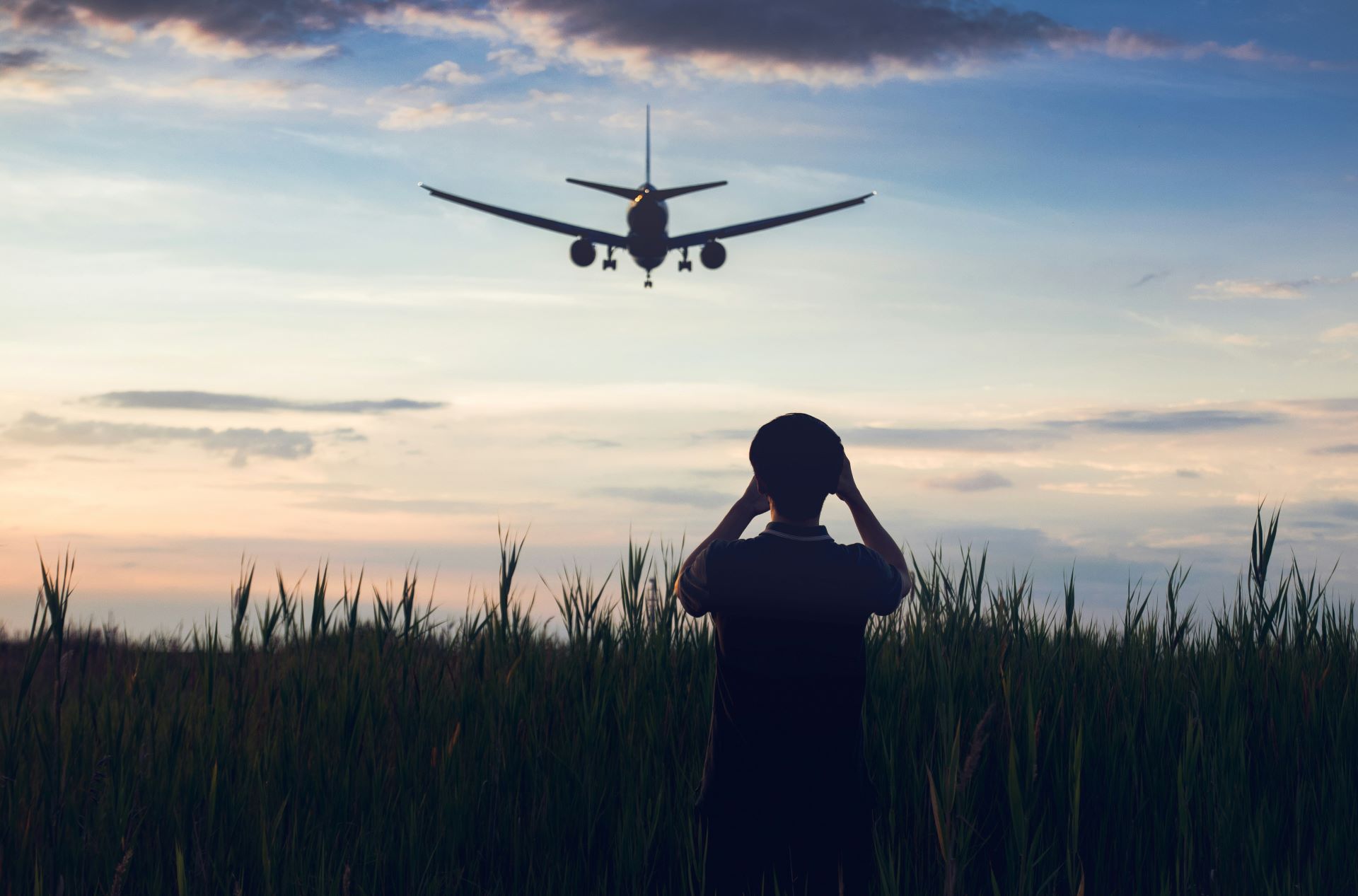
Successful airline marketing for multi-destination travel revolves around storytelling. Campaigns no longer rely solely on schedules, fares, or logistical advantages. Instead, they harness narrative to convey the emotional rewards of a multi-city itinerary. Images of bustling marketplaces in Marrakech, serene canals of Venice, and the neon vibrancy of Tokyo are framed not as isolated snapshots but as chapters in a larger travel narrative. The messaging positions each flight as a bridge between experiences, transforming airport terminals into thresholds of possibility rather than mere transit points.
Airlines employ diverse content strategies to communicate these narratives. Social media campaigns, travel blogs, and immersive video content invite prospective travellers to envision themselves moving fluidly from one locale to another. In particular, cinematic storytelling and influencer partnerships have become instrumental in illustrating the contrasts and complementarities of different destinations. By highlighting distinctive cultural experiences—morning rituals in Tokyo juxtaposed with evening street performances in Prague—airlines present a compelling case for extended itineraries.
Multi-destination travel can often be more expensive and complex than single-city trips, yet airlines have developed inventive incentives to make these journeys appealing. Flexible ticketing options, bundled fare structures, and multi-stop passes empower passengers to design bespoke travel routes without feeling constrained by conventional round-trip models. Promotional campaigns often emphasise the economic value of such itineraries, framing additional stops not as a cost burden but as an investment in enrichment.
Beyond pricing, airlines leverage loyalty programs to reward multi-destination engagement. Frequent flyer miles, tiered bonuses, and targeted promotions are now designed to encourage passengers to extend their journeys across multiple cities. These strategies resonate particularly well with the modern traveller, who seeks both adventure and practical value. By embedding discovery into the reward system, airlines convert logistical complexity into an attractive element of the travel experience.
Technology has emerged as a cornerstone in shaping multi-destination travel experiences. Airlines employ sophisticated digital tools to simplify itinerary planning, integrating route optimisation engines with AI-driven recommendations. Prospective travellers can explore suggested city sequences based on cultural interests, seasonal events, or even gastronomic preferences. This level of personalisation enhances the appeal of extended trips, transforming the planning process from a logistical challenge into a creative act of exploration.
Mobile apps and online platforms play a pivotal role in communicating these possibilities. Dynamic maps, interactive guides, and virtual previews of cultural hotspots allow travellers to visualise their journeys before boarding. Airlines also integrate real-time updates, weather forecasts, and local event information, creating a sense of anticipation and adventure that begins well before takeoff. Marketing campaigns increasingly highlight these technological advantages, positioning the airline not just as a transporter, but as a curator of tailored, multi-layered travel experiences.
Central to the appeal of multi-destination itineraries is the diversity of experiences they offer. Airlines emphasise the contrasts between urban and rural, contemporary and historic, familiar and exotic, presenting travellers with the allure of cultural variety. Campaigns often spotlight thematic travel clusters—art and architecture in European capitals, culinary and wellness journeys across Asia, or natural landscapes paired with heritage tours in Africa—encouraging passengers to explore beyond conventional tourist circuits.
The messaging frequently leans into sensory storytelling. Descriptions of fragrant markets, lively festivals, and traditional performances bring itineraries to life, creating a sense of immediacy and immersion. Airlines recognise that modern travellers crave more than sightseeing; they seek encounters that engage the senses, challenge perspectives, and leave lasting impressions. By framing multi-destination travel as a pathway to cultural enrichment, airlines elevate the act of flying from mere transportation into an instrument of personal transformation.
Airlines often enhance the appeal of multi-destination itineraries through partnerships with local tourism boards, hotels, and experience providers. Bundled offers that include curated city tours, museum passes, or culinary experiences amplify the perceived value of extended travel. These collaborations allow carriers to position themselves as holistic travel facilitators, bridging the gap between flight and on-the-ground exploration.
Co-branding initiatives further reinforce this positioning. Joint marketing campaigns with lifestyle brands, travel magazines, or digital platforms extend reach and visibility while underscoring the airline’s commitment to discovery. By linking air travel with curated experiences, carriers differentiate themselves in an increasingly competitive marketplace and appeal to travellers seeking comprehensive, high-quality journeys.
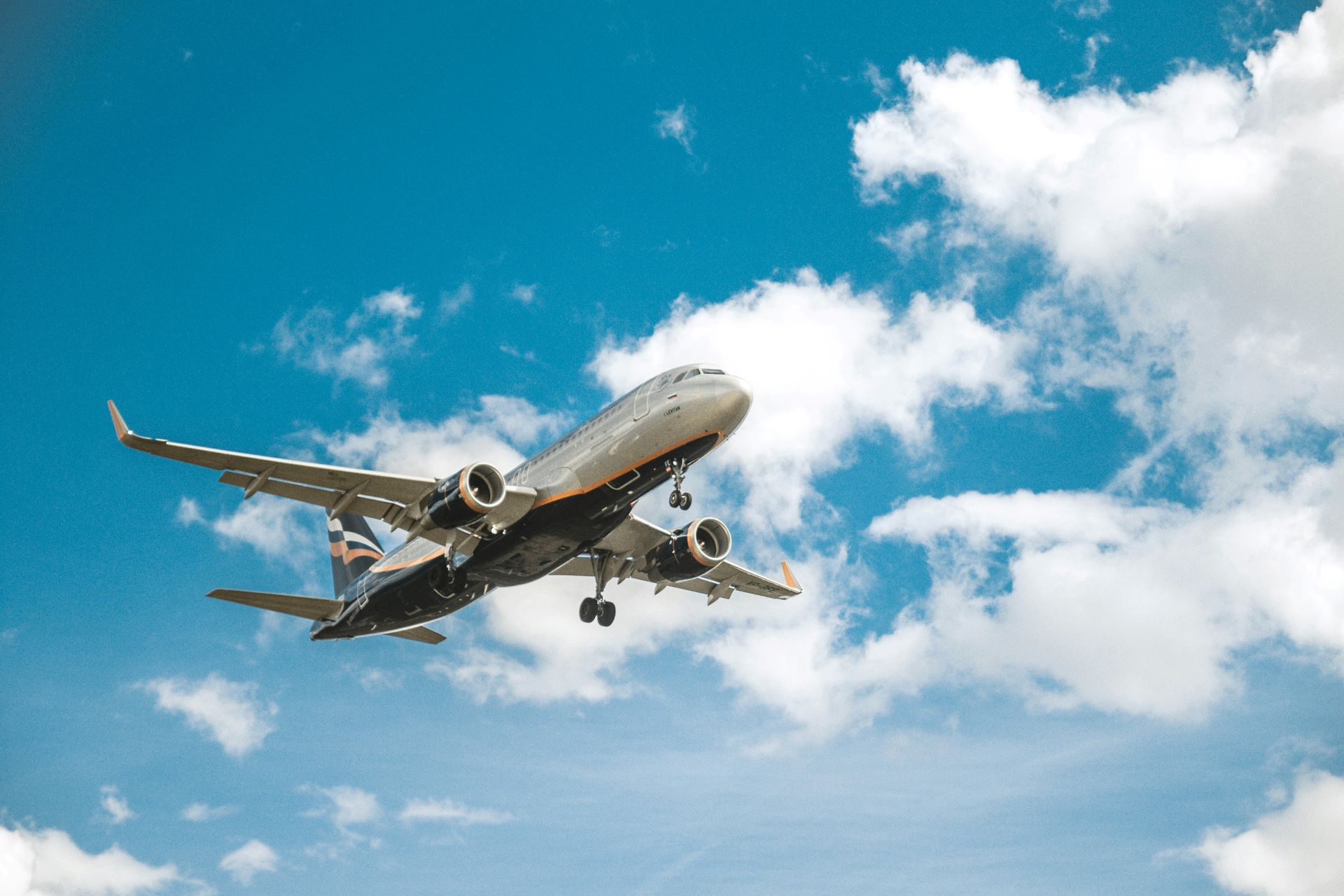
Visual marketing is another critical vector for promoting multi-destination travel. Airlines invest heavily in photography, video production, and graphic design to convey the allure of multiple cities or countries within a single campaign. The visual narrative is carefully orchestrated to balance contrast and cohesion: different cultures and landscapes are showcased in ways that maintain a unified aesthetic, reinforcing the airline’s brand identity while celebrating the diversity of the destinations.
Airline marketing teams are also experimenting with immersive formats such as 360-degree videos, augmented reality, and interactive maps. These tools allow potential travellers to virtually navigate multi-destination routes, preview cultural experiences, and even sample local cuisine or music. Such innovations not only enrich the customer journey but also create shareable content that extends campaign reach organically through social media.
Underlying every successful multi-destination marketing campaign is an understanding of the emotional motivations that drive modern travellers. Airlines frame extended itineraries as more than just travel; they are journeys of self-discovery, curiosity, and connection. Campaigns evoke a sense of possibility and liberation, emphasising the thrill of encountering new perspectives and forging unexpected memories.
This emotional resonance is particularly effective with millennial and Gen Z travellers, who value authenticity, cultural immersion, and transformative experiences over traditional luxury or convenience. Airlines that tap into these aspirations are able to build lasting brand loyalty, positioning themselves as enablers of curiosity, adventure, and meaningful exploration.
The impact of multi-destination marketing extends beyond ticket sales. Airlines evaluate success through engagement metrics, itinerary uptake, and customer satisfaction scores. Data analytics allow carriers to track which destinations are most frequently combined, how passengers respond to thematic campaigns, and where digital content drives engagement. This intelligence informs future campaign development, route planning, and partnership strategies, creating a feedback loop that continuously refines the marketing approach.
Moreover, airlines increasingly consider the broader narrative impact: social media amplification, influencer endorsements, and word-of-mouth promotion all contribute to the perception of the brand as a facilitator of expansive, culturally rich travel experiences. Success is measured not only in revenue but in the airline’s ability to cultivate aspirational, multi-destination travel as part of its brand identity.
Looking ahead, airlines are likely to intensify the sophistication of multi-destination campaigns. Personalisation, immersive technology, and AI-driven recommendations will become standard features, allowing travellers to co-create journeys that align perfectly with their interests and lifestyles. Sustainability will also play an increasing role, with campaigns emphasising responsible travel practices, eco-friendly flight options, and culturally sensitive tourism initiatives.
Experiential storytelling will remain a central tenet, but with a growing emphasis on interactive and participatory content. Virtual reality previews, gamified itinerary planning, and AI-curated cultural experiences will deepen engagement and transform the way passengers conceptualise and book multi-destination trips. Airlines that successfully integrate these innovations will not only sell tickets but cultivate long-term relationships with travellers who view multi-city exploration as an essential element of modern travel.
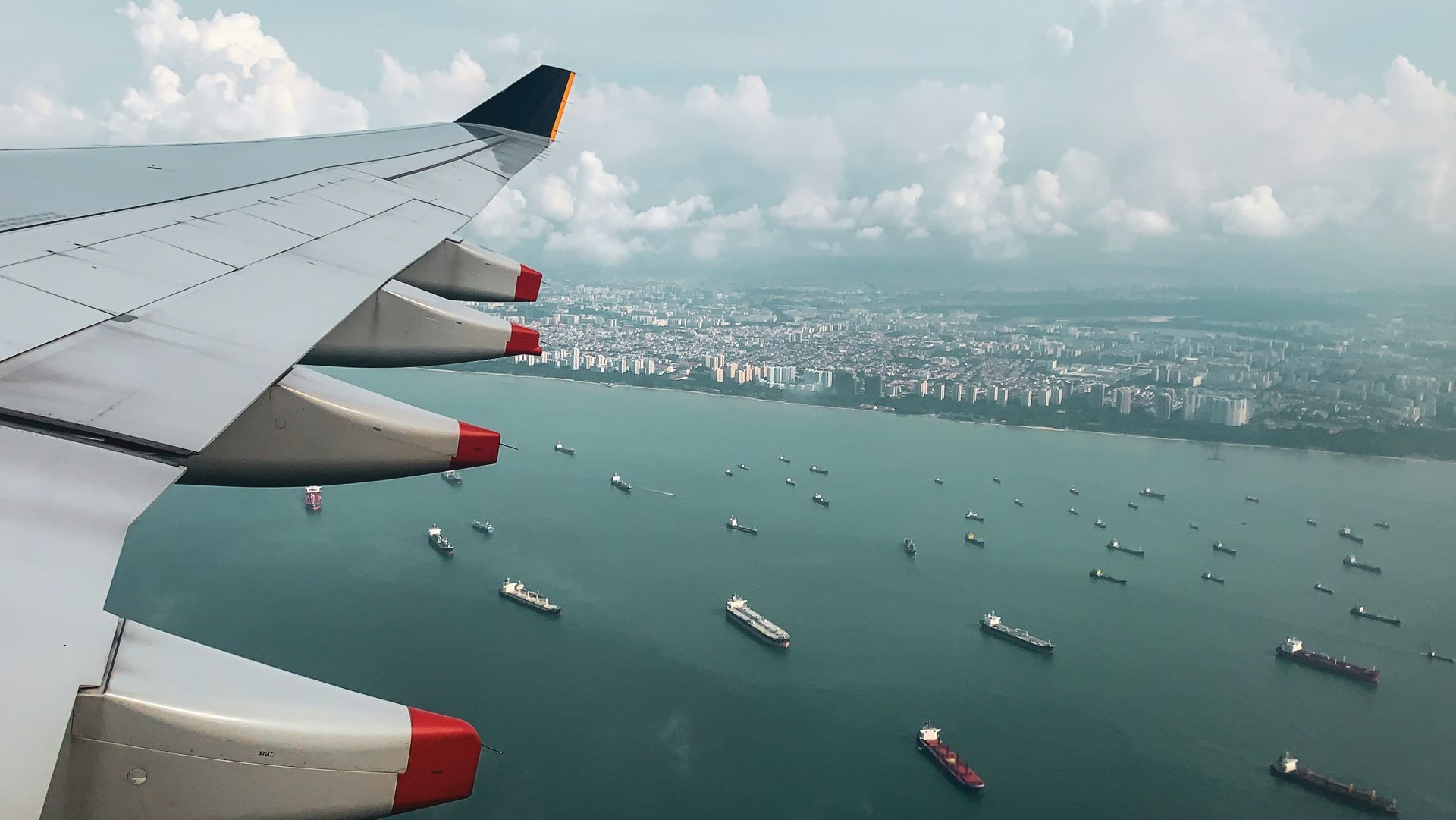
Multi-destination travel represents a paradigm shift in both consumer behaviour and airline marketing strategy. Carriers are no longer merely providers of transport; they are architects of discovery, storytellers of diverse cultures, and facilitators of transformative journeys. Through narrative-driven campaigns, technological integration, strategic partnerships, and emotionally resonant messaging, airlines inspire travellers to extend their itineraries and embrace the richness of multiple cities and countries.
As the appetite for layered, culturally immersive travel grows, so too does the opportunity for airlines to differentiate themselves. By framing multi-destination travel as an invitation to explore, to connect, and to discover, carriers position themselves at the forefront of a travel revolution—one where the journey itself, in all its diversity and nuance, becomes the ultimate destination.
Elisha Roodt
Specializing in the intersection of high-fidelity capture and spatial computing, providing expert analysis on the hardware and software ecosystems defining the metaverse.


