
Loading...


For decades, the concept of airline food evoked more groans than gustatory delight. Passengers accepted pre-packaged meals as an unavoidable...
For decades, the concept of airline food evoked more groans than gustatory delight. Passengers accepted pre-packaged meals as an unavoidable discomfort, part of the ritual of travel that included cramped seats, long queues, and the hum of engines overhead. Tray after tray of indistinguishable meats, rubbery vegetables, and overly sweet desserts became the enduring stereotype of inflight dining. Yet in recent years, the industry has undergone a quiet revolution, transforming the airline culinary experience from perfunctory sustenance into an art form that rivals city restaurants and Michelin-starred establishments.
The change did not happen overnight. For years, airlines faced the dual challenge of feeding hundreds of passengers at altitude while maintaining safety, efficiency, and cost-effectiveness. Temperature fluctuations, storage limitations, and the delicate balance of flavors under pressurized conditions constrained chefs’ creativity. Yet the landscape began to shift as carriers recognised that food could no longer be a mere afterthought. Today, airline meals are conceived with the same rigor as high-end restaurant menus, crafted to deliver not just nutrition but an immersive experience that reflects culture, seasonality, and the artistry of culinary science.
The advent of inflight gastronomy owes much to strategic collaborations between airlines and renowned chefs. Carriers have sought out culinary visionaries, commissioning them to design menus that not only reflect their brand identity but also elevate the perception of air travel itself. British Airways, for instance, has partnered with Michelin-starred chefs to create seasonal menus that celebrate both British heritage and global cuisine. Similarly, Singapore Airlines’ ‘Book the Cook’ program allows passengers to pre-order bespoke meals designed by award-winning chefs, ensuring a restaurant-quality experience even at 35,000 feet.
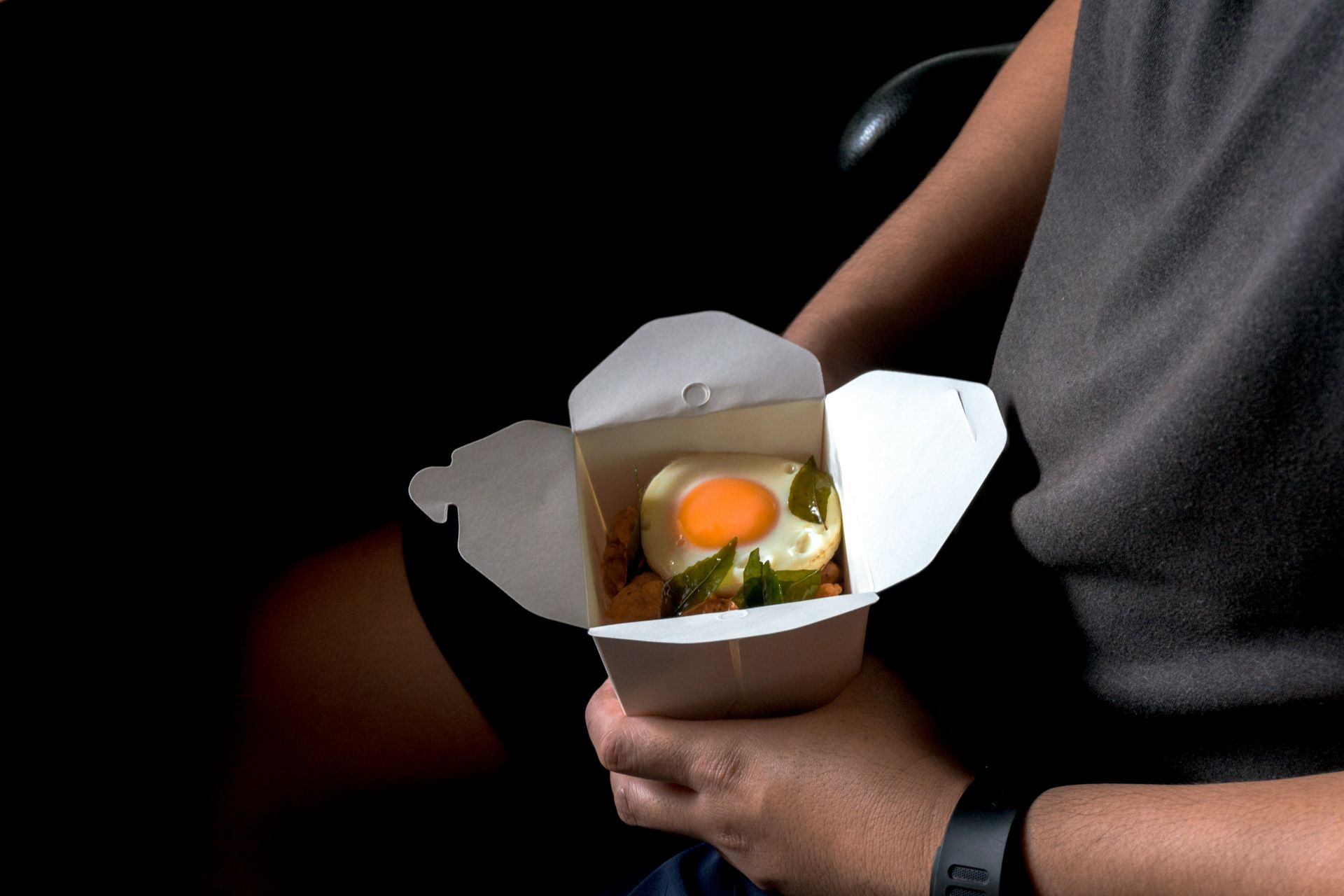
The science of cooking at altitude has become a critical factor in this culinary evolution. Research indicates that taste buds are less sensitive at high altitudes, with sweetness and saltiness diminished by approximately 30 percent. Airlines have responded with a combination of inventive seasoning techniques, sophisticated flavor layering, and the use of umami-rich ingredients to restore depth and complexity to inflight meals. Chefs are increasingly treating aircraft kitchens as extensions of their restaurants, experimenting with marinades, sous-vide preparations, and fresh herbs to ensure that flavors remain balanced from the galley to the passenger tray.
Texture, too, has received careful attention. Ingredients that hold up to reheating and high humidity are selected with precision. Root vegetables, grains, and proteins like seafood and poultry are chosen for their ability to retain moisture and structure, while sauces are formulated to enhance both flavor and appearance. Even the plating—long a casualty of mass catering—is being elevated, with meal presentation designed to appeal visually as well as gastronomically.
One of the most exciting aspects of the airline food revival is the emphasis on regional authenticity. Airlines are embracing the culinary identity of their home countries and destinations, using their menus to offer passengers a taste of local culture long before they land. Emirates, for example, features a diverse range of Middle Eastern and international dishes that highlight the rich tapestry of flavours found across the UAE. Air France celebrates French gastronomy through carefully curated selections of cheeses, pastries, and signature entrees, while Japan Airlines places traditional Japanese techniques and seasonal ingredients at the forefront of its menu design.
This focus on authenticity extends beyond ingredients to encompass storytelling. Each dish is presented with context—highlighting its origin, preparation method, and cultural significance—transforming the meal into a narrative journey that complements the physical voyage of the aircraft. For passengers, this transforms dining from a routine necessity into an experiential highlight of travel, blurring the line between restaurant and aircraft cabin.
Airline kitchens have also embraced technological innovation and sustainable practices, marrying operational efficiency with environmental responsibility. Many carriers have moved away from single-use plastics, instead opting for biodegradable or reusable cutlery, plates, and packaging. Sourcing locally whenever possible not only reduces the carbon footprint but also enhances freshness and flavor. Moreover, predictive analytics and demand forecasting allow airlines to tailor meal production more accurately, reducing waste while ensuring that every passenger receives the optimal culinary experience.
Innovations extend to the actual preparation process. Advanced galley equipment allows for sous-vide cooking, flash-chilling, and precision reheating, enabling complex dishes to retain their intended texture and taste. In some cases, airlines are even experimenting with onboard ovens and specialized heating equipment, bridging the gap between commercial airline catering and full-scale restaurant kitchens.
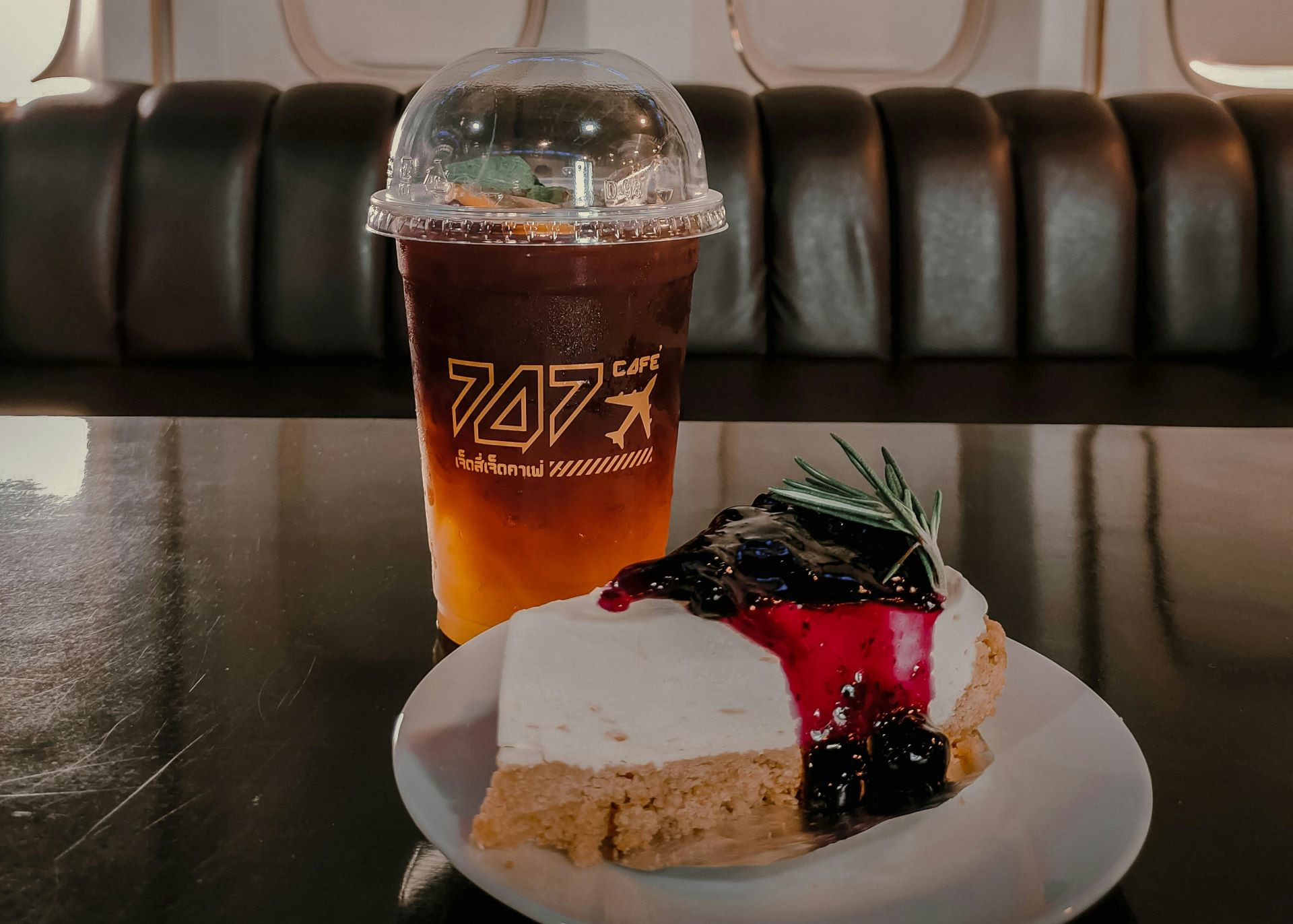
No modern dining experience is complete without thoughtful beverage pairings, and airlines have responded by integrating wine and cocktail curation into their offerings. Expert sommeliers collaborate with chefs to select wines, champagnes, and spirits that harmonize with each course. Some carriers have extended this concept further, offering craft cocktails and specialty coffee programs that rival boutique establishments in major cities. This attention to detail transforms inflight dining into a multi-sensory experience, engaging sight, smell, taste, and even the anticipation of arrival.
Beyond gourmet menus and expert pairings, airlines are increasingly prioritizing personalization. Passengers can now pre-select meals to accommodate dietary restrictions, cultural preferences, or simply personal taste. Vegan, gluten-free, kosher, and halal options are no longer afterthoughts; they are crafted with the same care as standard offerings. In premium cabins, some carriers allow passengers to customize meal components, choosing from multiple proteins, sides, and accompaniments to create a dish that reflects their unique preferences.
This personalization extends to the timing of service. Flexible dining schedules allow travelers to enjoy their meals at optimal moments in the flight, rather than adhering strictly to traditional service windows. In business and first-class cabins, chefs or trained cabin staff may even prepare dishes to order, ensuring that every meal arrives hot, fresh, and visually striking.
Beyond the physical pleasure of taste and aroma, the elevation of airline food has profound psychological implications. A thoughtfully prepared meal can transform the passenger experience, reducing travel stress, fostering comfort, and reinforcing brand loyalty. Airlines that invest in culinary excellence signal a commitment to passenger well-being and attention to detail, elevating the perception of the carrier in an increasingly competitive market. In essence, the modern airline meal is not merely sustenance; it is a strategic tool for enhancing the overall journey.
As airlines continue to innovate, the future promises even more immersive culinary experiences. Virtual reality dining concepts, AI-assisted menu optimization, and fully automated kitchens could redefine what passengers expect at 40,000 feet. Sustainability will remain central, with ongoing emphasis on local sourcing, plant-based proteins, and zero-waste operations. Moreover, the integration of cultural storytelling, regional authenticity, and passenger personalization will continue to blur the lines between inflight catering and world-class gastronomy.
The revival of airline food represents a broader shift in the aviation industry: the recognition that travel is no longer merely about transportation but about creating holistic, memorable experiences. Today, the clumsy, bland trays of the past are being replaced with carefully orchestrated meals that rival city restaurants, ensuring that the journey itself becomes as satisfying as the destination.
The transformation of airline dining is a testament to innovation, artistry, and a profound understanding of passenger expectations. Through collaboration with world-class chefs, investment in culinary science, and an emphasis on authenticity, airlines have elevated inflight food to unprecedented heights. Passengers can now expect more than just a meal; they can anticipate an experience—one that delights the senses, reflects cultural richness, and redefines the very notion of travel luxury. The days when airline food was synonymous with mediocrity are long behind us. In their place is a new era, where dining at 35,000 feet can be as memorable, nuanced, and pleasurable as any city restaurant, making the sky itself a destination for the discerning palate.
Gerald Ferreira
Specializing in the intersection of high-fidelity capture and spatial computing, providing expert analysis on the hardware and software ecosystems defining the metaverse.


