


Long-haul flights can be both a gateway to adventure and a test of endurance. For tourists, these extended journeys are an inevitable part of reaching dream destinations, whether it's exploring the bustling streets of Tokyo, savouring the sun-kissed beaches of Bali, or discovering the rich heritage of Europe. However, the experience of spending hours airborne often comes with discomfort, boredom, and fatigue, which can dull the excitement of the journey itself.
This guide offers an insightful approach to transforming your long-haul flight from a mere transit into a seamless, even enjoyable, part of your travel adventure. By preparing thoughtfully, managing your comfort, and making the most of the onboard environment, you can arrive at your destination refreshed and ready to explore.
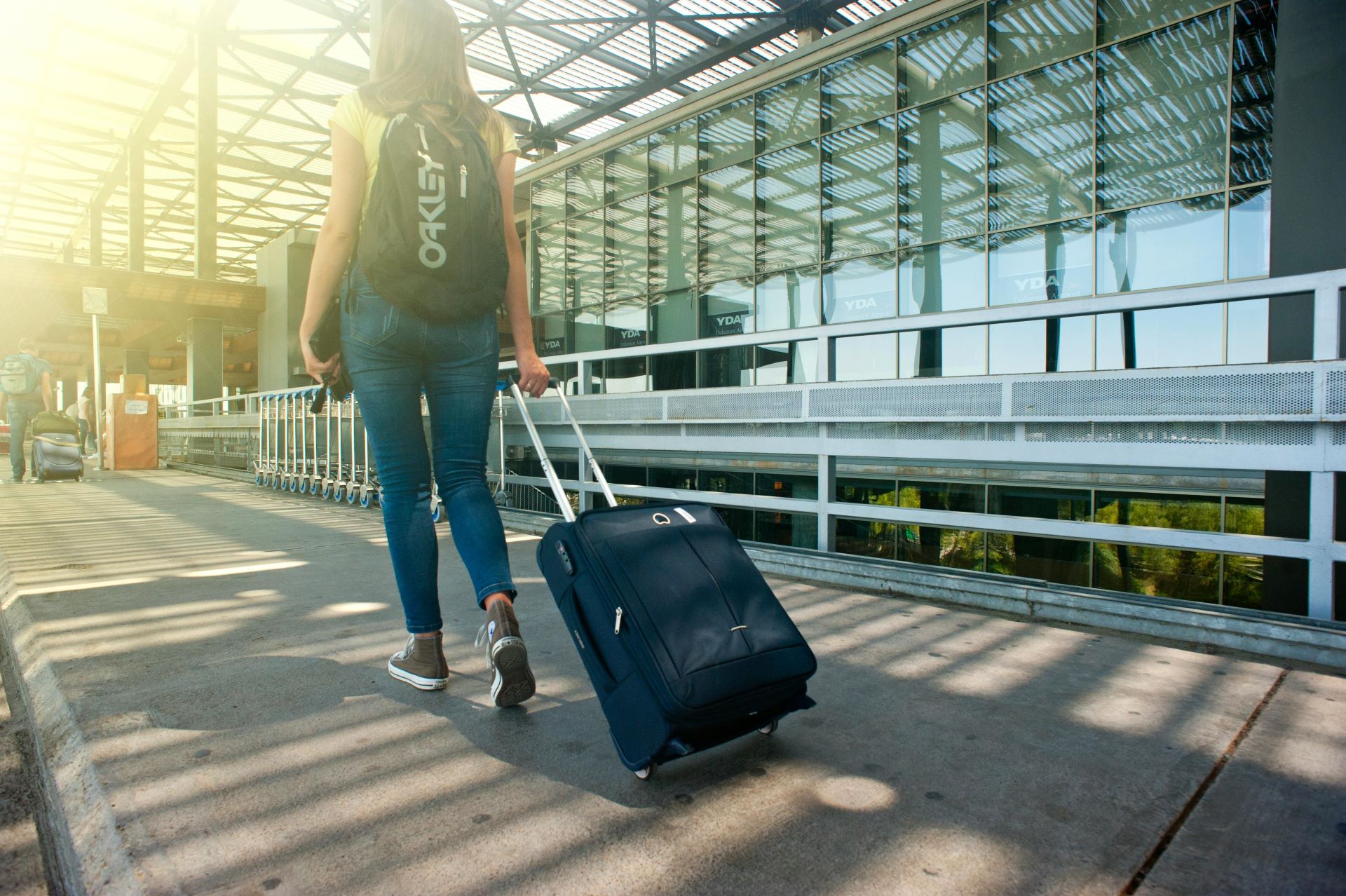
Preparing for the Journey: The Foundation of a Smooth Flight
Preparation is the cornerstone of a positive long-haul flight experience. Unlike short trips, where you might easily shrug off discomfort, long-haul flights demand deliberate planning to mitigate common challenges.
Start with your packing strategy. Beyond essentials like passports and travel documents, focus on comfort items such as a good-quality neck pillow, a lightweight blanket, and noise-cancelling headphones. These small additions can drastically improve your comfort, providing support and peace amidst the hum of the aircraft.
Choosing the right clothing is equally vital. Opt for breathable, loose-fitting layers that adapt to changing cabin temperatures. Airports and planes can swing from chilly to warm unexpectedly, so dressing in layers offers flexibility.
Another critical step is staying hydrated well before boarding. Dehydration is a frequent issue in the dry cabin environment, contributing to tiredness and headaches. Drink plenty of water and avoid excessive caffeine or alcohol, both of which can dehydrate and disrupt your body clock.
Seating and In-Flight Comfort: Claiming Your Space in the Sky
Once on board, your seat becomes your temporary haven. The right choice here can influence your entire experience.
If possible, select seats with extra legroom or those near exits for additional space. Window seats are preferred by many for the ability to lean against the wall and control the window shade, while aisle seats allow for easier movement. Consider your priorities: if stretching out and uninterrupted rest matter most, a window seat might be ideal; if frequent bathroom visits or stretching breaks are key, an aisle seat offers freedom.
Managing in-flight comfort involves more than just where you sit. Small practices, like using a lumbar support cushion or adjusting your posture periodically, can prevent stiffness and back pain. Aim to stand or walk gently every hour or two to stimulate circulation—something especially important to lower the risk of deep vein thrombosis (DVT).
Attention to hygiene also contributes to your comfort and well-being. Bringing antibacterial wipes to clean tray tables, armrests, and touchscreen devices helps limit exposure to germs, which proliferate in crowded spaces.
Entertainment and Mental Wellbeing: Keeping Your Mind Engaged
Long-haul flights often come with hours of downtime that can weigh heavily on mental wellbeing. Boredom and restlessness are natural, but with mindful planning, the time can pass quickly and pleasantly.
Most international flights today offer an extensive range of in-flight entertainment, from the latest movies to TV shows, documentaries, and games. Curate a pre-flight list of titles you’re excited to watch or rewatch—this can give you something to look forward to and keep your mind engaged.
If you prefer, bring your own devices loaded with your favourite audiobooks, podcasts, or music playlists. Podcasts, in particular, offer the advantage of transporting you into captivating stories or learning experiences, which can ease travel fatigue.
For some travellers, practising mindfulness or meditation techniques onboard can be a valuable tool. Simple breathing exercises or guided meditation apps are effective for calming anxiety and enhancing relaxation during the flight.
Nutrition and Hydration: Fueling Your Body at Altitude
What you consume during a long-haul flight has a direct impact on your comfort and energy levels. Airline meals vary widely in quality and nutritional value, so supplementing smartly is key.
Start the journey well-nourished by eating a balanced meal before boarding. During the flight, drink plenty of water, aiming to consume at least 200ml per hour. Herbal teas or electrolyte drinks can also help maintain hydration without the dehydrating effects of caffeine and alcohol.
If airline food isn’t appealing or you have dietary restrictions, packing healthy snacks is advisable. Think nuts, dried fruit, protein bars, or fresh fruit if you have access before departure. Avoid salty or heavy foods that can exacerbate bloating and discomfort.
Managing Sleep and Adjusting to Time Zones: The Art of Arrival Readiness
Sleep is often the most elusive aspect of long-haul flights. Achieving quality rest while confined to a narrow seat at high altitude is challenging but crucial for adjusting quickly to your destination’s time zone.
Consider blocking out light with an eye mask and reducing noise with quality earplugs or noise-cancelling headphones. Using a comfortable travel pillow can also ease neck strain and promote restful sleep.
Aligning your sleep schedule to your destination time before and during the flight can ease jet lag. If you’re flying eastward, try to sleep earlier; westward, stay awake longer. Avoid screens right before sleep to help your body relax.
Upon arrival, exposing yourself to natural light, staying active, and maintaining hydration accelerate your body clock’s adjustment.
Practical Tips for Stress-Free Long-Haul Travel
Air travel can sometimes be stressful, from airport check-ins to unexpected delays. Reducing stress helps preserve your energy for the adventure ahead.
Arrive at the airport early to avoid rushing and embrace a calm mindset. Keep important documents organized and accessible to avoid last-minute scrambles.
If you’re travelling with companions, plan ways to support each other’s needs, whether it’s sharing snacks, entertainment, or just good conversation.
For solo travellers, a friendly attitude and small talk with fellow passengers or crew can ease anxiety and create a more pleasant atmosphere.

Embrace the Flight as Part of Your Journey
Long-haul flights are a significant aspect of modern tourism—more than just a means to an end, they represent a transition between worlds. With the right preparation and mindset, these hours in the sky can become a comfortable, even enjoyable, part of your travel experience.
By focusing on comfort, entertainment, nutrition, and wellbeing, you arrive at your destination not just intact but invigorated, ready to fully embrace all the wonders your journey promises.
Travel well, and let every mile in the air bring you closer to your next unforgettable adventure.