


Bosnia and Herzegovina, often referred to simply as Bosnia, is a captivating country nestled in the heart of the Balkans. Known for its rich history, cultural diversity, and stunning natural beauty, Bosnia offers travelers a unique blend of Eastern and Western influences. This article provides an in-depth look at Bosnia, highlighting its key features, addressing common misconceptions, and emphasizing the affordability of travel to this enchanting destination. Whether you're a history enthusiast, nature lover, or simply looking for an affordable European getaway, Bosnia has something to offer.
Overview of Bosnia
Historical Background
Bosnia and Herzegovina's history is a complex tapestry woven from centuries of diverse influences and turbulent events. The region was first inhabited by Illyrian tribes before becoming part of the Roman Empire. Following the fall of Rome, Bosnia saw the arrival of Slavic tribes in the 6th and 7th centuries, laying the foundation for its Slavic heritage.
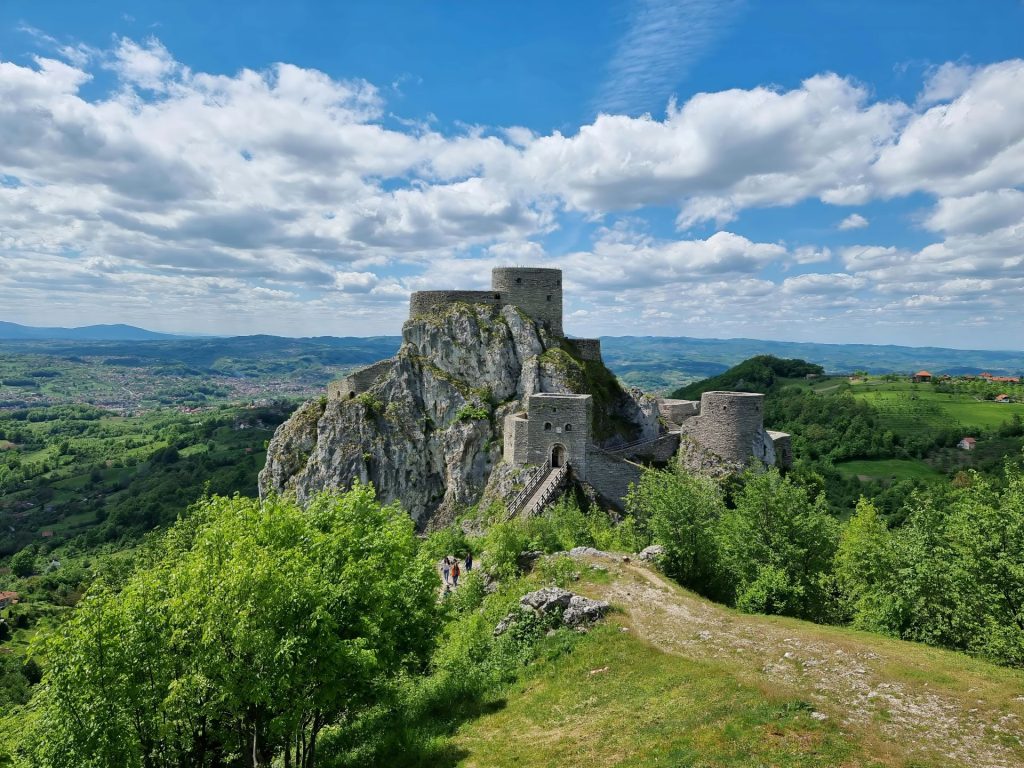
During the medieval period, Bosnia became a powerful and independent kingdom. The Bosnian Kingdom reached its zenith in the 14th century under the rule of King Tvrtko I. The region's medieval history is vividly illustrated by numerous castles and fortresses scattered across the landscape, such as the fortress of Bobovac.
The Ottoman Empire conquered Bosnia in the 15th century, leaving an indelible mark on the region's culture, architecture, and religion. This period saw the introduction of Islam and the construction of iconic structures like the Gazi Husrev-bey Mosque in Sarajevo. The Austro-Hungarian Empire took control in the late 19th century, further adding to Bosnia's cultural mosaic.
The 20th century was marked by significant upheaval, including the formation of Yugoslavia and the devastating Bosnian War in the 1990s. Despite these challenges, Bosnia has emerged as a resilient and vibrant country, committed to peace and reconciliation.
Geography and Climate
Bosnia's diverse geography is one of its most alluring features. The Dinaric Alps dominate the landscape, offering rugged mountains, deep valleys, and pristine rivers. These natural wonders provide a stunning backdrop for outdoor activities such as hiking, skiing, and rafting.
The country's climate varies from Mediterranean along the Adriatic coast to continental in the interior. Summers are warm and dry, making it an ideal time for exploring cities and national parks. Winters are cold, particularly in the mountains, providing excellent conditions for winter sports enthusiasts.
Major Cities and Regions
SarajevoThe capital city, Sarajevo, is a vibrant cultural hub known for its unique blend of Ottoman, Austro-Hungarian, and Yugoslav architecture. Visitors can stroll through the historic Baščaršija bazaar, visit the Latin Bridge where Archduke Franz Ferdinand was assassinated, and explore the Tunnel of Hope, which played a crucial role during the siege of Sarajevo.
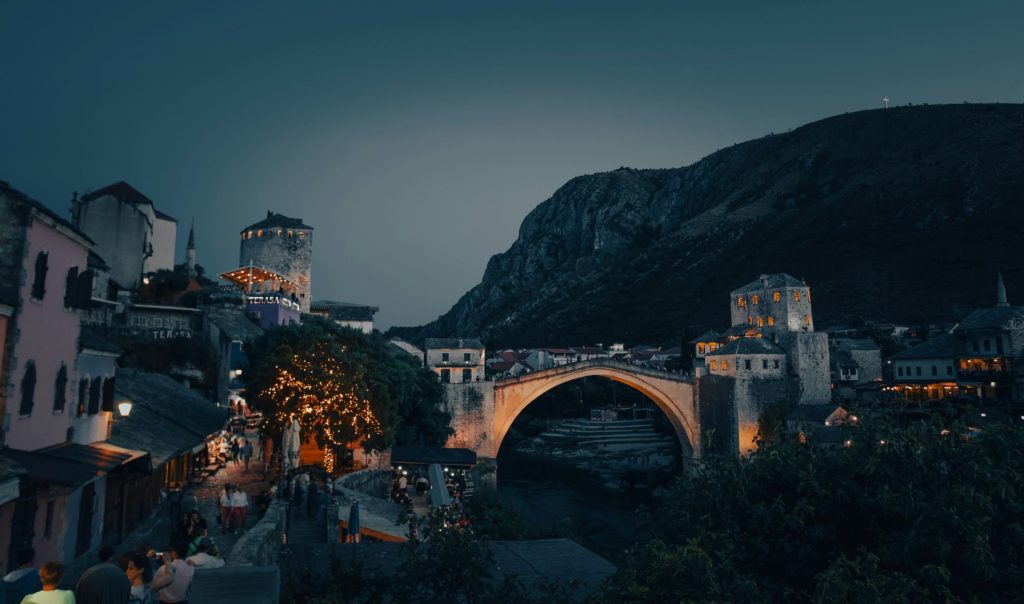
MostarMostar is renowned for its picturesque Old Bridge (Stari Most), a UNESCO World Heritage Site. The bridge symbolizes the city's resilience and unity, having been reconstructed after its destruction during the war. The old town of Mostar is a charming maze of cobbled streets, historic buildings, and bustling markets.
Banja LukaThe second-largest city in Bosnia, Banja Luka is known for its vibrant nightlife, green spaces, and historical sites. The Kastel Fortress, dating back to Roman times, offers panoramic views of the city and the Vrbas River.
TuzlaTuzla is an industrial city with a rich cultural scene. It is famous for its salt lakes and the Pannonian Lakes, which offer a unique swimming experience in an urban setting.
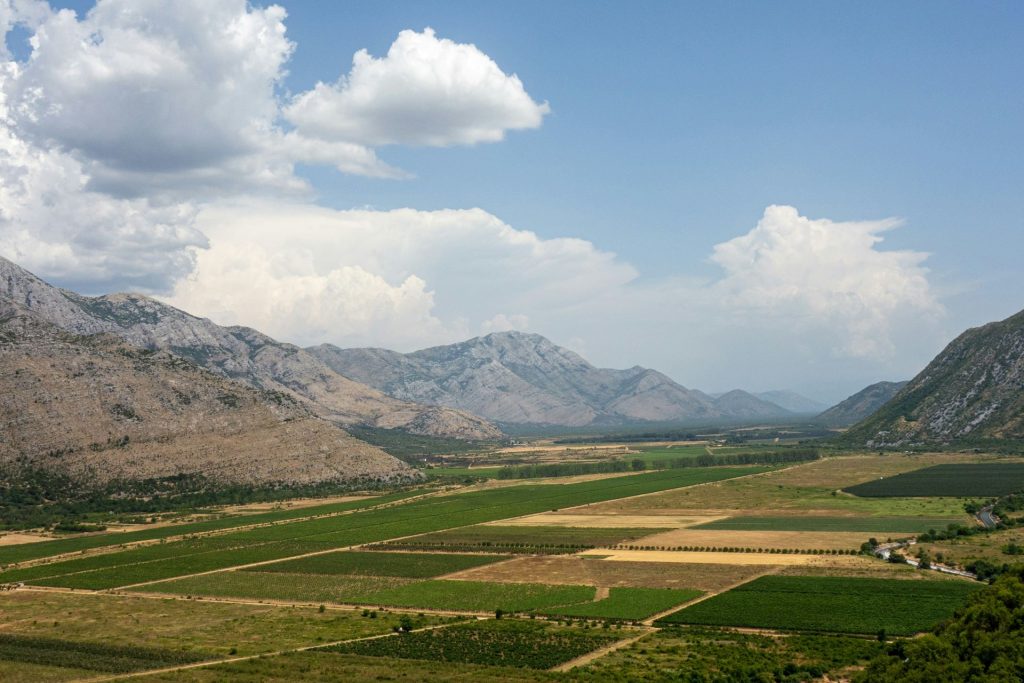
TrebinjeLocated in the southern part of the country, Trebinje is known for its Mediterranean climate, vineyards, and the beautiful Arslanagić Bridge. The city's historic old town and surrounding nature make it a delightful destination for travelers.
Natural Wonders
Sutjeska National ParkSutjeska National Park is Bosnia's oldest and largest national park. It is home to the Perućica rainforest, one of the last primeval forests in Europe, and the majestic Maglić Mountain, the highest peak in Bosnia. The park offers excellent hiking opportunities, with trails leading through dense forests, past cascading waterfalls, and up to breathtaking viewpoints.
Una National ParkLocated near the border with Croatia, Una National Park is known for its pristine rivers, stunning waterfalls, and diverse wildlife. The Una River, with its emerald-green waters, is ideal for rafting and kayaking. The park's highlight is the Štrbački Buk waterfall, a powerful cascade surrounded by lush greenery.
Jahorina MountainJahorina Mountain is a popular ski resort located near Sarajevo. It hosted the alpine skiing events during the 1984 Winter Olympics and continues to attract winter sports enthusiasts from around the world. In the summer, the mountain transforms into a paradise for hikers and mountain bikers.
Blidinje Nature ParkBlidinje Nature Park is a haven for nature lovers, offering a unique landscape of karst fields, glacial lakes, and dense forests. The park is home to the endemic Bosnian pine and offers excellent opportunities for hiking, birdwatching, and horseback riding.
Key Benefits/Features
Affordable Travel
One of the most compelling reasons to visit Bosnia is the affordability of travel. Flights to Bosnia are often cheaper compared to other European destinations, making it an attractive option for budget-conscious travelers. Sarajevo International Airport serves as the primary gateway, with connections to major European cities. Additionally, low-cost airlines frequently offer discounted fares, allowing travelers to explore Bosnia without breaking the bank.
Once in Bosnia, visitors will find that the cost of living is relatively low. Accommodation options range from budget hostels and guesthouses to mid-range hotels and luxury resorts, catering to all preferences and budgets. Dining in Bosnia is also affordable, with delicious traditional meals available at reasonable prices. Street food, such as cevapi (grilled minced meat) and burek (savory pastry), provides a tasty and economical way to experience Bosnian cuisine.
Cultural Diversity
Bosnia's rich cultural heritage is reflected in its festivals, cuisine, and everyday life. The country's diverse population includes Bosniaks, Croats, and Serbs, each contributing to Bosnia's unique cultural mosaic. This diversity is evident in the architecture, with mosques, churches, and synagogues often found within close proximity.
Visitors can immerse themselves in Bosnia's cultural scene by attending festivals and events. The Sarajevo Film Festival, held annually in August, attracts filmmakers and cinephiles from around the world. The Mostar Summer Festival celebrates music, theater, and dance, while the Banja Luka International Festival of Animated Film showcases the art of animation.
Bosnian cuisine is a delightful blend of Ottoman, Mediterranean, and Central European influences. Traditional dishes such as cevapi, burek, and dolma (stuffed vegetables) are must-tries. Coffee culture is also an integral part of Bosnian life, with traditional Bosnian coffee served in small copper pots, accompanied by a sweet treat called rahat lokum.
Historical Significance
Bosnia's history is both fascinating and poignant, offering visitors a deep and enriching experience. The country boasts numerous historical sites and museums that provide insights into its past.
SarajevoThe capital city is a living museum of Bosnia's history. The Baščaršija bazaar, dating back to the 15th century, is a bustling marketplace where visitors can explore traditional crafts and souvenirs. The Sarajevo Tunnel Museum, also known as the Tunnel of Hope, is a poignant reminder of the city's resilience during the siege of Sarajevo in the 1990s.
MostarMostar's Stari Most (Old Bridge) is a symbol of unity and reconciliation. The bridge, originally built in the 16th century, was destroyed during the war and meticulously reconstructed. The nearby Koski Mehmed Pasha Mosque offers stunning views of the bridge and the Neretva River.
JajceThe town of Jajce is known for its medieval fortress and the beautiful Pliva Waterfall. Jajce was the site of the AVNOJ (Anti-Fascist Council for the National Liberation of Yugoslavia) meetings during World War II, which played a crucial role in the formation of Yugoslavia.
SrebrenicaThe Srebrenica Genocide Memorial Center is a sobering reminder of the atrocities committed during the Bosnian War. The memorial honors the victims of the 1995 genocide and serves as a place of reflection and education.
Common Misconceptions
Despite its many attractions, Bosnia is often misunderstood or overlooked as a travel destination. Some common misconceptions include:
Safety Concerns
While Bosnia experienced significant conflict in the 1990s, it is now a safe and welcoming country for travelers. The Bosnian War, which took place from 1992 to 1995, left deep scars, but the country has made remarkable progress in rebuilding and fostering peace. Crime rates are low, particularly in tourist areas, and visitors will find that the hospitality of the Bosnian people ensures a pleasant and secure visit.
Limited Infrastructure
Another misconception is that Bosnia lacks the necessary infrastructure for tourism. In reality, the country has a well-developed transportation network, comfortable accommodations, and modern amenities that cater to the needs of visitors. Major cities like Sarajevo, Mostar, and Banja Luka offer a range of hotels, restaurants, and services to ensure a comfortable stay.
The road network in Bosnia is extensive, making it easy to explore the country's diverse landscapes. Public transportation, including buses and trains, connects major cities and tourist destinations. Additionally, car rental services are readily available for those who prefer to explore at their own pace.
Language Barrier
Visitors often worry about language barriers when traveling to Bosnia. However, English is widely spoken in major tourist areas, particularly among the younger generation. In Sarajevo, Mostar, and other popular destinations, travelers will find that communication is rarely an issue. Many hotels, restaurants, and tour operators have English-speaking staff, making it easy to navigate and enjoy the country's attractions.

Bosnia and Herzegovina is a hidden gem in Europe that offers a rich tapestry of experiences for travelers. From its stunning natural landscapes and vibrant cultural scene to its affordability and historical significance, Bosnia has something to offer every visitor. By addressing common misconceptions and highlighting the unique features of this beautiful country, we hope to inspire more travelers to explore Bosnia and discover its many wonders.
Ready to discover Bosnia for yourself? Explore our resources or contact us for more information on planning your trip. Whether you're looking for cheap flights, travel tips, or guided tours, we're here to help you every step of the way. Don't miss out on the opportunity to experience the magic of Bosnia – start planning your adventure today!