

Route Strategies and Tourism Impact: Where Airlines Shape Destinations
Author
Breyten Odendaal
Date Published

The Nexus of Aviation and Tourism
Airlines are more than mere conduits for travel; they are strategic catalysts capable of shaping the flow of people, the rhythm of economies, and even the cultural perception of destinations. Each new route, seasonal expansion, or frequency adjustment carries implications far beyond the airline’s bottom line. Tourism, in its many forms—from luxury escapes and eco-adventures to urban exploration—is inherently dependent on accessibility. Where there is no direct flight, there is a barrier; where there is connection, there is potential for growth, exposure, and economic stimulation.
Route development decisions are informed by a complex matrix of considerations. Airlines weigh passenger demand, aircraft availability, operating costs, and profitability against market trends and competitive pressures. Increasingly, however, they also consider the potential for shaping tourism patterns, responding to regional development goals, and nurturing strategic partnerships with local authorities and tourism boards. A new route can catalyze a destination’s visibility on a global stage, attract foreign direct investment in hospitality infrastructure, and trigger ancillary business growth in transportation, retail, and cultural sectors.
This interplay between airlines and tourism is particularly evident in emerging destinations. Where infrastructure is limited, a single carrier’s decision to establish a hub or seasonal route can redefine travel flows, influencing visitor numbers, local spending, and even employment patterns. Conversely, in mature destinations, route strategies may focus on balancing demand peaks, maximizing aircraft utilization, or creating “shoulder season” travel windows to distribute visitor flow and prevent overtourism.
The conceptual framing of airline routes as economic levers is reinforced by the growing importance of air connectivity indexes, which track the volume, frequency, and quality of access between cities. High connectivity correlates with elevated tourism metrics, increased business travel, and stronger trade links. Conversely, under-connected regions struggle to compete in the global tourism marketplace, regardless of cultural, natural, or culinary assets. Airlines, therefore, wield an indirect yet powerful influence on destination competitiveness, shaping not only who travels but when and how frequently they do.
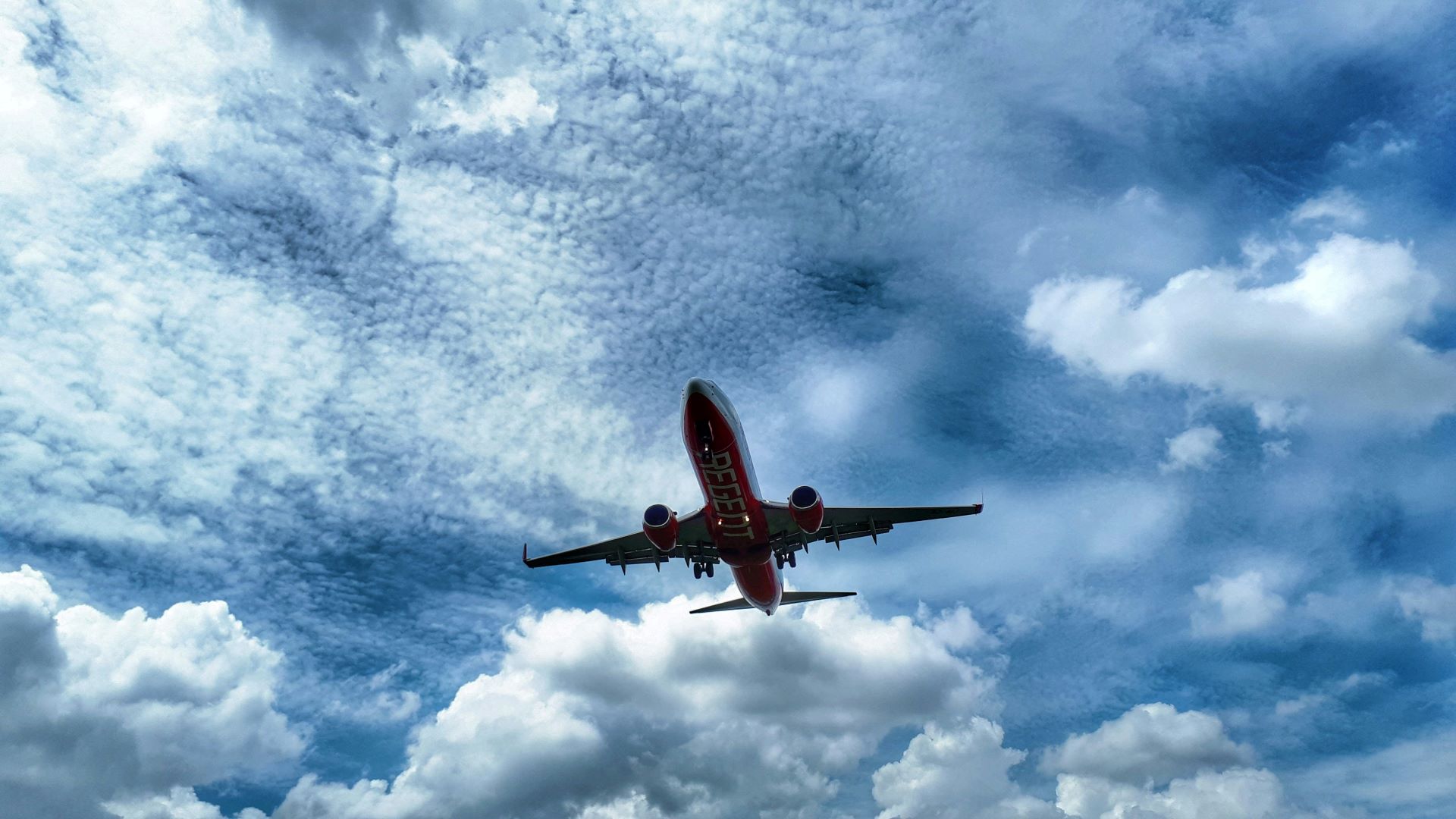
Case studies across continents reveal the strategic deployment of route networks to influence tourism. For instance, a carrier introducing a direct flight from a major European hub to a remote island destination does more than fill seats; it can catalyze boutique hotel development, attract international culinary interest, and establish seasonal events that elevate the destination’s profile. These moves underscore a shift in airline strategy—from reactive scheduling based solely on observed demand to proactive engagement in destination development, where carriers co-invest in tourism marketing, collaborate with local authorities, and tailor services to emerging trends.
Furthermore, the dynamics of seasonal travel patterns illustrate how airlines shape behavior beyond pure connectivity. Summer beach tourism, winter skiing excursions, and festival-driven city breaks are all affected by the availability of direct flights. Carriers adjust schedules to anticipate demand spikes, ensuring that supply aligns with peak periods. These operational decisions reverberate through local economies, affecting hotel occupancy, restaurant turnover, and cultural attraction attendance. In turn, tourism flows influence ancillary services such as car rentals, guided tours, and local artisans, creating a multidimensional economic ecosystem centered around air connectivity.
Airlines also act as de facto ambassadors, shaping perceptions of destinations. Frequent flyer programs, in-flight media, route announcements, and marketing campaigns collectively influence potential tourists’ awareness and desirability assessments. The psychological impact of being “directly connected” cannot be underestimated. A destination with limited access is perceived as niche or exclusive, while one with multiple international gateways is deemed accessible, mainstream, and safe. This perception, often crafted in tandem with route development strategies, directly informs the growth trajectory of tourism sectors, from luxury resorts to heritage tours.
Case Studies in Airline-Driven Tourism Growth
To understand the tangible impact of route strategies, it is instructive to examine destinations where airlines have actively influenced tourism development. Iceland provides a compelling example. In the early 2010s, low-cost carriers and major European airlines significantly expanded direct flights to Reykjavik, transforming the island nation from a niche adventure destination into a global tourism hotspot. The increase in connectivity coincided with a surge in visitors from both Europe and North America, stimulating growth in accommodation, tour operators, and cultural festivals. This shift was not merely organic; airlines worked in concert with Icelandic tourism authorities to time route launches with marketing campaigns and seasonal attractions, such as the Northern Lights peak viewing period and summer music festivals.
Similarly, in Southeast Asia, Cambodia’s tourism resurgence in Siem Reap illustrates how airline routes can generate cascading economic effects. A single regional carrier’s decision to introduce direct connections from major Asian hubs led to a rapid rise in visitor arrivals to the Angkor Archaeological Park. The route’s existence prompted investment in mid-range hotels, international culinary offerings, and expanded local transport options. Importantly, airlines engaged in co-branded promotions with local tourism agencies, creating packages that tied airfares to curated experiences, effectively driving both volume and quality of tourism engagement.
Closer to Africa, Rwanda offers a model of strategic route influence on destination perception. RwandAir, in partnership with European and Middle Eastern carriers, established direct flights to Kigali, deliberately positioning the country as a premium ecotourism and business destination. The airline’s network expansion coincided with government-led marketing initiatives promoting the Volcanoes National Park and gorilla trekking experiences. The result has been a significant increase in high-value tourism, diversification of visitor profiles, and sustained investment in hospitality infrastructure, demonstrating the symbiotic relationship between route strategy and destination growth.
Emerging Caribbean destinations also underscore the potential of airline route strategies to drive off-peak tourism. Airlines introducing seasonal flights from North American and European cities to islands like Dominica or Saint Lucia have leveraged shoulder-season travel to fill aircraft while supporting local economies during traditionally low-demand months. This has encouraged hotel operators and tour companies to adjust pricing strategies, create packages for seasonal travelers, and invest in year-round cultural or ecological attractions, creating a more resilient tourism sector less dependent on traditional peak seasons.
Finally, route decisions have proven pivotal in transforming urban destinations. In secondary European cities such as Porto or Valencia, the addition of direct connections from major hubs catalyzed a rapid rise in short-stay tourism. Airlines responded to initial demand by increasing frequencies, subsequently stimulating the development of boutique hotels, culinary festivals, and urban experiences tailored to weekend travelers. By proactively engaging with city tourism boards and promoting these new gateways through targeted campaigns, carriers helped elevate secondary cities into viable tourist alternatives, easing pressure on overcrowded capitals while diversifying the global tourism map.
Seasonal Patterns and Market Dynamics
The interrelationship between airline operations and tourism is especially visible when analyzing seasonal travel patterns. Airlines strategically modulate flight frequencies, aircraft size, and schedules to reflect predictable demand cycles, a practice that directly influences tourism behavior. Ski resorts in the Alps, for instance, rely heavily on increased winter frequencies from Northern European and British carriers. Summer beach resorts in the Mediterranean experience similar surges due to additional weekend and midweek flights timed to coincide with school holidays. This modulation is not only a response to existing demand but a deliberate mechanism to optimize occupancy, manage operational efficiency, and guide visitor behavior toward profitable periods.
Seasonal routing also affects emerging destinations seeking to establish new travel markets. In East Africa, airlines introducing summer and winter connections to Zanzibar strategically shape tourist inflows, aligning with global vacation trends and peak wildlife migration periods in mainland Tanzania. This careful alignment maximizes economic impact while mitigating environmental strain on fragile ecosystems. Local tour operators often collaborate with carriers to create seasonal packages, demonstrating how route timing becomes a critical component in sustainable tourism strategy.
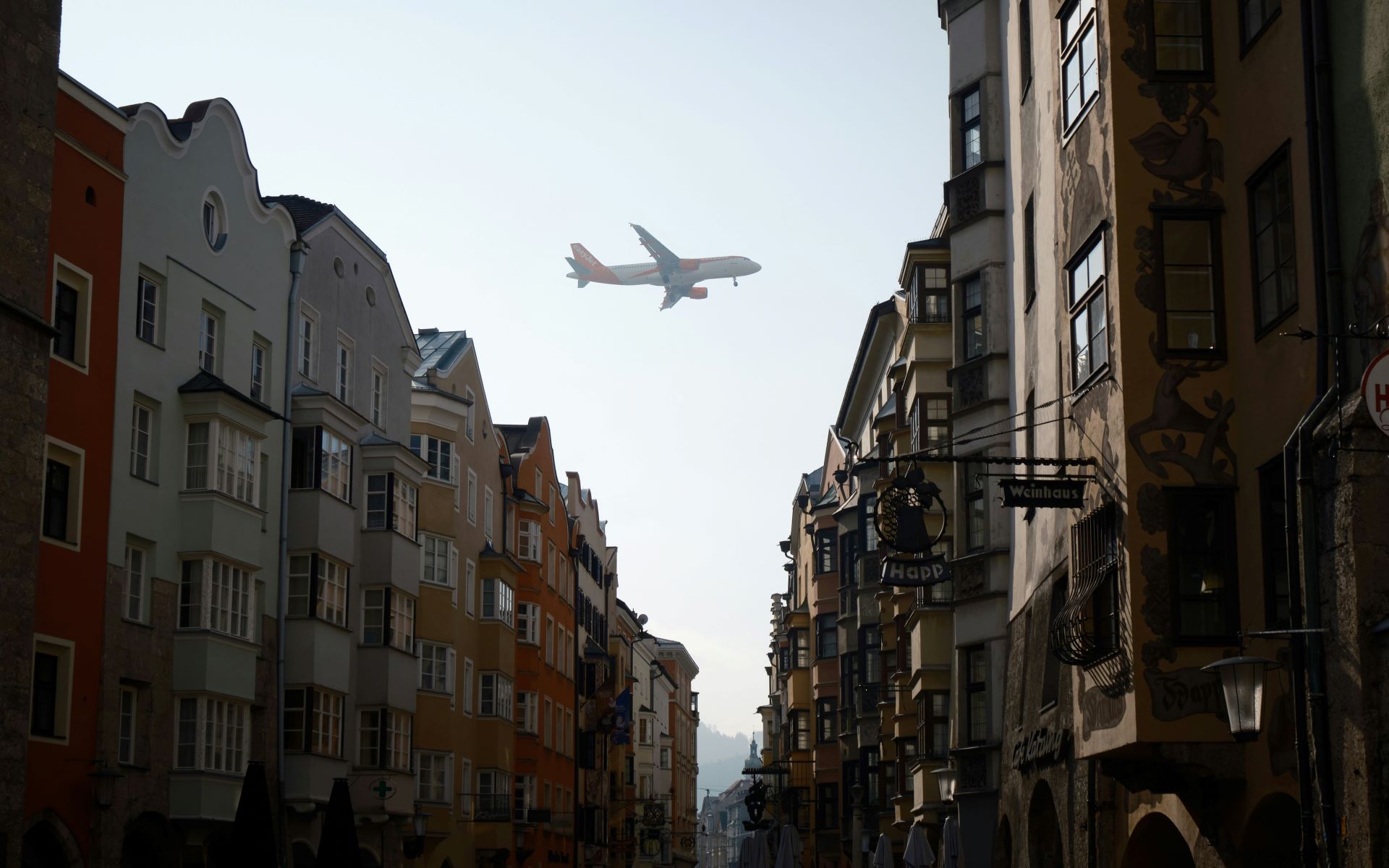
The rise of low-cost carriers has further complicated seasonal dynamics. By offering affordable short-haul connections to secondary destinations, budget airlines have democratized travel and introduced previously inaccessible locations to a wider audience. This has shifted traditional patterns, with travelers increasingly opting for off-season trips to reduce costs and avoid congestion. Local economies benefit from extended tourism seasons, although the rapid influx can strain infrastructure, requiring careful planning and strategic public-private coordination.
Beyond mere frequency adjustments, airlines influence travel behavior through aircraft type selection and capacity management. Deploying larger aircraft during peak periods and smaller, more fuel-efficient planes off-peak allows carriers to respond to fluctuating demand while managing operational costs. The implications for tourism are profound: higher seat availability lowers airfare costs, expanding the market; conversely, limited capacity can reinforce exclusivity and target premium segments. Airlines thus act as both enablers and curators of tourism flows, with direct consequences for revenue, destination planning, and cultural exposure.
Strategic partnerships further amplify the impact of seasonal route planning. Codeshare agreements and alliance networks allow airlines to funnel passengers from feeder markets, creating seamless seasonal itineraries. For example, a traveler flying from a small city in Germany to a remote Caribbean island may traverse multiple carriers within an alliance network, enabling access that would otherwise be logistically prohibitive. The result is a more predictable and managed tourist flow, which destinations can leverage for planning infrastructure upgrades, cultural events, and ecological management initiatives.
Economic and Cultural Implications
Route strategies extend beyond logistics to fundamentally shape economic and cultural outcomes. Direct flights catalyze investment in local hospitality sectors, from hotels and resorts to restaurants, tour operators, and transportation services. Increased accessibility encourages foreign investors, entrepreneurs, and development projects that support job creation, tax revenue growth, and broader economic diversification. Emerging destinations, in particular, benefit disproportionately, as each additional airline route multiplies economic impact in sectors ranging from artisanal goods to luxury services.
Culturally, airlines serve as vectors for exchange, bringing international visitors to experience local traditions, cuisine, and heritage sites. This interaction fosters mutual understanding while generating demand for cultural preservation initiatives. Cities and regions often leverage new routes to highlight festivals, art exhibitions, and indigenous practices, transforming tourism into a platform for cultural promotion. Airlines frequently partner with local tourism authorities to package these experiences, integrating in-flight marketing and promotional campaigns that extend the visitor’s journey beyond the airport.
The economic influence of routes is also evident in labor markets. Airlines stimulate employment directly—pilots, cabin crew, ground staff, and operational support—as well as indirectly through ancillary services, hospitality, and tourism supply chains. In regions where tourism had previously been limited, these ripple effects are particularly significant, providing steady income streams, professional development, and entrepreneurial opportunities. Strategic route planning, therefore, serves as a tool for socioeconomic development, linking air connectivity with broader national or regional economic objectives.
Moreover, the presence of direct flights often shapes visitor demographics. Business travelers, high-value tourists, and long-haul leisure visitors are more likely to choose destinations with convenient connections. Airlines, in collaboration with destination marketing organizations, actively tailor route announcements to attract specific segments. This targeted approach influences the type of tourism infrastructure that develops, from premium hotels to boutique experiences, and affects the overall tourism ecosystem, balancing mass appeal with high-value, sustainable visitor engagement.
The Future of Route-Led Tourism Development
Looking forward, the relationship between airlines and tourism is poised to become even more strategic. Technological advancements, predictive analytics, and sophisticated market modeling enable carriers to anticipate emerging demand patterns with unprecedented precision. Big data, social media insights, and real-time travel behavior analysis allow airlines to identify under-served destinations, optimize seasonal schedules, and craft bespoke travel packages that drive both volume and quality of tourism engagement.
Sustainability concerns are increasingly shaping route strategies. Airlines are weighing carbon footprints, alternative fuels, and environmental impact assessments in destination planning. Direct flights to ecologically sensitive locations are often limited or paired with tourism management initiatives, ensuring that growth is responsible and sustainable. Airlines can act as partners in environmental stewardship, integrating carbon-offset programs, eco-friendly promotions, and awareness campaigns, demonstrating that route decisions are not merely operational but also ethical imperatives.
The integration of airlines into destination marketing ecosystems will likely deepen. Partnerships with governments, tourism boards, and local operators enable carriers to co-create experiences, market destinations globally, and drive innovation in visitor engagement. Emerging destinations can leverage these relationships to position themselves competitively on the world stage, attracting international tourists and investment while simultaneously cultivating local culture, infrastructure, and economic resilience.

Finally, the strategic use of connectivity as a development tool underscores the broader role of airlines in shaping the global tourism landscape. Beyond serving as transport providers, carriers increasingly act as architects of accessibility, orchestrators of seasonal flows, and facilitators of economic growth. The decisions to open a route, adjust frequency, or partner with a local tourism authority are far-reaching, influencing the evolution of destinations, the prosperity of local communities, and the experiences of travelers worldwide.
In conclusion, route strategies are a silent yet powerful force in tourism development. Airlines shape not only how destinations are accessed but also how they are perceived, experienced, and economically sustained. Through careful planning, strategic partnerships, and responsive operational practices, carriers wield the ability to drive tourism growth, enhance cultural exposure, and cultivate vibrant, resilient economies. In the modern travel ecosystem, the airline is not merely a transporter of passengers—it is a driver of opportunity, a curator of experiences, and a vital architect of the global tourism landscape.